










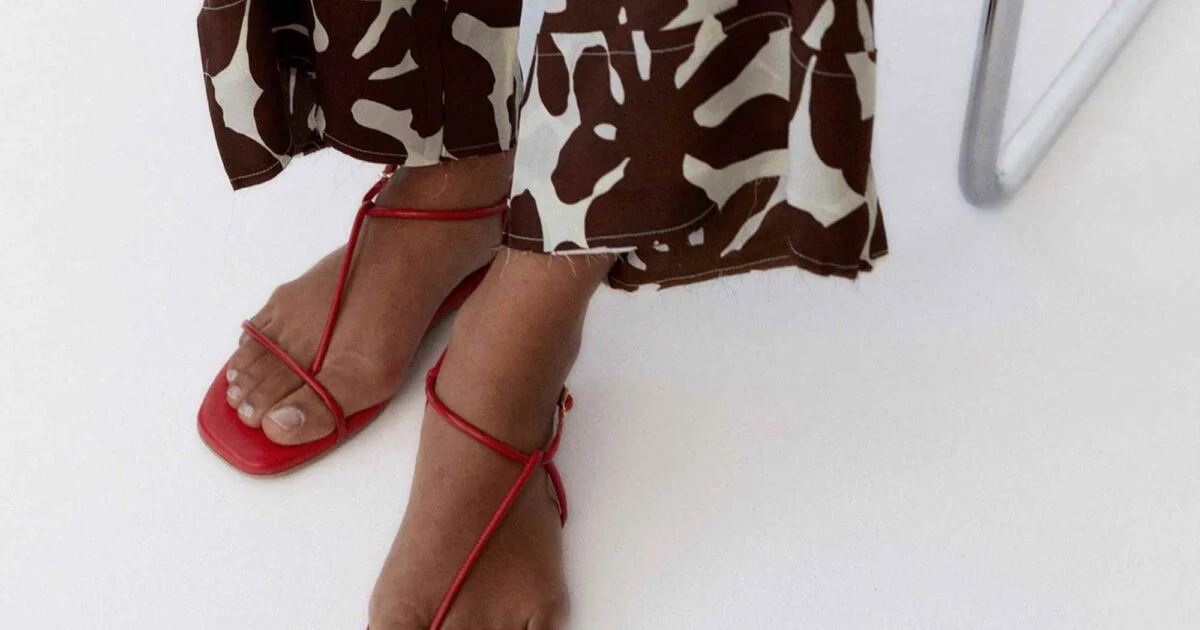
The burgeoning demand for conscious consumerism has positioned sustainable and ethical sandals as a quintessential summer wardrobe staple, moving beyond mere aesthetics to encompass profound considerations for people, the planet, and animals. Editors meticulously curate highly-rated brands, subjecting them to a rigorous assessment system to ensure adherence to stringent sustainability criteria. Purchases made through curated links contribute to the ongoing research and advocacy efforts in this critical sector.
The Imperative for Sustainable Footwear in a Warming World
As global temperatures rise and environmental awareness permeates consumer consciousness, the fashion industry faces increasing scrutiny over its ecological footprint and social impact. Footwear, often an overlooked segment, contributes significantly to waste, pollution, and labor exploitation. The production of conventional shoes, particularly leather goods, is notoriously resource-intensive, involving extensive water usage, chemical-laden tanning processes, and significant greenhouse gas emissions. Synthetic materials, while avoiding animal products, often rely on petrochemicals, contributing to plastic pollution and lingering in landfills for centuries. The quest for a perfect summer sandal now extends beyond comfort and style, incorporating a demand for transparency and responsibility. Consumers are increasingly seeking products that align with their values, necessitating a shift towards materials and manufacturing processes that minimize harm and maximize positive impact. This evolving landscape underscores the urgency for brands to innovate and for consumers to be equipped with the knowledge to make informed decisions.
Market Dynamics and Consumer Sentiment: A Paradigm Shift
The global market for sustainable fashion, including footwear, has witnessed robust growth over the past decade, signaling a significant paradigm shift in consumer behavior. Reports from leading market research firms like Statista and Grand View Research indicate a compound annual growth rate (CAGR) projected to continue in double digits, driven primarily by younger demographics and a heightened sense of environmental and social responsibility. A substantial percentage of consumers, particularly millennials and Gen Z, express a clear willingness to pay a premium for products from ethical and sustainable brands, viewing their purchasing power as a tool for positive change. This shift is not merely a transient trend but a fundamental recalibration of consumer priorities, where brand purpose, ethical sourcing, and environmental impact are becoming as crucial as product quality, design, and price. This growing market segment directly influences design, sourcing, and marketing strategies across the industry, compelling both established giants and nascent labels to adopt more responsible practices, often seeking third-party certifications like B Corp status to validate their commitments. The collective voice of consumers demanding greater transparency and accountability is accelerating the industry’s transition towards more sustainable models.
Deconstructing Sustainable and Ethical Footwear: The Core Pillars of Assessment
Identifying a truly sustainable or ethical sandal requires a comprehensive understanding of the criteria that define such products. Good On You’s robust ratings system, widely recognized as a benchmark for brand evaluation, assesses brands across three critical pillars: People, Planet, and Animals. This holistic approach ensures that claims of sustainability are substantiated by verifiable actions and transparent reporting throughout the entire supply chain, from raw material extraction to final product delivery.
Planet: Minimizing the Environmental Footprint
The environmental pillar scrutinizes a brand’s impact on natural resources, waste generation, and pollution. Key considerations for sustainable sandals include:
- Lower-Impact Materials: The shift away from conventional, petroleum-derived synthetics and resource-intensive traditional leather is paramount. Brands are increasingly incorporating:
- Cork: A highly renewable and biodegradable material harvested from cork oak trees without felling them, making it a sustainable choice. Cork forests are vital ecosystems, supporting biodiversity and acting as significant carbon sinks. The material itself offers natural cushioning, breathability, and antimicrobial properties, making it ideal for footwear.
- Responsibly Sourced Natural Rubber: While natural rubber is a renewable resource, conventional cultivation can lead to widespread deforestation, habitat destruction, and exploitation of labor. "Responsibly sourced" implies adherence to stringent certifications like the Forest Stewardship Council (FSC) or other standards that ensure ethical land use, biodiversity protection, and fair labor practices for rubber tappers, mitigating these negative impacts.
- Recycled Materials: This category includes recycled polyester (rPET) derived from plastic bottles, recycled EVA (Ethylene-vinyl acetate) from industrial waste, and even reclaimed ocean plastics. These materials offer a crucial solution for existing waste, diverting plastics from landfills and oceans. However, their longevity and potential for microplastic shedding during wear and washing are ongoing considerations that require further innovation in material science and design.
- Bio-based Alternatives: Innovative materials like those derived from grape and apple skins, pineapple leaves (e.g., Piñatex), and even mushroom mycelium (e.g., Mylo) are emerging as viable, often biodegradable, alternatives to animal leather and petroleum-based synthetics. These materials frequently utilize agricultural waste streams, reducing both waste and the demand for virgin resources, while offering comparable aesthetics and performance to traditional materials.
- Production Processes: Energy efficiency, water conservation, and waste reduction during manufacturing are crucial. Brands utilizing renewable energy sources (solar, wind) for their factories significantly reduce their operational carbon footprint. Implementing closed-loop systems for water and material recycling further enhances environmental performance by minimizing effluent discharge and material wastage.
- Chemical Management: The rigorous avoidance of harmful chemicals is a non-negotiable aspect of environmental responsibility. Substances such as aromatic amines, PCP (pentachlorophenol), formaldehyde, PVC (polyvinyl chloride), phthalates, azo-dyes, and chrome are commonly used in conventional footwear manufacturing. These chemicals pose severe health risks to factory workers, contaminate water supplies, and persist in the environment, causing long-term ecological damage. Ethical brands prioritize non-toxic alternatives and stringent chemical management protocols.
People: Upholding Social Equity and Human Rights
The social pillar assesses a brand’s commitment to fair labor practices, safe working conditions, and community empowerment throughout its supply chain. This includes:
- Fair Wages and Living Wages: A fundamental principle is ensuring that workers receive wages that meet their basic needs and provide a decent standard of living, extending beyond mere compliance with local minimum wage requirements. Brands that transparently report on their wage practices and engage with fair trade certifications demonstrate a strong commitment to this principle, empowering workers and supporting their families.
- Safe Working Conditions: Protecting workers from hazardous environments is paramount. This involves ensuring adequate ventilation, providing necessary safety equipment, establishing reasonable working hours, and preventing child labor or forced labor. Regular, independent audits are essential to verify compliance.
- Ethical Sourcing and Supply Chain Transparency: Brands are expected to know who makes their products, where, and under what conditions. This involves mapping complex supply chains, conducting regular, unannounced audits, and building long-term, respectful relationships with suppliers to foster continuous improvement in labor standards.
- Community Impact: Beyond direct employment, socially responsible brands often contribute to local communities through educational programs, healthcare initiatives, and supporting marginalized groups, such as refugees or artisans, thereby fostering local economic development and social cohesion.
Animals: Promoting Animal Welfare and Vegan Choices
The animal pillar focuses on the use of animal-derived materials and the ethical treatment of animals. For footwear, this primarily concerns:
- Vegan Options: Brands certified as "vegan" commit to using no animal-derived materials whatsoever, including leather, wool, silk, fur, and certain glues or dyes. This stance is rooted in an ethical opposition to animal exploitation and cruelty. The challenge for these brands is to ensure that their vegan alternatives are not simply petroleum-based plastics with their own set of environmental issues, but rather innovative, bio-based, and lower-impact materials.
- Responsible Animal-Derived Materials (if applicable): While the featured brands lean heavily into vegan options, for brands that do use animal products, the assessment would consider certifications like the Responsible Down Standard (RDS) or Responsible Wool Standard (RWS), which ensure animal welfare throughout the supply chain, from farming to processing. However, for sandals, the primary focus remains on avoiding leather and other animal products to minimize harm.
The Journey Towards Transparency: Second-Hand and Directories as Empowerment Tools
Beyond purchasing new, sustainably made sandals, conscious consumers have additional avenues to reduce their environmental impact and participate in a more circular economy. The burgeoning market for second-hand clothing and footwear offers a robust solution, extending the lifespan of products, reducing waste, and diverting items from landfills. Online platforms dedicated to resale, along with traditional brick-and-mortar charity shops, provide accessible options for acquiring pre-loved items, effectively reducing the demand for new production and its associated resource consumption. This approach significantly lowers the carbon, water, and waste footprints of individual purchases.
Furthermore, comprehensive directories like Good On You empower consumers by providing readily available ratings that distil complex sustainability information into understandable metrics. Users can easily filter brands based on specific values such as fair wages, vegan certification, or environmental stewardship. This unprecedented access to information is crucial in navigating a market often plagued by greenwashing, where brands make ambiguous or misleading claims about their sustainability efforts. By providing transparent, vetted data, these directories enable consumers to make purchasing decisions that are genuinely aligned with their ethical and environmental convictions.
Curated Selections: Spotlight on Ethical and Sustainable Sandal Brands
Our editorial team has meticulously selected a range of brands that exemplify commitment to sustainable and ethical practices, offering diverse styles from practical thongs to chic heeled sandals and comfortable slip-on flats. These brands demonstrate that comfort, style, and responsibility can coexist harmoniously, proving that ethical fashion does not compromise aesthetic appeal.
ESSÄN: Crafting Classics with Conscience
Founded in 2016 by Marre Muijs, ESSÄN stands as a poignant response to the fashion industry’s prevalent cycles of overproduction, fleeting trends, and egregious waste. Muijs articulated her brand’s philosophy, stating, "I founded ESSÄN in 2016 as a response to a fashion cycle that overproduces more than it carefully crafts, chases trends more than it determines classics, and wastes more than it sustains." This statement encapsulates ESSÄN’s core tenets: a deliberate rejection of the fast fashion calendar in favour of a single, permanent collection. By limiting production runs and employing low-waste cutting techniques, ESSÄN champions a slow fashion model that prioritises longevity and timeless design over ephemeral trends. This approach not only minimises material waste but also encourages consumers to invest in durable, high-quality pieces, thereby reducing overall consumption and extending the product lifecycle. The brand’s commitment to thoughtful craftsmanship and responsible resource management positions it as a leader in sustainable luxury