






The landscape of the global fashion industry is undergoing a seismic shift as generative artificial intelligence begins to replace human labor in commercial photography and advertising. For Sarah Murray, a professional commercial model, the first encounter with this new reality occurred in 2023 when she observed a Levi’s advertisement featuring a young woman of color in a denim overall dress. While the image appeared traditional at first glance, it was entirely synthetic—a product of a partnership between the legacy denim brand and the AI studio Lalaland.ai. Murray recalls a sense of exhaustion and sadness, recognizing that her profession was no longer just a competition between human peers, but a struggle against digital perfection that requires neither rest nor a paycheck.
The Levi’s initiative was marketed as a step toward "diversity," intended to supplement human models with AI-generated figures of varying body types and skin tones. However, the backlash from the creative community was immediate. Critics, including commentators from New York Magazine, labeled the strategy "artificial diversity," arguing that the company was using technology to bypass the actual hiring of underrepresented human talent. Two years later, the controversy has only deepened, moving from experimental digital lookbooks to the pages of the industry’s most prestigious publications.

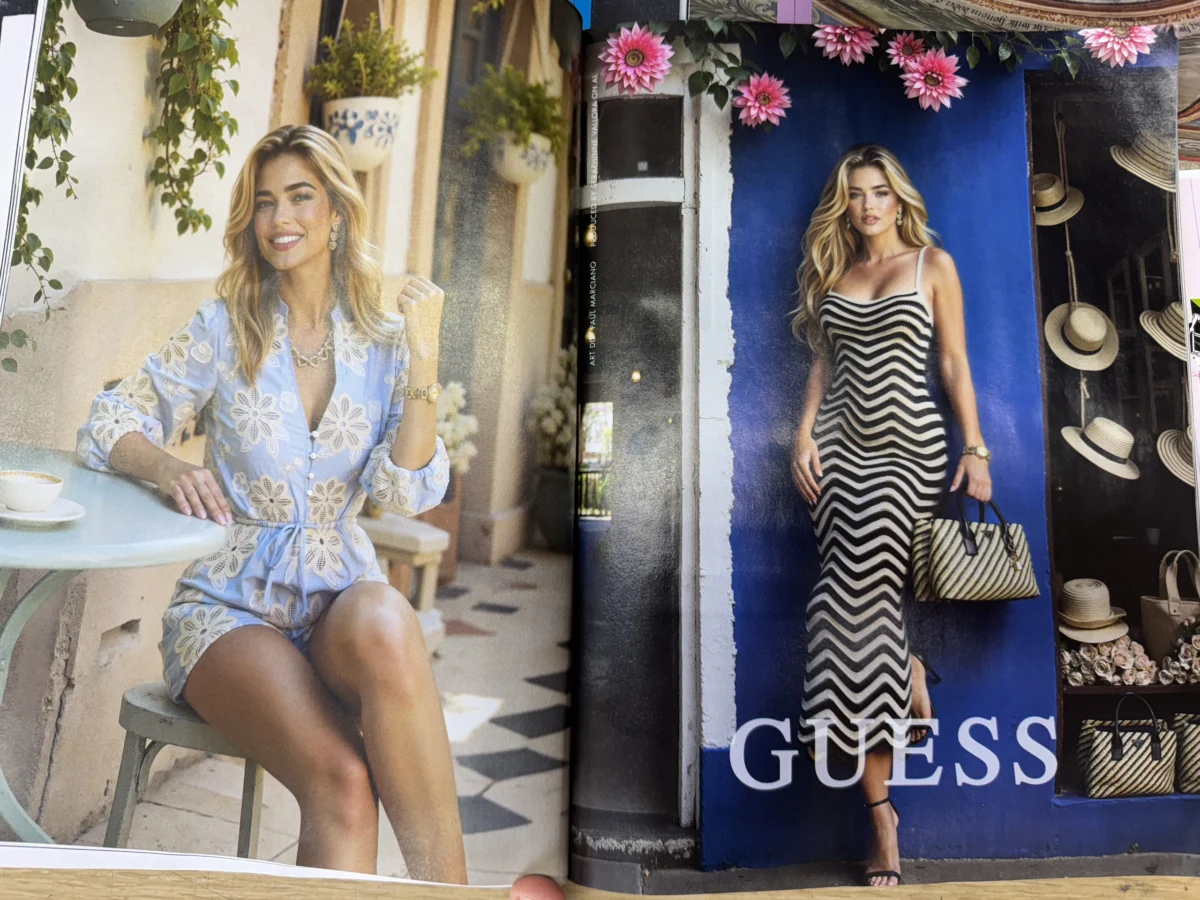
In July 2025, the debate reached a fever pitch following the publication of the Vogue print edition. Within its pages sat a prominent advertisement for Guess, featuring a model who embodied the brand’s classic aesthetic: blonde, statuesque, and polished to a high-gloss finish. Despite her appearance fitting the traditional North American beauty standard, the model was entirely AI-generated. The inclusion of such imagery in Vogue—often considered the "fashion bible" and the ultimate gatekeeper of industry standards—sent shockwaves through the modeling world. While Vogue representatives clarified that the image was an advertisement and not an editorial selection, many industry insiders argue that this is a distinction without a difference. To the consumer and the working model, the message was clear: the pinnacle of fashion media had signaled its acceptance of the synthetic.
A Chronology of the Synthetic Rise in Fashion
The integration of non-human models into fashion is not a brand-new phenomenon, but the sophistication and accessibility of the technology have accelerated rapidly over the last decade. A timeline of this evolution reveals a steady march toward the current state of automation:
- 2013: The French e-commerce giant Veepee begins utilizing virtual mannequins to display clothing, significantly reducing the need for live models in high-volume catalog work.
- 2016-2018: The rise of "CGI Influencers," such as Lil Miquela and Shudu, demonstrates that digital personas can garner millions of followers and secure high-paying partnerships with luxury brands like Prada and Balmain.
- 2023: Levi’s announces its partnership with Lalaland.ai to create "inclusive" AI models, sparking a global conversation about "robot cultural appropriation" and the ethics of digital diversity.
- 2024: Major retailers including H&M, Mango, and Calvin Klein begin integrating AI-generated imagery into their social media feeds and online stores to keep up with the demand for "fast content."
- 2025: The Guess ad in Vogue marks a turning point where AI imagery moves from the digital-only sphere into the high-prestige world of print media.
This progression highlights a fundamental shift in how fashion is produced. Art technologists like Paul Mouginot note that AI now allows brands to take a simple "flat-lay" product shoot and transpose the garment onto a photorealistic virtual model in any setting imaginable. This eliminates the need for travel, set design, hair and makeup teams, and lighting crews, condensing a week-long production into a matter of hours.

The Economic Imperative: From Four to 400,000
The primary driver behind the adoption of AI models is not aesthetic, but economic. PJ Pereira, co-founder of the AI-focused advertising firm Silverside AI, explains that the traditional marketing infrastructure was designed for a world where a brand produced roughly four major campaigns per year. In the age of TikTok, Instagram, and global e-commerce, that requirement has exploded.
"There’s no way to scale from four to 400 or 400,000 pieces of content with just process tweaks," Pereira says. For small and mid-sized brands, the cost of hiring human models, photographers, and stylists for thousands of unique product iterations is prohibitive. AI offers a solution to this "content debt," allowing brands to flood digital channels with imagery at a fraction of the traditional cost.
However, this efficiency comes at the expense of the "bread and butter" of the modeling industry: e-commerce. While high-fashion runway models often receive the most public attention, the vast majority of working models earn their living through catalog and online retail shoots. Sinead Bovell, a model and founder of the WAYE organization, warns that these are the very jobs most vulnerable to automation. "E-commerce is the path for financial security," Bovell notes. If these roles disappear, the entry point for new talent into the industry may vanish entirely.

Labor Rights and the Fashion Workers Act
The rise of digital likenesses has created a new legal frontier regarding "identity rights." Many models have expressed concern that modern contracts now include clauses that allow brands to scan their bodies and faces to create "digital twins." Sarah Murray notes that models often feel pressured to sign away their rights, fearing that if they refuse, they will be replaced by a fully synthetic model who requires no royalties or consent.
In response, advocacy groups like the Model Alliance, led by former model Sara Ziff, are pushing for legislative protections. The proposed Fashion Workers Act in New York seeks to regulate management agencies and require explicit consent and fair compensation for the use of a model’s digital replica. The goal is to ensure that if a brand uses a model’s likeness to train an AI or to create a synthetic shoot, the human behind the data is still paid.
While some technologists argue that digital twins could allow sought-after models to "work" multiple shoots simultaneously across the globe, critics argue this only benefits the top 1% of the industry. For the average commercial model, the existence of a digital avatar simply means fewer days on set and a further erosion of labor power.

The Aesthetic Impact: Perfection vs. Human Imperfection
Beyond the economic and legal implications, there is a growing debate about the "soul" of fashion photography. AI-generated models, such as those produced by the agency Seraphinne Vallora for the Guess campaign, often lean into a hyper-perfected aesthetic. Sandrine Decorde, CEO of the creative studio Artcare, describes her team as "AI artisans" who work to refine these digital figures to avoid the "uncanny valley"—the point where a digital image looks almost, but not quite, human, causing a sense of unease in the viewer.
Decorde argues that there are ethical benefits to AI, particularly in children’s fashion. The use of AI-generated infants and children can protect minors from the historically exploitative environment of fashion sets while meeting the high demand for children’s wear marketing. However, she acknowledges that many AI models currently suffer from homogeneity, with symmetrical features and "perfect" jawlines that lack the distinctive character of human faces.
Paul Mouginot believes that the "sensual reality" of human imperfection will remain a premium commodity. "Many breakthrough models succeed precisely because of a distinctive trait—teeth, gaze, attitude—that is slightly imperfect by strict standards yet utterly charming," he says. These nuances are difficult to replicate in code, and luxury heritage brands may continue to rely on human talent to maintain their "authentic" brand story.

Implications for the Future of the Industry
The fashion industry currently finds itself in a period of "visibility testing." While the Guess ad in Vogue sparked a vocal backlash on social media, internal data from advertising firms suggests a different story. PJ Pereira notes that in many cases, the "silent majority" of consumers engage with AI content at a much higher rate than they do with traditional media. In one test of an AI-generated product video, Pereira saw a 30x increase in click-through rates and a significant spike in sales, despite negative comments regarding the use of AI.
As AI tools become more integrated into the creative workflow, the distinction between "human" and "AI" may continue to blur. Models like Sinead Bovell are encouraging their peers to pivot toward personal branding and storytelling—elements that AI cannot yet replicate. "AI will never have a unique human story," Bovell asserts.
The ultimate impact of AI on fashion remains uncertain, but the precedent set by Vogue suggests that the technology is moving toward total integration. As fashion writer Amy Odell observes, the industry often resists change until a major gatekeeper validates it. Much like the eventual acceptance of reality TV stars into high fashion, the "AI model" may soon transition from a controversial experiment to an industry standard. For the humans currently working in the field, the challenge will be to define their value in a world where digital perfection is just a prompt away.