


Keke Palmer, the multitalented actress and singer, recently made a striking sartorial statement in New York City, effortlessly channeling the vibrant and distinctive aesthetic of the mid-to-late 1990s. Spotted in the bustling SoHo district, Palmer’s appearance was far from ordinary; it was a meticulously curated homage to an era synonymous with bold fashion choices, playful beauty trends, and the rise of iconic girl groups. While Palmer is currently embracing a chic pixie cut, this particular outing demonstrated her versatility and flair for dramatic transformations, opting for a look that evoked the spirit of music video vixens and pop culture phenomena of 1998.
The overarching theme of Palmer’s ensemble was a clear nod to the late 1990s, an era that continues to influence contemporary fashion and beauty. This period, roughly spanning from 1995 to 2001, was characterized by a unique blend of influences, including the burgeoning influence of hip-hop, the rise of teen pop, and a more relaxed yet undeniably stylish approach to dressing. Brands like Tommy Hilfiger, Calvin Klein, and Fila dominated the casual wear landscape, while designers like Alexander McQueen and Vivienne Westwood pushed the boundaries of avant-garde fashion. For young women, the era offered a spectrum of styles, from the athletic-inspired looks of the Spice Girls to the more polished, yet still youthful, ensembles favored by artists like Brandy and Monica.
Palmer’s specific ensemble was a masterclass in recapturing this zeitgeist. The foundation of her look included low-rise, embroidered jeans – a hallmark of late 90s denim fashion that signaled a departure from the higher waistlines of previous decades. These were paired with a cropped satin shirt, a popular choice that emphasized midriffs and added a touch of evening-ready glamour to daytime attire. Accessories played a crucial role in solidifying the era’s influence, with a ring chain bracelet serving as a subtle yet effective detail that resonated with the jewelry trends of the time. These elements, when combined, created an immediate visual connection to the fashion narratives of 1998.
A Deep Dive into the Beauty Details: The True Time Machine
While the clothing certainly evoked the period, it was Palmer’s beauty choices that truly acted as an aesthetic time machine, transporting onlookers directly back to the late 1990s. Her hairstyle, in particular, was a complex and playful creation that exemplified the era’s embrace of voluminous, often intricate, updos.
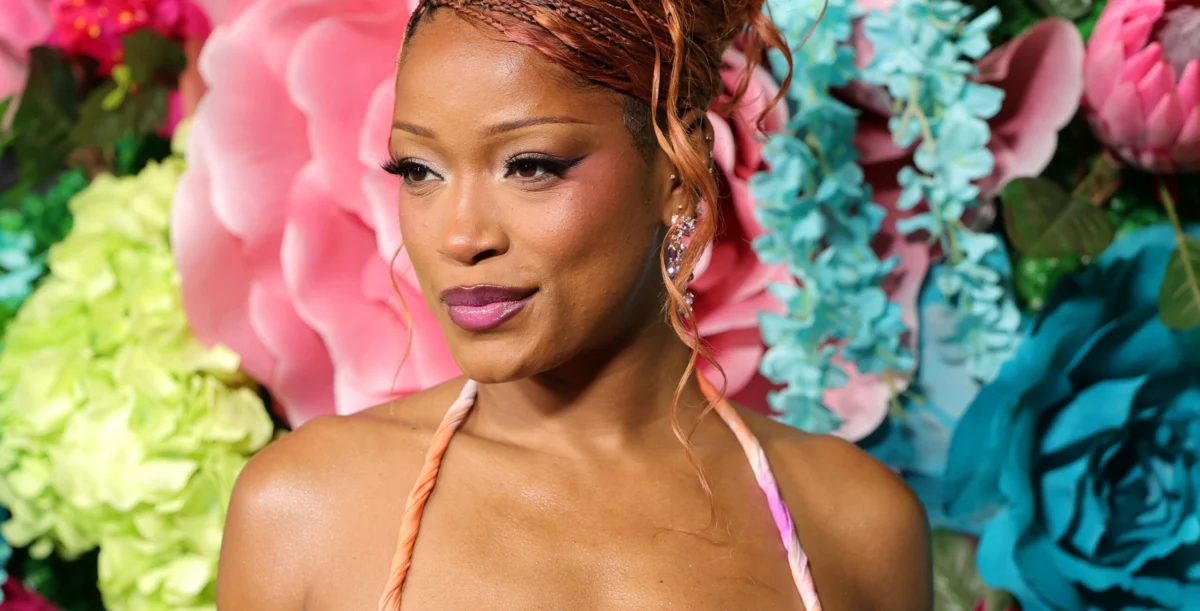
The base of her hairstyle featured cornrows, a protective styling technique with deep cultural roots that gained significant mainstream visibility in the 1990s, often seen on performers and trendsetters. From these cornrows, Palmer’s hair bloomed into two voluminous and intentionally messy space buns. These were not simple, sleek buns; they were characterized by a deliberate use of teasing and sculpting to create a fuller, more playful silhouette. The artistry involved in their creation was evident, with strands artfully swooping and framing her face.
Adding an extra layer of 1990s authenticity, the space buns were adorned with a smattering of crystal clips. These small, shimmering embellishments were a ubiquitous accessory in the late 90s, used to add a touch of sparkle and whimsy to hairstyles, particularly for formal events or stage performances. They evoked the playful and somewhat maximalist approach to accessorizing that defined the decade.

Complementing the space buns were two long, curly tendrils that cascaded down her face. These precisely placed tendrils, often referred to as "face-framing tendrils" or "baby hairs," were a signature element of 1990s hairstyles, particularly associated with R&B and pop artists. Their presence added a touch of romanticism and softness to the overall look, creating a balance between the playful updos and the more structured elements of her outfit. The combination of cornrows, messy space buns, crystal clips, and tendrils is a potent cocktail of 90s hair trends, reminiscent of styles seen on iconic groups like the Spice Girls, B*Witched, and early Destiny’s Child.
Makeup that Echoes a Bygone Era
Palmer’s makeup further cemented the nostalgic theme, mirroring the cosmetic trends that were prevalent in the late 1990s. The emphasis was on a dewy, youthful glow, with key elements that have seen a resurgence in recent years.
A generous application of lip gloss was a central component, providing that signature 90s shine and plumpness. This was often paired with a subtle application of blush, strategically placed to add a healthy flush to the cheeks without appearing overly sculpted or contoured. The eyes were highlighted with shimmering eyeshadow, a popular choice that added a touch of glamour and dimensionality. The color palette of the eyeshadow likely complemented the vibrant fuchsia of her satin top, creating a cohesive and visually appealing look.
Even her eyebrows were on point for the era, appearing on the thinner side. The late 1990s saw a departure from the thicker, more natural brows of the 80s and early 90s, with many opting for more sculpted and sometimes very thin eyebrow shapes. For individuals who experienced their late teens during this period, this particular detail can be both a source of sentimental reflection and a slightly "triggering" reminder of past beauty standards.
The Context: A Resurgence of 90s Nostalgia
Keke Palmer’s embrace of late 1990s fashion and beauty trends is not an isolated incident; it is part of a broader cultural phenomenon. The 1990s have experienced a significant resurgence in popularity across fashion, music, and popular culture. This nostalgia is fueled by several factors, including:
- Generational Influence: Millennials and Gen Xers, who grew up with the styles and media of the 90s, are now in positions of cultural influence, driving trends and rediscovering their formative aesthetic.
- Social Media and Digital Archiving: Platforms like Instagram and TikTok allow for easy access to historical fashion imagery and trends, making it simpler for new generations to discover and adopt 90s aesthetics.
- The Cyclical Nature of Fashion: Fashion is inherently cyclical, with trends often repeating every 20-30 years. The late 1990s are currently at the sweet spot for this cyclical revival.
- A Desire for Authenticity and Playfulness: The 90s are often remembered for their unpretentious and playful approach to style, a sentiment that resonates with contemporary desires for authenticity and self-expression.
Data from fashion search engines and resale platforms indicate a significant increase in searches for 1990s-inspired clothing items. For instance, reports from sites like Poshmark and Depop have shown a surge in demand for items such as slip dresses, chunky sneakers, and high-waisted (though Palmer opted for low-rise) denim, all indicative of the 90s aesthetic. Similarly, Google Trends data reveals consistent interest in terms like "90s fashion," "90s hairstyles," and specific icons of the era.
Keke Palmer: A Fashion Chameleon
Palmer’s ability to embody different eras and aesthetics is a testament to her versatility as a performer and style icon. While her current signature look is often associated with her stylish pixie cut, as seen in interviews and recent appearances, she has consistently demonstrated a willingness to experiment and push creative boundaries. Her previous embrace of a pixie cut was noted in interviews where she discussed the liberation and confidence that came with the shorter style. This recent foray into a full 90s revival, complete with long hair, highlights that her personal style is dynamic and not confined to a single look.

Her public appearances are often closely watched by fashion enthusiasts, and this particular ensemble generated significant buzz on social media platforms, with many users praising her authentic interpretation of the era’s trends. Comments often referenced specific music videos, fashion magazines, and pop culture moments from the late 1990s, underscoring the accuracy and impact of her styling.
The Nuance of Nostalgic Dressing
What makes Keke Palmer’s interpretation of the late 1990s particularly successful is her ability to capture the essence of the era without appearing as though she is attending a themed costume party. This is a crucial distinction in modern fashion. The goal is not to replicate past looks verbatim but to draw inspiration, reinterpreting them through a contemporary lens.
Palmer achieved this by:
- Selective Emphasis: She highlighted key elements of the 90s aesthetic – the low-rise silhouette, the specific hair styling, the makeup – without overwhelming the look with every possible trend from the decade.
- Quality of Execution: The clothing appears well-fitted and modern in its construction, despite referencing older styles. The hair and makeup are executed with skill and precision, making the look polished rather than costume-like.
- Personal Confidence: Ultimately, the success of any fashion statement relies on the wearer’s confidence. Palmer exudes a natural charisma and comfort in her chosen style, which elevates the entire presentation.
This approach to nostalgic dressing allows for a celebration of past eras while remaining firmly rooted in the present. It acknowledges the influence of the past on contemporary style without sacrificing individuality or modern sensibilities. The implications of this trend are significant; it suggests a growing appreciation for the diverse and often playful aesthetics of previous decades, encouraging individuals to explore and integrate these influences into their personal style in creative and meaningful ways.
Conclusion: A Masterclass in Retro Revival
Keke Palmer’s late 1990s-inspired ensemble serves as a compelling example of how fashion and beauty trends from past decades can be revitalized and celebrated in the modern era. Her meticulous attention to detail, from the embroidered denim to the crystal-adorned space buns and shimmering makeup, demonstrates a deep understanding and appreciation for the aesthetic nuances of the period. This appearance not only cemented her status as a style influencer but also contributed to the ongoing dialogue surrounding the enduring appeal of 1990s nostalgia, proving that the spirit of an era can be effectively and stylishly resurrected.