










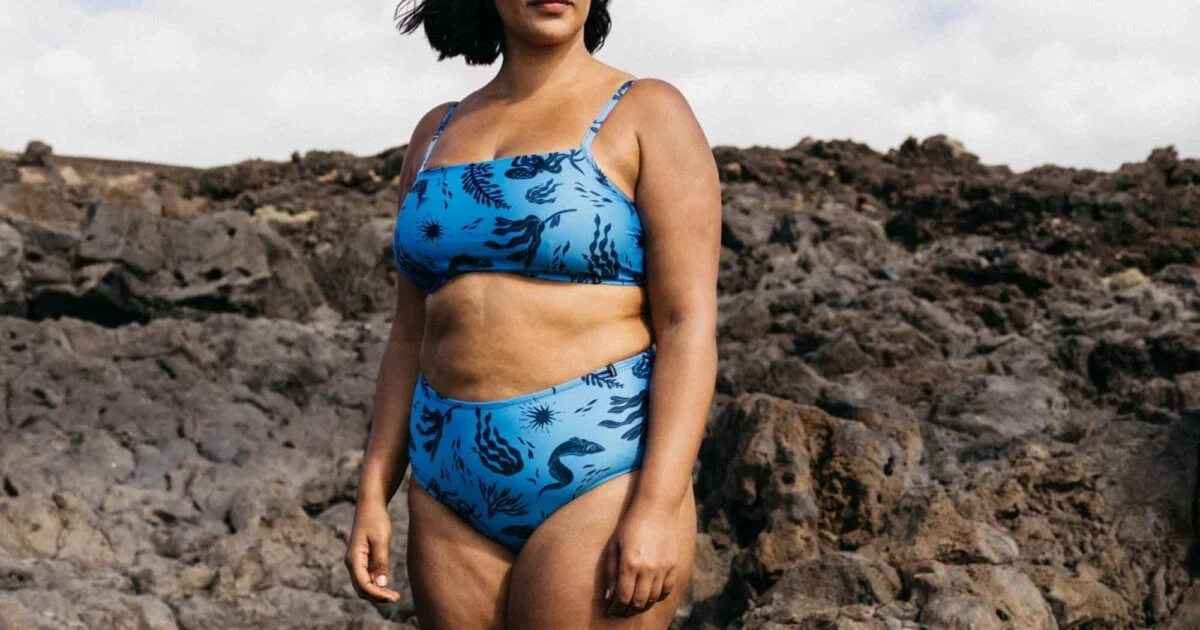
As the summer season approaches and consumer focus shifts towards swimwear, the challenge of identifying truly sustainable options intensifies, prompting a critical examination of the fashion industry’s environmental footprint. This year, consumers are increasingly seeking not just style and comfort, but also ethical integrity in their summer staples, driving a significant market shift towards brands committed to environmental and social responsibility. Our editors, leveraging a rigorous ratings system, have curated a selection of highly-rated brands that prioritize sustainability, offering a comprehensive guide to ethical bikinis for all body types. This initiative supports informed purchasing decisions, with transparency regarding commissions earned through links, which directly fund ongoing research and editorial efforts to promote conscious consumption.
The search for the perfect bikini often involves navigating a complex landscape of fit, coverage, and aesthetic appeal. Like lingerie, swimwear must not only perform its functional role but also instill confidence and comfort, whether for a refreshing dip in the pool, an adventurous snorkeling expedition, or simply lounging by the water. However, beyond these immediate considerations of style and practicality, a deeper imperative has emerged: understanding and mitigating the ethical and environmental impacts of swimwear production. The rapid consumption cycles of fast fashion, coupled with the pervasive use of synthetic materials, have created significant sustainability challenges that demand innovative solutions and heightened consumer awareness.
The Environmental Imperative: Tackling Plastic Pollution in Swimwear
The allure of new trends and prints often leads to an accumulation of swimwear, particularly for individuals living in sun-rich environments. This cycle of rapid consumption is a hallmark of fast fashion, an industry model characterized by low-cost, mass-produced garments that are quickly discarded. However, swimwear introduces an additional, profound sustainability problem: its heavy reliance on plastic. Synthetic fabrics such as nylon, polyester, and spandex are favored for swimwear due to their inherent properties—moisture-wicking, quick-drying, and exceptional stretch—which are ideal for aquatic activities, reducing friction and ensuring a comfortable fit. These materials are also relatively inexpensive to manufacture and highly versatile, leading to their widespread adoption across various segments of the fashion industry, including activewear, outerwear, and countless other low-cost garments.
The environmental implications of this reliance on synthetic plastics are severe and multifaceted. Plastic is inherently non-biodegradable, meaning it persists in the environment for hundreds, if not thousands, of years, contributing significantly to landfill accumulation and ocean pollution. A critical issue arises throughout the garment’s lifecycle, from the energy-intensive production phase, which often relies on fossil fuels, to the insidious release of microfibers during washing. Each machine wash of a synthetic garment can shed thousands of microscopic plastic fibers, which then enter waterways, accumulate in marine ecosystems, and eventually infiltrate the food chain, posing risks to both marine life and human health. Studies by organizations like the Plastic Soup Foundation have highlighted that textiles are a major source of microplastic pollution, with swimwear being a particular concern due to its direct interaction with water. Fortunately, a simple yet effective solution exists for reducing microfibre release: gentle hand washing. This method not only preserves the garment’s integrity but also minimizes the shedding of plastic particles, making it a responsible practice given that swimwear is typically worn for short periods and rarely requires aggressive machine cleaning.
Innovating Materials: A Shift Towards Circularity and Natural Fibers
In response to the escalating environmental concerns, the swimwear industry is witnessing a transformative wave of innovation aimed at developing lower-impact materials. A leading example is ECONYL, a regenerated nylon yarn created by the Italian firm Aquafil. This pioneering material addresses the plastic waste crisis by utilizing a diverse range of synthetic waste products, including industrial plastics, discarded fabric scraps, and, critically, abandoned fishing nets recovered from oceans and landfills worldwide. These waste materials are meticulously collected, cleaned, and then subjected to a complex regeneration process that depolymerizes the nylon waste back into its original monomers, which are then repolymerized to create new nylon yarn. The resulting ECONYL yarn is chemically identical in quality and performance to virgin nylon, offering a high-performance alternative without the need for new fossil resources. This process not only diverts waste from landfills and oceans but also significantly reduces the global warming impact of nylon production by up to 90% compared to conventional methods.
Beyond ECONYL, numerous other swimwear brands are actively contributing to this material revolution, developing their own proprietary luxe fabrics from recycled nylon fibers or exploring natural alternatives. For instance, REPREVE is another widely used recycled fiber, primarily made from post-consumer plastic bottles, transforming what would be waste into a durable and versatile textile. However, the burgeoning market for sustainable products has also given rise to "greenwashing," where brands make unsubstantiated or misleading claims about their environmental practices. Consumers are advised to remain vigilant, recognizing that genuine sustainability extends beyond material composition to encompass ethical labor practices, fair wages, and animal welfare considerations throughout the entire supply chain. A truly sustainable bikini reflects a holistic commitment to people, the planet, and animals, as assessed by comprehensive rating systems like Good On You.
Market Dynamics and Consumer Demand for Ethical Choices
The global swimwear market, valued at approximately $21 billion in 2022, is projected to grow significantly, reaching over $31 billion by 2030. This growth is increasingly influenced by a powerful consumer trend: the demand for sustainable fashion. Reports indicate that a substantial percentage of consumers, particularly younger generations, are willing to pay more for products from brands that demonstrate strong ethical and environmental credentials. This shift has propelled sustainability from a niche concern to a mainstream expectation, pressuring brands across the fashion spectrum to reassess their production methods and material sourcing. The transparency offered by platforms like Good On You, which provide detailed ratings based on environmental impact, labor conditions, and animal welfare, empowers consumers to make informed choices, fostering greater accountability within the industry.
The emergence of dedicated sustainable swimwear brands signifies a pivotal moment in fashion. These brands are not merely offering eco-friendly products; they are championing a paradigm shift, proving that style, quality, and ethical production can coexist. Their efforts extend beyond material innovation to encompass fair labor practices, waste reduction in manufacturing, and a commitment to circular design principles, where products are designed for longevity, repairability, and eventual recycling. This holistic approach is crucial for addressing the systemic issues embedded within the fashion industry and moving towards a more responsible and equitable future.
Leading the Wave: Spotlight on Sustainable Bikini Brands
A diverse array of brands is making significant strides in the sustainable swimwear sector, each bringing unique innovations and ethical commitments to the forefront.
Underprotection, a Danish brand, seamlessly merges ethics with aesthetics. It crafts underwear, loungewear, and swimwear predominantly from lower-impact materials such as organic cotton, ensuring both comfort and environmental responsibility. The brand’s commitment extends to its packaging, with all paper and polybags being either recycled or biodegradable. Underprotection exclusively partners with certified factories, adhering to the fundamental belief that "fair working conditions and fair wages are human rights." This philosophy is underscored by its mission to celebrate and empower women of all backgrounds, offering a full range of sizes from XS-XL.
Loop Swim, founded by two women from the US and India and headquartered in Shanghai, embodies a mission to advance circular design and eliminate waste. The brand ingeniously transforms post-consumer plastic bottles into high-performance REPREVE UP50+ sun protective swimwear for men, women, and children. Their designs prioritize longevity and timelessness, ensuring that garments retain their shape and vibrant color through countless swims, thus countering the fast fashion cycle. Loop Swim offers most items in sizes XS-XL.
1 People, a Danish-designed luxury lifestyle brand, distinguishes itself through its blend of Scandinavian minimalism and conscious craftsmanship. Its effortlessly elegant collections are created by small, family-run manufacturers who utilize lower-impact and certified materials. This localized production model contributes to a reduced carbon footprint, aligning with the brand’s overarching commitment to sustainability. The collection is available in sizes XS-XL.
Anekdot specializes in designer underwear, swimwear, and loungewear, handmade in Berlin. This brand champions an upcycling philosophy, transforming production leftovers, deadstock fabrics, and vintage trimmings into exquisite, limited-edition intimate apparel. By giving these materials a new life, Anekdot minimizes waste and offers unique, characterful pieces. Most products are available in sizes XS-XL.
ColieCo, based in Portugal, stands out for its handmade-to-order process for lingerie, underwear, and swimwear. Each garment is meticulously crafted using exclusively lower-impact and responsibly sourced fabrics, ensuring both premium quality and ethical production. This bespoke approach minimizes overproduction and waste. The brand offers an inclusive size range from 2XS-3XL.
Natasha Tonic introduces a revolutionary approach to swimwear with its use of hemp fabric. Challenging the decades-long dominance of non-biodegradable polyester, Natasha Tonic’s unique hemp fiber is naturally anti-microbial, UV resistant, and remarkably durable. This natural alternative represents a healthier choice for both skin and oceans. Each piece is hand-printed, ensuring a unique, tailored finish. Collections are available in sizes XS-L.
Kampos, a luxurious Italian brand, integrates integrity and conscience into its core mission, aiming to raise awareness about over-fishing and marine pollution. Its unique swimwear pieces are crafted from recycled plastic bottles, fishing nets, and other lower-impact organic fabrics. Kampos offers most products in sizes XS-2XL.
Finisterre, born from the rugged needs of British surfers, is a pioneering sustainable outdoor brand. It inspires a deep connection to the sea, offering exceptional products built for durability and performance with a strong ethical foundation. Most items are available in sizes XS-2XL.
BONDI BORN exemplifies versatility and luxury with its conscious collection, featuring pieces like a flared mini cami top made from premium Bulgarian linen blend. The brand’s commitment to sustainability is evident in its material choices and thoughtful designs. Garments are available in sizes XS-L.
Modibodi, an Australian brand, offers original period and leak-proof underwear, expanding its commitment to sustainable and functional apparel for everyone. Its inclusive sizing, from 3XS-6XL, reflects a dedication to diverse body types.
NIKIN, a Swiss brand, intertwines consumer purchases with environmental action: a tree is planted for every product sold, allowing customers to tangibly contribute to reforestation efforts. Products are available in sizes XS-2XL.
TWOTHIRDS positions itself as a brand for individuals who recognize the immense value of oceans and simultaneously demand style and substance. The brand manufactures all products locally to minimize its carbon footprint and rigorously audits its final stage of production for ethical standards. Clothes are available in sizes XS-L.
Spell, an Australian fashion brand, draws inspiration from diverse global influences and vintage aesthetics. Its garments are designed and sampled in Byron Bay and produced responsibly in factories worldwide, reflecting a commitment to ethical sourcing and production. Most garments are available in sizes 2XS-2XL.
Afends, originating from Byron Bay, Australia, is a leader in hemp fashion. Inspired by environmental and surf culture, Afends aims to create sustainable clothing through innovation. The brand even purchased 100 acres of farmland, "Sleepy Hollow," to cultivate its own hemp crops, spearheading a "hemp revolution." Most of the range is available in sizes XS-XL.
CASAGiN, an Italian brand, designs apparel for those aspiring to a more sustainable and conscious lifestyle, extending its influence beyond the closet. Most items are available in sizes XS-2XL.
Koraru, named after the Japanese word for ‘coral’ and based in Tokyo, creates swimwear deeply inspired by circularity principles. The brand utilizes lower-impact materials, operates a recycling program, and partially traces its supply chain, underscoring its commitment to environmental stewardship. Available in sizes XS-XXL.
The Broader Implications: A Future of Conscious Consumption
The rise of sustainable swimwear brands signals a broader transformation within the fashion industry. It highlights a growing recognition among designers, manufacturers, and consumers that environmental responsibility and ethical practices are no longer optional but essential. The challenges of plastic pollution and fast fashion demand systemic changes, and the innovations seen in sustainable materials like ECONYL and hemp, alongside commitments to fair labor and circular design, represent crucial steps forward.
As consumers become more informed and discerning, their purchasing power increasingly drives industry change. The collective impact of choosing sustainable bikinis extends beyond individual wardrobes, contributing to healthier oceans, reduced waste, and more equitable supply chains. This shift underscores the potential for fashion to be a force for good, demonstrating that style and sustainability can not only coexist but thrive together, paving the way for a future where conscious consumption is the norm rather than the exception. The ongoing efforts of organizations like Good On You to rate and spotlight ethical brands play a vital role in guiding this transition, ensuring transparency and accountability in an increasingly complex market.