







The concept of a minimalist wardrobe, often referred to as a capsule wardrobe, has evolved from a niche trend into a widely adopted strategy for efficient and stylish dressing. Originating from the idea of a curated collection of versatile pieces, this approach aims to simplify daily choices while maximizing outfit potential. The philosophy, often credited to Susie Faux in the 1970s, centers on owning a limited number of high-quality, interchangeable items that form the foundation of a timeless and trans-seasonal style. This article delves into the core principles, practical steps, and essential components of building a successful minimalist wardrobe for men, offering a guide to achieving enduring style with intentionality.
The Hallmarks of a Minimalist Wardrobe
A well-constructed minimalist wardrobe is characterized by several key attributes that ensure its efficacy and longevity. These principles guide the selection and integration of each garment, creating a cohesive and functional collection.
Versatility: The Cornerstone of Efficiency
The fundamental principle of a minimalist wardrobe is versatility. Every item must be capable of serving multiple purposes and integrating seamlessly into a variety of outfits. This "double-duty" requirement means that a piece should ideally be suitable for different occasions and pairings. For instance, a blazer that pairs equally well with jeans for a smart-casual look and with chinos for a more formal setting is far more valuable than one with limited application. A practical rule of thumb is to assess whether a new purchase can realistically be incorporated into at least three distinct outfits before considering its acquisition. This deliberate approach minimizes excess and maximizes the utility of each item.
Neutrality: A Foundation for Cohesion
While personal style can incorporate bolder choices, the backbone of a minimalist wardrobe relies heavily on a neutral color palette. This strategic choice ensures that virtually every item can be combined with another, fostering effortless coordination. Neutrals such as navy, grey, brown, black, and variations of beige and off-white form the core. This foundation allows for easy mixing and matching, reducing the mental effort required to assemble an outfit. For individuals who are not color theorists, adhering to a strict neutral palette simplifies the process significantly and creates a polished, understated aesthetic.
Appropriateness: Function Meets Form
The true value of any garment lies in its wearability. A minimalist wardrobe prioritizes pieces that are appropriate for the wearer’s lifestyle and daily demands. This means selecting items that can seamlessly transition from week to weekend, from casual downtime to more formal evening engagements. For example, a suit crafted from the finest material is of little use if the wearer’s profession does not call for formal attire. The focus is on building a collection that reflects the wearer’s actual needs and activities, ensuring that each piece contributes to their overall presentation and comfort in various contexts.
Quality: Investing in Longevity
The inherent nature of a minimalist wardrobe means that each item is likely to be worn more frequently. Consequently, the emphasis shifts from quantity to quality. Investing in well-made garments constructed from durable materials is paramount. This not only ensures that the clothing will withstand repeated wear but also contributes to a more sophisticated appearance. Simple, high-quality pieces have no embellishments to mask their construction; their inherent quality speaks for itself. This focus on durability and craftsmanship results in clothing that not only looks better but also lasts longer, aligning with principles of sustainability and mindful consumption.
How to Start a Minimalist Wardrobe for Men
Embarking on the journey to a minimalist wardrobe can seem daunting, especially when contemplating a complete overhaul. However, the process is less about drastic discard and more about intentional curation and strategic acquisition.

Step 1: Consider Your Personal Style
The foundational step in building a minimalist wardrobe is a thorough understanding of one’s personal style. This involves introspection about the pieces that are most frequently worn and those that are considered indispensable. Identifying existing wardrobe staples and understanding what makes them work is crucial. Key questions to consider include:
- What colors and patterns do you naturally gravitate towards?
- What silhouettes make you feel most confident and comfortable?
- What are the dress code requirements of your professional and social life?
- Are there specific types of clothing (e.g., athletic wear, tailored pieces) that dominate your current wardrobe?
By answering these questions, individuals can define their style narrative. This self-awareness acts as a compass, guiding decisions about what to keep, what to discard, and what new pieces to introduce to complete the curated collection.
Step 2: Empty Your Closet
A comprehensive decluttering is essential. This involves removing every item from closets, drawers, and storage to gain a complete inventory. Once all clothing is visible, the sorting process can begin, typically categorized into "Keep," "Toss," and "Maybe" piles.
- Keep Pile: This category should include items that align with your defined personal style, are frequently worn, and bring you genuine satisfaction. The "spark joy" principle, popularized by Marie Kondo, can be a useful guide here. Only items that genuinely fit the aesthetic and functional goals of your minimalist wardrobe should remain.
- Toss Pile: This includes items that are damaged, ill-fitting, haven’t been worn in over a year, or simply do not align with your personal style. The goal is to eliminate clutter and retain only what serves a purpose and brings value.
- Maybe Pile: This is for items that evoke uncertainty. These can be set aside and revisited after a period (e.g., a month or two). If they haven’t been missed or re-worn during this time, they likely belong in the "Toss" pile.
The outcome of this step should be a significantly reduced collection of key pieces that are actively chosen and worn.

Step 3: Get to Know Your New Closet
With a decluttered and curated wardrobe, the next step is to familiarize yourself with the remaining pieces. Understanding how different items can be paired together is key to maximizing the wardrobe’s potential. Experiment with different combinations, noting which pairings work best. This process will also highlight any gaps or missing essential items that could enhance the wardrobe’s functionality. Identifying these needs allows for targeted and purposeful future purchases, ensuring that any additions further contribute to the minimalist ethos.
The Basic Items of a Capsule Wardrobe
The foundation of any minimalist wardrobe lies in essential, high-quality basics that offer maximum versatility. These are the building blocks upon which more elaborate outfits can be constructed.

Underwear and Socks
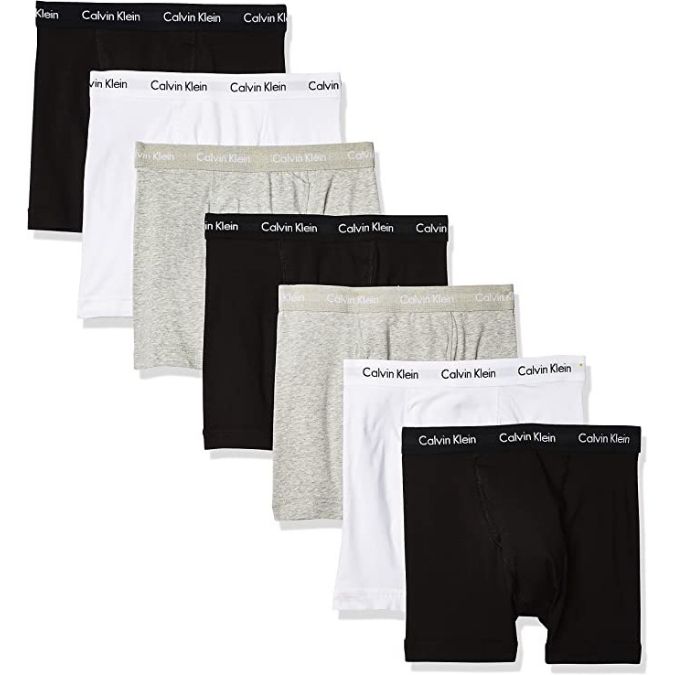
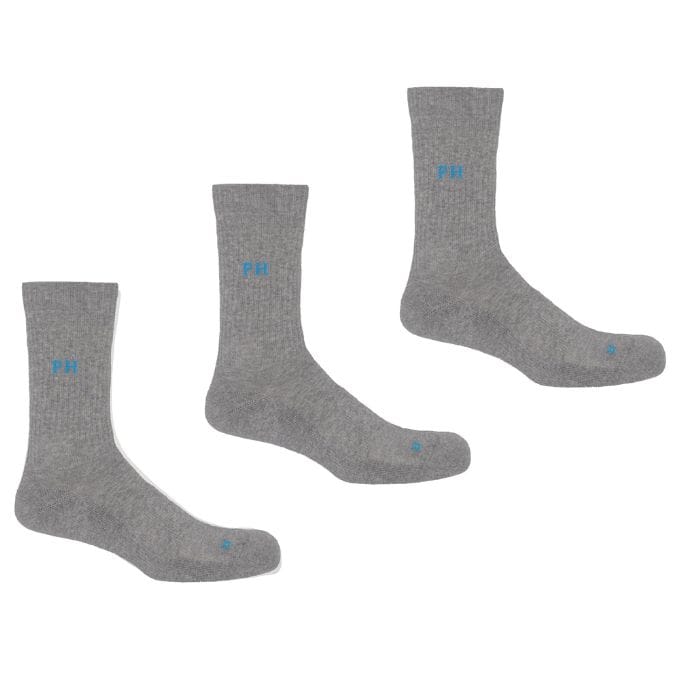
Often overlooked, these intimate items are crucial for comfort and hygiene. Opt for high-quality natural fabrics like cotton, prioritizing dark colors and excellent fit. While extreme measures like replacing underwear every six months (as reportedly done by Tom Ford) may not be practical for everyone, regular replacement of worn-out items—those with holes, sagging elastic, or general degradation—is essential for maintaining a sense of freshness and quality. Similarly, socks should be replaced when they show signs of wear, such as thinning or loss of elasticity.
T-Shirts
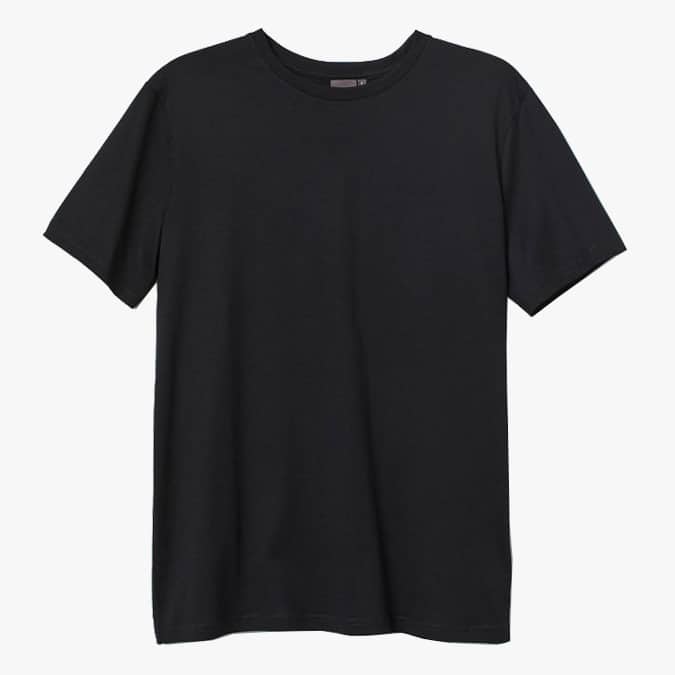
T-shirts are a wardrobe staple, but their proliferation can lead to wearing less-than-ideal options simply because they are clean. A discerning approach is key. Logos and graphic slogans tend to date quickly and can detract from a polished look. Instead, focus on solid block colors or classic patterns like Breton stripes. A good starting point includes a few white and black t-shirts, which serve as versatile bases, followed by accent colors that complement the existing palette.
Loungewear
While not strictly necessary for everyone, dedicated loungewear, such as comfortable pajamas or lounge shorts, can serve a dual purpose. Sleeping in these items means fewer everyday t-shirts are used for rest, preserving them for daily wear. Furthermore, the recent trend of incorporating loungewear into daywear demonstrates that well-designed pieces, especially those made from breathable materials like cotton or linen, can transcend their intended use. The key is to avoid novelty items and opt for understated, comfortable pieces.
Sweatshirt
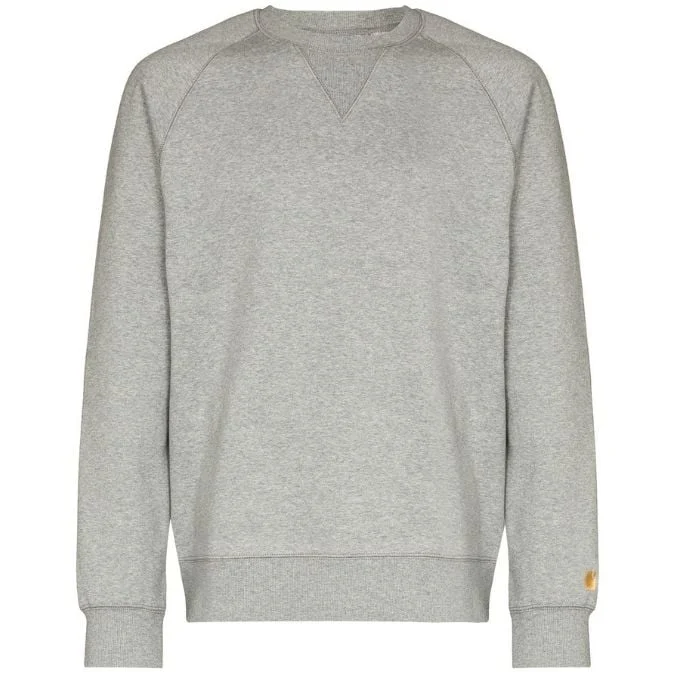
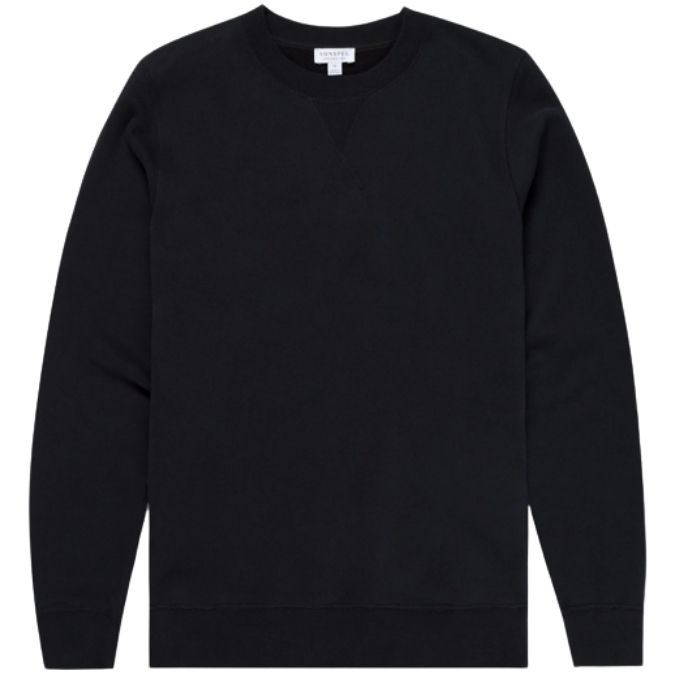
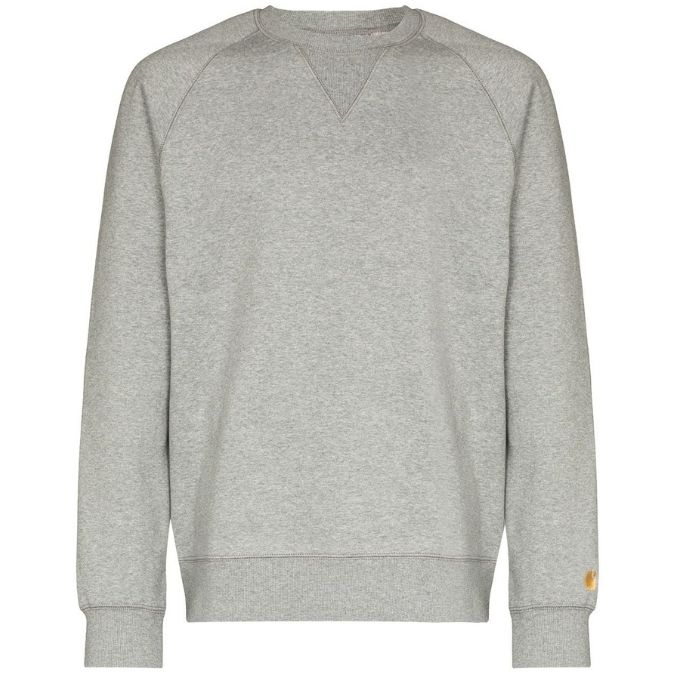
A well-chosen sweatshirt can be a versatile layering piece. The emphasis should be on sophisticated, logo-free designs in neutral colors like navy or black. A simple grey marl is also a classic choice. This type of sweatshirt bridges the gap between casual and smart-casual, pairing effectively with chinos for a JFK-inspired look or with joggers for a more relaxed aesthetic. The aim is to select a sweatshirt that can elevate casual outfits rather than simply serving as gym attire.
Minimalist Casualwear
The beauty of a capsule wardrobe lies in its ability to blur the lines between dressed-up and dressed-down. These pieces are designed to be adaptable, suitable for relaxed social gatherings as well as more refined indoor dining.
Jeans
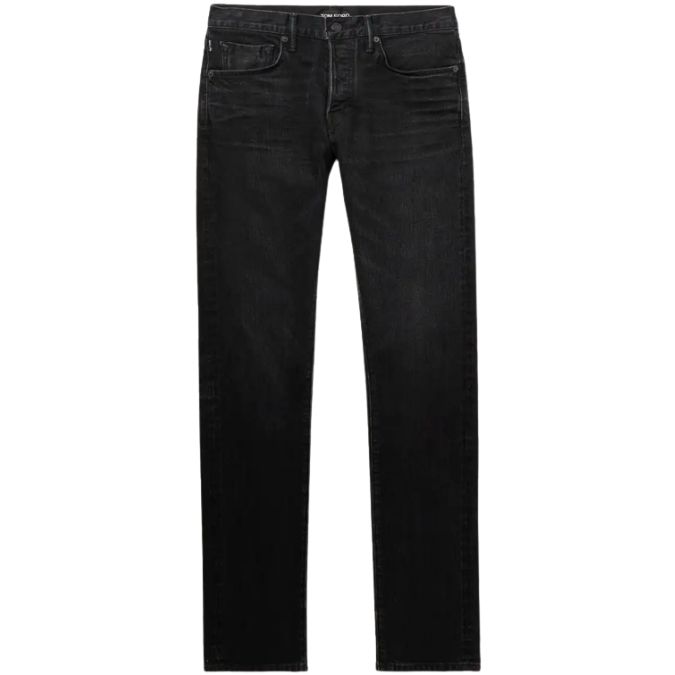
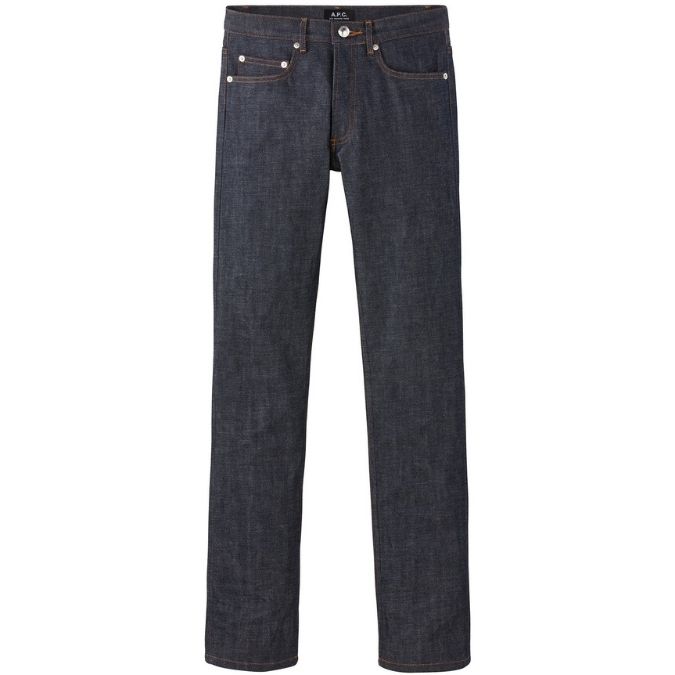
A pair of well-fitting jeans is indispensable. Dark washes, slim fits, and minimal detailing are hallmarks of versatile denim. Ideally, jeans should be crafted from selvedge denim, offering durability and a classic aesthetic. They should be sharp enough for dinner but resilient enough to withstand minor spills. Avoid pre-distressed or heavily faded styles, as these can limit their wearability. When rips inevitably occur, it’s a sign to invest in a new smart pair, preserving the older ones for more rugged, casual looks.
Oxford Shirts
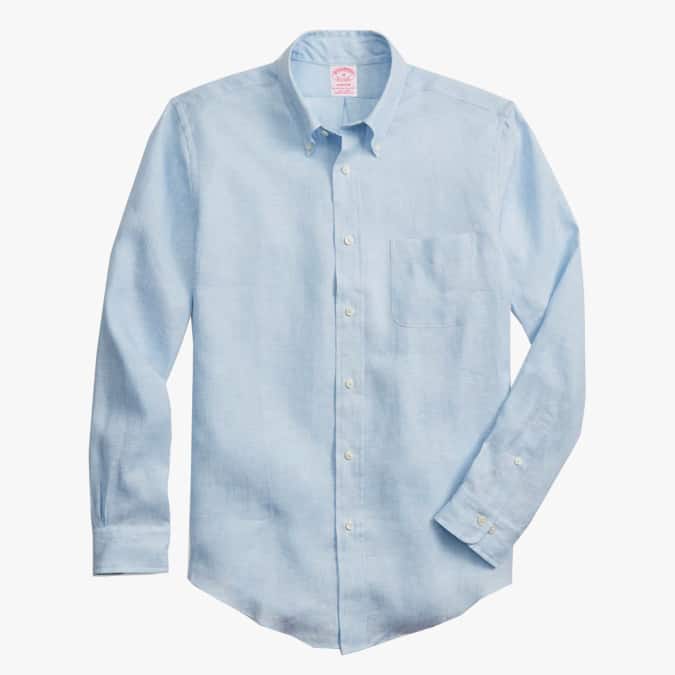
For shirts, simplicity is paramount. Block colors, preferably in neutral tones, offer the most versatility. Fit is arguably more critical than color. An Oxford shirt should be slim enough to layer comfortably under a jacket but not so tight as to restrict movement. It should also offer enough room to be worn unbuttoned over a t-shirt. Classic white and light blue are essential, with other neutral shades being valuable additions.
Chambray Shirt
A single chambray shirt can offer significant styling potential. The weight and texture of chambray can vary, from heavy, denim-like materials to finer weaves resembling a blue Oxford. A mid-weight option often strikes the right balance, providing a distinct texture from denim while remaining versatile enough to pair with jeans without appearing overly Western.
Wool Roll Neck
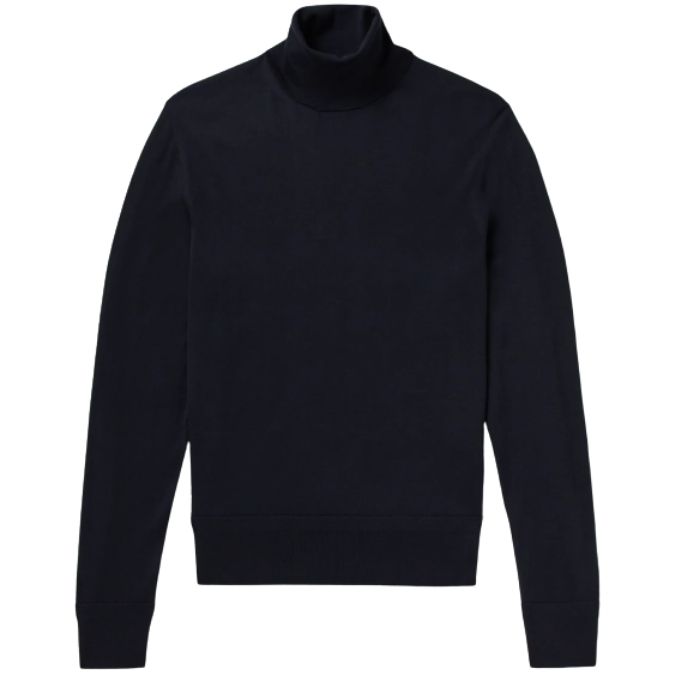
The wool roll neck is a stylish and functional piece that adds a touch of sophistication to any outfit. Its flattering silhouette makes it suitable for wearing under blazers, jackets, or even over a collared shirt. Black is a classic choice, offering maximum versatility. For those looking to expand, jewel tones like emerald green can add a subtle yet impactful accent. The roll neck provides warmth and elevates the overall look, making it a valuable addition to a minimalist wardrobe.
Polo Shirts
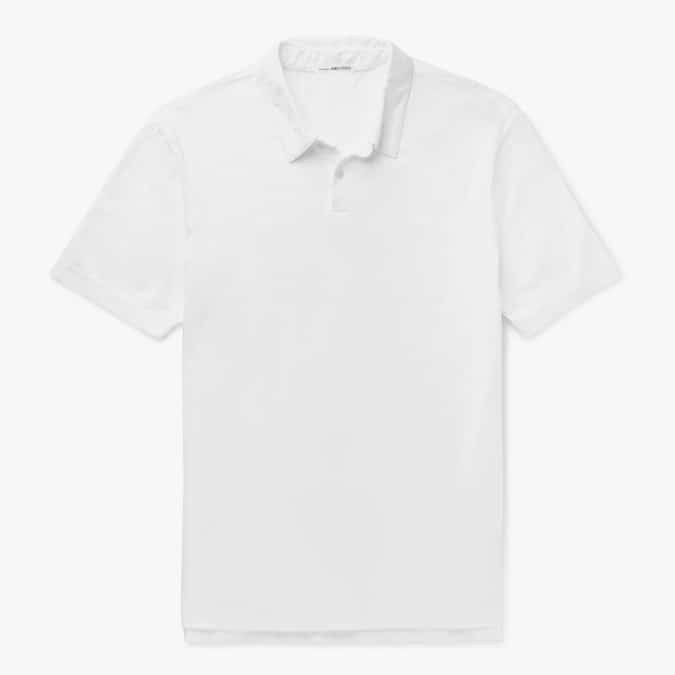
Sitting comfortably between t-shirts and button-down shirts, the polo shirt is a true wardrobe workhorse for smart-casual occasions. Starting with neutral colors ensures maximum compatibility with other garments. A well-fitting polo can dress down a blazer or smarten up a pair of jeans. Long-sleeved options often lend a more considered feel to an outfit. It is crucial to ensure the fit is correct; excessively baggy or tight polos can detract from the overall aesthetic.

Breton Top
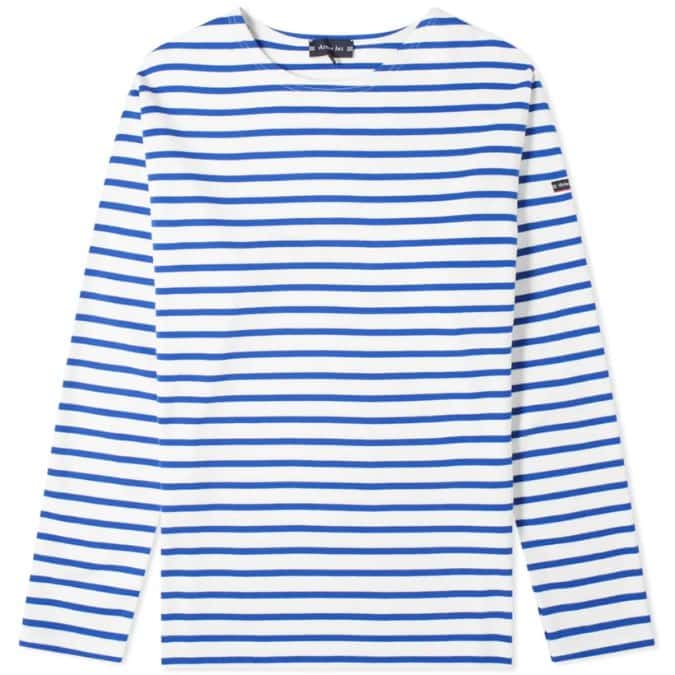
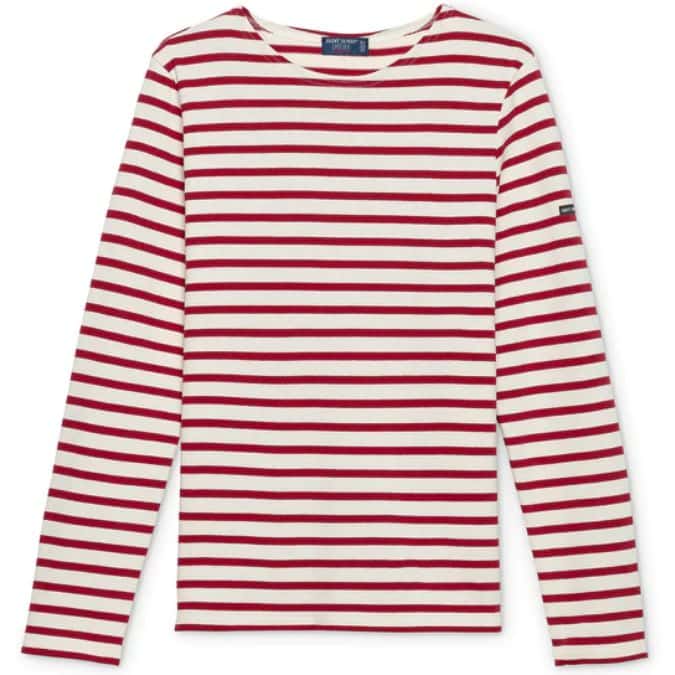
The classic Breton top, with its timeless stripes, offers a stylish yet understated option. Characterized by long sleeves and a specific number of stripes (often thirteen), it’s a versatile piece that functions similarly to a t-shirt but conveys a slightly more polished impression, especially when layered under a blazer. Brands like Saint James are renowned for their authentic Breton tops.
Knitted Jumpers
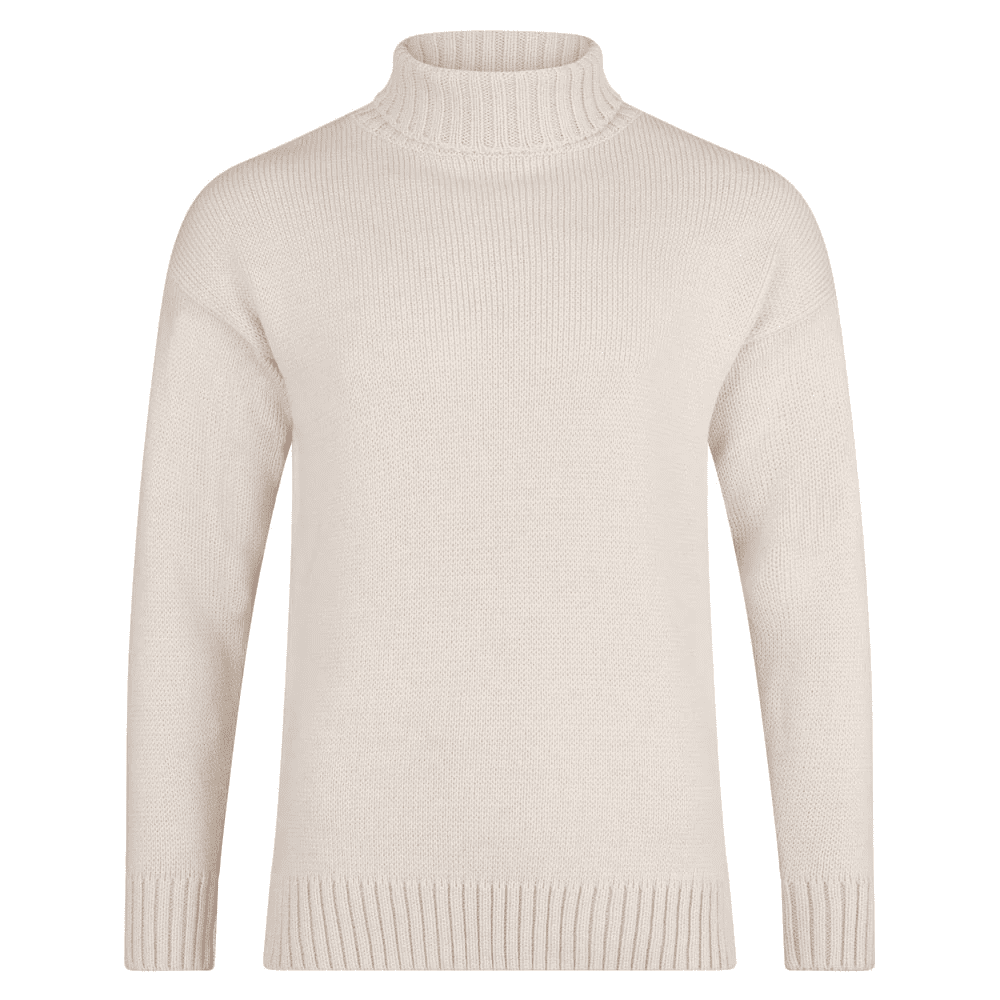
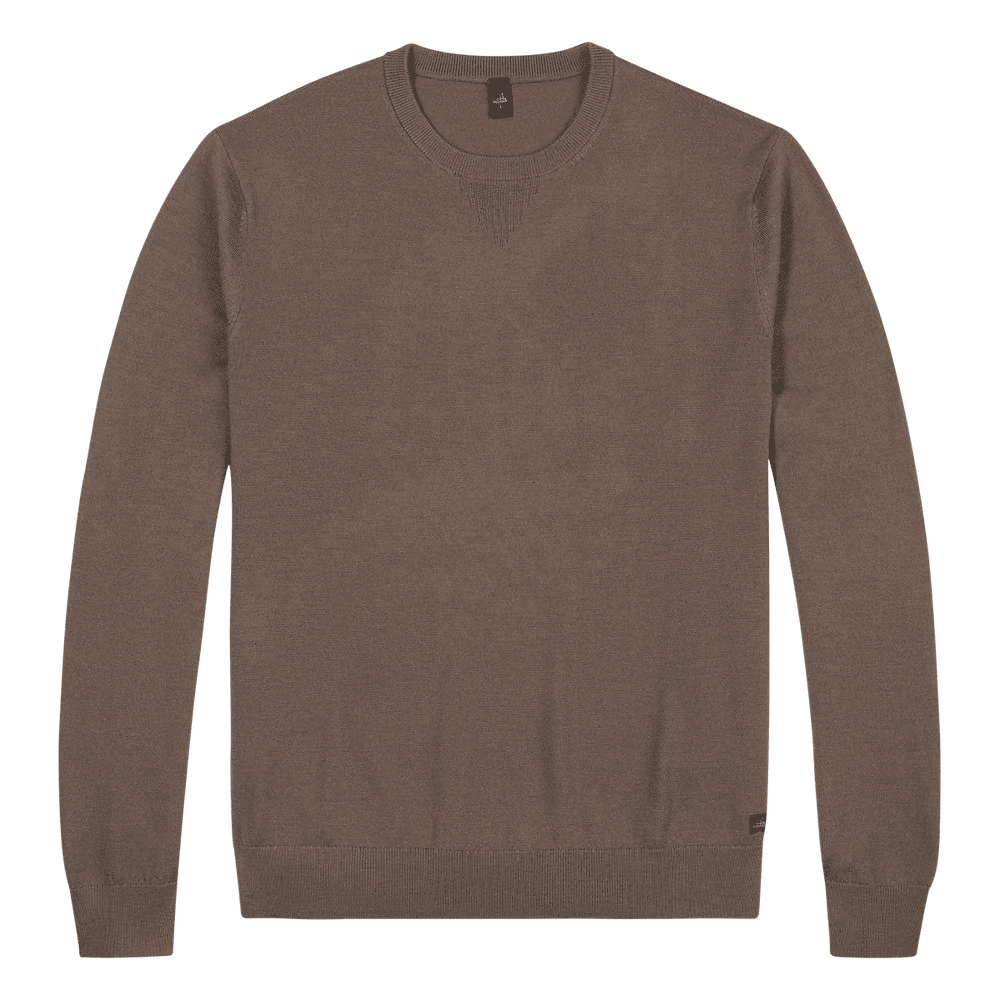
A minimalist wardrobe benefits from at least two key knitted jumpers: one lightweight option for layering under tailoring, and a heavier knit for colder weather. This layering capability allows for adaptation to varying temperatures. Sticking to neutral colors for these core pieces ensures maximum outfit potential. For additional jumpers, consider richer, autumnal tones like burgundy or mustard.
Tailored Shorts
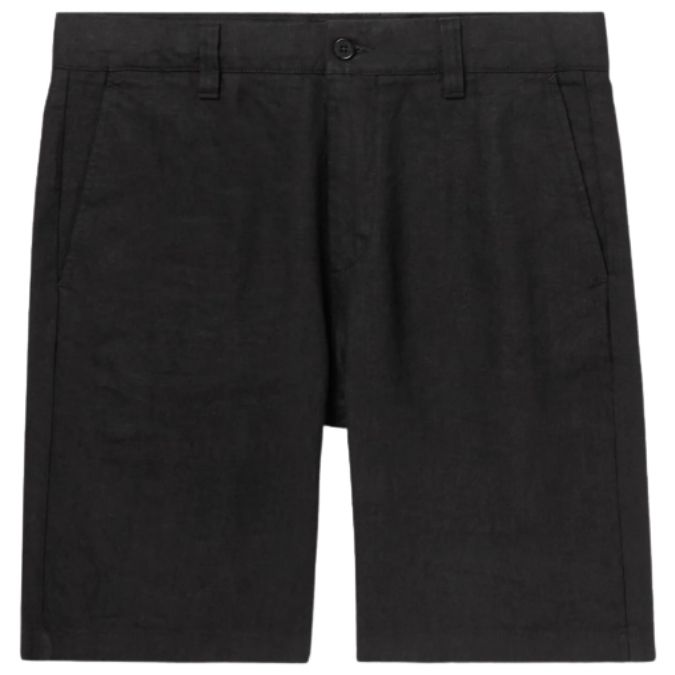
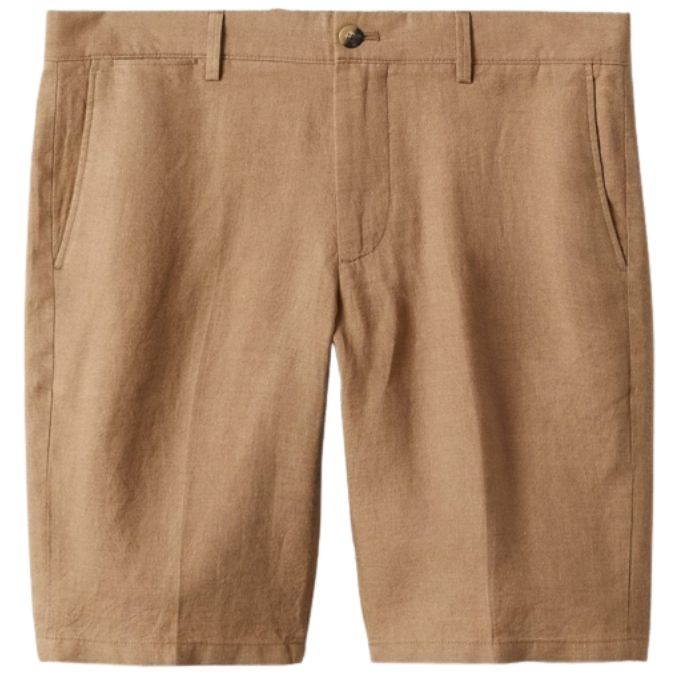
For warmer weather, tailored shorts offer a more refined alternative to athletic shorts. The key is a clean, tailored cut that ends an inch or two above the knee. This length remains timeless and avoids becoming dated by fleeting hemline trends. Muted colors ensure versatility and a sophisticated appearance.
Chinos
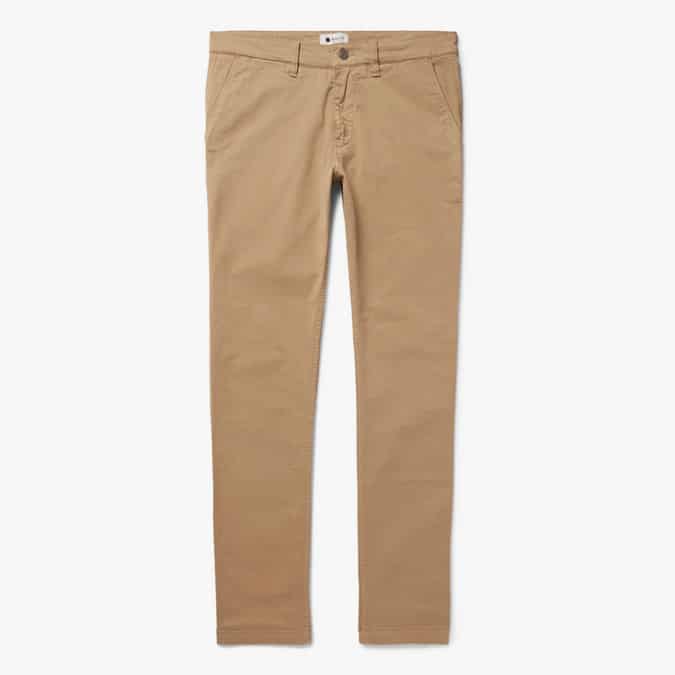
A pair of slim-fit chinos in tan and navy are essential. If considering a third pair, a wider leg cut, perhaps with pleats, offers a subtle nod to current trends while retaining a classic appeal that is likely to endure. This adds textural and silhouette variation to the wardrobe.

Swimwear
Investing in a pair of well-fitting, tailored swim shorts is a practical choice for holidays. These should be designed to look like regular shorts, allowing for seamless transition from the beach or pool to casual bars or restaurants. Opting for neutral colors ensures they coordinate with a range of casual tops.
Tailoring for a Capsule Wardrobe
Even for those who don’t frequently wear suits, a basic understanding of tailoring is beneficial. Investing in well-fitting tailored pieces, even if worn infrequently, can significantly elevate a man’s appearance.

Navy Suit
A two-button navy suit in a slim cut is a timeless investment. The trousers can often be worn as standalone pieces, substituting for chinos in smart-casual settings. If the suit is made from a textured fabric like hopsack, the jacket can even double as a blazer. This versatility makes a navy suit a cornerstone of a functional wardrobe.
Unstructured Blazer
An unstructured blazer offers a more relaxed and contemporary take on traditional tailoring. Lacking the internal padding of a structured jacket, it provides greater comfort and a more casual drape. This makes it ideal for layering over t-shirts, Breton tops, or even knitwear, bridging the gap between casual and formal wear.
Dress Shirts
The number of dress shirts required depends on the wearer’s lifestyle. For occasional formal events, a few high-quality white shirts may suffice. For those who wear suits more regularly, incorporating blue, pink, and subtly striped options can add variety. It’s important to note that dress shirts are designed to be tucked in and do not typically translate well to casual, untucked looks.
Summer Suit
While a lightweight navy suit can serve as a year-round option, a dedicated summer suit, perhaps in linen or a lighter-weight wool blend, is ideal for warmer months and occasions like summer weddings. Colors like pale grey or light tan are excellent choices for sunnier climates.
Dinner Suit
While less obligatory for many, a well-fitting dinner suit (tuxedo) is a valuable asset for formal events. Renting is often discouraged due to a typically poor fit and lower quality. Investing in a classic midnight blue or black tuxedo with satin lapels and trouser stripe, and ensuring it is properly tailored, guarantees it will be a go-to for formal occasions.
Grey Wool Trousers
Grey wool trousers offer significant versatility. They can be paired with a blazer, a suit jacket, or even dressed down with a sweatshirt or t-shirt. Slim-fit trousers with a minimal break can be styled in various ways, making them a sophisticated addition to any wardrobe, offering a subtle alternative to denim or chinos.

Ties
When selecting ties for a minimalist wardrobe, focus on texture rather than bold patterns. A selection of silk, linen, and knitted ties in versatile colors like forest green, burgundy, or classic navy provides options for different occasions and suit combinations.
Minimalist Outerwear and Jackets
Outerwear plays a crucial role in completing an outfit and providing protection from the elements. A few well-chosen pieces can offer extensive styling possibilities.
Overcoat
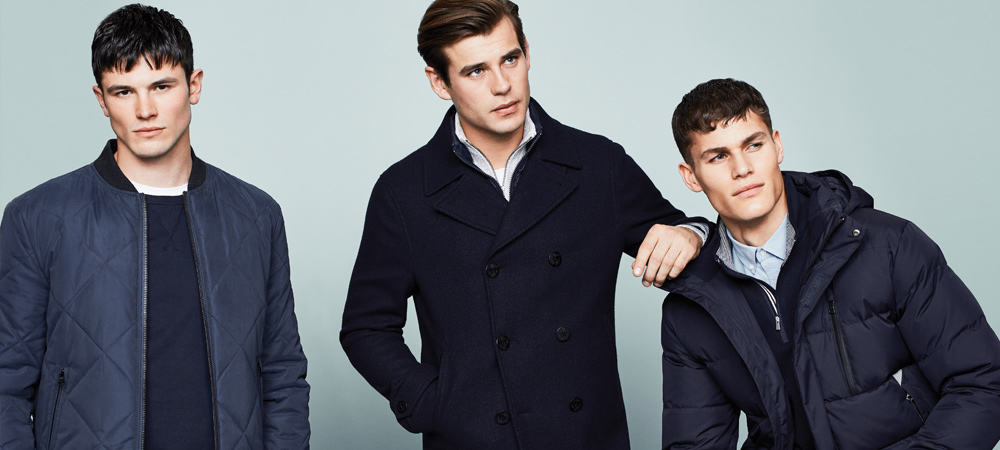
A high-quality overcoat is a worthwhile investment. While traditionally worn over suits, modern styling allows overcoats to be worn over more casual outfits like hoodies and jeans. A navy overcoat in a mid-thigh length is a classic choice that remains stylish and functional. Ensure there is sufficient room for layering underneath.
Bomber Jacket
The bomber jacket has transitioned from a trend to a wardrobe staple. Its military origins lend it a utilitarian aesthetic, with features like ripstop fabrics and chunky zippers. A well-fitting bomber jacket can serve as a statement piece around which an entire outfit can be built, offering a blend of casual cool and enduring style.
Denim Jacket
A denim jacket is a remarkably versatile piece, functioning as outerwear in warmer months and as an insulating layer under a heavier coat in colder weather. The key to its versatility lies in the fit: slim enough to layer, but not so tight that it restricts movement. A classic mid-wash blue denim jacket is a timeless choice.
Waterproof
A reliable waterproof jacket is essential for unpredictable weather. The style choice—whether a traditional trench coat or a more modern rubberized raincoat—can depend on the wearer’s overall style preference. Muted colors like tan or charcoal grey are practical as they coordinate with most outfits and are less prone to showing dirt.
Footwear
Footwear is critical to completing any look. While a pair of black dress shoes and white trainers might suffice for basic needs, a curated selection enhances personal style and ensures durability.
Black Oxfords
A pair of classic black Oxford shoes is a non-negotiable for formal occasions. Simple, unadorned styles with an almond toe are the most versatile. Proper care and polishing will ensure they remain a reliable option for years.

Brown Brogues
Brown brogues offer a slightly less formal alternative to Oxfords and pair well with both jeans and suits. A versatile chocolate brown shade is recommended. Minimal broguing is generally preferred to avoid an overly ornate appearance that can distract from the rest of the outfit.
White Sneakers
In contemporary fashion, clean white sneakers have become arguably the most essential footwear item for a minimalist wardrobe. They are exceptionally versatile, complementing everything from skinny jeans to tailored suits. Maintaining their cleanliness is key to their aesthetic appeal.
Boots
Boots add a different dimension to footwear. While less universally adaptable than other shoe types (work boots typically don’t pair with suits, and some Chelsea boots can look awkward with jeans), a well-chosen pair, such as desert boots, can be a reliable option that rarely looks out of place.
The Finishing Touches
Accessories and personal grooming are the final elements that elevate a minimalist wardrobe from functional to truly stylish.
Fragrance
A signature scent can significantly enhance personal style. Whether one prefers a single, enduring fragrance or a rotation based on mood, citrus notes are generally a safe and pleasing choice. Varying scents between day and night can subtly alter one’s perception of their attire and overall presence.
Watches
While extensive watch collections are not necessary for a minimalist approach, one versatile watch can serve many purposes. A simple three-hand watch pairs well with both suits and casual wear. Alternatively, investing in interchangeable straps (leather and nylon) can offer variety without requiring multiple timepieces.
Umbrella
A practical and stylish umbrella is a functional accessory. Opt for a robust design with a wooden handle and a classic color or subtle pattern that won’t clash with outfits. The key is durability and ensuring it’s not misplaced.
Bags
Functionality should lead aesthetic considerations when choosing bags. A backpack often offers more versatility than a briefcase for daily use, while a tote bag strikes a balance. Leather options suit more dressed-up styles, whereas technical fabrics like nylon are better for casual wear. The color should ideally coordinate with frequently worn shoes.
Sunglasses
A pair of classic Wayfarer sunglasses is a universally flattering and timeless choice. If prone to losing accessories, opting for more affordable, current frames allows for experimentation without significant financial risk.
Jewellery
Jewellery in a minimalist context should serve as an accent rather than a focal point. A simple chain necklace or subtle rings can enhance an outfit without overwhelming it. The aim is to add a personal touch that complements, rather than dominates, the overall look.