







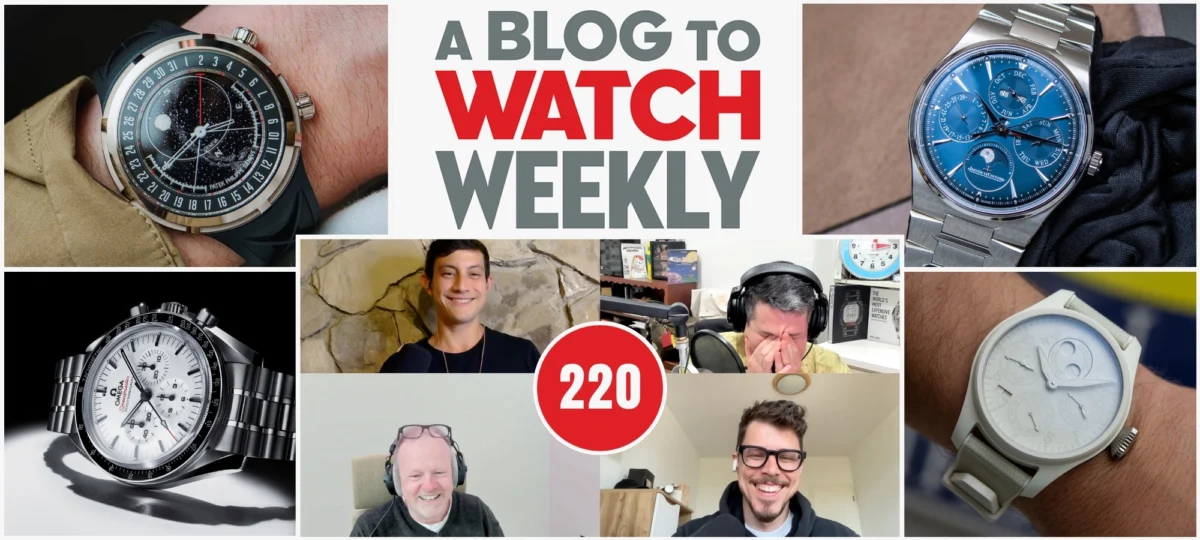
This week on aBlogtoWatch Weekly, the team engaged in a robust discussion dissecting one of the most pressing issues confronting the contemporary watchmaking landscape: pricing. As luxury marques continue to escalate their price points, and concurrently, the burgeoning success of microbrands offering exceptional value, the panelists—Ariel Adams, Rick, Ripley, and David—delved into whether the industry has, in fact, become detached from the passions of its enthusiasts. Their conversation spanned the economic underpinnings of events like the Windup Watch Fair, the persistent momentum of smaller brands, and the long-term viability of current luxury watch pricing strategies.
The Escalating Price of Luxury and the Rise of Value
The conversation began by directly addressing the persistent upward trend in luxury watch prices. Over the past decade, a significant number of established brands, particularly those in the Swiss haute horlogerie sector, have witnessed substantial price increases across their product lines. This phenomenon is not merely anecdotal; data from market analysis firms consistently shows a widening gap between the average retail price of luxury watches and the inflation-adjusted incomes of many potential consumers. For instance, reports from industry consultants have indicated an average annual price increase of 5-10% for many high-end timepieces, far outpacing general inflation rates in most developed economies.
This trend has created a bifurcated market. On one end, demand for certain highly sought-after models, especially from brands like Rolex, Patek Philippe, and Audemars Piguet, has remained exceptionally strong, leading to significant secondary market premiums. This perceived scarcity and desirability have, in turn, enabled these brands to further justify higher retail prices. On the other end, a growing segment of watch enthusiasts is actively seeking out more accessible alternatives that offer compelling design, robust features, and quality craftsmanship without the stratospheric price tags.
The Microbrand Phenomenon: Delivering Value and Building Community
The rise of microbrands has been a direct response to this pricing dynamic. These smaller, often digitally native companies have successfully carved out a significant niche by offering watches that punch well above their weight class in terms of specifications and aesthetics. Their lean operational models, direct-to-consumer sales strategies, and focus on community engagement allow them to bypass traditional retail markups and marketing expenses.
The Windup Watch Fair, mentioned by the aBlogtoWatch team, serves as a prime example of this shift. Originating as a platform for independent and microbrands to connect directly with consumers, the fair has grown in scale and influence, attracting thousands of attendees and showcasing hundreds of brands. Its success underscores the strong consumer appetite for well-made, affordably priced watches and the desire for a more intimate connection with the brands that produce them. Data from past Windup Watch Fair events indicates a consistent increase in exhibitor participation and visitor numbers year-over-year, reflecting the growing importance of this segment of the market.
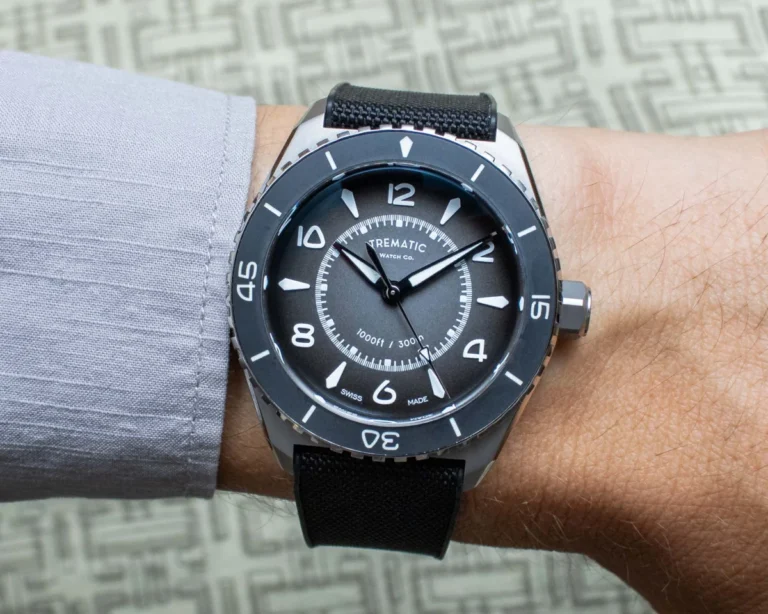
The economics behind such fairs are crucial. By minimizing overheads associated with large-scale, multi-brand retail stores or extensive advertising campaigns, microbrands can reallocate resources towards product development and quality. This allows them to offer features like sapphire crystals, ceramic bezels, automatic movements from reputable suppliers (such as Miyota or Seiko), and even complications like GMT functions or chronographs at price points that were previously unimaginable for similar specifications from established luxury houses.
IWC’s Luminous Perpetual Calendar: A Symbol of Luxury Excess?
The discussion also touched upon a specific, attention-grabbing release from Watches and Wonders: IWC’s fully luminous ceramic perpetual calendar. This timepiece, which quickly garnered the informal moniker "the 80K hockey puck" due to its aesthetic and price point, sparked a debate about the boundaries of luxury watchmaking and the justification for such high costs.

The perpetual calendar complication itself is a marvel of mechanical engineering, requiring intricate gearing to automatically track the date, day, month, and leap year cycle for centuries without manual intervention. However, when combined with a fully luminous ceramic case, the watch enters a realm of extreme specialization and, for many, perceived extravagance. The development of such a case involves advanced material science and manufacturing processes, contributing to its high cost.
The "80K hockey puck" serves as a focal point for the broader conversation about "luxury excess." While enthusiasts appreciate the technical prowess and innovative materials, the question arises whether such extreme price points are driven by genuine innovation and demand, or by a brand’s confidence in its established name and the market’s willingness to pay a premium for perceived exclusivity. The aBlogtoWatch panel’s reaction, framing it as a potential symbol of the industry "losing touch," highlights this tension.
The Economics of "Because They Can"
This leads to a critical question: are some brands simply charging higher prices because the market, particularly the segment driven by investment and status, allows them to? The historical performance of certain luxury watches as alternative assets, appreciating in value over time, has fueled this perception. This has created a cycle where high prices are not only tolerated but sometimes expected, especially for models with a proven track record of value retention or appreciation.
However, this strategy carries inherent risks. It can alienate a generation of younger enthusiasts who are entering the market with a different set of values, prioritizing accessibility, innovation, and a sense of authenticity. While the ultra-luxury segment may remain robust, the broader appeal and long-term health of the industry could be jeopardized if it fails to cultivate and retain a wider base of passionate collectors and enthusiasts.
The sustainability of current luxury watch pricing strategies is therefore a pertinent concern. While the demand for iconic pieces may persist, the ability of the average enthusiast to participate in the market is diminishing. This could lead to a contraction in the enthusiast community over the long term, as fewer individuals can afford to engage with the hobby.
Beyond the Price Tag: The Broader Implications
The discussion on aBlogtoWatch Weekly goes beyond mere price points; it touches upon the very soul of the watch industry. The growing momentum of smaller brands and the enthusiasm surrounding events like the Windup Watch Fair suggest a desire for greater transparency, innovation, and genuine connection between brands and their customers.
The implications of this pricing dichotomy are multifaceted:
- Innovation vs. Stagnation: If brands focus solely on incremental price increases and marketing to an exclusive clientele, it could stifle genuine innovation in design and technology aimed at a broader market. Conversely, the pressure from value-oriented brands might force established players to re-evaluate their offerings and pricing structures.
- Collector Base Evolution: The future of watch collecting may see a shift. While the high-end market will likely remain strong, the enthusiast base could become increasingly bifurcated between those who can afford the stratospheric prices and those who engage with more accessible, yet equally passionate, segments of the market.
- Brand Loyalty and Perception: Brands that are perceived as excessively opportunistic in their pricing risk alienating loyal customers and damaging their long-term brand equity. Conversely, brands that demonstrate a commitment to value and community building are likely to foster stronger, more enduring relationships with enthusiasts.
The conversation on aBlogtoWatch Weekly serves as a timely reminder that the watch industry, while steeped in tradition, must adapt to evolving consumer expectations and economic realities. The balance between heritage, luxury, and accessibility is a delicate one, and the ongoing debate about pricing will undoubtedly continue to shape the future of horology. The "Brand Wheel of Death," a metaphorical concept discussed by the panelists, likely refers to the potential pitfalls brands face when misjudging market sentiment or overreaching in their pricing strategies. Similarly, David’s recurring technological challenges highlight the ongoing need for seamless integration of modern communication tools in the podcasting space, a subtle nod to the industry’s own evolution in presenting its content.