








Navigating the somber occasion of a funeral often brings forth practical, yet sensitive, questions about appropriate attire. While not a fashion event, dressing respectfully is a crucial aspect of showing consideration for the deceased and their grieving family. This guide offers comprehensive advice on funeral attire for men, focusing on timeless pieces that convey respect and solemnity, while also highlighting what to avoid.
The Foundation of Respectful Funeral Attire
The primary objective when selecting funeral attire for men is to project a sense of decorum and respect. This is less about adhering to rigid fashion rules and more about demonstrating an understanding of the gravity of the occasion. The unspoken consensus across many cultures dictates a preference for subdued colors and conservative styles. This approach ensures that the focus remains on remembrance and support for the bereaved, rather than on individual sartorial statements.
Key Pieces for a Respectful Ensemble
The Black Suit: A Timeless Staple
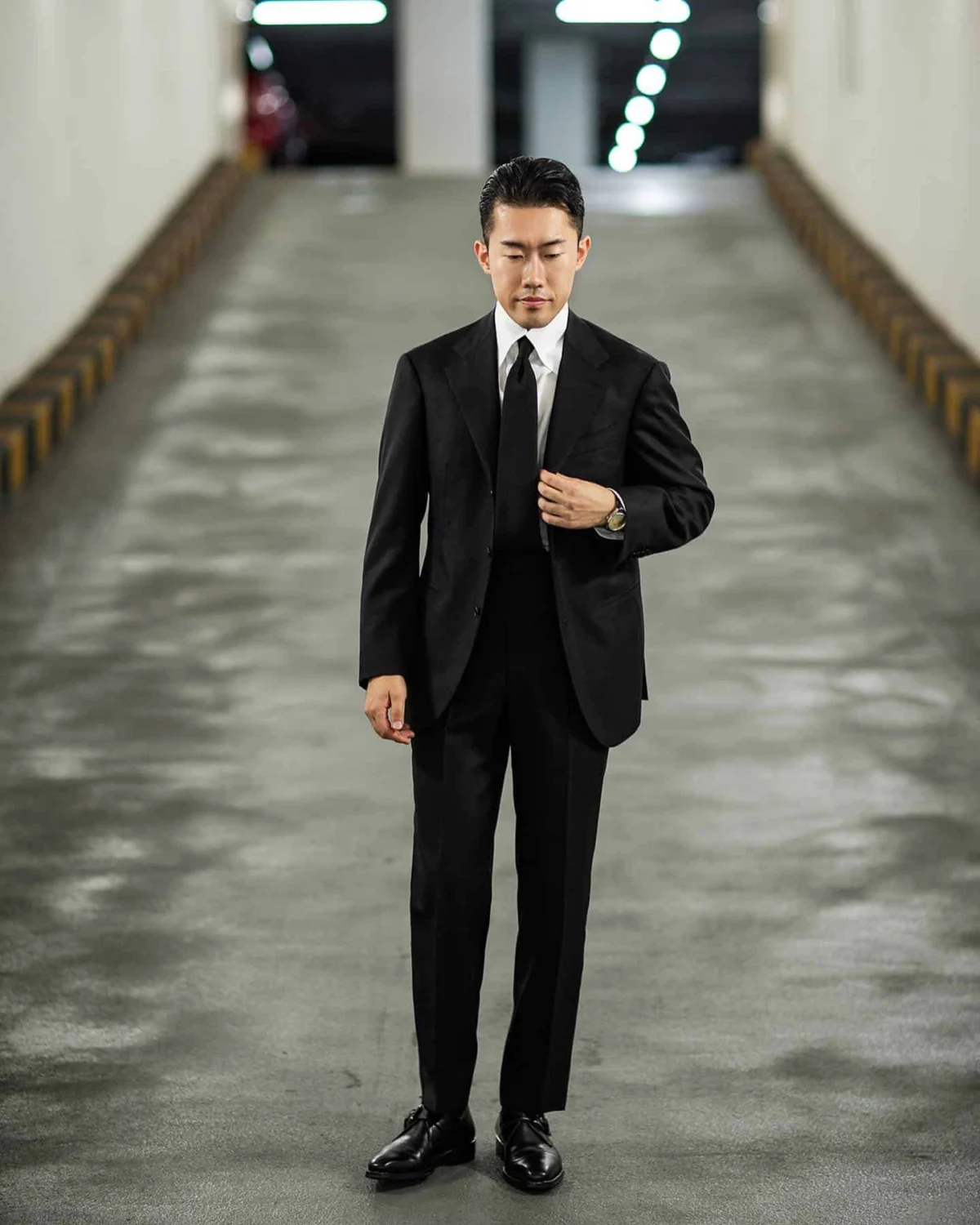
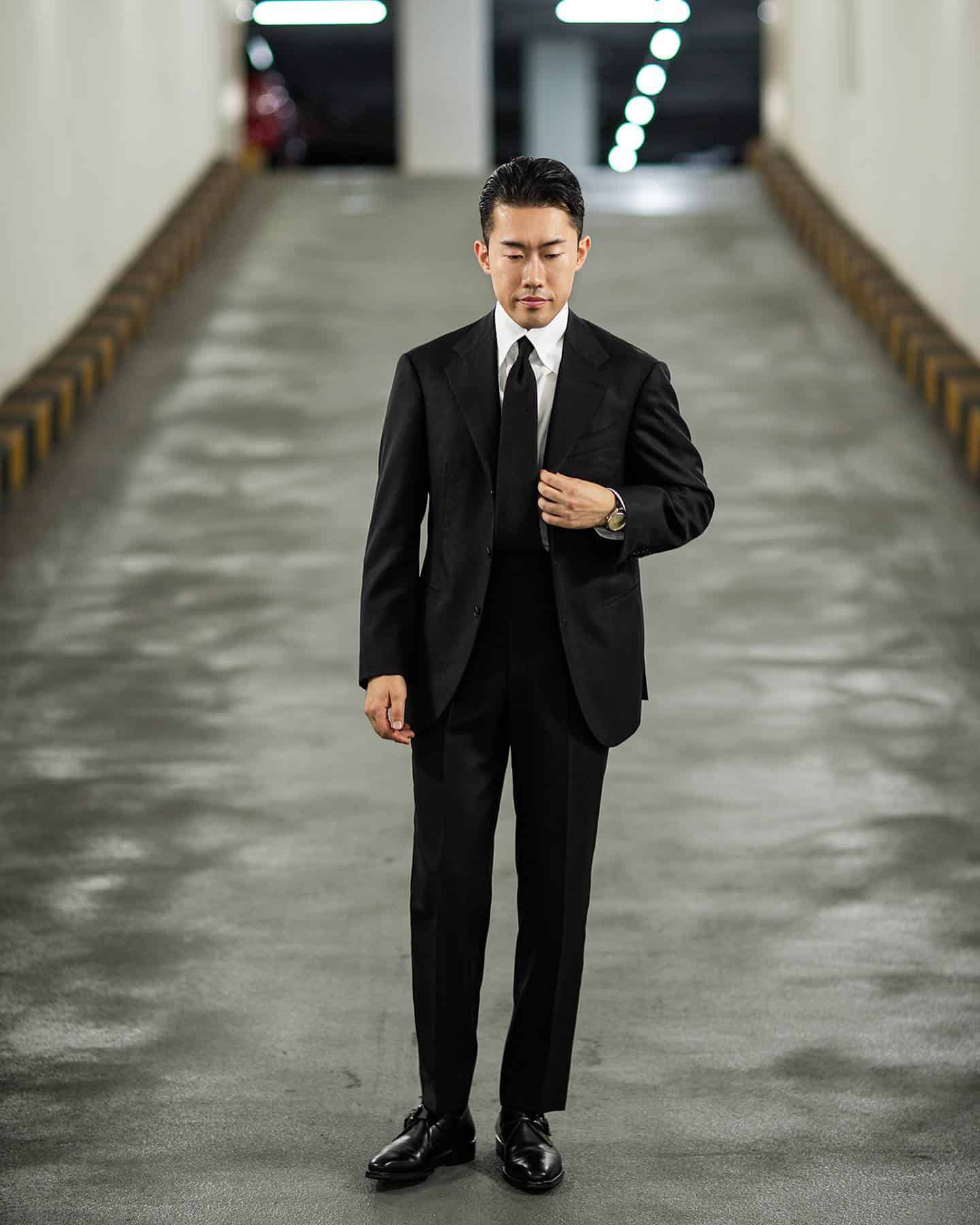
The black suit stands as the quintessential choice for men attending a funeral. Its inherent formality and deep, solemn color make it a universally accepted symbol of mourning. While charcoal gray and dark navy suits are often considered acceptable alternatives, black remains the most traditional and safest option. The versatility of a well-fitting suit extends beyond funerals; it’s a cornerstone of a man’s wardrobe, suitable for various formal events such as business meetings, job interviews, and elegant social gatherings.
For a polished appearance, pair a slim-fit black suit with a crisp white dress shirt. The choice of shirt is critical; a fine twill weave offers a subtle texture that elevates the ensemble. A plain black tie is a classic accompaniment, but it is optional. Ensuring the shirt is impeccably pressed is paramount. When it comes to shirt cuffs, opt for single cuffs, as double cuffs are generally reserved for more celebratory occasions like weddings. The addition of a sophisticated timepiece can complete the look, adding a touch of understated elegance without being ostentatious.
The White Dress Shirt: An Essential Canvas
The white dress shirt is a remarkably versatile garment, suitable for an almost endless array of occasions. Its clean, crisp aesthetic makes it an indispensable item for both formal and semi-formal events, including funerals. A white dress shirt possesses the ability to unify an outfit, providing a clean and refined base.
A fine twill white shirt, when paired with black trousers and smart shoes, creates a dignified ensemble. The simplicity of the white shirt allows for the other elements of the attire to take precedence, ensuring a balanced and respectful presentation. The importance of a well-pressed shirt cannot be overstated; it signifies attention to detail and care.
Dark Knitwear: For Comfort and Layering
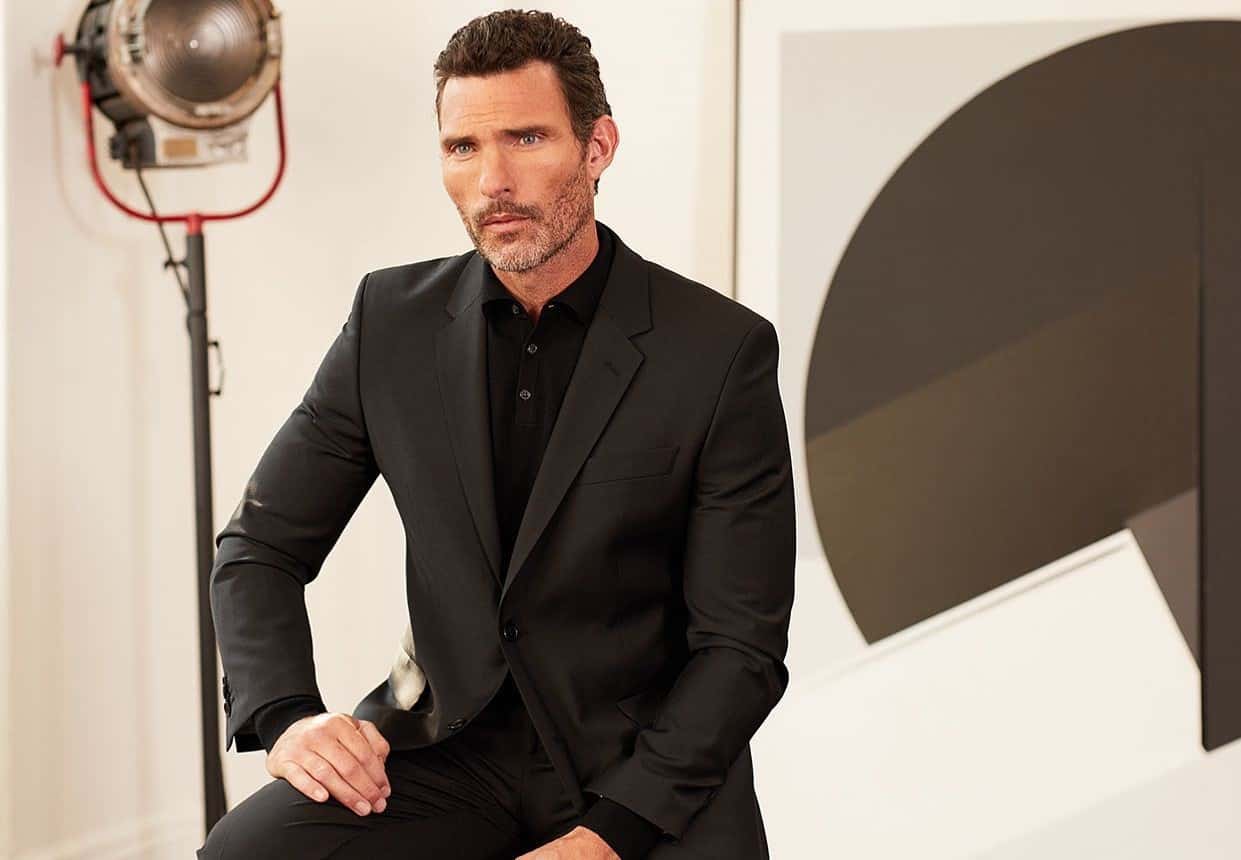
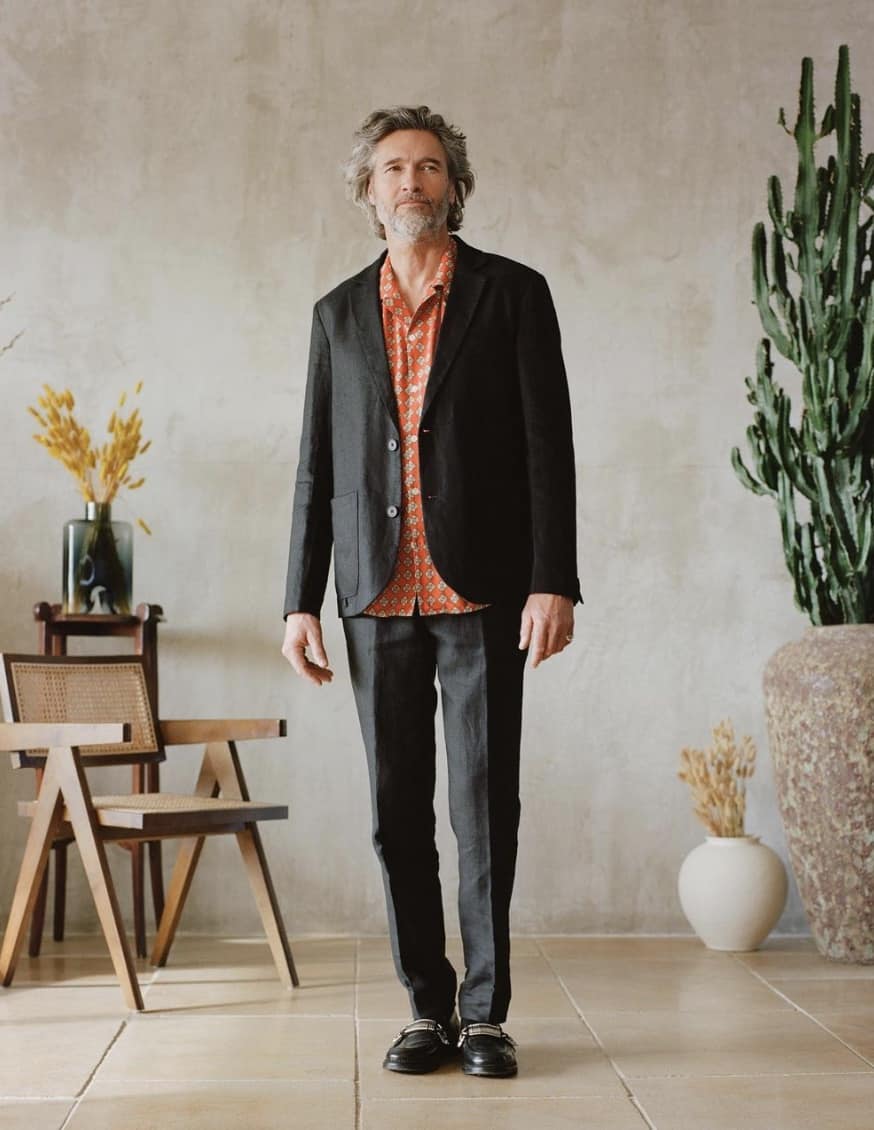
While a suit is often the preferred choice, there are instances where a more relaxed yet still respectful approach is appropriate, or when the weather necessitates additional warmth. Dark knitwear, particularly in fine-gauge materials, can serve as an excellent layering option. Black or dark gray are the most suitable colors, and it is advisable to steer clear of busy patterns or prominent branding. The fit should be tailored, skimming the body rather than being overly loose.
Options such as half-zip sweaters, V-necks, and turtlenecks can all be appropriate. The classic crew neck, however, offers a timeless appeal. Merino wool sweaters, known for their breathability and warmth, are particularly well-suited for year-round wear and can be layered effectively over a button-down shirt. This choice offers a subtle departure from the formal suit while maintaining a level of respectability.
Tailored Trousers: A Versatile Foundation
Tailored trousers are a fundamental component of any well-rounded male wardrobe. They are particularly useful when considering funeral attire, offering a more refined alternative to jeans. When paired with a formal shirt and appropriate shoes, they create a smart and respectful look. Alternatively, they can be dressed down slightly with a knitted sweater for a less formal, yet still appropriate, ensemble.
Finding the perfect pair of tailored trousers can be a challenge, but brands known for their quality and classic styling, such as Paul Smith, often provide excellent options. Trousers with a slightly tapered fit offer a flattering silhouette. The comfort provided by materials like a cotton-elastane blend can be a significant advantage, especially during long services. These trousers are also highly versatile, transitioning seamlessly to casual wear.

The Overcoat: Practicality Meets Sophistication
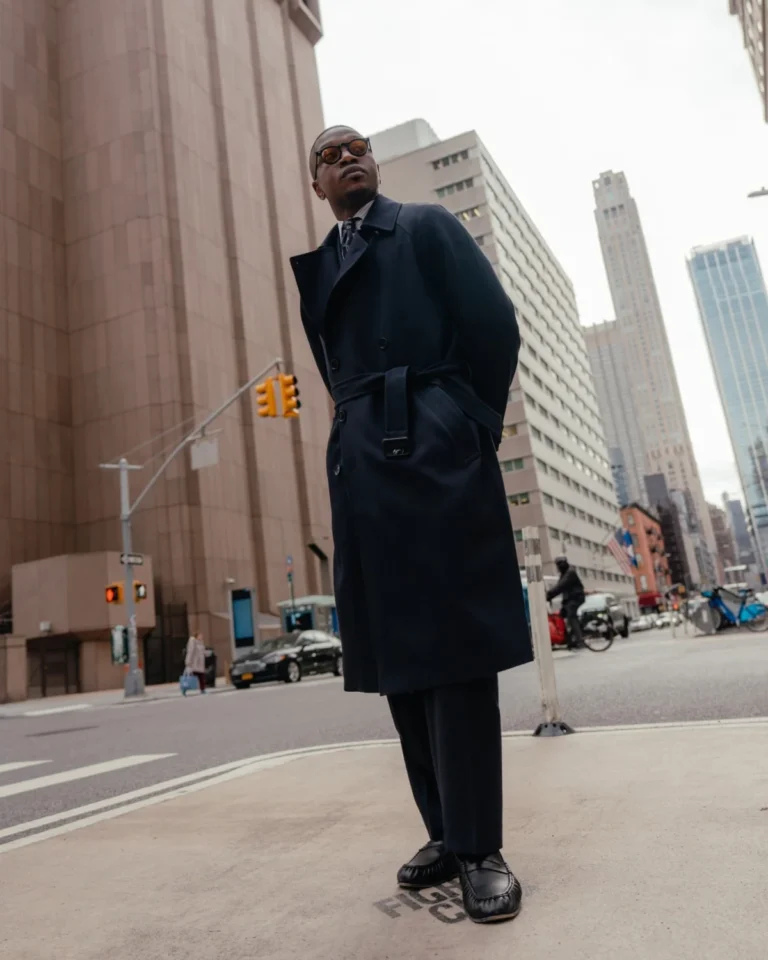
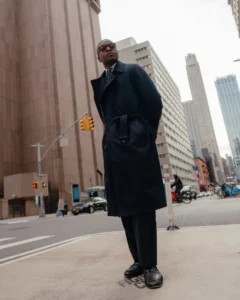
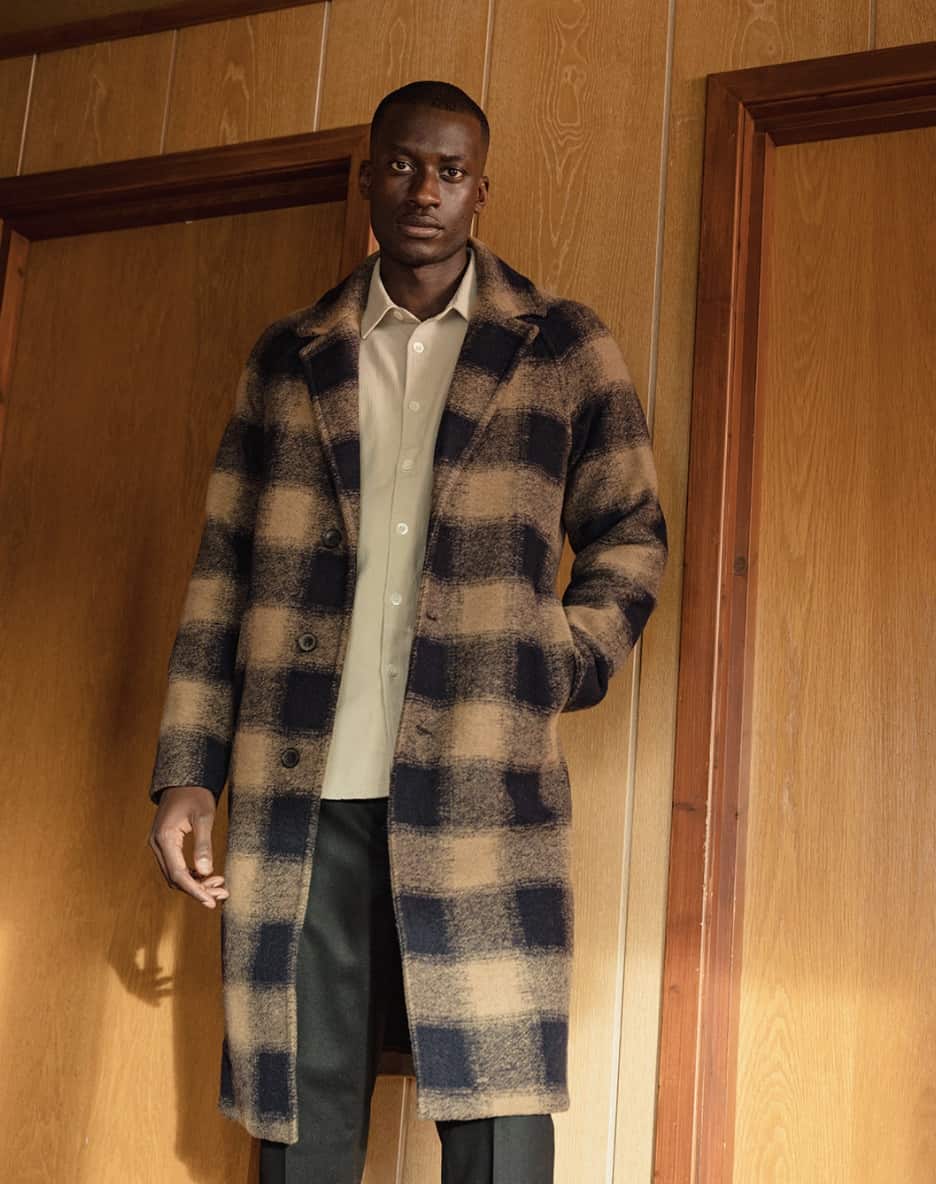
In cooler months or inclement weather, an overcoat becomes an essential accessory for funeral attire. It provides warmth and protection from the elements while maintaining a polished appearance. Dark, neutral colors are best, with navy or charcoal being excellent choices that complement black attire.
A wool-blend overcoat offers both warmth and a sophisticated drape. It can be worn over a suit or layered with a turtleneck sweater. The style of the overcoat should be classic and understated, avoiding overly trendy designs. Leaving it unfastened when indoors is acceptable, but buttoning it up in colder weather ensures both comfort and continued sartorial appropriateness.

Black Shoes: The Finishing Touch
Footwear plays a crucial role in completing a respectful funeral ensemble. As the saying goes, one can gauge a lot about a man by his shoes. Turning up in worn-out or casual footwear can detract from the solemnity of the occasion.
The most appropriate choice for funeral footwear is a pair of black cap-toe Oxford shoes. These shoes exude elegance and formality. It is essential that they are well-polished, reflecting a commitment to presentation. When worn with a suit or a smart shirt and trousers, black Oxfords provide a polished and respectful finish to the overall look.

What to Avoid: Navigating the Don’ts of Funeral Attire
Sneakers: A Casual Misstep
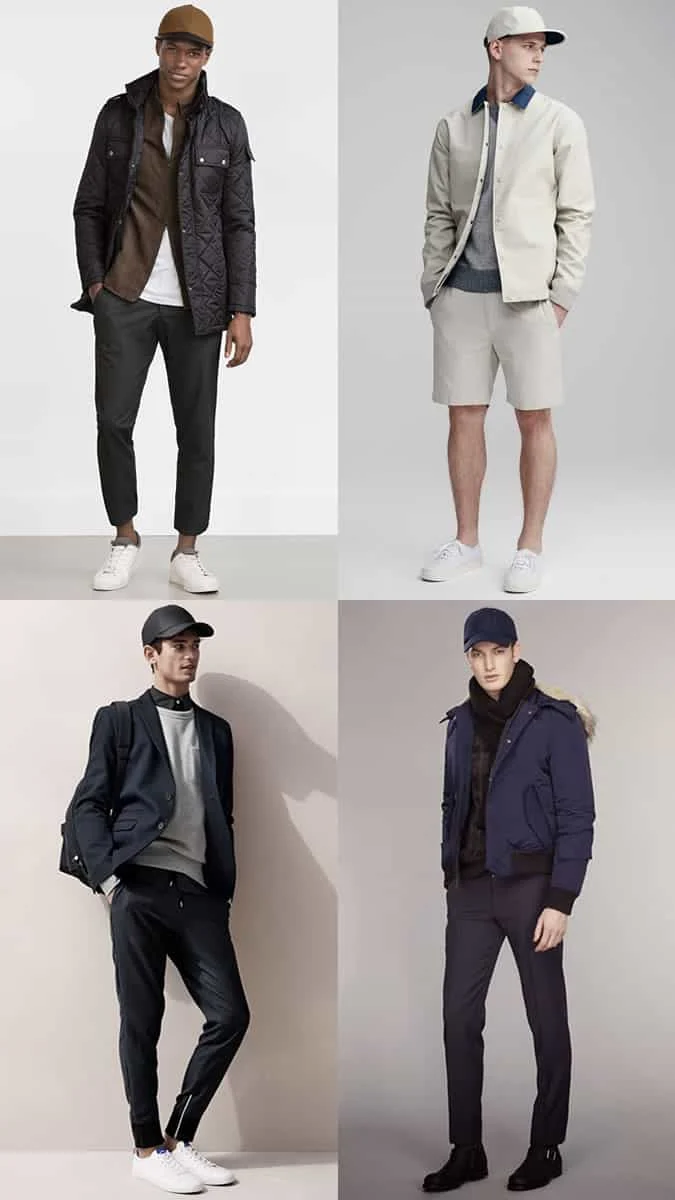
While sneakers have become a staple in many wardrobes, they are generally inappropriate for funeral services. Their casual nature clashes with the somber atmosphere. Unless specifically requested by the family, it is best to reserve sneakers for more informal settings. Even low-profile, dark-colored sneakers can be perceived as disrespectful.
T-shirts: Subtlety is Key
T-shirts, particularly those with bold graphics or a baggy fit, are unsuitable for funerals. The occasion calls for understated attire that reflects sensitivity to the loss. While a plain black, well-fitted t-shirt might be acceptable in certain informal contexts, it is generally best to opt for a dress shirt or a fine-gauge knit.

Jeans: Generally Unsuitable
Jeans are typically considered too casual for funeral services. While dark, slim-fitting jeans might be permissible in some very relaxed settings, formal trousers are the preferred choice. Baggy, ripped, or heavily embellished denim should be strictly avoided.
Flip-flops: An Obvious Exclusion
Flip-flops are arguably one of the least appropriate footwear choices for a funeral. Their casual nature, and the distracting noise they can create, make them entirely unsuitable for a solemn occasion. Smart, closed-toe shoes are essential.

Scruffy or Ill-Fitting Items: The Importance of Presentation
A funeral is not the time for worn-out or ill-fitting clothing. Items should be clean, pressed, and free from any damage. Ensuring shirts are tucked in, shoes are polished, and ties are of the correct length (tip reaching the belt buckle) demonstrates respect for the occasion and the family.
Broader Considerations for Funeral Attire
Time of Year and Weather
The season and prevailing weather conditions naturally influence clothing choices. Summer funerals may call for lighter fabrics and fewer layers, while winter services might require the addition of scarves, gloves, and warmer overcoats. The key is to dress appropriately for the weather while maintaining a respectful appearance.

Family Wishes and Cultural Norms
It is crucial to be aware of any specific requests or dress codes communicated by the deceased’s family. Some families may request attendees wear black, while others might encourage a celebration of life with brighter attire. Respecting these wishes is paramount. Cultural traditions can also influence funeral dress codes, and it is advisable to be mindful of these variations.
The Principle of Respect
Ultimately, the guiding principle for funeral attire is respect. This means choosing simple, timeless pieces that are unlikely to be perceived as inappropriate. The goal is to show support and remembrance, not to make a fashion statement. Revealing clothing, large logos, and anything that draws excessive attention should be avoided. The color palette should generally remain monochrome, unless specific instructions suggest otherwise.

Conclusion
Attending a funeral is an act of respect and support. By adhering to a dress code that emphasizes solemnity, dignity, and consideration for the grieving family, men can ensure their attire reflects the gravity of the occasion. The cornerstone of this respectful presentation lies in classic, well-fitting garments in subdued colors, prioritizing comfort and appropriateness above all else. When in doubt, it is always better to err on the side of conservatism and choose attire that conveys genuine respect and empathy.