








The 1980s, often characterized by its vibrant pop culture and economic boom, represented a pivotal era in the evolution of the gentleman’s Every Day Carry (EDC). Far from merely a decade of neon and synth-pop, it was a period where traditional sartorial elegance began to intersect with groundbreaking technological advancements, shaping a daily ensemble that was both refined and increasingly sophisticated. This article delves into the quintessential items that defined a man’s pocket and briefcase during this transformative decade, offering insights into the cultural, economic, and technological forces that dictated their necessity and appeal. From the rise of iconic eyewear to the first whispers of portable communication, the 80s EDC provides a fascinating microcosm of a society on the cusp of a digital revolution, all while upholding standards of classic professionalism.
The Dawn of Personal Style and Accessible Technology

The 1980s ushered in an era of pronounced individualism and consumerism, heavily influenced by media and a burgeoning global economy. This shift was keenly reflected in the items men chose to carry, blending enduring symbols of status with newfound technological conveniences.
Sunglasses: The Icon of the Silver Screen
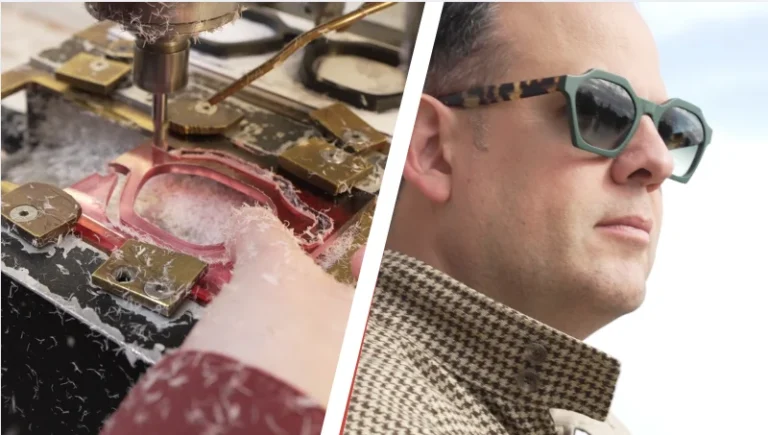
With the gradual decline of formal dress hats, which had once been a ubiquitous accessory, sunglasses rapidly ascended to become the defining facial adornment of the decade. No longer solely a practical item for sun protection, shades transformed into potent symbols of cool, confidence, and status, propelled by their omnipresence in popular culture. Films like Top Gun (1986) saw a dramatic resurgence in the popularity of Ray-Ban Aviators, with sales reportedly skyrocketing by 40% in the year following its release. Similarly, Tom Cruise’s Ray-Ban Wayfarers in Risky Business (1983) and Don Johnson’s iconic frames in Miami Vice cemented their place as essential fashion statements. This cinematic endorsement moved sunglasses from mere utility to an indispensable component of a gentleman’s persona, allowing for personal expression and a touch of Hollywood glamour in everyday life. Brands like Ray-Ban and Oakley dominated the market, offering diverse styles that catered to the evolving tastes of the era. The implications of this trend were significant, marking a shift towards fashion as a form of self-expression accessible to the masses, and away from more traditional, formal headwear.

Timekeeping in Transition: Analog Elegance Meets Digital Utility
The wristwatch remained a non-negotiable component of a gentleman’s EDC, serving as the primary tool for punctuality. However, the 1980s presented a fascinating divergence in preferences, shaped by both traditional craftsmanship and the ongoing "Quartz Crisis" that had begun in the 1970s.
On one hand, the traditional analog watch continued to signify sophistication. Fashion-forward designs often featured two-tone metal colorways, typically a blend of gold and stainless steel, and distinctive square or non-circular dials. Established brands such as Seiko, Omega, and IWC (International Watch Company) were mainstays in the middle-market and luxury segments, offering timepieces that were both reliable and aesthetically pleasing. These watches were often seen as investments, passed down through generations, embodying a timeless elegance that resisted fleeting trends.

Conversely, the 1980s witnessed the true democratization of the digital watch. While digital timepieces, like Roger Moore’s Hamilton Pulsar in the 1973 James Bond film Live and Let Die, initially debuted as high-end luxury items in the 1970s, advances in manufacturing technology made them significantly more affordable and ubiquitous in the 80s. Casio emerged as the undisputed king of the digital wrist, offering an array of "gadget watches" that went far beyond simple timekeeping. These innovative devices incorporated features such as alarms, stopwatches, calculators, and even rudimentary data banks, appealing to a generation fascinated by technology and efficiency. The shift reflected a broader cultural embrace of convenience and multi-functionality, with digital watches becoming a common sight on the wrists of students, professionals, and athletes alike. The dual popularity of analog and digital watches underscored the decade’s unique position, bridging a reverence for classic style with an eagerness for technological advancement.
Navigating a Pre-Smartphone World: Connectivity and Commerce
Before the advent of widespread mobile connectivity, the daily routines of gentlemen were governed by a different set of tools and infrastructures, emphasizing preparedness and practical solutions.
The Lifeline of Loose Change and Public Payphones
In an era devoid of personal mobile phones, a pocketful of quarters was more than just spare change; it was a literal lifeline. If one needed to make a call while away from home or the office, the hunt for a public payphone was a common ritual. These ubiquitous booths dotted urban landscapes, serving as vital communication hubs. The average cost of a local call, typically 25 cents, made carrying a supply of coins essential for everything from checking in with family to coordinating business meetings. This loose change was often kept in a dedicated coin purse, or simply jingled loosely in a trouser pocket, a sound emblematic of the pre-digital age. This reliance on public infrastructure highlighted a collective, rather than individual, approach to communication, fostering a sense of community preparedness that is largely absent today. By the end of the decade, however, the growing presence of car phones and early "brick" mobiles began to hint at the eventual obsolescence of the payphone.
The Expanding Wallet: Credit, Cash, and the Card Boom
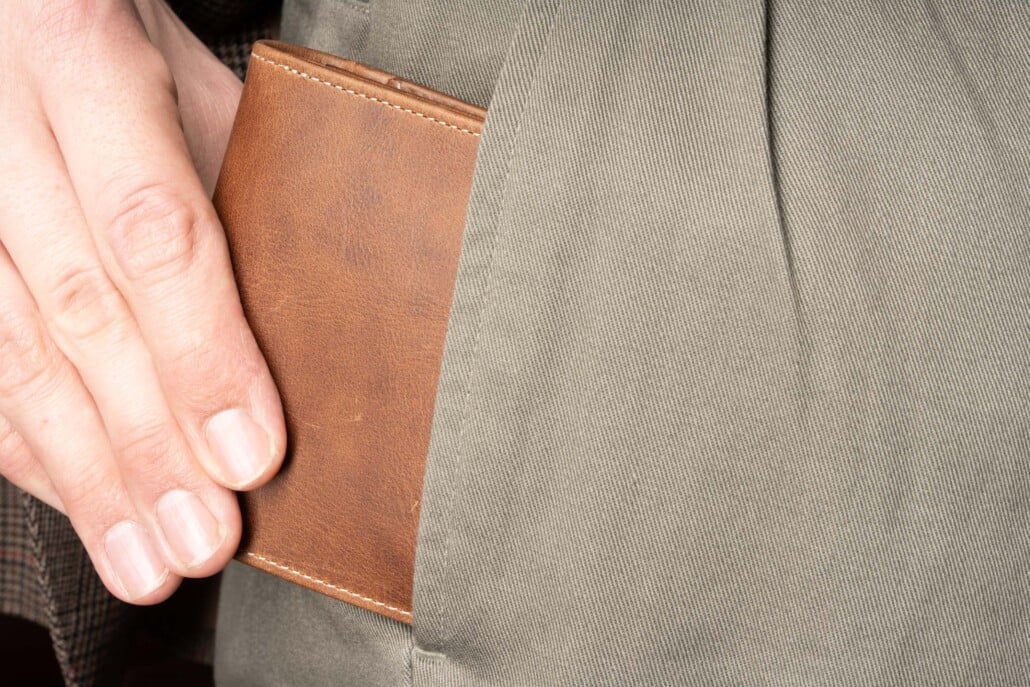
Traditional leather bifold wallets reigned supreme in the 1980s, largely because men were carrying significantly more than just cash. The decade saw an unprecedented "card boom," fueled by economic expansion and a burgeoning consumer credit market. Alongside driver’s licenses and basic identification, gentlemen’s wallets expanded to accommodate:
- Credit Cards: The widespread adoption of cards from Visa, MasterCard, and American Express made them primary payment methods for a growing array of goods and services.
- ATM Cards: The increasing prevalence of Automatic Teller Machines meant a new card for convenient cash withdrawals, reducing the need to visit bank branches during business hours.
- Department Store Cards: Retailers issued their own branded credit cards, encouraging customer loyalty and facilitating purchases.
- Gas Station Cards: Dedicated cards for fuel purchases were common, offering convenience and sometimes rewards.
- Membership & Loyalty Cards: Early versions of club memberships or video rental cards began to appear, further expanding the wallet’s contents.
This explosion in card types necessitated wallets with more slots and robust construction. High-quality leather wallets, often crafted from full-grain European leather, became an essential accessory, designed to handle the increasing volume without unsightly bulk. The shift from a predominantly cash-based society to one embracing credit marked a significant modernization of personal finance, making the wallet a central hub for a man’s financial identity.
Professionalism and Personal Branding

The 1980s placed a strong emphasis on professional image and networking, translating into specific EDC items that communicated competence and status.
The Ritual of the Business Card: Status and Substance
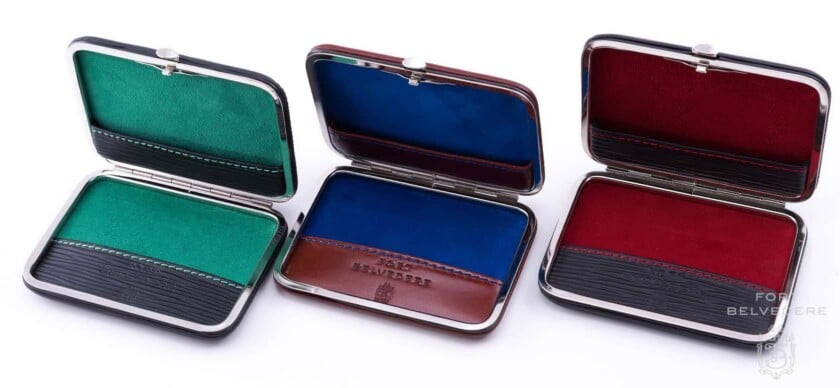
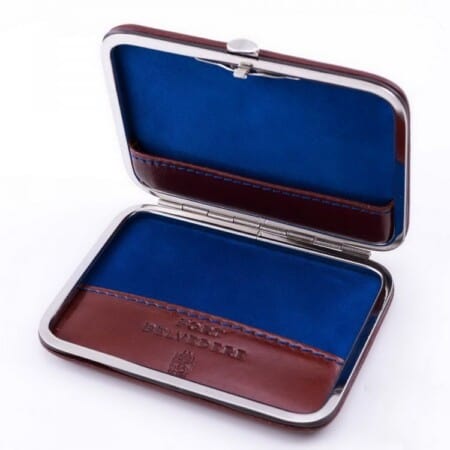
Exchanging business cards in the 1980s was far more than a mere professional necessity; it was a carefully choreographed ritual. In the competitive, white-collar world, particularly within the burgeoning "yuppie" culture, the case holding the cards was often as important as the card itself. The infamous scene from American Psycho, where Patrick Bateman meticulously critiques his colleagues’ business cards—"That’s bone. And the lettering is something called Silian Rail"—underscored the intense scrutiny and symbolism attached to this professional exchange. To avoid such anxieties and project an image of impeccable taste, men invested in elegant leather or metal card cases from prestigious brands like Louis Vuitton, Cartier, or Armani. These cases, often subtly monogrammed, not only protected the cards but also served as a silent testament to the bearer’s attention to detail, professional standing, and refined aesthetic. The business card, and its sophisticated presentation, was a fundamental element of networking and establishing credibility in the decade’s corporate landscape.
The Steadfast Checkbook: A Pillar of 80s Finance
While credit cards gained significant traction throughout the 1980s, the checkbook remained a primary payment method for many, particularly for larger transactions like rent, utilities, or significant purchases. Typically encased in a sleek leather cover, the checkbook sat alongside cash and credit cards as a foundational element of an 80s gentleman’s financial toolkit. Though its use would begin to decline significantly by the end of the decade and into the 1990s with the continued rise of electronic payments, for most of the 80s, it was an indispensable item for managing personal and business finances, symbolizing a more formal approach to monetary exchanges.
Personalized Leather Goods: Affordable Luxury and Individual Expression

The 1980s celebrated the "personal touch" in consumer goods. Thanks to advancements in manufacturing techniques, it became increasingly affordable to have everyday items like key fobs, wallets, and card cases personalized through monogramming or embossing. This trend allowed the average man to experience a sense of "bespoke luxury" without the prohibitive price tag associated with historic custom-made products. These personalized items were not just functional; they were subtle statements of identity and discernment, contributing to a cohesive personal brand. Choosing the right leather – often aniline-dyed or bridle leather – was crucial for longevity and the development of a rich patina, further enhancing the item’s perceived value and individuality. This accessibility to personalization reflected a broader cultural movement towards customization and the desire for unique possessions in an increasingly mass-produced world.
The Filofax Phenomenon: Orchestrating the Yuppie Lifestyle
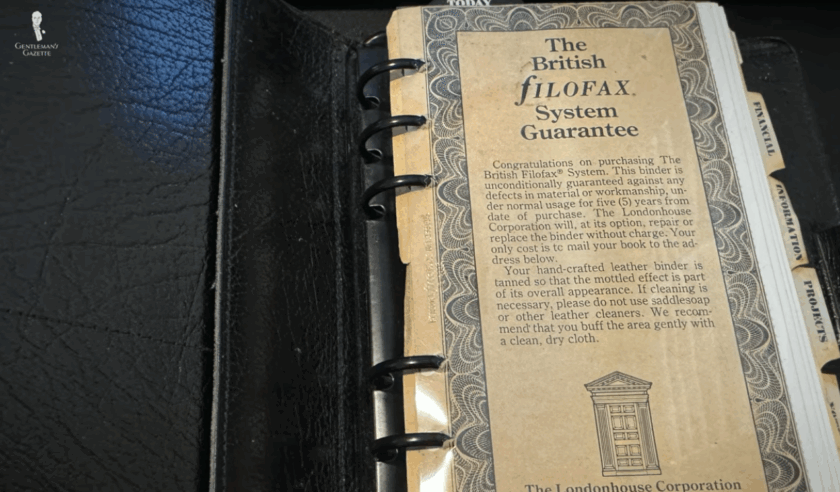
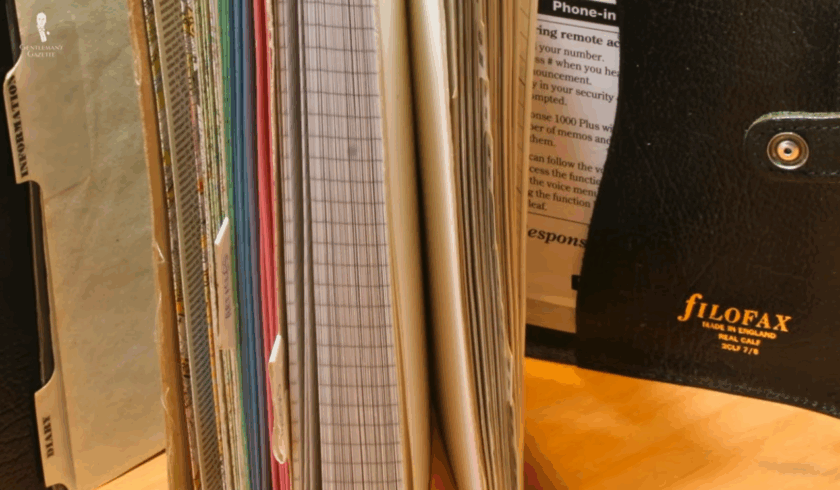
Before the ubiquity of digital calendars and smartphones, the Filofax was the undisputed king of personal organization, particularly for the emerging "yuppie" (Young Urban Professional) subculture. This leather-bound daily organizer was more than just a planner; it was a comprehensive analog hub for managing a complex professional and social life. A Filofax contained sections for meetings, appointments, contact addresses, financial records, project notes, and personal reminders. Its modular, ring-bound system allowed for customization with various inserts, making it an incredibly versatile tool. The Filofax became an ultimate status symbol in the mid-1980s, signaling efficiency, ambition, and a meticulous approach to life. It was not uncommon to see executives prominently displaying their Filofax, often paired with a quality pen, during business meetings. The sheer popularity of the Filofax, selling millions of units worldwide, underscores the critical need for sophisticated organizational tools in a fast-paced business environment, serving as the essential analog precursor to today’s digital personal assistants.
Writing Instruments: From Fountain Pens to the Ubiquitous Ballpoint
While the elegant fountain pen remained the cherished choice of traditionalists and connoisseurs, the ballpoint pen became the undisputed workhorse of the 1980s. Its convenience, reliability, and affordability made it an indispensable tool for daily tasks. Ballpoint pens were durable, less prone to smudging than their fountain pen counterparts, and required minimal maintenance. They were also cheap enough to be mass-produced and often handed out as "swag" or promotional items, personalized with business logos, further solidifying their omnipresence in offices and homes. Brands like Parker and Cross produced high-quality ballpoints that were respected for their smooth writing and robust construction, providing a practical yet professional option for note-taking, signing documents, and correspondence. This shift highlighted a growing preference for practicality and cost-effectiveness in everyday items, even within professional circles.
The Unsung Hero: The Pocket Protector’s Practicality and Parody
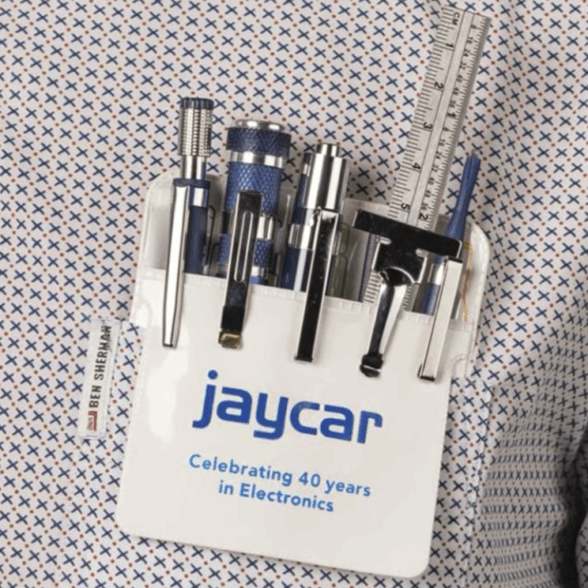
As ballpoint pens became more prevalent and disposable, so too did the risk of ink leaks. Enter the humble pocket protector. This simple plastic or vinyl sleeve, designed to fit snugly into a shirt pocket, became a practical shield for engineers, scientists, and office workers, saving countless expensive dress shirts from indelible ink stains. While initially a purely functional item, the pocket protector inadvertently cemented its place in pop culture, eventually becoming a somewhat "nerdy" cliché by the close of the decade. Despite its association with a particular stereotype, its widespread use underscored a pragmatic approach to maintaining a professional appearance in an era before easily washable, stain-resistant fabrics were commonplace.
The Briefcase and Attaché: The Professional’s Indispensable Companion
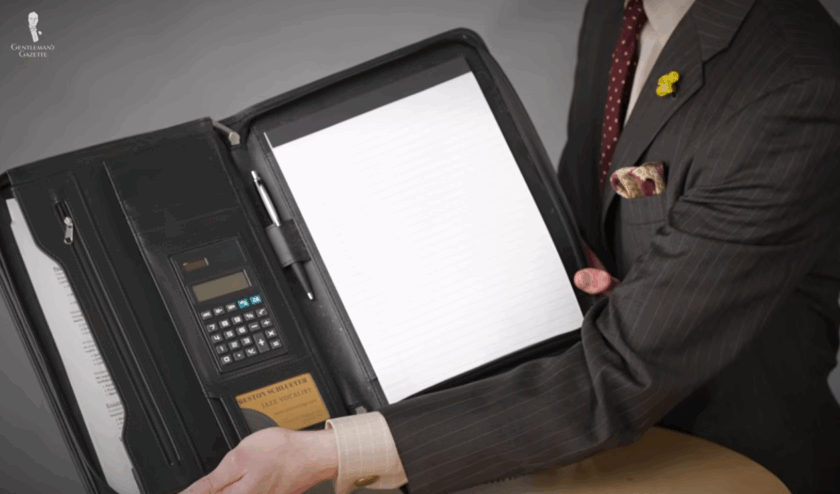
For any professional in the 1980s, a briefcase or attaché case was not merely an accessory; it was an extension of one’s professional identity. These cases served multiple critical functions:
- Document Transport: Essential for carrying important papers, contracts, and reports securely between the office, client meetings, and home.
- Organization: Many cases featured internal compartments and organizers for pens, calculators, and legal pads, keeping contents tidy and accessible.
- Status Symbol: A well-crafted leather briefcase from a reputable brand like Coach, Tumi, or even a luxury brand like Gucci or Louis Vuitton, conveyed a sense of authority, responsibility, and success. The attaché, a slimmer, more rigid version, was particularly favored for its sleek profile and executive appeal.
The choice of a briefcase often reflected the wearer’s professional standing and personal style, ranging from classic leather to more modern synthetic materials. It was a tangible symbol of the "power dressing" trend, signifying readiness for business and an organized approach to one’s career.
Breakthroughs in Portable Entertainment and Communication
The 1980s also marked the beginning of truly personal, portable electronics, foreshadowing the ubiquitous devices of today.
The Sony Walkman: Revolutionizing Personal Soundscapes
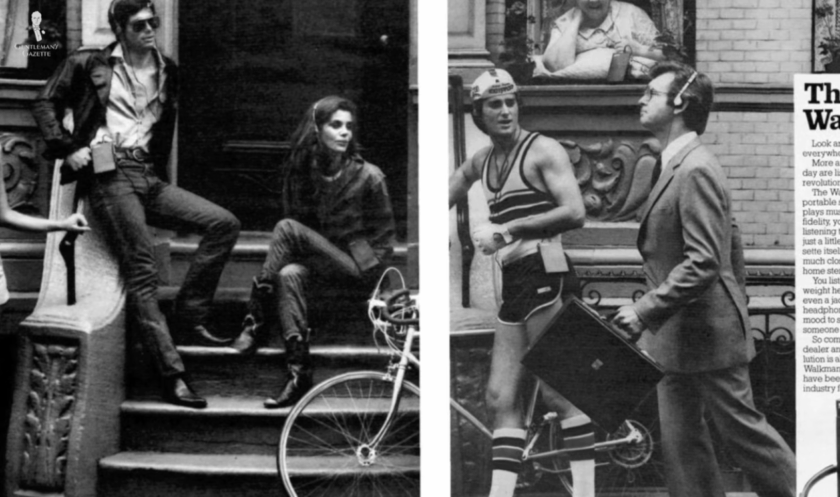
Launched in 1979, the Sony Walkman quickly became the "poster child" for 80s tech innovation, profoundly changing how people consumed media. This compact cassette player revolutionized personal audio, allowing individuals to carry their music with them and create a private soundscape in public spaces. The Walkman was particularly embraced by the fitness-obsessed 80s man, becoming an essential companion for jogs, gym workouts, and commutes. Its sleek design, lightweight headphones, and the sheer novelty of personalized, portable entertainment made it hip, trendy, and an instant cultural phenomenon. By allowing individuals to curate their auditory experience, the Walkman heralded the dawn of personal electronics and dramatically altered leisure habits, laying the groundwork for MP3 players and smartphones. By the end of the decade, Sony had sold tens of millions of Walkman units globally, illustrating its immense cultural and technological impact.
The "Brick" and Car Phone: Early Steps in Mobile Connectivity
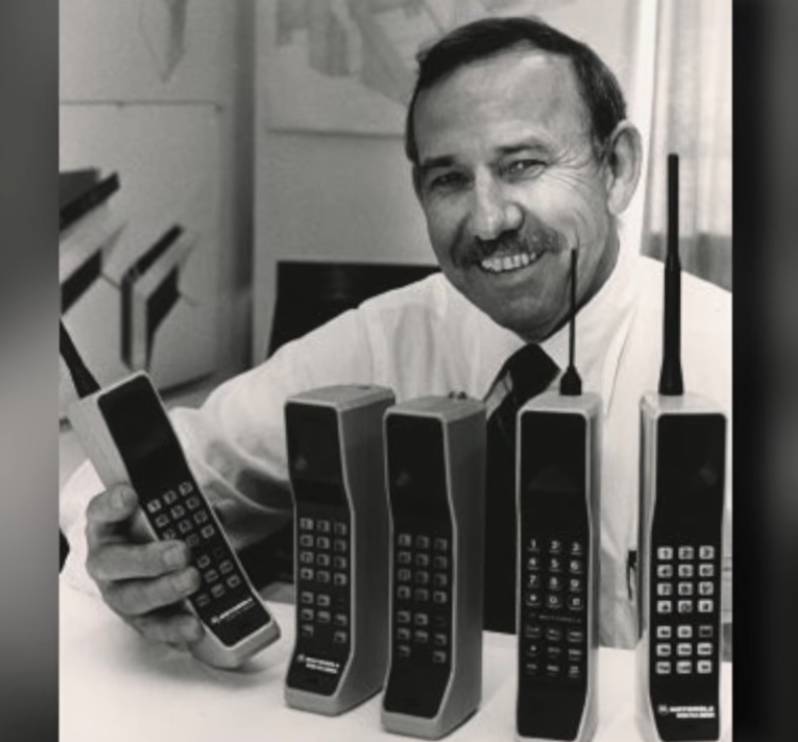
For a select few at the bleeding edge of technology, the 1980s offered the first glimpse of personal mobile communication. The Motorola DynaTAC 8000X, launched commercially in 1983, was the world’s first handheld mobile phone. Colloquially known as "the brick" due to its substantial size and weight (approximately 2.5 pounds), and its hefty price tag of $3,995 (equivalent to over $12,000 today), it was an exclusive luxury item. With a battery life of only 30 minutes of talk time and requiring a 10-hour charge, its practicality was limited, making it a status symbol primarily for high-powered executives and trendsetters. Its appearance in films like Wall Street (1987) further cemented its image as a tool for the elite.
More common among business professionals for the bulk of the decade was the car phone. These devices were hardwired directly into vehicles, offering communication on the go but tethered to the automobile. Specialized mounting devices became available, integrating these phones seamlessly into car interiors for easier access. While not truly "mobile" in the modern sense, car phones bridged a critical communication gap for those constantly on the road, enabling business to be conducted efficiently outside the office. Both the DynaTAC and car phones, despite their limitations, represented pioneering steps in wireless communication, hinting at the interconnected future that would rapidly unfold in subsequent decades.
Summary Table: 1980s EDC Essentials
| Item | Popular Brands | Key Feature |
|---|---|---|
| Sunglasses | Ray-Ban, Oakley | Wayfarers & Aviators; cultural icon |
| Watch | Casio, Seiko, Omega | Digital complications or Two-tone metal |
| Organization | Filofax | Leather-bound paper planners; status symbol |
| Audio | Sony | The Walkman (Portable Cassette) |
| Professional | Parker, Cross, Louis Vuitton | Ballpoint pens & Attaché cases |
| Communication | Motorola | "Brick" mobile phone (exclusive) & Car Phone |
Conclusion and Broader Implications
The Every Day Carry of a gentleman in the 1980s was a fascinating amalgamation of timeless elegance and nascent technological innovation. It reflected a decade grappling with rapid societal change, marked by an economic boom, the rise of consumer culture, and the initial foray into personal electronics. The items carried – from the iconic sunglasses and the versatile Filofax to the groundbreaking Walkman and the exclusive "brick" phone – were not merely functional; they were powerful symbols of status, professionalism, and individuality.
This era served as a crucial bridge between the purely analog world of previous decades and the hyper-connected digital landscape we inhabit today. The demands for efficiency, portability, and personal expression that began to emerge in the 80s laid the foundational desires that subsequent technological revolutions would seek to fulfill. The EDC of the 1980s, therefore, offers more than a nostalgic look at accessories; it provides a compelling historical snapshot of human ingenuity adapting to new challenges and opportunities, setting the stage for how we define and interact with our daily essentials in the 21st century.