








The UK fashion industry is abuzz with the release of Drapers’ highly anticipated formal menswear road test, a comprehensive mystery shopper investigation into the offerings of eight prominent high street retailers. Published on May 11, 2026, the report delves into the intricate world of men’s tailoring, scrutinizing the collections from John Lewis, Marks & Spencer, Next, TM Lewin, Moss, Hawes & Curtis, Charles Tyrwhitt, and Reiss. This in-depth analysis, exclusively available to Drapers subscribers, aims to identify which brands are truly delivering on quality, style, value, and customer experience in a dynamic and increasingly competitive market.
Background: The Evolving Landscape of Men’s Formalwear
The men’s suit market has undergone significant transformations in recent years, influenced by a confluence of societal shifts, economic pressures, and evolving fashion sensibilities. The post-pandemic era, in particular, heralded a seismic shift away from traditional daily office attire, with hybrid working models becoming the norm for many professionals. This initially led to a dip in conventional suit sales, prompting many retailers to adapt their strategies, focusing more on versatile separates, smart casual options, and occasion wear. However, the narrative is not one of decline but rather one of redefinition.
Industry reports indicate that while the demand for a rigid, daily office uniform has lessened, the market for suits tailored for specific events – weddings, graduations, formal dinners, and significant business meetings – has seen a resilient resurgence. Data from leading market intelligence firms suggests that the UK men’s formalwear market, including suits, occasion jackets, and complementary accessories, is projected to reach an estimated value of £2.5 billion by late 2026, demonstrating a steady recovery and diversification from its pre-pandemic peaks. This growth is partly fueled by a renewed appreciation for quality tailoring, driven by cultural influences, celebrity styles, and a general consumer desire for elevated personal presentation on important occasions.
Drapers, as a venerable authority in the fashion retail sector, periodically undertakes such rigorous evaluations to provide invaluable insights to both industry professionals and discerning consumers. Their last major formalwear report, conducted in late 2021, highlighted the initial challenges faced by retailers in adapting to a more casualized workforce. This 2026 edition, therefore, is particularly timely, offering a fresh perspective on how high street brands have evolved their strategies and product lines to meet the contemporary demands of the modern man.
Methodology: A Rigorous Road Test
The Drapers mystery shopper program is renowned for its thoroughness, employing experienced evaluators who meticulously assess various aspects of the retail experience. For this formal menswear report, the focus was multi-faceted, extending beyond mere product aesthetics. The mystery shoppers visited multiple branches of each listed retailer, engaging with sales staff, trying on a range of suits, and evaluating the entire purchasing journey.
Key criteria for evaluation likely included:
- Product Quality and Construction: Examination of fabric composition, stitching, lining, button quality, and overall garment construction. This includes assessing the durability and drape of the suit.
- Fit and Sizing: Evaluation of the available sizing ranges, clarity of sizing guides, and the general fit of off-the-rack suits. The availability and quality of in-store alteration services were also likely considered.
- Style and Trend Relevance: Assessment of the suits’ adherence to current fashion trends, variety of cuts (e.g., slim, regular, tailored), color palettes, and patterns.
- Value for Money: Comparing the price point with the perceived quality, brand reputation, and overall offering.
- Customer Service and Sales Expertise: Evaluation of staff knowledge regarding suit fabrics, fits, styling advice, and the overall helpfulness and professionalism of the sales team.
- In-Store Experience: Ambiance, merchandising, changing room facilities, and ease of navigation within the store.
- Online Integration and Omnichannel Experience: While primarily a high street test, the seamlessness of online browsing, click-and-collect options, and return policies would likely have been factored into the overall brand perception.
- Sustainability Credentials: Given the increasing consumer focus on ethical consumption, any visible efforts towards sustainable sourcing, recycled materials, or eco-friendly production methods might have been noted.
The selected retailers represent a broad spectrum of the high street market, from department store giants like John Lewis and Marks & Spencer, known for their comprehensive offerings, to specialized tailoring brands such as TM Lewin, Moss, Hawes & Curtis, and Charles Tyrwhitt, which traditionally focus on shirts and suits. Next and Reiss, meanwhile, occupy spaces that blend fashion-forward styling with accessibility and premium aspirations, respectively. This diverse selection ensures a holistic overview of the high street’s capabilities in formal menswear.
The High Street’s Tailoring Contenders: A Closer Look
Each of the retailers under scrutiny brings a unique proposition to the men’s suit market.
- John Lewis & Marks & Spencer: As quintessential British department stores, both offer extensive collections, often emphasizing quality, durability, and a range of styles from classic to contemporary. M&S has particularly invested in its menswear lines, focusing on fabric innovation and fit to appeal to a younger, more style-conscious demographic while retaining its core customer base. John Lewis, known for its customer service, often curates a selection that balances trusted brands with its own labels.
- Next: A powerhouse in affordable fashion, Next provides accessible style and a vast selection, often with a focus on trend-driven designs and quick stock rotation. Their suit offerings typically cater to a broad market, from first-time suit buyers to those seeking versatile options.
- TM Lewin, Moss, Hawes & Curtis, Charles Tyrwhitt: These brands are specialists in formalwear, traditionally known for their shirts but with significant suit collections. They often compete on classic tailoring, quality fabrics, and value, especially during sales. Moss (formerly Moss Bros) has diversified into hire and made-to-measure services, showcasing an adaptability to market demands. Charles Tyrwhitt and TM Lewin often emphasize durable, business-appropriate attire. Hawes & Curtis positions itself with a focus on Jermyn Street heritage and sophisticated styling.
- Reiss: Operating at the premium end of the high street, Reiss is known for its contemporary, fashion-forward designs, sharp tailoring, and quality materials. It often appeals to a demographic seeking modern elegance and a more sartorial edge for both professional and social occasions.
Market Trends and Consumer Shifts Driving Demand
The context of this Drapers report is crucial, as consumer behavior continues to evolve rapidly. Beyond the shift to hybrid work, several key trends are shaping the men’s formalwear market:
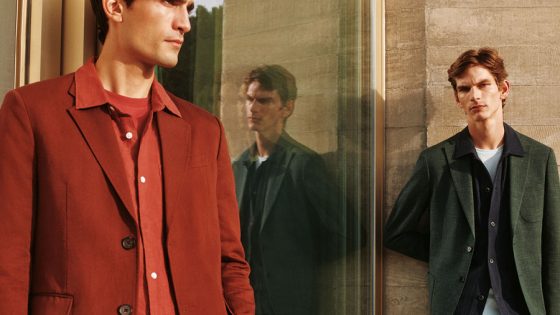
- The Rise of Occasion Wear: With fewer daily suit requirements, consumers are more likely to invest in high-quality suits for specific events. This means greater emphasis on unique fabrics, statement colors, and impeccable fit. The "wedding suit" market, for instance, has seen sustained growth, with grooms and guests seeking distinctive ensembles.
- Sustainability as a Core Value: A growing segment of consumers is actively seeking out brands with strong ethical and sustainable credentials. This includes suits made from recycled materials, organic fibers, or those produced with transparent supply chains and fair labor practices. Retailers that can demonstrate genuine commitment in this area are gaining a competitive edge.
- Versatility and Separates: The demand for suits that can be broken down into versatile separates – a blazer worn with chinos, trousers paired with a knit – continues to grow. This allows for greater cost-effectiveness and adaptability in a modern wardrobe.
- Customization and Personalization: While bespoke tailoring remains a niche, the high street has responded with enhanced alteration services, made-to-measure options (as seen with Moss), and increasingly sophisticated off-the-rack fits that cater to a wider variety of body types.
- Digital Influence: Social media platforms, style blogs, and online fashion communities play a significant role in influencing purchasing decisions. Consumers are often pre-researched, looking for specific styles or brand recommendations before even stepping into a store. Retailers’ online presence and content marketing strategies are therefore critical.
Industry Reactions and Anticipation
The release of the Drapers report is met with considerable anticipation across the retail sector. While the full findings are reserved for subscribers, the very act of undertaking such a comprehensive study sends a clear message about the continued relevance and competitive nature of the men’s formalwear market.
A spokesperson for Drapers, speaking generally about the importance of such reports, commented, "Our aim is always to provide our readership with unparalleled, actionable insights into the retail landscape. The men’s suit market is a complex ecosystem, blending heritage with innovation. Our mystery shopper reports offer a crucial benchmark, allowing brands to understand their performance relative to competitors and highlighting areas of strength and potential improvement."
Retailers included in the study are expected to closely scrutinize the results. While public statements are typically generic, emphasizing their commitment to quality and customer satisfaction, internal teams will likely be dissecting the feedback. "We continuously strive to deliver exceptional value and a superior shopping experience for our customers," one anonymous high street executive stated, "Reports like these are invaluable, offering an external, objective perspective that complements our own customer feedback channels and helps us refine our product development and service strategies."
Industry analysts also weigh in on the significance of such publications. "In a market where consumer choice is abundant, independent reviews from trusted publications like Drapers can significantly influence purchasing decisions," notes Dr. Eleanor Vance, a retail analyst at Sterling & Co. "For brands that perform well, it’s a powerful endorsement; for those that don’t, it serves as a critical call to action to address shortcomings in product, price, or service. The transparency these reports offer ultimately benefits the entire industry by driving up standards."
Implications for Retailers and Consumers
The Drapers report holds substantial implications for both the retailers featured and the consumers seeking to make informed purchasing decisions.
For retailers, the detailed findings will offer a competitive intelligence goldmine. Brands will gain a clearer understanding of their standing in the market across multiple crucial metrics. A strong performance could be leveraged in marketing campaigns, reinforcing brand perception and potentially driving sales. Conversely, areas identified for improvement will necessitate strategic adjustments, whether in product sourcing, design, pricing, staff training, or in-store merchandising. The report could spur innovation, encouraging brands to differentiate themselves further through unique fabric blends, advanced fitting technologies, or enhanced after-sales services like garment care and repair.
For consumers, the report acts as a definitive guide, cutting through the noise of advertising and marketing claims. In a category where investment can be significant, having an objective assessment of quality, fit, and value from a trusted source empowers shoppers to make more confident choices. Whether a consumer prioritizes an affordable yet stylish option from Next, the classic heritage of a TM Lewin, or the premium contemporary cut of a Reiss, the Drapers report will provide the data to align their needs with the best available high street offering. This transparency fosters a more discerning consumer base, ultimately benefiting retailers who consistently deliver on their promises.
The Value of Exclusive Insights
The "subscribers only" access model for this Drapers report underscores the increasing value placed on premium, expert-driven content in the digital age. In an era of information overload, curated and authoritative analyses from industry leaders become essential tools for professionals seeking to stay ahead of market trends, understand competitive landscapes, and make strategic business decisions. For individuals within the fashion and retail sectors, a Drapers subscription provides access to a wealth of exclusive data, trend forecasts, and expert commentary that is unavailable elsewhere, reinforcing its position as an indispensable resource.
Future Outlook for Men’s Formalwear
Looking beyond this particular report, the trajectory for men’s formalwear on the high street continues to point towards adaptability and diversification. Expect to see continued innovation in performance fabrics that offer comfort and wrinkle resistance, catering to the demands of a mobile and dynamic lifestyle. The blurring lines between formal and casual will likely persist, with more brands offering modular collections that allow for greater sartorial flexibility. Sustainability will move from a niche concern to a mainstream expectation, driving fundamental changes in supply chains and material choices. Ultimately, the high street suit will continue to evolve, reflecting broader societal shifts while maintaining its enduring appeal as a symbol of confidence and occasion. Drapers’ latest report serves as a vital snapshot of this ongoing evolution, guiding both industry and consumer through the intricate world of contemporary men’s tailoring.