







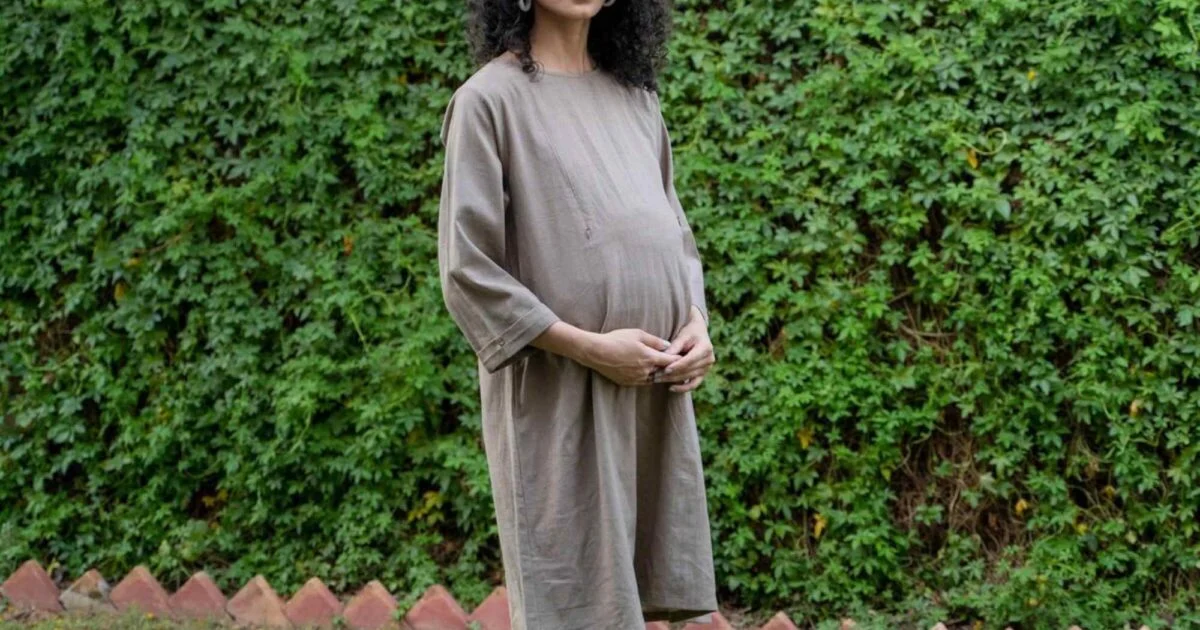
Finding comfortable, stylish, and adaptable clothing during and after pregnancy presents a unique challenge for many individuals. This difficulty is further amplified when seeking brands that align with ethical and sustainable production principles. As consumer awareness of fashion’s environmental and social impact grows, the demand for transparent and responsible choices extends naturally to the maternity wear market. This article explores the imperative for sustainable maternity clothing, highlights leading brands committed to these values, and offers practical advice for building a conscious maternity wardrobe.
The Evolving Landscape of Maternity Wear and the Sustainability Imperative
The journey of pregnancy and early motherhood involves significant physiological changes, necessitating clothing that offers comfort, support, and flexibility. Historically, maternity wear has often been treated as a temporary, disposable segment of the fashion industry, leading to limited options and a focus on low-cost, mass-produced garments. However, this perspective is rapidly shifting. The global maternity wear market, valued at an estimated $20 billion in 2023 and projected to grow significantly in the coming years, is experiencing a transformation driven by evolving consumer priorities. Modern parents-to-be are not only seeking functional and fashionable attire but are also increasingly scrutinizing the origins and impact of their purchases.
This shift is part of a broader movement towards conscious consumerism, where purchasing decisions are influenced by ethical considerations, environmental impact, and social responsibility. For expectant parents, the desire to protect the planet for their children’s future, coupled with concerns about harmful chemicals in fabrics that might come into contact with their sensitive skin or their baby’s, makes sustainable maternity wear a logical and increasingly urgent choice.
The Environmental and Social Impact of Fast Fashion
The fashion industry, particularly fast fashion, is a major contributor to global pollution and social injustice. It accounts for a significant portion of worldwide carbon emissions, water pollution, and textile waste. The production of conventional cotton, for instance, is highly water-intensive and often relies heavily on pesticides. Synthetic materials like polyester, while durable, are derived from fossil fuels and contribute to microplastic pollution. Furthermore, the rapid production cycles and competitive pricing often come at the expense of fair labor practices, with garment workers in many parts of the world facing exploitative conditions, low wages, and unsafe environments.
When applied to maternity wear, these issues are particularly concerning. The temporary nature of these garments often means they are worn for a relatively short period before being discarded, exacerbating the problem of textile waste. Opting for ethical and sustainable maternity brands directly addresses these challenges by prioritizing:
- Lower-impact materials: Such as organic cotton, linen, Tencel, or recycled fabrics, which reduce water usage, pesticide exposure, and reliance on virgin resources.
- Ethical manufacturing: Ensuring fair wages, safe working conditions, and respect for human rights throughout the supply chain.
- Durability and versatility: Designing clothes that can be worn before, during, and after pregnancy, or that are made to last and be easily resold or repurposed, thereby extending their lifespan.
- Reduced chemical use: Protecting both the wearer and the environment from potentially harmful dyes and finishes.
Building a Conscious Maternity Wardrobe: Strategies and Solutions
Before investing in new maternity clothing, a strategic approach can significantly reduce environmental impact and financial outlay. Experts in sustainable living and fashion advocate for a multi-pronged strategy:
- Utilize Existing Wardrobe: Many regular clothing items can accommodate a growing bump, especially in the earlier trimesters. Stretchy leggings, oversized cardigans, flowy maxi dresses, empire-waist tops, and wrap dresses are often versatile enough to serve through much of a pregnancy. These pieces can be styled creatively to adapt to changing body shapes.
- Explore Secondhand Options: The temporary nature of maternity wear makes it an ideal category for the secondhand market. Online platforms and consignment stores frequently offer a wide selection of pre-loved maternity garments in excellent condition. Websites like Retykle, for example, specialize in curated pre-loved items, providing a convenient and sustainable avenue for conscious consumers.
- Borrow and Swap: Engaging with a network of parent friends or community groups can unlock a valuable resource: borrowed maternity clothes. This not only saves money but also promotes a circular economy, extending the life cycle of garments.
- Invest in Ethical New Pieces: When new purchases are necessary, choosing brands committed to sustainability ensures that these investments align with personal values and contribute to a more responsible fashion industry. These brands often focus on quality, durability, and versatile designs that can be worn beyond the pregnancy and nursing periods.
Spotlight on Ethical Maternity & Nursing Brands
The market for ethical maternity wear, while still niche compared to mainstream fashion, is growing, with several brands leading the way in responsible production and thoughtful design. These companies offer not just clothing, but a commitment to a better future for people, animals, and the planet.
SeamsFriendly
SeamsFriendly stands out for its unique approach to customization and its dedication to lower-impact materials. The brand offers beautiful, tailored pieces designed for all body types, with a strong emphasis on function and utility. Their commitment to sustainability is evident in their primary use of organic cotton and linen, materials known for their reduced environmental footprint compared to conventional alternatives.
What truly differentiates SeamsFriendly is its extensive customization options. Customers can personalize nearly every aspect of their garment, from neck style and depth to sleeve length, garment length, and even fabric choice. This bespoke approach minimizes waste associated with mass production and ensures a perfect fit, increasing the likelihood that the garment will be cherished and worn for a longer duration. With a wide range of customisable sizing (bust 26″-70″, waist 19″-63″ for womenswear, including petite, regular, and tall heights; and chest 34″-76″+ for menswear, plus a kids’ range), SeamsFriendly champions inclusivity and addresses the diverse needs of its clientele. The brand’s focus on made-to-order production also reduces overstock and material waste, aligning with a demand-driven, sustainable manufacturing model.
Petit Pli
While not exclusively a maternity brand, Petit Pli exemplifies sustainable innovation relevant to conscious parenting. This award-winning brand designs clothes that grow with children, engineered for play, planet, and purpose. By blending aerospace innovation with ethical manufacturing, Petit Pli addresses the issue of children’s clothing waste – a significant environmental concern given how quickly children outgrow their clothes. The principles of longevity and adaptability championed by Petit Pli resonate deeply with the broader sustainable fashion movement and are particularly appealing to parents who prioritize durable, multi-functional items for their entire family. Its innovative designs reduce the need for frequent clothing purchases, thereby lessening resource consumption and waste.
Underprotection
Danish brand Underprotection skillfully merges ethics with aesthetics, offering a range of underwear, loungewear, and swimwear that is both comfortable and consciously made. Their commitment to sustainability is foundational, utilizing lower-impact materials such as organic cotton, recycled polyester, and Tencel. Beyond materials, Underprotection ensures that all its packaging, paper, and polybags are either recycled or biodegradable, minimizing its environmental footprint at every stage.
The brand’s dedication to social responsibility is equally strong. Underprotection exclusively partners with certified factories, upholding the belief that fair working conditions and fair wages are fundamental human rights. This transparency in their supply chain provides consumers with confidence in the ethical sourcing of their garments. For expectant and nursing parents, Underprotection offers comfortable and supportive options that prioritize both personal well-being and planetary health. Their sizing, ranging from XS-XL, caters to a broad spectrum of body types.
Sorella Organics
Australian brand Sorella Organics specializes in certified organic sleepwear, which includes a dedicated maternity range. Founded by Anna McGregor, whose background in international human rights work informs the brand’s core values, Sorella Organics is a beacon of ethical production. The brand utilizes Fairtrade certified cotton, ensuring that strict social standards are met throughout the production and trading processes, from farm to factory. This commitment guarantees fair wages, safe working conditions, and community development for cotton farmers and garment workers.
Sorella Organics provides soft, breathable, and chemical-free sleepwear that is ideal for sensitive skin during pregnancy and postpartum. Their collection, available in sizes S-XL, offers comfortable tops, pants, wraps, and nighties, making ethical luxury accessible without a prohibitive price tag.
Q for Quinn
Q for Quinn provides a range of sustainable, non-toxic, and eczema-friendly clothing suitable for all ages, with a particular focus on essentials made from organic, responsibly sourced materials. While not exclusively a maternity brand, its dedication to gentle, chemical-free fabrics makes it an excellent choice for expecting parents seeking high-quality, safe clothing for themselves and their families. The brand’s commitment to non-toxic dyes and organic fibers ensures comfort for sensitive skin, a common concern during and after pregnancy. By offering versatile basics, Q for Quinn supports a minimalist wardrobe approach, encouraging fewer, higher-quality purchases that last longer.
BJ’s PJs
Based in Australia, BJ’s PJs was established with a clear mission: to create minimal, comfortable, and supportive lounge and sleepwear using lower-impact materials. The brand distinguishes itself through its commitment to local manufacturing, which significantly reduces the carbon footprint associated with long-distance shipping. By producing garments locally, BJ’s PJs also supports local economies and maintains closer oversight of working conditions.
The brand diligently traces most of its supply chain, offering transparency to consumers about the journey of their clothing. Their range, available in sizes XS-4XL, provides inclusive options for various body shapes, ensuring comfort and style for pregnant and nursing individuals. BJ’s PJs embodies the philosophy that comfort should not come at the expense of ethical or environmental responsibility.
Subset (Knickey)
Subset, formerly known as Knickey, is a US-based brand renowned for its organic cotton underwear sets, recognized as some of the best in the responsible fashion market. The brand’s underwear is made in a Fairtrade certified factory, ensuring equitable labor practices and fair compensation for workers. This commitment to social justice is a cornerstone of Subset’s operations.
Beyond ethical production, Subset tackles the issue of textile waste through an innovative recycling program. They have partnered with an NYC non-profit to recycle old undergarments, transforming the fibers into insulation and rug pads. By offering consumers a way to responsibly dispose of their old underwear, Subset provides a closed-loop solution that reduces landfill waste and encourages conscious consumption. For expectant mothers, comfortable and supportive underwear is crucial, and Subset offers an "Above-Belly Brief" specifically designed for maternity, available in sizes 2XS-4XL, shipping internationally.
Eco Intimates
Eco Intimates is a basics brand that focuses on organic cotton lingerie, intimates, and sleepwear for women who prioritize both their bodies and the Earth. This Australian brand provides delicate yet durable pieces crafted from materials free from harmful chemicals, making them ideal for the heightened sensitivity often experienced during pregnancy and postpartum.
Their commitment to organic cotton ensures a soft, breathable, and hypoallergenic experience, which is paramount for intimate apparel. Eco Intimates offers loungewear in sizes XS-2XL and some lingerie up to 4XL, catering to a diverse range of body sizes and ensuring comfort for all stages of motherhood. The brand’s philosophy centers on creating foundational pieces that support well-being and environmental stewardship.
More Sustainable Options from Non-Maternity Ranges
Beyond brands with dedicated maternity collections, many ethical fashion companies offer versatile designs and high-quality materials that naturally accommodate a changing body shape. These options provide longevity and can be seamlessly integrated into a wardrobe long after pregnancy, making them smart, sustainable investments.
Christy Dawn
Christy Dawn is a US-based brand celebrated for its minimalist, vintage-inspired women’s clothing and footwear. The brand earns a "Great" rating for its sustainable practices, making it an excellent choice for a conscious wardrobe. A key aspect of Christy Dawn’s sustainability is its use of surplus fabric, also known as deadstock. By repurposing existing materials, the brand significantly reduces its environmental footprint, diverting textiles from landfills and conserving resources that would be needed to produce new fabrics.
Many of Christy Dawn’s designs, particularly their flowy dresses like "The Dawn Dress," feature relaxed fits and adjustable elements that make them naturally accommodating for a growing belly. Available in standard sizes XS-XL, and with extended and petite collections, Christy Dawn offers inclusive sizing. These garments are designed to be timeless and durable, ensuring they remain cherished pieces in a wardrobe for years, adapting to various life stages, including pregnancy and beyond.
Indilisi
Indilisi creates clothing with a strong emphasis on heritage crafts and handweaving, utilizing surplus fabrics sourced from deadstock material. This US-based brand’s dedication to traditional artisan techniques not only preserves cultural heritage but also supports skilled craftspeople, ensuring ethical labor practices. By primarily using deadstock materials, Indilisi champions circularity in fashion, reducing textile waste and the demand for new resource-intensive fabric production.
While not a maternity brand, Indilisi’s focus on loose-fitting, comfortable designs crafted from natural fibers often lends itself well to the needs of pregnant individuals. The breathable qualities of handwoven fabrics and the forgiving silhouettes offer comfort and style throughout pregnancy and postpartum.
Oobi
Oobi, an Australian brand known for girls’ fashion, swimwear, homewares, and lifestyle products, also offers pieces suitable for mothers that embody their ethical philosophy. While primarily focused on children’s clothing, Oobi’s commitment to sustainability extends to its broader offerings, making it relevant for conscious parents building a sustainable family lifestyle. The brand uses low-impact, non-toxic dyes throughout its range, ensuring products are safe for both wearers and the environment.
Oobi also prioritizes sea freight for transporting its products, a deliberate choice to reduce its climate impact compared to air freight. Many of their women’s pieces, like resort dresses, feature relaxed fits and comfortable designs that can accommodate a changing body during pregnancy. Oobi’s adherence to ethical production and its use of no animal products align with the values of environmentally conscious consumers. Shoppers can find new items on their website or explore pre-loved Oobi items on platforms like Retykle, further extending the lifecycle of their garments.
Seek Collective
Seek Collective is a US brand dedicated to creating thoughtfully made items with a strong emphasis on transparency, authenticity, craft, and sustainability. The brand’s production process is rooted in India, where it partners with like-minded communities and artisans. This collaborative approach ensures that traditional craft techniques are preserved and that workers receive fair treatment and compensation.
Seek Collective’s designs often feature relaxed, flowing silhouettes crafted from natural, breathable fabrics. These qualities make many of their products suitable for maternity wear, offering comfort and style without being explicitly labeled as such. The brand’s commitment to sustainable sourcing and ethical manufacturing practices resonates with consumers seeking clothing that aligns with their values. Most products are available in XS-L, with an extended sizing range up to 4XL, providing versatile options for a variety of body types.
The Broader Impact: Shifting Consumer Habits and Industry Standards
The rise of ethical and sustainable maternity wear is more than just a niche trend; it signifies a broader shift in consumer expectations and industry standards. As more brands enter this space and existing brands expand their sustainable offerings, several positive implications emerge:
- Empowered Consumers: Expectant and new parents are increasingly empowered to make choices that reflect their values, without compromising on comfort or style. Access to transparent information about a brand’s impact enables more informed purchasing decisions.
- Industry Innovation: The demand for sustainable maternity wear drives innovation in textile science, design, and manufacturing processes. Brands are pushed to explore new lower-impact materials, develop more efficient production methods, and create versatile designs that extend garment longevity.
- Reduced Environmental Footprint: By choosing organic, recycled, or upcycled materials and supporting brands with ethical supply chains, consumers directly contribute to reducing textile waste, water pollution, carbon emissions, and the use of harmful chemicals.
- Social Justice: Prioritizing brands with Fairtrade certifications or transparent labor practices helps ensure that the people who make our clothes are treated fairly, paid living wages, and work in safe conditions.
- Long-term Value: Investing in high-quality, sustainable pieces often means purchasing garments that last longer and retain their value, offering a better cost-per-wear and reducing the overall need for new items.
Conclusion
The journey through pregnancy and early parenthood is transformative, and the clothing worn during this period should reflect the care and consideration given to this new phase of life. The increasing availability of ethical and sustainable maternity and nursing brands offers a compelling solution, providing garments that are not only comfortable and stylish but also kind to the planet and its people. By embracing strategies like utilizing existing wardrobes, exploring secondhand options, borrowing, and making conscious new purchases from reputable brands, individuals can build a maternity wardrobe that aligns with their values, contributing to a more sustainable and equitable fashion future for the generations to come. The editorial commitment of platforms like Good On You to rigorously assess and highlight these brands further aids consumers in making informed, impactful choices.