










Sustainable fashion activism, once a vibrant force on social media, finds itself at a critical crossroads as platforms pivot away from content that challenges consumerism, leaving brands and creators struggling with collapsing reach. For years, hashtags like #WhoMadeMyClothes and emerging trends like "deinfluencing" empowered a movement that organized, campaigned, and significantly grew its audience within digital ecosystems seemingly designed for its amplification. However, as these platforms increasingly prioritize speed, volume, and direct commerce, the very tools that once served as a megaphone for ethical consumption now appear to be silencing it, leading to what some are calling "algorithmic abandonment."
The Rise and Fall of a Digital Movement: From Awareness to Abandonment
The journey of sustainable fashion on social media began over a decade ago, fueled by a desire for greater transparency and accountability in an industry notorious for its opaque supply chains and environmental impact. A pivotal moment arrived in 2013 with the devastating Rana Plaza factory collapse in Bangladesh, which killed over 1,100 garment workers. This tragedy galvanized global activism, leading to the founding of Fashion Revolution. Its iconic #WhoMadeMyClothes campaign became a social media phenomenon, reaching billions of people worldwide. Orsola de Castro, co-founder of Fashion Revolution, reflects on this era, stating that "the impact of social media, in terms of activism over the past 10 years, has been huge," going as far as to describe the global fashion movement as "entirely based on online activism." This digital surge not only generated immense public awareness but also spurred organizations to lobby for legislative changes and had a "proper impact when it came to the supply chain in particular," Castro notes.
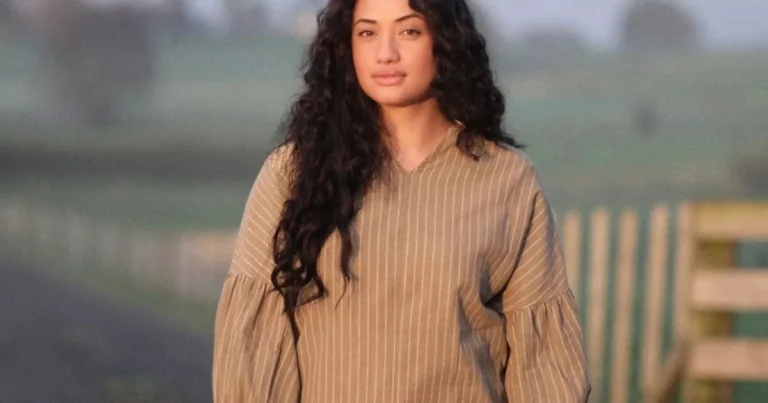
For years, platforms like Instagram provided fertile ground for sustainable fashion advocates. Creators shared tips on conscious consumption, ethical brands showcased their transparent practices, and activists mobilized public pressure. New Zealand digital creator Danni Duncan, for instance, dedicated her social media presence between 2018 and 2022 to advocating for sustainable fashion. The ecosystem fostered a sense of community and collective action, making it seem as though these platforms were natural allies in the fight against fast fashion’s excesses.
However, the digital landscape has undergone a dramatic transformation. What was once a space for diverse voices and nuanced discussions has evolved into a high-speed, commerce-driven arena. "Undoubtedly, a lot was achieved with social media activism… Is the scenario completely different these days? Yes, it is," Castro observes, highlighting a profound shift. Clare Press, a renowned sustainability communicator, author, and host of The Wardrobe Crisis podcast, concurs, lamenting that "today, I don’t think those big campaigns would take off in the same way." She attributes this decline to what Cory Doctorow termed the "enshitification" of platforms, where they gradually degrade the experience for users to extract more value, ultimately leading to their decline.
Algorithmic Abandonment: The Plight of Small Brands
The most poignant illustration of this algorithmic shift’s impact comes from the direct economic consequences for sustainable businesses. Just a few months ago, Osei-Duro, a 16-year-old Ghanaian slow fashion brand, announced its closure. While acknowledging the multifaceted challenges facing ethical labels—such as changing tariffs, intense competition from ultra-fast fashion behemoths, rising production costs, and tightening consumer budgets—Osei-Duro specifically cited "algorithm abandonment" in its farewell Instagram post as a primary factor in its shutdown. This term encapsulates the feeling of being de-prioritized and effectively silenced by platform algorithms that no longer favor their content, leading to a drastic reduction in visibility and, consequently, sales.
For sustainable fashion brands, visibility on social media is not merely a "vanity metric"; it is a lifeline. Without the ability to reach potential customers, market their products, and tell their stories, these businesses struggle to remain solvent. The closure of Osei-Duro serves as a stark warning: when platforms, which have become de facto marketplaces, withdraw their algorithmic support, independent brands lose their livelihood. The sentiment of being abandoned by the very systems that once offered a pathway to growth is becoming increasingly common among small, ethically-minded enterprises.
The Echo Chamber of Fast Fashion: When Giants Dominate "Sustainability"
The current algorithmic landscape actively disadvantages genuine sustainable fashion messaging, paradoxically amplifying the voices of its biggest competitors. Dr. Katia Dayan Vladimirova, an academic researcher specializing in fashion consumption and sustainability, co-authored a 2023 literature review examining the efficacy of social media in promoting sustainable fashion consumption. Her research involved a methodical analysis of 50,000 of the most-liked Instagram posts mentioning "sustainable fashion," collectively garnering over 11 million likes. The findings were revealing: "The loudest voices speaking about sustainable fashion were actually H&M and Reliance," Vladimirova states.
This means that Swedish fast fashion conglomerate H&M, which reported $24.7 billion USD in net sales in 2024, and Reliance, India’s largest producer of polyester, were the primary beneficiaries of engagement around "sustainable fashion" content. Vladimirova explains that a significant portion of these posts originated from influencers paid to advertise these brands. "Even though it was said through the accounts of influencers, it’s a brand that was behind this communication… It’s a way to manipulate public opinion," she asserts. This phenomenon highlights a pervasive issue: greenwashing, where large corporations use vague or misleading sustainability claims to appeal to environmentally conscious consumers, often outcompeting truly sustainable brands for digital attention.
The sheer scale of engagement around fast fashion and hyper-consumption trends further underscores this imbalance. On TikTok, the hashtag #haul boasts 18.2 million posts, #unboxing 16 million, #Shein 8.6 million, and #Zara 3.5 million. In stark contrast, #Sustainability has 830,900 posts on TikTok and 21.7 million on Instagram (a platform six years older). While the latter numbers seem substantial, Vladimirova’s research indicates that the conversation within these hashtags is often dominated by commercial interests rather than genuine activism. The algorithms, designed to maximize engagement and advertising revenue, naturally favor content that promotes quick purchases and high volume, aligning perfectly with the business models of ultra-fast fashion.
Creator Fatigue and Content Pivots: The Cost of Speaking Truth
The challenges extend beyond brands to individual creators who once championed sustainable fashion. Danni Duncan, after years of dedicated advocacy, observed a "fatigue" within her audience regarding sustainable fashion content between 2018 and 2022. "I definitely noticed that engagement on that content slowed down considerably," she recounts. The nuanced discussions surrounding ethical production, environmental impact, and conscious consumerism are often perceived as "not a glamorous thing to talk about" and "not being accessible" by a broader audience accustomed to instant gratification and aspirational aesthetics.
Consequently, Duncan has largely ceased sharing sustainable fashion content online, despite continuing her slow fashion habits offline. Since pivoting her content away from sustainability, she has experienced significant growth in both engagement and followers. This shift is not unique; many creators find themselves in a bind, forced to choose between promoting a cause they believe in and maintaining the visibility and audience engagement necessary for their own digital livelihoods. The algorithms, in essence, penalize content that encourages thoughtful consideration or reduced consumption, inadvertently pushing creators towards more commercially viable, often consumption-driven, narratives.
The "Enshitification" of Social Media: A Broader Context
The decline of sustainable fashion’s digital influence is part of a larger trend affecting social media platforms. Cory Doctorow’s concept of "enshitification" describes how platforms initially attract users and content by offering valuable services, then gradually degrade the experience for users and content creators to extract more value for advertisers and shareholders. This process transforms once-vibrant online communities into less useful, more exploitative spaces. Katherine Cross, in her 2024 book Log Off: Why Posting and Politics (Almost) Never Mix, argues that social media platforms have always been more adept at generating awareness than at building the kind of "organized, sustained pressure that actually changes industries." While hashtag campaigns create an illusion of collective action, the underlying architecture of platforms is designed to reward individual engagement, not collective mobilization. Cross concludes that movements reliant on social media often succeed primarily in "creating content, a lot of content," which ultimately benefits the platforms themselves. What might have appeared to be a digital revolution, she posits, was often "a ‘public square’ where real people can get hurt, but nothing ever really changes."
This systemic shift is compounded by broader societal, financial, political, and cultural factors. Global governments have seen a rise in conservatism, far-right commentators gain mainstream traction, and social media platforms are increasingly subjected to political pressures and legislative scrutiny. Recent examples include Canada’s two-plus-year Meta news ban, threats of TikTok blockages in the US (as seen in a brief 12-hour block in January 2025), and Australia’s enforcement of a social media ban for under-16s. These developments fragment the digital landscape further, making it harder for any non-commercial message to gain widespread traction.
A System Built to Sell: The Rise of Shoppertainment
The most profound challenge for sustainable fashion lies in the fundamental business model of contemporary social media: selling. Platforms are rapidly transforming into comprehensive shopping channels, blurring the lines between social interaction and e-commerce. The rise of TikTok Shop and Instagram Shopping exemplifies this merger, creating an environment where every scroll is an opportunity for a purchase. Ultra-fast fashion giants like Shein and Temu have perfected this model, integrating gamification into their apps and leveraging lightning-fast, hyper-personalized algorithms that respond in real-time to trending items. This creates a symbiotic cycle: social media manufactures demand, and ultra-fast fashion brands churn out cheap, disposable clothes to meet it.
This "churn-and-burn" marketing tactic is now embedded in how we consume both content and clothes. Social media’s raison d’être is to keep users scrolling and tapping indefinitely, and delivering individually curated, shoppable content is the most effective way to achieve this. Concepts like sustainable fashion, mindful consumption, and ethical values inherently contradict this model. Slow fashion, by its very nature, encourages deliberation, research, and restraint. Social media, conversely, wants instantaneous purchases, discourages users from exiting the app to research brand credentials, and actively promotes impulsive buying.
As Clare Press succinctly puts it, "If you’re not commercial, i.e., here to line Zuckerberg’s pockets, you’re devalued." Dr. Vladimirova further elaborates: "My informed, educated guess would be that [algorithms] don’t support [sustainability] keywords at all. It’s definitely much lower on the priority list than anything that has to do with product recommendations or selling, especially if the companies that are selling are paying substantial amounts for promotion." The grim reality is that "nobody is paying for sustainability to be up on the agenda." Even seemingly positive trends like "deinfluencing" (98,300 TikTok posts, 30,500 Instagram posts) and "underconsumption" (48,500 TikTok posts, 20,600 Instagram posts) are dwarfed by the sheer volume and commercial power of fast fashion hashtags, making them, as Vladimirova notes, "fun, but considered to be marginal."
The Sisyphean Task: Pushing for Change Online
For sustainable fashion advocates, the current digital environment feels like the mythological task of Sisyphus, perpetually pushing a boulder uphill only to watch it roll back down. Orsola de Castro describes the experience as "humiliating and completely ridiculous" but acknowledges the necessity to "stay there. We do need to keep agitating from within." She even suggests community-led workarounds, advising followers to manually engage with content they want to see, a clear indicator of how broken the system has become. This need for users to "game the algorithm" with strategic likes underscores the movement’s misdirected energy towards maintaining visibility within platforms fundamentally misaligned with their mission.
The uncomfortable truth is that social media’s most popular uses – outfit-of-the-day posts, haul videos, unboxing content – are perfectly matched to what platforms do best: delivering surface-level, individual, entertaining content that maximizes scrolling time. The core conflict arises when these same platforms are expected to amplify a message that fundamentally challenges their business model. Sustainable fashion is not just competing with fast fashion for algorithmic attention; it is asking a commercial infrastructure to actively promote a message about consuming less. The boulder was, arguably, never going to stay at the top of the hill.
Beyond the Algorithm: Reimagining Sustainable Fashion’s Future
Given the inherent limitations and commercial imperatives of social media, many within the sustainable fashion movement are advocating for a strategic shift away from over-reliance on these platforms. Clare Press believes that "fashion people are endlessly creative, and now we’re being called on to be creative about the method [and] channel, not just the content." She emphasizes a desire to "go back to the village, take things offline, engage with smaller groups in more personal ways."
Indeed, the most durable and impactful work in sustainable fashion has always occurred away from the algorithms. Policy lobbying, in-depth supply chain investigations, and grassroots community building, as exemplified by Fashion Revolution’s historical successes, do not inherently depend on viral social media campaigns. These efforts simply happened to be publicized and amplified through social media during a more conducive era.
However, the "opt-out" option is not equally available to all. While activists and communicators can and should diversify their channels, build intentional communities, and engage offline, independent brands like Osei-Duro face a different reality. For them, social media has become the primary "mall"—a crucial marketplace for reaching customers and generating sales. When platforms effectively make "serfs of everyone from individual content creators to independent brands," as the article notes, decentering these platforms becomes an existential challenge.
The success of community-first strategies, such as Zohran Mamdani’s mayoral campaign in New York City, which leveraged door-knocking and needs-based policy platforms buoyed by social content for reach, offers a potential omnichannel model. This approach prioritizes genuine connection and community building, with social media serving as a supplementary tool rather than the sole engine. For justice-oriented movements and, by extension, sustainable fashion, a similar recalibration may be necessary.
Ultimately, until social media platforms are re-engineered to reward something other than speed, volume, and spend, the phenomenon of algorithmic abandonment will continue to claim sustainable fashion businesses. The movement must strategically adapt, recognizing that while social media can raise awareness, true systemic change requires sustained pressure and action that transcends the transient and commercially driven nature of current digital platforms. The future of sustainable fashion may well depend on its ability to reconnect with its grassroots origins and cultivate impact beyond the scroll.