











The global fashion and beauty industries are navigating a complex landscape marked by strategic collaborations, geopolitical disruptions, evolving sustainability narratives, and increased regulatory scrutiny. This month’s news highlights significant shifts, from high-profile brand partnerships sparking controversy to critical supply chain vulnerabilities and pioneering advancements in sustainable materials.
Zara’s Galliano Collaboration: A Calculated Risk for Inditex
The recent announcement of a collaboration between fast fashion giant Zara and renowned designer John Galliano, aiming to "reinvent" Zara’s "archive," has ignited a storm of reactions across the fashion industry. Industry analysis, notably by Anna Roos van Wijngaarden for FashionUnited, reveals a spectrum of responses, ranging from outright skepticism regarding the existence of a substantial Zara "archive"—given its history of allegedly drawing heavy "inspiration" from other brands—to a keen observation of the potential reputational impacts on both parties.
This partnership is widely interpreted as a calculated "power move" by Inditex, Zara’s parent company. For Galliano, whose career was significantly impacted by antisemitic remarks and his subsequent dismissal from Dior in 2011, the collaboration could represent a further step in his public rehabilitation, following his tenure at Maison Margiela. However, associating with Zara, a brand frequently embroiled in intellectual property disputes and criticized for its fast fashion model, risks reigniting ethical debates surrounding his past actions. For Zara, the move attempts to imbue the brand with a veneer of high fashion legitimacy and creative credibility, potentially elevating its market perception beyond its ultra-fast production cycles. This strategy mirrors a broader trend where fast fashion retailers seek to leverage designer names to attract a more discerning consumer base and counter accusations of being solely trend-followers. The juxtaposition of a designer known for elaborate, avant-garde haute couture with a retailer built on rapid trend replication raises fundamental questions about authenticity, creative ownership, and the increasingly blurred lines between luxury and mass-market fashion. Industry observers suggest this collaboration will test the boundaries of brand perception and consumer acceptance in an era of heightened ethical awareness.
Geopolitical Tensions Threaten Global Garment Supply Chains
The escalating conflict involving the US, Israel, and Iran has cast a long shadow over global trade, with particular concern for the garment and textile industries. The Business and Human Rights Centre has been closely monitoring the situation, highlighting that anticipated disruptions due to the potential closure or severe impediment of the Strait of Hormuz—a critical maritime choke point—could have devastating consequences for global supply chains and, most acutely, for garment workers.
The Strait of Hormuz, through which approximately one-fifth of the world’s total oil consumption and a substantial volume of other cargo passes, is a vital artery for global commerce. Any significant closure or military action in this region would lead to immense shipment delays, rerouting, and drastically increased shipping costs. For the already fragile garment supply chain, which operates on tight margins and just-in-time delivery, these delays translate directly into severe operational challenges. Factories, particularly in South Asia and Southeast Asia, reliant on imported raw materials and timely export of finished goods, face "fears of factory closures, unpaid wages, and the ‘burden of the additional cost’ that may be placed on suppliers and workers." This situation exacerbates existing vulnerabilities within the industry, where workers often lack robust social safety nets and are the first to bear the brunt of economic shocks. Human rights advocacy groups are urging major brands to uphold their responsibilities to workers in their supply chains, calling for transparent communication, fair compensation for delays, and a commitment to absorb additional costs rather than passing them down to already precarious suppliers and laborers. The ongoing geopolitical instability underscores the urgent need for supply chain diversification and resilience strategies to protect the livelihoods of millions of garment workers worldwide.
SHEIN’s Strategic Shift: Offering Its Supply Chain to Rivals
In an exclusive report by Shayeza Walid for Business of Fashion, ultra-fast fashion behemoth SHEIN is exploring a significant strategic pivot: opening its sophisticated "on-demand" supply chain infrastructure to other brands for manufacturing services. While this move could offer unprecedented speed and efficiency to brands struggling to keep pace with rapid trend cycles, it also presents a profound ethical and reputational dilemma.
SHEIN has built its empire on an intricate, data-driven supply chain that leverages artificial intelligence to identify emerging trends, rapidly design and produce small batches of clothing, and scale production based on real-time consumer demand. This hyper-responsive model has allowed it to introduce thousands of new products daily, far outstripping traditional fast fashion retailers. By offering this "Xcelarator" service, SHEIN aims to become a foundational technology provider, monetizing its core competitive advantage. For brands grappling with long lead times, inventory waste, and the relentless pressure for "newness," accessing SHEIN’s supply chain could seem an attractive proposition for its cost-efficiency and speed to market. However, Walid aptly points out the substantial "reputational risk" involved. SHEIN has faced widespread criticism for its opaque labor practices, allegations of intellectual property theft, and the immense environmental footprint of its ultra-fast production model, which encourages disposable consumption. Brands choosing to utilize SHEIN’s infrastructure would inevitably be seen as endorsing, and actively contributing to, the acceleration of the very fast fashion system that many consumers and regulators are increasingly scrutinizing. This development raises critical questions about corporate accountability, the ethics of supply chain outsourcing, and the potential for a "Sheinification" of the broader fashion industry, where speed and cost override sustainability and ethical production standards.
The Nuance of Natural Fibers: Challenging Biodegradation Narratives
A new report, co-authored by Fashion Revolution co-founder Carry Somers, is prompting a critical re-evaluation of a long-held assumption within the fashion industry: the inherent biodegradability of natural fibers. Journalist Sophie Benson, reporting for Vogue Business, delves into this increasingly prevalent question, examining what biodegradation truly entails and how this evolving conversation compares to the enduring narrative surrounding synthetic fabrics’ persistence in the environment.
The prevailing wisdom often positions natural fibers like cotton, linen, and wool as inherently "good" for the environment because they are derived from renewable resources and are expected to break down naturally at the end of their life cycle. However, the new research highlights that true biodegradation is a complex process highly dependent on specific environmental conditions. For instance, many natural fibers, when dyed with synthetic chemicals, treated with various finishes, or blended with synthetics, may not decompose as readily or harmlessly as presumed. Furthermore, landfill conditions, characterized by a lack of oxygen and moisture, can significantly inhibit or prevent the breakdown of even untreated natural materials, effectively mummifying them for decades or centuries. This nuanced perspective challenges the simplistic "natural equals biodegradable" narrative that has often been used in green marketing. It underscores the need for a more holistic understanding of a garment’s lifecycle, including its production processes, chemical inputs, and eventual disposal pathways. The discussion also prompts a deeper comparison with synthetic fabrics, where microplastic shedding is a significant concern. While synthetics clearly pose persistence issues, the report suggests that the environmental benefits of natural fibers are not a given, demanding greater transparency, improved waste management infrastructure, and a more rigorous scientific approach to material assessment across the entire industry.
Marks & Spencer Embraces a Faster Fashion Model
In a notable strategic shift, iconic British retailer Marks & Spencer (M&S) has launched a new monthly capsule programme, signaling a clear move towards a faster fashion business model. This initiative aims to drastically reduce the "time to market" for new clothing lines, with a turnaround from design to shop floor now compressed to just two weeks. According to a report on FashionUnited, M&S asserts that this accelerated approach will offer "more frequent newness and greater trend credibility," aligning it more closely with the operational agility typically associated with ultra-fast fashion retailers.
Historically, M&S has cultivated a reputation for quality, classic styles, and more traditional seasonal collections. However, in an increasingly competitive retail landscape dominated by agile online players and the relentless churn of fast fashion trends, the retailer has faced challenges in maintaining market share and appealing to younger, trend-conscious consumers. This monthly drop model represents a significant departure, designed to capitalize on fleeting trends and inject a constant stream of fresh product into stores and online. The operational implications of achieving a two-week turnaround for a retailer of M&S’s scale are substantial, requiring highly efficient supply chain management, rapid design iterations, and flexible manufacturing capabilities. While the company aims to boost sales and enhance its fashion credentials, the move also raises questions about the environmental and social costs associated with increased production speed. Faster cycles typically demand greater resource consumption, generate more waste, and can place additional pressure on manufacturing supply chains. Industry analysts will be closely watching whether this strategic pivot allows M&S to successfully compete in the fast-paced fashion arena without compromising its long-standing brand values or contributing further to the industry’s environmental footprint.
Seaweed Dyes: A Splash of Innovation in Sustainable Textiles
In a promising development for sustainable textile innovation, Scottish dye company SeaDyes has successfully secured £200,000 in funding. This capital injection is earmarked to scale its pioneering work in creating seaweed-based dyes, offering a compelling alternative to the environmentally impactful synthetic options currently dominating the industry, as reported by EcoTextile News.
The textile dyeing process is notoriously resource-intensive and chemically heavy, often involving toxic substances that contribute significantly to water pollution and energy consumption. Conventional synthetic dyes, derived from petroleum, can release harmful effluents into waterways, posing severe ecological and health risks in manufacturing regions. The emergence of bio-based dye solutions, such as those developed by SeaDyes, represents a crucial step towards mitigating these environmental harms. Seaweed, as a renewable and abundant marine resource, offers a sustainable feedstock for dye production. Its cultivation often requires no freshwater, fertilizers, or pesticides, making it a low-impact alternative. While the initial investment of £200,000 is a significant milestone for a startup, scaling this technology to meet the demands of the global textile industry will require substantial further investment in research, development, and infrastructure. Challenges remain in achieving the broad color spectrum, colorfastness, and cost-effectiveness of synthetic dyes at an industrial scale. Nevertheless, this funding underscores growing investor confidence in sustainable material innovations and highlights the critical role of startups in driving the transition towards a more environmentally responsible fashion industry.
H&M and EY Urge CFOs to Decarbonise Fashion Supply Chains
A powerful new industry whitepaper, a collaboration between H&M and EY, is directly appealing to Chief Financial Officers (CFOs) within the fashion sector to prioritize and finance the decarbonisation of supply chains. Published via ESG News, the paper stresses that decarbonisation should not be viewed as a mere "nice to have" aspect of a sustainability strategy but rather as a fundamental "financial strategy" that actively mitigates climate-related business risks and aligns companies with critical global environmental targets.
The fashion industry’s carbon footprint is substantial, with the vast majority of emissions—often estimated at over 70%—originating within its complex and globally dispersed supply chains, encompassing raw material production, manufacturing, and logistics. Historically, financial decision-makers have often viewed sustainability initiatives as cost centers rather than value drivers. However, the whitepaper argues that investing in decarbonisation offers tangible financial benefits, including reduced operational costs through energy efficiency, enhanced brand reputation, improved access to sustainable finance, and resilience against future carbon taxes or regulations. It posits that CFOs, by virtue of their strategic financial oversight, are uniquely positioned to drive the necessary systemic change. The paper calls for increased industry collaboration, emphasizing shared investment in green technologies, data sharing, and the development of standardized metrics to track progress effectively. By reframing decarbonisation as an essential element of long-term financial health and risk management, H&M and EY aim to catalyze a shift in corporate investment priorities, moving sustainability from the periphery to the core of financial strategy across the fashion sector.
UK Charity Shops Thrive Amidst Young Consumers’ Thrift Movement
In a heartening trend for the circular economy, The Guardian reports a significant resurgence in the fortunes of UK bricks-and-mortar charity shops. This revitalization is largely attributed to the burgeoning interest among young fashion enthusiasts in secondhand resale, translating into increased profits for these crucial community institutions last year. This positive development comes after a challenging period during which charity shops struggled to compete with agile digital resale platforms and contended with an overwhelming influx of low-value ultra-fast fashion garments.
The rise of online platforms like Vinted and Depop has democratized secondhand shopping, making it accessible and fashionable for a new generation. This digital interest, fueled by environmental consciousness, the desire for unique styles, and affordability, appears to be spilling over into physical charity shops. Young consumers, often referred to as Gen Z, are increasingly embracing thrift culture, viewing it not just as a sustainable choice but also as a way to express individuality and resist the homogenizing influence of fast fashion. While experts caution that challenges persist—including the ongoing need to manage donations of lower-quality items and adapt to evolving consumer expectations—the sector is presented with a unique opportunity to reshape its operations. This could involve better curation of stock, enhanced in-store experiences, and even strategic collaborations with online platforms to maximize reach and efficiency. The renewed vitality of charity shops not only provides a lifeline for struggling UK high streets but also reinforces the growing consumer appetite for circular fashion models, demonstrating that pre-loved garments can contribute significantly to both economic and environmental sustainability.
French Court Holds Yves Rocher Accountable Under Duty of Vigilance Law
A landmark ruling in France has seen cosmetics giant Yves Rocher held accountable for failing to comply with the country’s pioneering "Duty of Vigilance Law," following documented workers’ rights violations in its Turkish subsidiary. As reported by Industriall Union, the French court found that the company neglected its legal obligation to identify and prevent human rights abuses within its global operations, setting a significant precedent for corporate accountability in complex supply chains.
The French Duty of Vigilance Law (Loi sur le devoir de vigilance des sociétés mères et entreprises donneuses d’ordre), enacted in 2017, mandates large French companies to establish and implement a "vigilance plan" to identify and prevent severe human rights and environmental risks arising from their own activities, those of their subsidiaries, and their suppliers and subcontractors globally. This law is a critical piece of legislation, representing one of the most robust legal frameworks for corporate human rights due diligence worldwide, inspiring similar legislative efforts in other European countries and at the EU level. The case against Yves Rocher, brought forward by trade unions, focused on specific labor violations within its Turkish operations, highlighting issues such as restrictions on freedom of association and unfair dismissals. The court’s decision underscores the enforceability of this law and sends a clear message to multinational corporations that they bear direct legal responsibility for human rights and environmental impacts throughout their extended value chains. This ruling is expected to intensify scrutiny on other French companies and will likely encourage more legal challenges from civil society organizations and trade unions, further strengthening the imperative for thorough and effective due diligence practices.
Italy Investigates Sephora and Benefit Over Youth-Targeted Cosmetics Marketing
The Italian Competition Authority (AGCM) has launched an investigation into beauty retailers Sephora and Benefit, owned by LVMH, over allegations of prematurely marketing adult cosmetics and skincare products to children. Reuters reports that the probe centers on the brands’ use of very young micro-influencers on social media platforms, a practice the regulator believes contributes to an "unhealthy fixation with skincare among minors," termed "cosmeticorexia."
This investigation highlights a growing global concern regarding the impact of social media and influencer marketing on the mental health and consumer behavior of young people. The AGCM specifically noted that such marketing tactics are encouraging the "compulsive purchasing of face masks, serums, and anti-ageing creams" by children and adolescents, products typically formulated for mature skin and potentially unsuitable or even harmful for developing skin. The phenomenon of "cosmeticorexia" describes an excessive and often anxiety-driven preoccupation with skincare routines and products among minors, fueled by idealized beauty standards perpetuated online. Social media platforms, particularly TikTok and Instagram, have become fertile ground for beauty trends to rapidly proliferate among younger demographics, often blurring the lines between aspirational content and direct advertising. The Italian regulator’s action signals a potential regulatory crackdown on marketing strategies that exploit the vulnerabilities of minors. It underscores the ethical responsibilities of beauty brands and influencers to ensure that their promotional activities are age-appropriate and do not contribute to unhealthy consumption patterns or body image issues among impressionable audiences. This probe could lead to significant fines and stricter guidelines for beauty marketing targeting children across Europe.
‘Good’ and ‘Great’ News from Sustainable Brands
Every month, we highlight news and product developments from highly-rated brands that have undergone assessment by our rigorous ratings system. The use of our codes and links may generate a commission, which directly supports our work. Learn more about our editorial mission.
Lefrik Partners with Seven Clean Seas for Ocean Cleanup
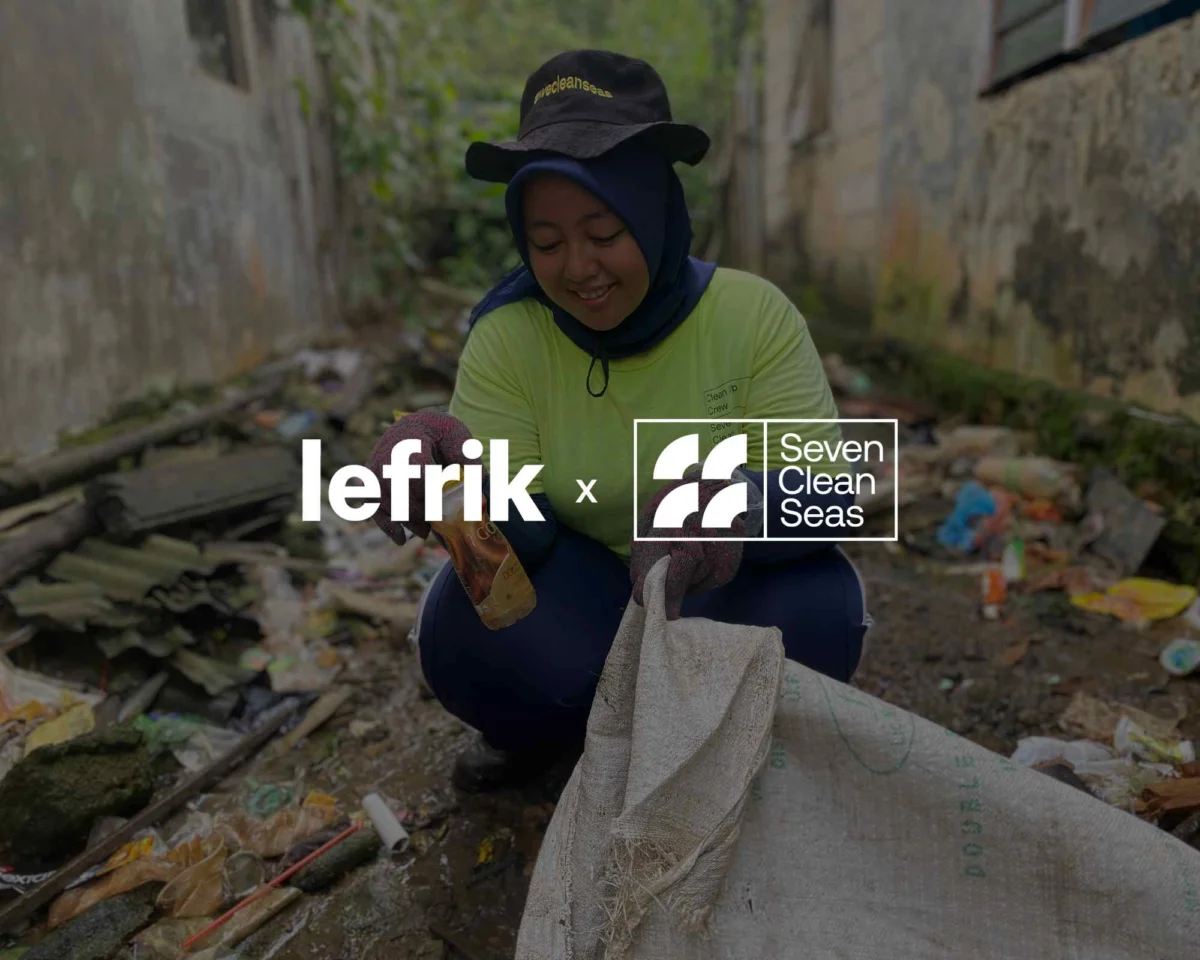
Lefrik, a brand recognized for its "Great" rating in sustainable bags often crafted from recycled plastics, has announced a new charitable partnership with Seven Clean Seas. This organization is dedicated to implementing plastic pollution prevention programs globally. Through this collaboration, for every Lefrik product sold, the brand will directly allocate resources to support plastic collection efforts in Indonesia. This initiative effectively links Lefrik’s core design principles—utilizing recycled materials—with tangible environmental action, underscoring a commitment to addressing plastic waste beyond its own product lifecycle.
DAWN Denim and Shop Like You Give a Damn Discuss Regenerative Cotton
"Great" rated DAWN Denim and sustainable retailer Shop Like You Give a Damn have joined forces with the organization Cotton Diaries for an insightful new podcast episode. This engaging discussion delves into prevalent myths surrounding cotton as a fiber and provides a comprehensive exploration of what regenerative cotton farming truly entails. The collaboration aims to educate consumers and industry professionals alike on the nuanced realities of sustainable cotton production, promoting more informed purchasing decisions and agricultural practices.
Kuyichi Celebrates 25 Years of Pioneering Sustainable Denim
Denim brand Kuyichi, holding a "Great" rating, is marking its 25th anniversary with the launch of an extensive 25-part blog series. This commemorative project will detail the brand’s rich history and its foundational role in sustainable fashion. The inaugural post powerfully states, "Long before sustainable fashion became a movement, [Kuyichi] was simply a response to a reality we could not accept." This series highlights Kuyichi’s enduring commitment to ethical and environmental practices, cementing its status as a true pioneer in the industry.
Triarchy Launches Investment Drive for Sustainable Production
Highly-rated denim brand Triarchy, also holding a "Great" rating, has initiated an investment drive via FrontFundr. The objective is to secure crucial financial stability for the upcoming 12 months, specifically to fund advancements in sustainable production options. These include innovative technologies such as digitally dyed denim and the integration of next-generation materials, demonstrating Triarchy’s commitment to pushing the boundaries of environmental responsibility in denim manufacturing.
Armedangels Introduces Wind-Resistant Outerwear with TENCEL Lyocell
"Great" rated brand Armedangels has unveiled a new line of wind-resistant outerwear, featuring an innovative use of TENCEL Lyocell, a lower-impact fiber. Traditionally, technical outerwear achieves qualities like wind resistance through the application of harmful chemicals or plastic coatings. Armedangels explains, "Wind protection comes from the fabric itself, not from an added membrane. The material is permanently compacted using heat and pressure, increasing its density. This process provides up to 97% wind resistance while maintaining breathability." This represents a significant step forward in developing high-performance, sustainable apparel without relying on conventional, environmentally damaging treatments.
Editor’s note
Good On You publishes the world’s most comprehensive ratings of fashion and beauty brands’ impact on people, the planet, and animals. Use our directory to search thousands of rated brands.