








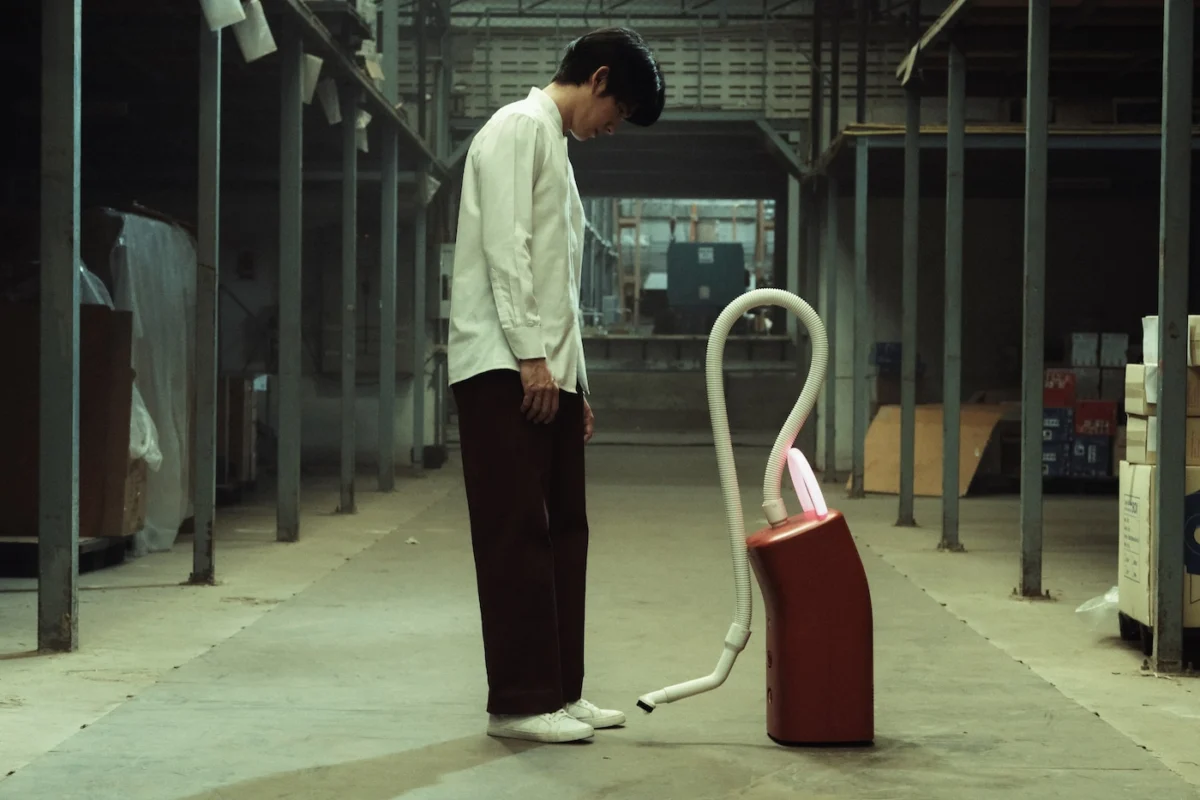
Ratchapoom Boonbunchachoke’s debut feature film, A Useful Ghost, has emerged as a groundbreaking work, earning critical acclaim including the Critics’ Week Grand Prix at Cannes and drawing comparisons to cinematic luminaries such as Yorgos Lanthimos. The 35-year-old Thai filmmaker’s ambitious project defies easy categorization, weaving together slapstick comedy, sincere queer romance, and sharp political commentary through the unconventional premise of a horny, haunted vacuum cleaner. This unique blend has positioned Boonbunchachoke as a significant new voice in international cinema, challenging both genre conventions and societal norms.
The film’s narrative boldly opens with an "American Pie" moment – a mother discovering her son engaged in an intimate encounter with a vacuum cleaner possessed by a forlorn spirit named Nat. This initial scene sets the tone for a film that is unafraid to embrace the bawdy and absurd, yet it quickly reveals layers of intellectual depth and emotional sincerity. The concept of a ghost returning in the form of an electrical appliance, specifically a vacuum cleaner, was a creative evolution for Boonbunchachoke. He initially considered a human ghost, but the idea of a "zombie" look was quickly discarded. The decision to use a hoover became inextricably linked to the film’s broader themes of dust pollution—a tangible environmental issue in Thailand—and its symbolic representation of the destruction of historical monuments associated with the 1932 revolution. This clever integration of a seemingly outlandish premise with profound societal issues exemplifies the film’s "Trojan horse" approach, lulling audiences with humor before delivering potent political and philosophical messages.
A Multilayered Narrative: The Living, The Dead, and The Machines
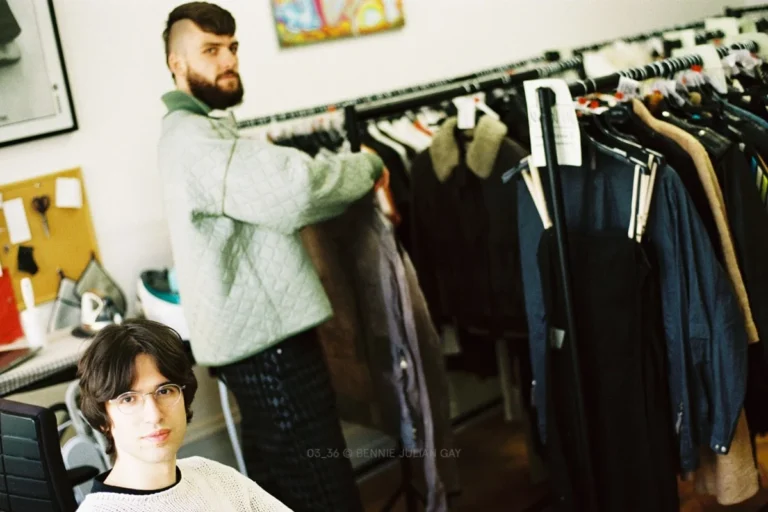
A Useful Ghost unfolds through multiple interweaving storylines, all connected by the central conceit of the dead returning to inhabit cleaning objects. One prominent thread introduces an "academic ladyboy," identified in the credits as Wisarut Homhuan, who notices his hoover’s peculiar "coughing." This leads him to hire repairman Krong (Wanlop Rungkumjad), who reveals the appliance is haunted by a deceased factory worker. The "academic ladyboy"’s intrigue is compounded by the presence of a handsome gay man nearby, hinting at the film’s burgeoning romantic subplots.
Within this narrative framework, Krong recounts a story of an electronics factory forced to close after employees died from dust pollution, their spirits subsequently possessing the machinery. The rebellious ghost of Tok, an employee who died due to his work, creates chaos, prompting an inspector to declare, "a ghost is less hygienic than a speck of dust." This highlights the dehumanizing perspective of authority figures, who prioritize cleanliness over human life and dignity.
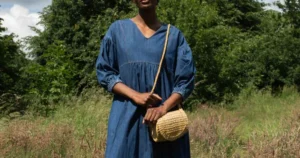
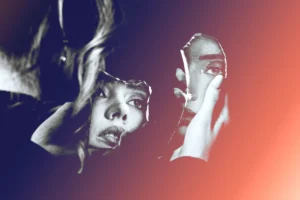
In contrast, the ghost of Nat (played by Thai celebrity Davika Hoorne, who boasts an impressive 18 million Instagram followers) seeks to rekindle her relationship with her human partner, March (Witsarut Himmarat). To gain favor with March’s disapproving mother, Suman (Apasiri Nitibhon), the heir to her late husband’s factory, Nat offers to help rid the building of the rebellious worker ghosts. This creates a compelling moral dilemma: a haunted hoover, representing the deceased, aligns itself with the oppressor against its fellow oppressed spirits, driven by a desire for personal reunion. This narrative choice serves as a powerful critique of how individual desires can sometimes inadvertently reinforce systems of power and exploitation.
Political Ghosts and Historical Echoes in Thailand
Boonbunchachoke intentionally politicizes the traditional Thai belief in ghosts returning for revenge. "In Thai culture, ghosts come back for revenge," he explains, "I wanted to make it more political. They take revenge as a collective, not for personal reasons." This reframing transforms personal vendettas into a potent metaphor for collective resistance against systemic injustice. The film’s political underpinnings become increasingly overt, featuring direct references to pivotal moments in Thai history: the People’s Party Declaration and the 1976 Thammasat University massacre.
The 1932 Siamese Revolution, orchestrated by the People’s Party (Khana Ratsadon), marked Thailand’s transition from absolute monarchy to a constitutional monarchy. This event, and its leaders, became symbols of democratic aspiration. However, subsequent political shifts and periods of authoritarian rule have seen concerted efforts to erase or diminish the legacy of the revolution, including the destruction of monuments. The film’s "dust pollution" theme thus cleverly symbolizes this deliberate obscuring of history, suggesting that the "dust" of forgotten or suppressed narratives continues to choke the present.
The 1976 Thammasat University massacre is another deeply traumatic event in modern Thai history. On October 6, 1976, state forces and right-wing paramilitaries violently suppressed student protests against the return of former dictator Thanom Kittikachorn. The brutal crackdown, which resulted in numerous deaths, injuries, and arrests, serves as a stark reminder of state violence against dissent. By referencing these incidents, Boonbunchachoke ensures that A Useful Ghost is not merely an allegorical tale but a direct engagement with Thailand’s complex and often repressed political past. "The film’s not about those two specific incidents," the director clarifies, "I wanted to talk about the political victims in Thai modern history in general." This broader scope allows the film to resonate with the experiences of countless individuals who have suffered under various authoritarian regimes throughout Thai history.
Boonbunchachoke initially penned the script in 2020, a period marked by optimism amidst widespread youth-led protests against Thailand’s authoritarian government. Young activists strategically invoked historical precedents, "weaponizing the past to say that an alternative reality was possible," directly challenging the establishment’s romanticized version of history that served to maintain the status quo. However, the director observes a disheartening regression: "It’s weird: now we live in a so-called elected government, and society has regressed. When there were protests, they spoke in public about topics that were considered forbidden. They said it out loud! But now the situation has reversed. There are lots of things we can’t talk about in public anymore." This somber reflection underscores the ongoing struggle for freedom of expression and political agency in Thailand, making the film’s exploration of collective memory and resistance even more poignant.
Redefining Queer Narratives in Thai Cinema
Beyond its political critique, A Useful Ghost stands out for its nuanced and deliberate approach to queer representation. Boonbunchachoke, a member of the queer community himself, expresses concern over the scarcity of diverse queer narratives in Thai media, despite the ubiquity of "Boys Love" (BL) dramas. BL dramas, a popular genre in Thailand and across Asia, typically depict romantic relationships between male characters. While they have significantly increased the visibility of gay romance, Boonbunchachoke argues that they often confine queer characters to specific romantic archetypes, limiting their presence in other genres. "If you turn on the TV, there’s a new BL drama," he notes, "But it means that gay characters are confined to romantic relationships. I want to see queer characters in other genres."
His choice to portray Krong and the "academic ladyboy" as a gay couple, rather than a heterosexual one, was a conscious decision to broaden this spectrum. "I don’t want to justify my choice. They’re queer. That’s all," he asserts, emphasizing the importance of normalizing queer presence across all cinematic narratives without needing explicit justification.
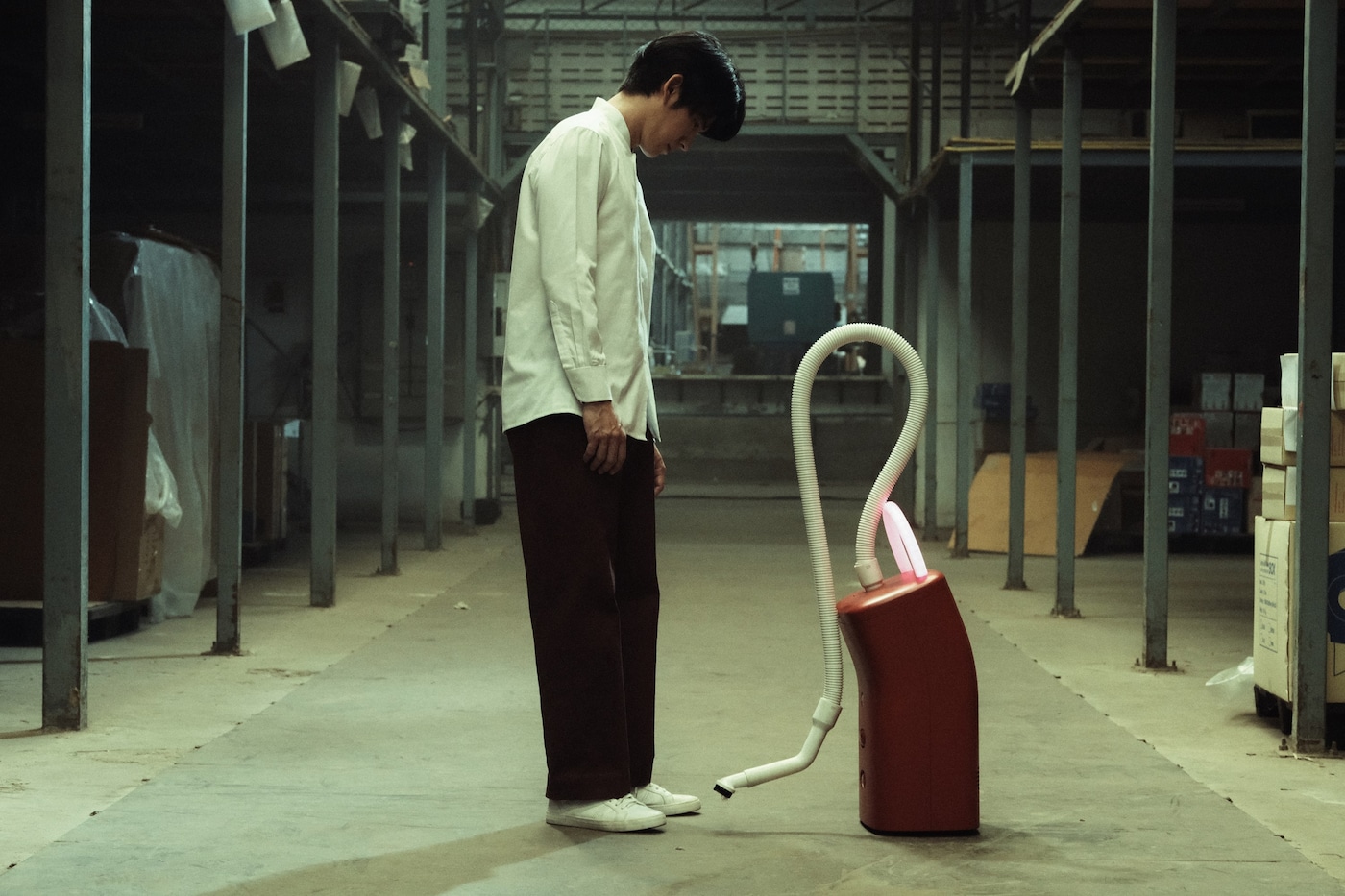
Furthermore, Boonbunchachoke offers a unique interpretation of queerness through the human-non-human dynamic of Nat and March’s relationship. Drawing on rich Thai folklore featuring human and non-human relationships—such as serpents disguised as women or tigers as men—he posits that these unions are inherently queer because they lead to the couple’s separation from the conventional community. In this vein, the human-ghost relationship in A Useful Ghost mirrors an LGBT relationship, challenging traditional definitions of partnership and societal acceptance.
The film’s very title, "A Useful Ghost," carries a poignant queer subtext deeply rooted in Thai culture. Boonbunchachoke explains a common cliché parents tell queer children in Thailand: "you can be gay as long as you are useful to society." This conditional love, which Boonbunchachoke grew up hearing, resonates profoundly with the film’s themes. "I’m fascinated by this conditional love," he states. The title thus becomes a layered metaphor: "You can be a ghost as long as you are useful to society," subtly critiquing the societal pressure on marginalized individuals to prove their worth.
Critical Acclaim and the "Trojan Horse" Effect
Since its premiere, A Useful Ghost has garnered significant international attention and critical praise. Its win at Cannes Critics’ Week, a prestigious section dedicated to discovering new talent, immediately elevated Boonbunchachoke’s profile. The LA Times’ prediction that he could be "the next Yorgos Lanthimos"—known for his absurdist, darkly comedic, and socially critical films like The Lobster and Poor Things—underscores the film’s perceived originality and intellectual depth.
While critics have frequently drawn parallels to established filmmakers like John Waters (for his transgressive humor) and Apichatpong Weerasethakul (for his distinctive Thai mystical cinema), Boonbunchachoke remains ambivalent about these comparisons. He admires Waters but doesn’t see a direct influence, and while he respects Weerasethakul as a "Thai master," he finds the constant name-dropping limiting for young Thai filmmakers. Instead, he offers his own artistic mantra, having instructed his cinematographer and production designer to ensure the film is "both elegantly perverted and perversely elegant"—a descriptor that perfectly encapsulates its unique aesthetic and thematic balance.
The director takes immense pleasure in observing audiences’ reactions. Many walk into screenings expecting a simple sex farce involving a hoover, only to emerge discussing complex political dissidents and historical injustices. This "Trojan horse" effect, as he describes it, is a testament to the film’s ability to engage and provoke thought. Despite acknowledging its potentially divisive nature, the film has largely been a crowd-pleaser, evidenced by sold-out screenings at the London Film Festival and enthusiastic reviews globally.
Distribution Paradox and the Road Ahead
Despite its international critical success and positive audience reception, A Useful Ghost faces an curious distribution paradox. While it has secured distribution across Europe, including unexpected markets like Iceland, it currently lacks a distributor in the United Kingdom. "We have distribution across Europe. Even Iceland! But not in the UK. I don’t know why," Boonbunchachoke expresses with a touch of bewilderment. This situation highlights the often unpredictable and challenging landscape of independent film distribution, where even highly acclaimed foreign-language films can struggle to find a foothold in certain territories, possibly due to perceived niche appeal, market saturation, or risk aversion from distributors.
For UK audiences, the upcoming screening at Barbican Cinema on May 20 as part of the Queer East Festival presents a crucial, and potentially singular, opportunity to experience this cinematic phenomenon. Without a broader distribution deal, such festival screenings become vital platforms for independent and culturally significant films to reach their intended audience.
Ratchapoom Boonbunchachoke: A Rising Voice
Born in Bangkok, Ratchapoom Boonbunchachoke’s journey into feature filmmaking follows a path of distinctive creative exploration. His breakthrough came in 2020 with the 30-minute spy-thriller Red Aninsri; Or, Tiptoeing on the Still Trembling Berlin Wall. This short film, eschewing commerciality, featured a transgender sex worker going undercover as a cisgender man with a deeper voice, further demonstrating his early commitment to challenging conventions and exploring marginalized identities.
Before the widespread acclaim for A Useful Ghost, Boonbunchachoke supported his artistic endeavors by writing TV dramas, a pragmatic pursuit he describes as "simply serving a client, not protecting his own storylines." This commercial work stands in stark contrast to his film projects, where he meticulously crafts his narratives. He is currently developing his second feature and remains committed to scripting his directorial projects, envisioning a phase where he will write at least his first three films himself. While he jokes about potentially returning to TV writing to "pick up a TV writing job again, because I’m running out of money," he is resolute in his artistic ambition: "I want to establish my identity as a filmmaker. At least the first three films, I want to write myself. After that? Maybe I’ll move to a new phase of my life where I’m like, ‘OK, I want to have lots of money. I’ll make something more commercial.’"
A Useful Ghost is not just a film; it is a cultural artifact that uses humor and absurdity to peel back layers of political repression, societal prejudice, and historical amnesia in Thailand. Its audacious premise serves as a brilliant disguise for a deeply intellectual and emotionally resonant work, marking Ratchapoom Boonbunchachoke as a filmmaker with a singular vision and a powerful voice. As it makes its limited appearance at the Queer East Festival, the film stands as a testament to the enduring power of cinema to entertain, challenge, and enlighten.
A Useful Ghost screens at Barbican Cinema on May 20 as part of Queer East Festival. Queer East Festival takes place May 1 to June 6 across venues in London. More information can be found at www.queereast.org.uk.