









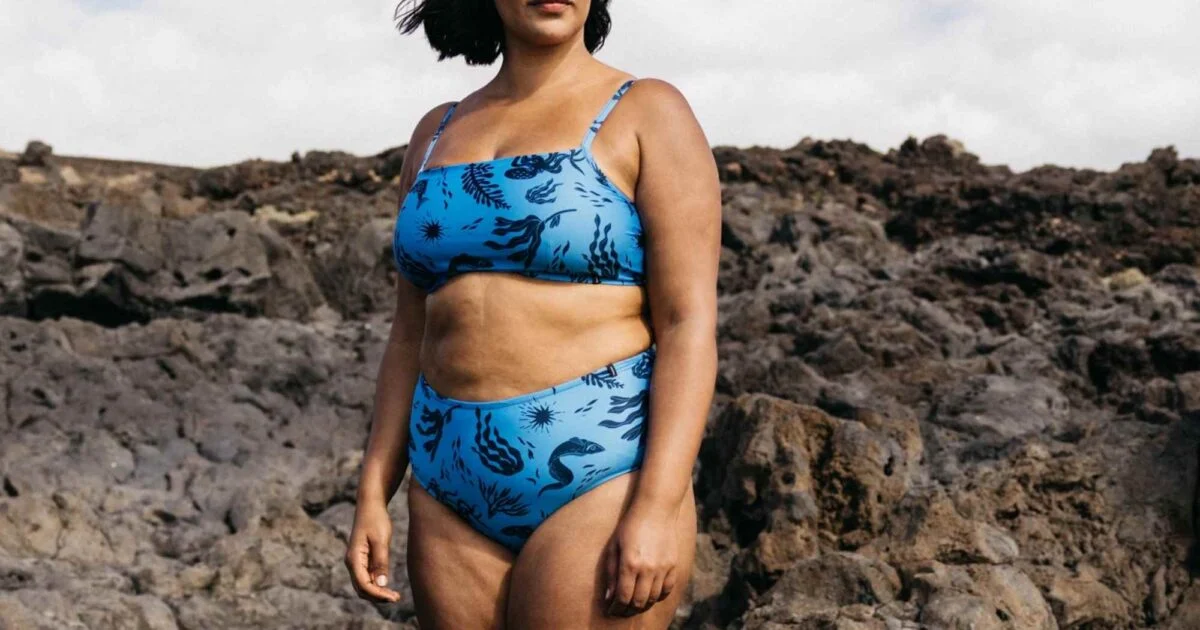
Bikini season ushers in a familiar quest for the perfect swimsuit, a garment designed for comfort, style, and utility for everything from leisurely poolside lounging to active marine pursuits. However, beneath the surface of fleeting trends lies a growing imperative to address the significant environmental and social impact of swimwear production. This season, discerning consumers are increasingly turning their attention towards sustainable alternatives, seeking garments that align with ethical values without compromising on quality or aesthetic appeal. This comprehensive guide explores the complexities of sustainable swimwear, highlights innovative material solutions, and spotlights leading brands making tangible strides toward a more responsible fashion future, offering options that cater to diverse body types and preferences.
The Environmental Imperative: Why Sustainable Swimwear Matters
The global fashion industry, valued at over $2.5 trillion, is a significant contributor to environmental degradation, with swimwear playing a particular role due to its heavy reliance on synthetic materials. Traditionally, bikinis and other swimwear items are crafted from plastics such as nylon, polyester, and spandex. These materials are favored for their elasticity, quick-drying properties, and resistance to chlorine and saltwater, making them ideally suited for aquatic environments. However, their pervasive use presents a major environmental challenge: these are petroleum-based plastics that are inherently non-biodegradable. This means they do not decompose naturally, persisting in landfills for hundreds of years, contributing to the ever-growing global waste crisis.
Beyond their persistence in waste streams, synthetic swimwear poses another critical threat: microfiber pollution. Each time synthetic garments are washed, tiny plastic fibers – microfibers – are shed and released into waterways. Research indicates that a single load of laundry can release hundreds of thousands of these microscopic particles, which bypass wastewater treatment plants and ultimately enter rivers, lakes, and oceans. Once in aquatic ecosystems, microfibers are ingested by marine life, from plankton to fish, and can travel up the food chain, potentially affecting human health. The scale of this problem is immense; studies suggest that microfibers account for a significant portion of plastic pollution in the world’s oceans. Environmental advocacy groups, such as the Plastic Pollution Coalition and the Ellen MacArthur Foundation, consistently highlight the urgency of transitioning away from virgin synthetics and implementing solutions to mitigate microfiber release.
Moreover, the fast fashion cycle exacerbates these issues. The constant demand for new trends, often at low price points, encourages overproduction and rapid consumption. Consumers, myself included, can easily get carried away, filling drawers with numerous swimsuits for every occasion or fleeting style. This perpetual cycle of "wear once, discard quickly" places immense pressure on natural resources and generates vast quantities of waste, further contributing to the environmental footprint of the fashion industry. The production of virgin polyester, for example, is highly energy-intensive, requiring significant amounts of crude oil and releasing greenhouse gases, thereby contributing to climate change.
A Shift in Production: Innovating Materials for a Greener Future
Fortunately, the fashion industry is witnessing a transformative shift towards more sustainable practices, particularly in swimwear. This evolution is driven by both consumer demand and technological innovation, leading to the development and adoption of lower-impact materials. The timeline of swimwear materials has seen a gradual progression: from early wool and cotton in the 19th century, to the dominance of petroleum-based synthetics in the mid-20th century, and now, to a burgeoning era of recycled and natural alternatives.
A significant breakthrough came with the introduction of ECONYL, a regenerated nylon yarn developed by the Italian firm Aquafil. Launched in 2011, ECONYL represents a circular economy approach, transforming synthetic waste – including industrial plastic, discarded fishing nets, and waste fabric – into a new nylon yarn. This process not only diverts waste from landfills and oceans but also offers substantial environmental benefits. According to Aquafil, the ECONYL regeneration process reduces the global warming impact of nylon by up to 90% compared to material from virgin oil, and for every 10,000 tons of ECONYL material, 70,000 barrels of crude oil are saved, and 57,100 tons of CO2 equivalent emissions are avoided. This innovative material maintains the same quality and performance characteristics as virgin nylon, making it a viable and preferred choice for high-performance swimwear.
Beyond ECONYL, other recycled synthetic materials are gaining traction. REPREVE, for instance, created by Unifi, is another leading brand of recycled performance fibers, primarily made from post-consumer plastic bottles. Brands using REPREVE contribute to diverting plastic waste from landfills, giving it a new life as durable, functional swimwear fabric. The manufacturing of REPREVE also conserves energy and water compared to producing virgin polyester.
The exploration of natural alternatives is also a key area of innovation. While historically challenging for swimwear due to their absorbency and slower drying times, materials like hemp and organic cotton are being adapted for specific applications or blended with minimal synthetics. Hemp, known for its strength, durability, and minimal environmental footprint (requiring less water and no pesticides compared to conventional cotton), is now being processed to create fabrics suitable for swimwear. Natasha Tonic, for example, utilizes a unique hemp fiber that is naturally antimicrobial, UV resistant, and durable, offering a healthier, biodegradable option for both skin and oceans. Organic cotton, grown without harmful synthetic pesticides or fertilizers, offers a softer, breathable alternative, often used in linings or for less performance-intensive swimwear designs. The gentle hand washing often recommended for these lower-impact materials also serves the dual purpose of prolonging garment life and significantly reducing microfiber release, a practical solution that aligns consumer behavior with environmental stewardship.
However, the journey to full sustainability is complex. Brands face the challenge of balancing performance requirements (stretch, quick-drying, chlorine resistance) with environmental impact. While recycled synthetics are a significant improvement, they still release microfibers, necessitating further innovation in fiber technology and washing solutions (e.g., Guppyfriend washing bags). The rise of these materials signifies a critical turning point, demonstrating that style and performance can indeed coexist with environmental responsibility.
Navigating the Market: Identifying Truly Ethical Brands
With the growing consumer interest in sustainability, the market has seen an influx of brands claiming eco-friendly credentials. This surge has, however, brought with it the challenge of "greenwashing" – deceptive marketing practices that mislead consumers into believing products are more environmentally sound than they actually are. A brand might tout a single sustainable feature, like using recycled polyester, while overlooking detrimental labor practices or a non-transparent supply chain.
Therefore, identifying genuinely ethical and sustainable swimwear brands requires a holistic approach that extends beyond just materials. It’s crucial to consider the brand’s entire operational footprint, encompassing its impact on people, the planet, and animals. Industry reports, such as those from McKinsey & Company and the Boston Consulting Group, indicate a significant rise in consumer preference for transparent and ethical brands, driving the need for rigorous assessment.
Organizations like Good On You play a pivotal role in demystifying these complexities. Their comprehensive rating system evaluates brands across various dimensions:
- Environmental Impact: This includes material sourcing (virgin vs. recycled, organic, low-impact dyes), water usage, energy efficiency, waste management, and carbon footprint.
- Labor Conditions: Assessment covers fair wages, safe working environments, supply chain transparency, and policies against forced labor and child labor. Brands are scrutinized for their relationships with manufacturers and their commitment to ethical production at every stage.
- Animal Welfare: For brands that use animal-derived materials, this criterion examines whether practices adhere to ethical standards, such as sourcing from certified humane farms or avoiding harmful materials. While less directly applicable to most swimwear (which is typically synthetic or plant-based), it highlights the broader ethical lens applied to fashion.
A truly sustainable brand demonstrates commitment across all these pillars. It not only utilizes lower-impact materials but also ensures fair working conditions for its garment workers, minimizes its carbon footprint, and maintains transparency throughout its supply chain. The best brands are those that are open about their practices, acknowledge their challenges, and continuously strive for improvement. Consumers, armed with information and critical thinking, are empowered to make choices that genuinely support a more ethical and sustainable fashion ecosystem.
Spotlight on Sustainable Swimwear Innovators
The following brands are making significant waves in the sustainable swimwear market, each demonstrating a commitment to ethical practices, innovative materials, and responsible production. They represent a diverse range of styles, price points, and sustainability focuses, offering conscious choices for every individual.
Underprotection
This Danish brand seamlessly blends ethics and aesthetics, offering underwear, loungewear, and swimwear crafted from lower-impact materials like organic cotton and recycled synthetics. Underprotection is renowned for its commitment to fair working conditions and wages, partnering exclusively with certified factories. All packaging is either recycled or biodegradable, underscoring their dedication to circularity. Their goal is to celebrate women of all kinds, ensuring comfort and beauty, with sizes available in XS-XL.
Loop Swim
Founded by two women from the US and India and headquartered in Shanghai, Loop Swim is driven by a mission to close the loop on waste. They transform post-consumer plastic bottles into high-performance REPREVE UP50+ sun protective swimwear for men, women, and children. Their designs are trendless and high-quality, developed to retain shape and color through countless swims, promoting longevity and reducing the need for frequent replacements. Most items are available in sizes XS-XL.
1 People
A Danish-designed lifestyle and luxury brand, 1 People embodies Scandinavian minimalism and elegant design. Their collections are thoughtfully crafted by small, family-run manufacturers using certified and lower-impact materials. This approach ensures both ethical production and a reduced environmental footprint, offering effortlessly elegant pieces for the conscious-minded consumer. The collection is available in sizes XS-XL.
Anekdot
Based in Berlin, Anekdot creates exquisite, more sustainable designer underwear, swimwear, and loungewear. Their unique approach involves upcycling materials from production leftovers, deadstock fabrics, and vintage trimmings. This creative reuse of materials results in limited-edition products, giving forgotten textiles a new life and reducing waste. Most products are available in sizes XS-XL.
ColieCo
A Portuguese brand specializing in lingerie, underwear, and swimwear, ColieCo prides itself on its handmade-to-order process. Every garment is meticulously manufactured using exclusively lower-impact and responsibly sourced fabrics. This bespoke approach minimizes waste and ensures that each piece is crafted with care and ethical consideration. The range is inclusive, spanning sizes from 2XS-3XL.
Natasha Tonic
Challenging the synthetic dominance in swimwear, Natasha Tonic pioneers the use of hemp. Their swimwear fabric is based on a unique, natural hemp fiber that is antimicrobial, UV resistant, durable, and a healthier choice for both skin and oceans. Each piece is hand-printed, ensuring a unique aesthetic and tailored fit for a gorgeous, sustainable look. Collections are available in sizes XS-L.
Kampos
This luxurious Italian brand is committed to creating a world with integrity and conscience, focusing on marine conservation. Kampos aims to raise awareness about over-fishing and marine pollution by offering unique pieces made from recycled plastic bottles, fishing nets, and other lower-impact organic fabrics. Their swimwear combines high fashion with a profound environmental message. Most products are available in sizes XS-2XL.
Finisterre
Born from the rugged needs of British surfers, Finisterre is a pioneering, more sustainable outdoor brand. It’s built on inspiring a love for the sea and anchored in producing exceptional, durable products. Their commitment to sustainability is woven into their core ethos, ensuring their swimwear and other outdoor gear withstand the elements while respecting the environment. Most items are available in Sizes XS-2XL.
BONDI BORN
An Australian brand known for its sophisticated and minimalist aesthetic, BONDI BORN offers conscious swimwear made from premium, sustainable fabrics. While the original description highlighted a linen blend top and skirt, BONDI BORN’s core swimwear collection utilizes innovative, high-quality recycled fabrics and is produced with a strong emphasis on ethical manufacturing and supply chain transparency. They deliver versatile and elegant pieces designed to last. Garments are available in sizes XS-L.
Modibodi
This Australian brand is celebrated for its original period and leak-proof underwear, and importantly, also offers period swimwear. Modibodi’s innovative technology provides comfortable and reliable protection, allowing individuals to enjoy water activities without worry, all while using sustainable fabrics. Their inclusive sizing ranges from 3XS-6XL, catering to a broad spectrum of body types.
NIKIN
A Swiss brand with a strong moral compass, NIKIN takes environmental responsibility to heart. For every product purchased, a tree is planted, allowing customers to tangibly contribute to reforestation efforts. This direct action, combined with their commitment to sustainable production, makes NIKIN a brand for those who truly wish to wear their values. Products are available in sizes XS-2XL.
TWOTHIRDS
TWOTHIRDS positions itself as a brand for individuals deeply aware of the immense value of our oceans, who also seek style and substance. They prioritize local manufacturing to significantly reduce their carbon footprint and rigorously audit all final stages of production, ensuring ethical and environmentally sound practices. Their clothes can be found in sizes XS-L.
Spell
An Australian fashion brand drawing inspiration from far-off places, vintage treasures, and childhood memories, Spell designs and samples its clothes in Byron Bay. They are committed to responsible production in factories around the world, focusing on ethical sourcing and manufacturing processes to create their distinctive bohemian-inspired collections, including swimwear. Most garments are available in sizes 2XS-2XL.
Afends
Born in Byron Bay, Australia, Afends is a leading force in hemp fashion. Drawing inspiration from the environment, streetwear, and surf culture, their mission is to create more sustainable clothing through innovation and positive change. As passionate hemp advocates, they even purchased 100 acres of farmland, Sleepy Hollow, to grow their own hemp crops, spearheading a true "hemp revolution." Most of their range is available in sizes XS-XL.
CASAGiN
This Italian brand is dedicated to designing apparel for those aspiring to a more sustainable and conscious lifestyle. CASAGiN’s swimwear reflects this philosophy, offering pieces that are not only stylish but also produced with careful consideration for environmental impact and ethical standards, promoting longevity in the wardrobe. Most items are available in sizes XS-2XL.
Koraru
Named after the Japanese pronunciation of "coral," Koraru is a Tokyo-based brand inspired by circularity principles. They create swimwear using lower-impact materials, actively participate in a recycling program for their products, and partially trace their supply chain to ensure transparency and ethical production. Available in sizes XS-XXL, Koraru offers a blend of Japanese design sensibility with profound environmental consciousness.
The Future of Swimwear: Consumer Power and Industry Responsibility
The trajectory of the sustainable swimwear market is unequivocally upward. Growing consumer awareness, fueled by increased media attention on climate change, plastic pollution, and social injustice, is driving demand for more responsible products. Industry forecasts predict continued growth in the ethical fashion segment, with sustainable swimwear poised to capture a significant share of this expanding market. This shift is not merely a trend but a fundamental recalibration of consumer values and industry practices.
The implications are far-reaching. As more consumers prioritize transparency and sustainability, brands that fail to adapt risk losing market share and relevance. This competitive pressure encourages further innovation in material science, manufacturing processes, and supply chain management. We can anticipate the development of even more advanced recycled materials, bio-based synthetics, and biodegradable alternatives that offer superior performance while minimizing environmental harm. Furthermore, increased collaboration between brands, material scientists, and environmental organizations will be crucial in accelerating progress.
Ultimately, the power lies with the consumer. Every purchase is a vote for the kind of industry we want to support. By choosing sustainable swimwear from brands committed to ethical practices, individuals contribute to a virtuous cycle: encouraging further innovation, demanding greater transparency, and fostering a more responsible global fashion ecosystem. The future of swimwear is not just about looking good, but about doing good, ensuring that our enjoyment of the water doesn’t come at the expense of our planet or its people.