








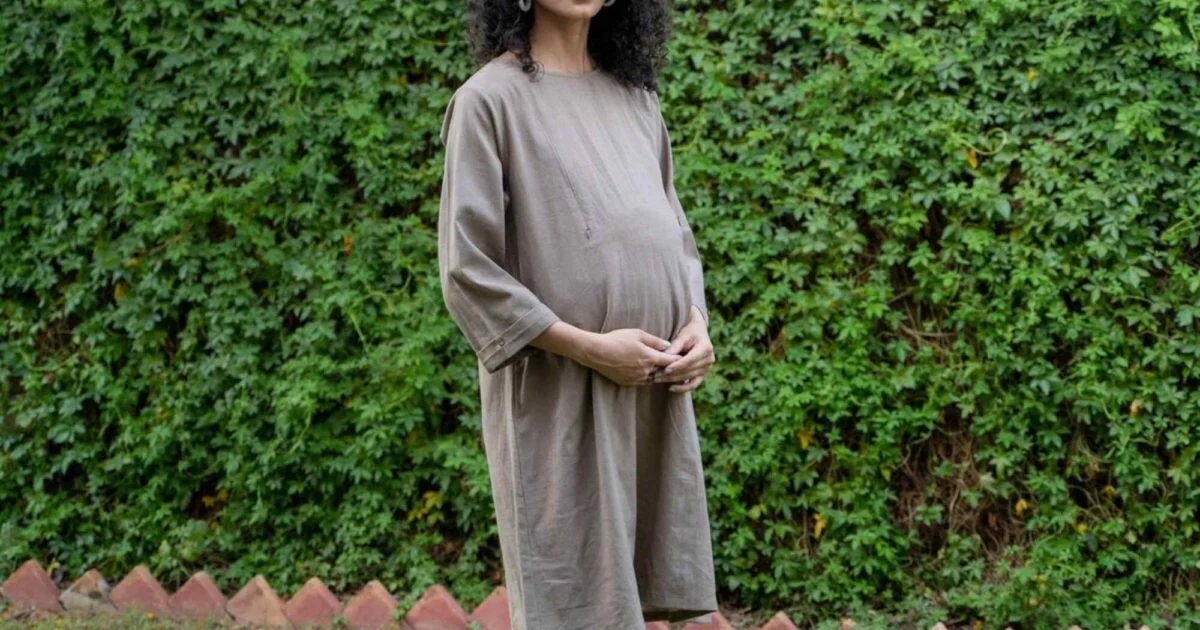
The journey of pregnancy and new parenthood brings with it a unique set of needs, not least among them the quest for comfortable, supportive, and stylish clothing. However, in an era of heightened environmental and social consciousness, a growing number of expectant and nursing parents are extending their ethical considerations to their wardrobes, seeking out brands that align with values of sustainability and fair production. This article delves into the burgeoning market of ethical and sustainable maternity and nursing wear, offering a meticulously curated selection of brands that meet rigorous standards for environmental impact, labor practices, and material sourcing, alongside practical advice for building a conscious maternity wardrobe.
The Evolving Landscape of Conscious Consumption for New Parents
The fashion industry, historically a significant contributor to global pollution and exploitative labor practices, is undergoing a transformative shift. Consumers are increasingly demanding transparency and accountability from brands, driving a movement towards more sustainable and ethical production models. This demand is particularly pronounced among parents-to-be, who often prioritize health and environmental safety for their developing children and the world they will inherit.
Maternity and nursing clothing present a distinct challenge within this context. Designed for a temporary, albeit significant, phase of life, these garments must accommodate rapidly changing body shapes, offer specialized functionality for nursing, and provide unparalleled comfort. The transient nature of maternity wear can paradoxically lead to increased textile waste if not approached thoughtfully. Fast fashion options, while seemingly convenient and affordable, often rely on synthetic materials, harmful dyes, and exploitative labor, contradicting the very values many conscious parents strive to uphold. Furthermore, the close contact of clothing with sensitive skin, both for the mother and eventually the baby during nursing, amplifies concerns about chemical residues in fabrics. Therefore, the search for ethical maternity wear is not merely a trend but a fundamental reflection of parental responsibility and a commitment to a healthier future.
Beyond New Purchases: A Holistic Approach to Maternity Wardrobes
Before exploring new acquisitions, the most sustainable approach to maternity wear involves maximizing existing resources. Many garments already present in a pre-pregnancy wardrobe can be adapted for the early and even later stages of pregnancy. Items such as stretchy leggings, oversized cardigans, wrap dresses, and roomy tops or jumpers often provide ample comfort and flexibility without the need for specialized maternity cuts. This strategy not only reduces consumption but also fosters creativity in styling.
Moreover, the secondhand market offers a robust and often overlooked avenue for acquiring maternity essentials. Given the relatively short period maternity clothes are worn, pre-loved options are frequently in excellent condition and significantly more affordable. Online platforms, local consignment stores, and community groups specializing in parent-to-parent exchanges are invaluable resources. For instance, platforms like Retykle have emerged as curated marketplaces for pre-loved maternity items, facilitating a circular economy for these specialized garments. Borrowing from friends or family who have recently navigated pregnancy also presents a practical and communal solution, further extending the lifecycle of clothing and fostering a spirit of sharing. When the decision is made to purchase new items, conscious investment in high-quality, ethically produced pieces becomes paramount.
Navigating the Market: Good On You’s Rigorous Standard
Identifying genuinely ethical and sustainable brands can be a complex task amidst widespread greenwashing. Independent rating systems, such as that employed by Good On You, provide invaluable guidance. These systems rigorously assess brands across multiple dimensions:
- Environmental Impact: Evaluating resource use (water, energy), waste management, pollution control, and material sourcing (e.g., organic, recycled, low-impact fibers).
- Labor Practices: Examining worker conditions, fair wages, safety standards, and transparency within the supply chain, often through third-party certifications like Fairtrade or GOTS.
- Animal Welfare: Assessing the use of animal products and ensuring ethical treatment within the supply chain, where applicable.
Brands featured in this guide have undergone such stringent assessments, ensuring they meet high benchmarks for responsible production. This transparency empowers consumers to make informed decisions that align with their values, contributing to a more sustainable fashion ecosystem. The criteria for these ratings are dynamic, reflecting continuous advancements in sustainability practices and evolving industry standards, necessitating regular updates to brand evaluations. This article itself has been updated on March 30, 2026, to reflect the most current ratings and brand selections, underscoring the ongoing commitment to accuracy and relevance in this rapidly evolving sector.
Spotlight on Dedicated Ethical Maternity Brands
A select group of brands has risen to the challenge of providing dedicated maternity and nursing wear that prioritizes both the wearer’s well-being and planetary health.
SeamsFriendly
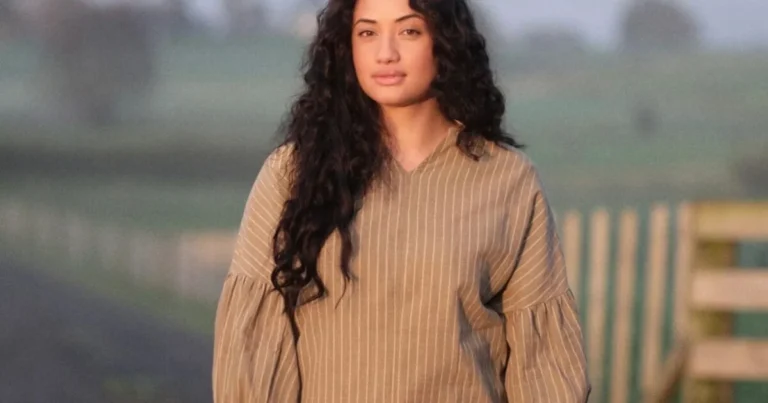
SeamsFriendly distinguishes itself through its commitment to customisation and the use of lower-impact materials. Specializing in tailored pieces for all body types, the brand emphasizes function and utility in its designs, utilizing organic cotton and linen. A standout feature is the ability for shoppers to customize designs to their exact preferences, modifying neck styles, depths, sleeve lengths, garment lengths, and even fabric choices. This made-to-order model significantly reduces textile waste by avoiding mass production and excess inventory, a common problem in the fashion industry. The brand’s inclusive sizing, ranging from a bust size of 26″-70″ and waist size of 19″-63″ for womenswear (including petite, regular, and tall heights), and similar comprehensive ranges for menswear and children, ensures a perfect fit for diverse bodies, enhancing comfort and the longevity of each garment. By crafting pieces when ordered, SeamsFriendly champions artisanal work and fosters a deeper connection between the wearer and their clothing, embodying the principle that the most sustainable wardrobe is one that fits perfectly and lasts.
Underprotection
From Denmark, Underprotection seamlessly blends ethics with aesthetics, offering underwear, loungewear, and swimwear crafted from lower-impact materials such as organic cotton. The brand’s commitment extends to its entire operational footprint: all packaging, paper, and polybags are either recycled or biodegradable. Underprotection exclusively partners with certified factories, firmly believing that "fair working conditions and fair wages are human rights." This dedication to social responsibility ensures that every garment is produced under equitable and safe conditions. The brand’s mission to celebrate women of all kinds is reflected in its inclusive design philosophy, aiming to make every woman feel beautiful and comfortable throughout all stages of life, including pregnancy and nursing. Its range is available in sizes XS-XL.
Sorella Organics
Hailing from Australia, Sorella Organics offers a certified organic sleepwear collection that includes a dedicated maternity range. Founder Anna McGregor’s background in international human rights work deeply informs the brand’s ethos. Sorella Organics utilizes Fairtrade certified cotton, ensuring that strict social standards are met throughout the production and trading processes. This commitment directly benefits cotton farmers and garment workers, providing them with fair wages and safe working conditions. The brand proves that ethical production does not necessitate exorbitant prices, making sustainable choices accessible to a broader audience. Available in sizes S-XL, Sorella Organics provides conscious comfort for expectant and new mothers.
Subset (Knickey)
The US-based brand, Subset (formerly Knickey), is renowned for its organic cotton underwear sets, produced in a Fairtrade certified factory. Their commitment to responsible fashion extends beyond production to end-of-life solutions. Subset has partnered with an NYC non-profit to establish a groundbreaking recycling program for old undergarments, transforming textile waste into insulation and rug pads. This initiative not only diverts waste from landfills but also encourages consumers to refresh their intimates responsibly. Offering most items in sizes 2XS-4XL, Subset provides comfortable, ethically made essentials for all, including maternity-specific briefs designed for changing bodies.
BJ’s PJs, Q for Quinn, and Eco Intimates
These brands further exemplify the commitment to ethical and sustainable practices within the essentials and loungewear categories. Australia-based BJ’s PJs focuses on minimal, comfortable, and supportive lounge and sleepwear using lower-impact materials. By manufacturing garments locally, they significantly reduce shipping-related carbon emissions and maintain close oversight of their supply chain. Available in sizes XS-4XL, their offerings cater to a wide demographic. Q for Quinn provides sustainable, non-toxic, and eczema-friendly clothing for all ages, crafted from organic, responsibly sourced materials, making them ideal for sensitive skin during pregnancy. Eco Intimates, another Australian brand, specializes in organic cotton lingerie, intimates, and sleepwear, emphasizing natural materials for women who prioritize their bodies and the Earth. Their loungewear is available in XS-2XL, with some lingerie extending up to 4XL. These brands collectively underscore the growing availability of consciously made foundational garments.
Expanding Horizons: Sustainable Brands Beyond Traditional Maternity Lines
Many ethical brands, while not offering dedicated maternity lines, provide versatile designs and high-quality materials that can comfortably accommodate a changing body shape. These options allow consumers to invest in pieces with a longer lifespan, usable both during and after pregnancy, further promoting the "buy less, buy better" philosophy.
Christy Dawn
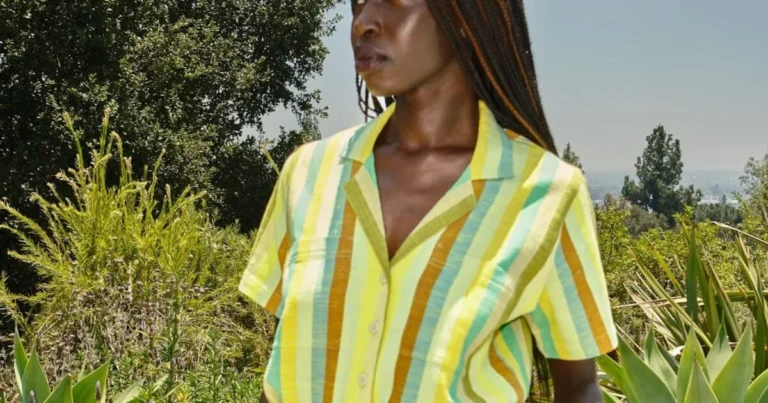
Christy Dawn is a US-based brand celebrated for its vintage-inspired women’s clothing and footwear. The brand rates "Great" for its commitment to sustainability, notably by crafting garments locally from surplus fabrics. This use of "deadstock" material prevents perfectly good textiles from ending up in landfills, significantly reducing environmental impact. Many of Christy Dawn’s designs, particularly their flowy dresses and relaxed silhouettes, naturally lend themselves to maternity wear, offering comfort and style without specific maternity adaptations. Their extensive sizing, including standard XS-XL and dedicated Extended and Petite collections, ensures that a wide range of body types can find suitable options.
Indilisi
Indilisi creates clothing with a strong focus on heritage crafts and handweaving, utilizing surplus fabrics sourced from deadstock material. Their dedication to traditional artistry and waste reduction makes their pieces inherently sustainable. The brand’s designs often feature relaxed fits and natural fibers, which can provide comfort and adaptability during pregnancy, offering a unique blend of cultural richness and environmental responsibility.
Oobi
Australian brand Oobi, known for girl’s fashion, swimwear, homewares, and lifestyle products, also offers women’s pieces with attributes suitable for maternity. The brand uses low-impact, non-toxic dyes throughout its range, ensuring chemical safety for both wearers and the environment. Oobi abstains from using animal products and opts for sea freight for product transportation, significantly reducing its climate impact compared to airfreight. Their flowing dresses and comfortable styles can be adaptable for maternity, providing vibrant and ethically made options. Oobi further supports circularity by having pre-loved items available through platforms like Retykle.
Seek Collective
Seek Collective, a US brand, is dedicated to transparency, authenticity, craft, and sustainability. They create thoughtfully made items in India through partnerships with like-minded communities and artisans. Their focus on establishing connections between art, product, consumers, process, and makers results in unique, high-quality garments. Many of their designs, characterized by relaxed fits and natural fabrics, can comfortably accommodate a growing belly, providing stylish and ethical options for pregnant individuals. The brand offers most products in XS-L, with an extended sizing range up to 4XL.
Petit Pli
While not a maternity clothing brand in the traditional sense, Petit Pli designs award-winning clothes that grow with children, engineered for play, planet, and purpose. Blending aerospace innovation with ethical manufacturing, Petit Pli reshapes fashion for the next generation by creating garments that expand multiple sizes. This revolutionary approach embodies the ultimate in clothing longevity and waste reduction, a principle that resonates deeply with conscious parents. Though their direct offerings are for children, their philosophy of designing for extended use and minimal waste provides a powerful example of sustainable innovation within the broader family fashion ecosystem. For parents seeking to instil values of sustainability from an early age, Petit Pli’s innovative approach offers a compelling model.
The Broader Impact: Empowering Consumers and Shaping Industry
The shift towards ethical and sustainable maternity wear is more than just a niche market; it represents a powerful force for change within the broader fashion industry. By choosing brands committed to responsible practices, consumers actively support fair labor, environmental protection, and innovative design. This collective purchasing power signals to the industry that ethical considerations are not merely secondary concerns but fundamental drivers of consumer choice.
The implications are far-reaching. Increased demand for sustainable maternity wear encourages more brands to invest in lower-impact materials, adopt circular design principles, and ensure transparent, ethical supply chains. It also fosters innovation, leading to the development of new eco-friendly fabrics and production methods. Ultimately, by making conscious choices about what they wear during this pivotal life stage, parents-to-be contribute to a more equitable and sustainable world, one garment at a time, ensuring a healthier planet for their little ones to enjoy.
Editorial Note: Feature image via SeamsFriendly, all other images via brands mentioned. Good On You publishes the world’s most comprehensive ratings of fashion and beauty brands’ impact on people, the planet, and animals. This article was updated on March 30, 2026. Our editors frequently make updates to articles to ensure they’re up to date, including refreshing our selection of brands to ensure we’ve included those with recent ratings.