











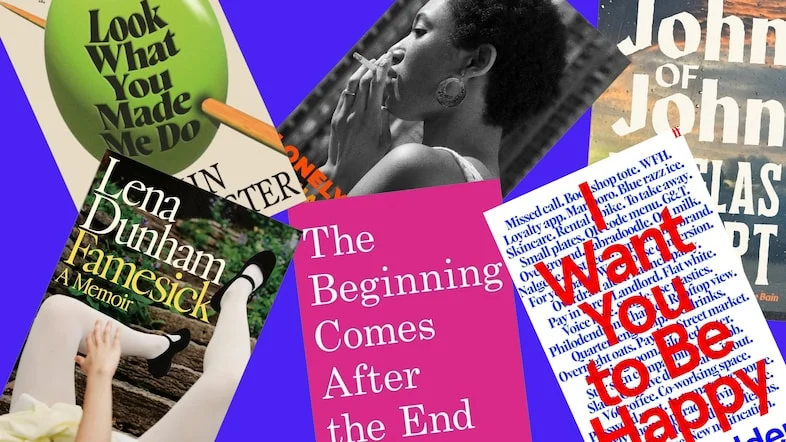
As the natural world awakens with the vibrant hues of cherry blossoms and the sun reclaims its dominance in the sky, a familiar seasonal ritual commences: reading in the park. This annual migration to sun-drenched green spaces sparks an ongoing, light-hearted debate—is the act of immersing oneself in a book outdoors genuinely relaxing, or is it a collective, slightly uncomfortable performance fueled by a desperate quest for Vitamin D? Regardless of one’s personal stance on the ergonomics of park benches versus cozy armchairs, the arrival of spring undeniably ushers in an ideal atmosphere for literary exploration. This season presents a rich harvest of new releases, featuring both groundbreaking debuts and eagerly anticipated works from established literary giants, offering compelling narratives and profound insights to accompany every sun worshipper and shaded reader alike. Our carefully curated selection delves into a diverse range of genres and themes, ensuring there’s a perfect companion for every disposition as the days lengthen and the world blossoms.
Deep Dive into Spring’s Literary Landscape
This spring’s literary offerings span an impressive spectrum, from intensely personal memoirs and psychological thrillers to sweeping historical biographies and thought-provoking essays on societal change. Each selected title promises not just an escape but an engagement with complex ideas, intricate characters, and narratives that resonate long after the final page.
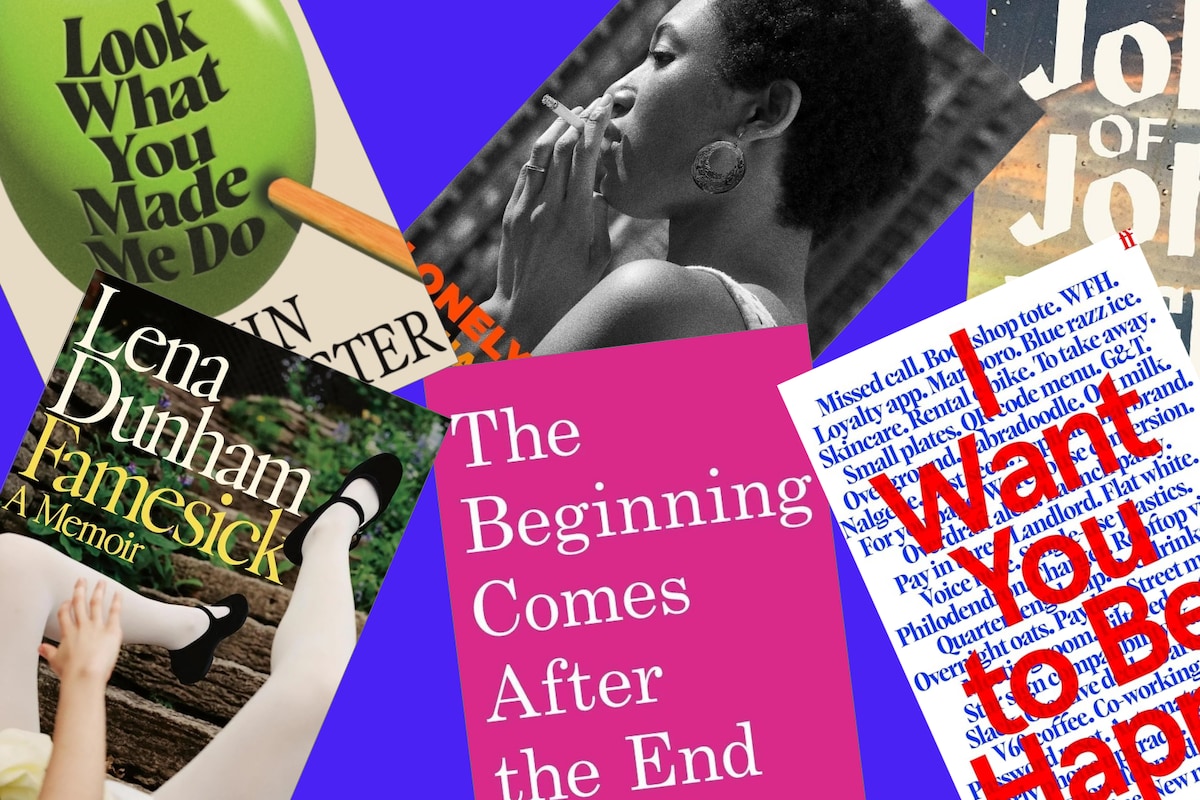
Lonely Crowds by Stephanie Wambugu: A Nuanced Exploration of Friendship and Identity
Stephanie Wambugu’s Lonely Crowds emerges as a powerful and introspective novel, making astute observations about the intricate dynamics of family, sexuality, and love. Set against the vibrant, often tumultuous, backdrop of the New York City art scene in the 1990s, the narrative centers on Ruth and Maria, two Black best friends whose relationship transcends mere companionship, delving into the realms of profound codependency. Wambugu meticulously crafts a tale where the lines between platonic affection and obsessive attachment blur, offering readers a raw and honest portrayal of emotional entanglement.
The novel is lauded for its exceptionally sharp prose, with many passages resonating deeply with readers. One particularly poignant reflection, "I was afraid that relationships could be ruined just by being thought about. But then again, what did it say about the quality of a relationship if it fell apart under the mildest scrutiny?" encapsulates the book’s psychological depth and its willingness to interrogate the fragility of human connections. Ruth’s intense preoccupation with Maria forms the core of the story, an obsession that, as noted by critics like Philip Janowski, both imbues her life with meaning and simultaneously jeopardizes her well-being. Wambugu skillfully navigates the complexities of identity, ambition, and vulnerability within a friendship that feels as heady and consuming as any romance. The exploration of racial identity within the predominantly white art world of the 90s adds another crucial layer to this already rich narrative, highlighting the unique challenges and experiences faced by its protagonists. Readers will find themselves deeply immersed in Ruth’s journey, grappling with the profound impact of her choices and the enduring power of her bond with Maria. The novel not only captivates but also prompts a deeper understanding of the human heart’s capacity for both profound connection and destructive fixation.
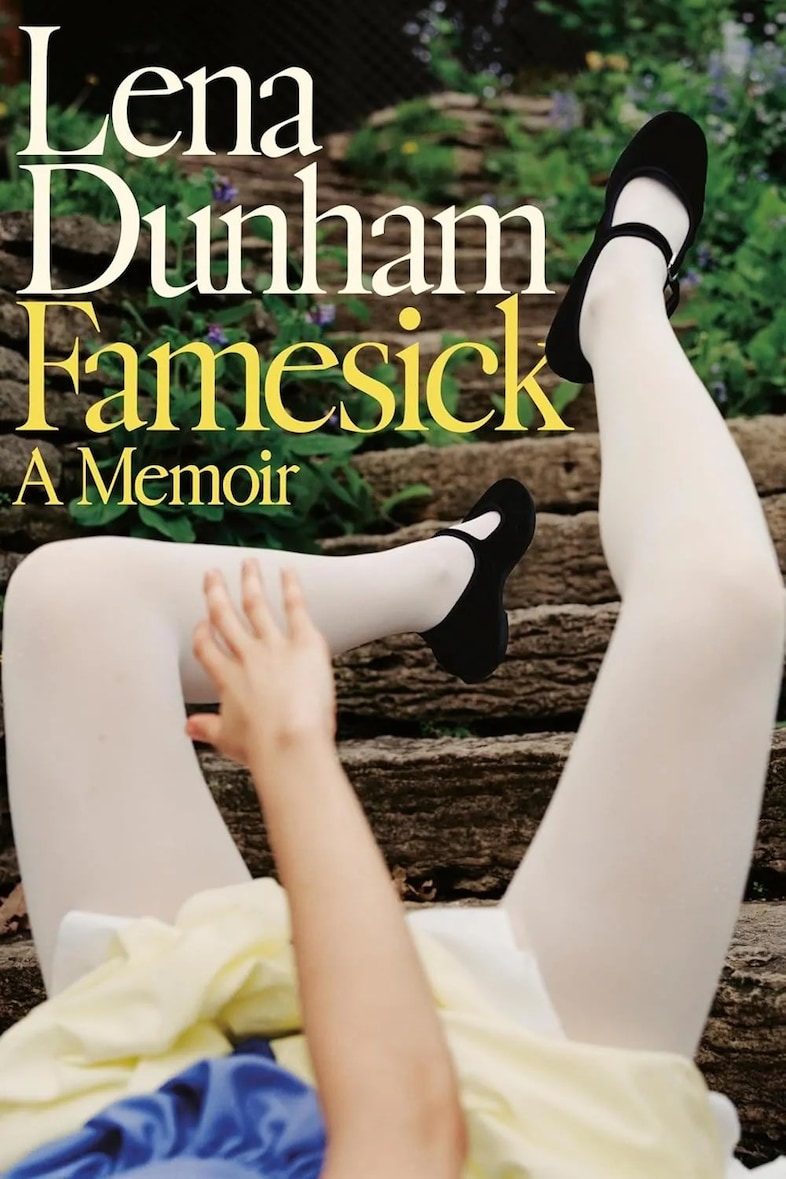
Famesick by Lena Dunham: Unpacking the Complexities of Public Life and Personal Bonds
Lena Dunham, a figure synonymous with provocative storytelling and candid self-reflection, returns with Famesick, a memoir that offers an unvarnished look into her life, particularly focusing on the labyrinthine nature of fame and friendship. Known for her groundbreaking work on Girls, Dunham brings her signature "wincingly courageous" voice to this intensely personal account, prompting animated discussions among readers and critics alike.

The memoir’s most compelling facet, according to early reviews and widespread reader engagement, is its exploration of Dunham’s complex and ultimately fractured friendship with Girls co-writer and showrunner, Jenni Konner. This relationship, depicted with the emotional intensity of a romance in its inception, devolved into a heartbreak as devastating as any romantic split. Dunham’s unflinching honesty in dissecting this bond resonates deeply, touching upon the universal experience of complicated female friendships that begin with intoxicating fervor and end in profound disillusionment. Beyond this central dynamic, Famesick delves into the broader implications of living a public life under constant scrutiny. Dunham meticulously chronicles the pressures of creative collaboration, the shifting landscapes of personal and professional identity, and the relentless demands of fame. Her narrative is characterized by a commitment to truth, however imperfectly attained, ensuring that readers never feel a sense of obfuscation. Instead, they are invited to spend time with Dunham, experiencing her triumphs and vulnerabilities firsthand. The book’s engrossing storytelling leaves a lasting impression, creating a sense of intimacy that makes its conclusion feel like a genuine parting. Famesick stands as a testament to Dunham’s unique ability to transform personal experience into a universally resonant narrative, offering insights into the human cost of ambition, connection, and public identity.
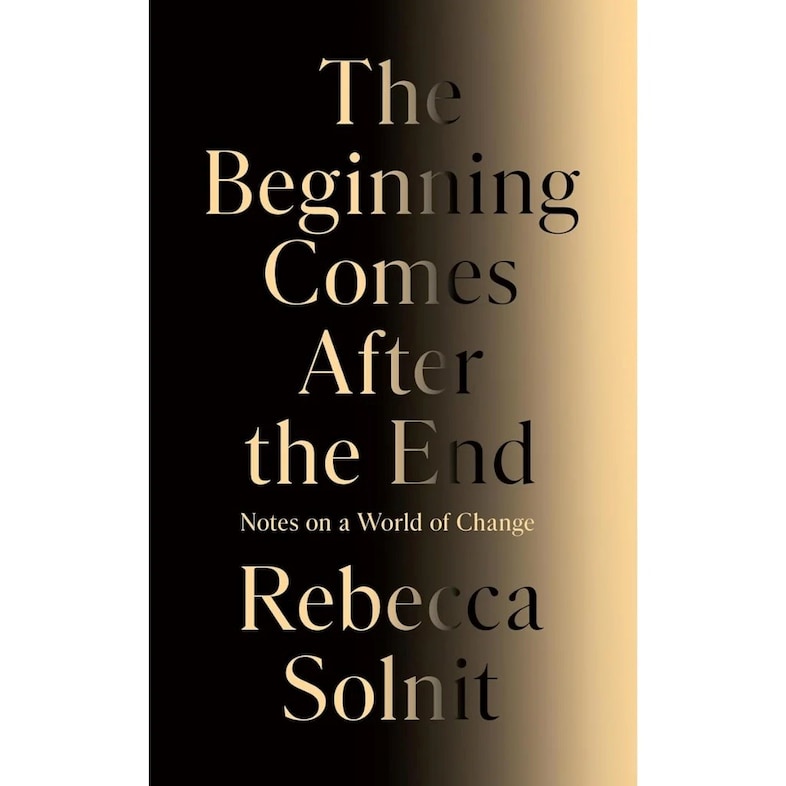
The Beginning Comes After the End by Rebecca Solnit: A Timely Meditation on Hope and Collective Action
Rebecca Solnit, a renowned essayist, historian, and activist celebrated for her incisive observations on society, history, and environmentalism, offers a profoundly resonant work in The Beginning Comes After the End. Published in March, this book-length essay expands upon David Hockney’s optimistic declaration, "Do remember they can’t cancel the spring," by arguing that the cyclical return of brighter days is not merely a natural phenomenon but also a reflection of sustained human effort. Solnit posits that progress, even amidst crises and polarization, is the result of continuous, often overlooked, endeavors by activists, policymakers, and everyday individuals who may not even perceive themselves as agents of revolutionary change.
In a world frequently overwhelmed by headlines of violence, division, and despair, Solnit’s essay serves as a much-needed antidote. She meticulously reminds readers of the significant advancements made in the past across various fronts—racial justice, women’s rights, and environmental protections—and demonstrates that this trajectory of progress has not vanished. Through compelling stories, such as those from the Indigenous-led Land Back movement, she illustrates ongoing struggles and triumphs that underscore humanity’s enduring capacity for positive transformation. While acknowledging the persistent imperfections of our world, the book staunchly rejects the prevalent "ragebait and doomsaying" of contemporary news and social media. Instead, it issues a powerful invitation to imagine a better future, a concept that Solnit argues has largely receded from public imagination, particularly in regions like the UK. Her central philosophy, beautifully articulated in the line, "You do not have to picture the destination to reach it or at least draw closer to it, you just need to choose a direction and keep on walking," provides a guiding principle for navigating complex challenges. The Beginning Comes After the End is more than a book; it is a vital call to action, a reaffirmation of resilience, and a blueprint for fostering hope and sustained engagement in the pursuit of a more equitable and sustainable world. Solnit’s profound insights and historical grounding make this an essential read for anyone seeking perspective and encouragement in turbulent times.
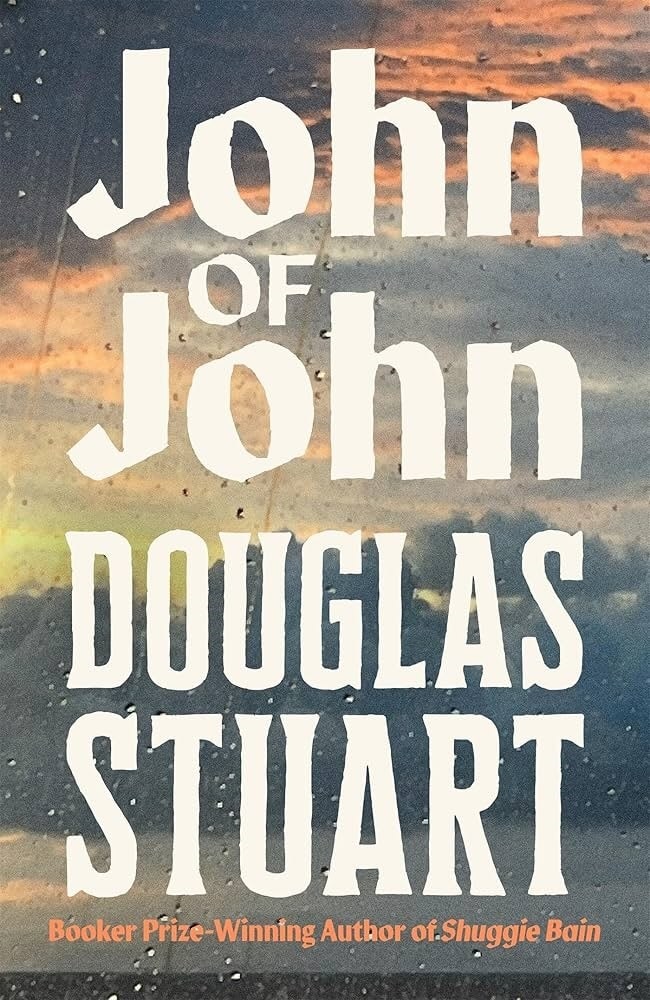
John of John by Douglas Stuart: Navigating Identity and Heritage on the Scottish Isles
Douglas Stuart, the acclaimed Booker Prize-winning author of Shuggie Bain and Young Mungo, delves once again into the rich tapestry of Scottish life with his latest novel, John of John. Known for his poignant explorations of poverty, masculinity, and queer identity within working-class Scottish communities, Stuart ventures to the remote Isle of Harris, presenting a narrative that, while confronting familiar themes, is imbued with a striking tenderness and hope.
The story follows John-Calum, affectionately known as Cal, a 22-year-old art school dropout who returns to his ancestral home on Harris. His return is prompted by the insistence of his strict, Presbyterian father, John, who informs him of his maternal grandmother Ella’s illness, described with Stuart’s characteristic visceral detail: her feet are "as purple as calf’s liver." Back on the weather-beaten island, Cal finds himself caught between the rigid expectations of his devout father and the oppressive, insular environment of the small-town community. His queer identity, nurtured during his time near Edinburgh, clashes sharply with the traditional values and unspoken codes of Harris, creating an internal and external struggle for acceptance and self-reconciliation. As Cal navigates this challenging landscape, he gradually uncovers the island community’s own carefully guarded secrets, revealing layers of hidden lives and suppressed desires beneath the surface of its outwardly austere facade. John of John grapples with Stuart’s signature motifs: intergenerational trauma, the insidious grip of substance abuse, the pervasive influence of religion, and the evolving definitions of masculinity. However, in a departure from the often bleak realism of his previous works, this novel introduces a palpable sense of tenderness, hope, and the transformative power of love. Stuart masterfully crafts a narrative that is both deeply rooted in its specific cultural context and universally resonant in its exploration of belonging, identity, and the enduring human spirit.
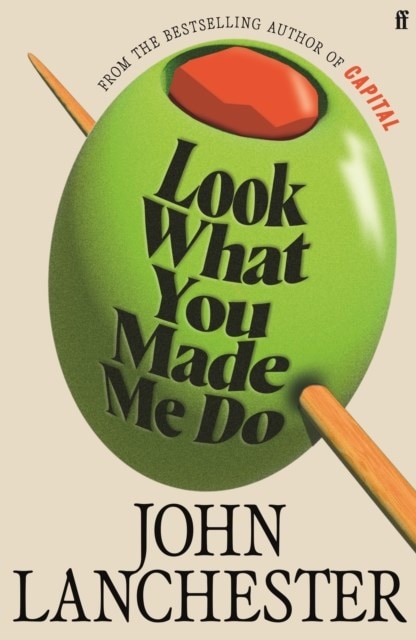
Look What You Made Me Do by John Lanchester: A Sharp Satire on Betrayal Across Generations
John Lanchester, a celebrated author known for his incisive social commentary and keen observations of contemporary life, presents Look What You Made Me Do, a biting satire that unravels a tale of marital betrayal and intergenerational resentment. With a narrative structure that cleverly intertwines two seemingly disparate lives, Lanchester crafts a suspenseful and thought-provoking exploration of truth, perception, and the consequences of hidden histories.
The story introduces Kate, a baby boomer who has cherished 30 years of what she believed to be a perfect marriage with her husband, Jack. Her world is irrevocably altered following Jack’s death. Simultaneously, the narrative introduces Phoebe, a rising millennial screenwriter whose breakout television hit, Cheating, has captivated audiences. One night, Kate tunes into Cheating and is immediately struck by an unsettling familiarity. Scenes from the show feel uncannily personal, almost as if they have been directly lifted from the most intimate details of her own marriage. This eerie resemblance triggers a profound crisis of suspicion in Kate: how could anyone know such private facets of her life with Jack? The chilling realization dawns on her – had Jack, her beloved husband, been unfaithful? Look What You Made Me Do masterfully builds tension as Kate and Phoebe’s lives become uncomfortably intertwined. Lanchester uses this premise to launch a sharp, shrewd critique of contemporary society, exploring themes of betrayal, the generational divide, and the complex interplay of power and resentment. The novel delves into how different generations perceive loyalty, success, and truth, offering a nuanced yet cutting commentary on the media’s influence on personal narratives and the enduring impact of infidelity. This work stands as a testament to Lanchester’s ability to blend psychological drama with social critique, creating a compelling and deeply resonant story that challenges readers to question the narratives they construct about their own lives and relationships.
I Want You to Be Happy by Jem Calder: Modern Love and Aspirations in the Digital Age
Jem Calder’s I Want You to Be Happy offers a sharp and shrewd contemporary narrative, exploring the complexities of modern relationships, ambition, and the search for genuine connection in an often-alienating world. This compelling story introduces two characters whose paths converge in a chance encounter, leading to a nuanced examination of vulnerability and expectation.
The protagonist, Chuck, is a 35-year-old who has reluctantly traded his youthful dreams of becoming a novelist for the pragmatic reality of churning out copy at an ad agency. His artistic aspirations are now a distant memory, replaced by the routines of corporate life. In stark contrast, Joey, 23, embodies the struggling artist archetype, living hand-to-mouth on her meager barista wages while passionately aspiring to establish herself as a poet. Their initial meeting in a bar quickly blossoms into a palpable connection, leading them back to Chuck’s lavish apartment. In the aftermath of their encounter, Joey finds herself fantasizing about a shared future with Chuck, envisioning a life built on their nascent bond. However, the narrative expertly complicates this burgeoning hope. Chuck, still fresh from a significant long-term relationship, grapples with his own emotional readiness and the true nature of his feelings. Calder skillfully dissects the internal monologues and external cues that define their developing relationship, questioning whether Chuck’s desires align with Joey’s fervent hopes. I Want You to Be Happy delves into the universal human quest for meaning and connection amidst the pressures of modern life. It explores the delicate balance between personal ambition and relational intimacy, the impact of past heartbreaks on present opportunities, and the often-unspoken expectations that shape romantic encounters. Calder’s prose is lauded for its psychological depth, offering an insightful portrayal of two individuals navigating the uncertain terrain of love and aspiration in an era defined by transient connections and often-unfulfilled dreams.
Rasputin: And the Downfall of the Romanovs by Antony Beevor: A Definitive Account of Power, Mysticism, and Collapse
Antony Beevor, one of the foremost military historians of our time, known for his meticulously researched and gripping narratives like Stalingrad and Berlin: The Downfall 1945, turns his formidable investigative skills to one of history’s most enigmatic figures in Rasputin: And the Downfall of the Romanovs. This biography offers a definitive and enthralling account of Grigori Rasputin, the barely literate Siberian peasant whose bewildering influence over Tsar Nicholas II and Empress Alexandra played a pivotal, and ultimately devastating, role in the collapse of the Romanov dynasty.
Beevor delves deep into the myth and reality surrounding the "mad monk," meticulously peeling back layers of legend to reveal the complex character of Rasputin and the historical context that allowed him to ascend to such extraordinary power. The book vividly portrays Rasputin’s almost supernatural charisma, a quality that captivated his followers to such an extent that they would engage in bizarre rituals, from sewing his fingernail clippings into their clothes to wearing his discarded, half-eaten food in lockets. These "fun facts," as the original reviewer notes, are interspersed throughout a narrative that brings the opulent, yet increasingly isolated, world of the late Imperial Russian court to life. The biography explores how Rasputin’s perceived healing powers, particularly his ability to seemingly alleviate the Tsarevich Alexei’s hemophilia, cemented his position within the imperial family, alienating the nobility and further eroding public trust in the monarchy. Beevor meticulously details Rasputin’s strange life, marked by spiritual fervor, debauchery, and political intrigue, culminating in his even stranger and famously brutal death. Rasputin: And the Downfall of the Romanovs is an essential read for anyone fascinated by the intricate dance of cult-like figures, the decadent excesses of aristocracy, the corrosive effects of corruption, and the spectacular, often tragic, downfalls of the powerful. Beevor’s command of historical detail and narrative flair makes this not just a historical account, but a compelling psychological drama that illuminates a crucial period in Russian history and its broader implications for understanding the fragility of power.
Prairie Oyster by Sophie Robinson: The Raw Intensity of Unrequited Obsession
Sophie Robinson, an accomplished British poet, makes a striking transition into novel writing with her debut, Prairie Oyster, a book that confronts the well-trodden trope of unrequited longing with a fresh and exhilarating intensity. While countless narratives have explored the dizzying and destructive nature of one-sided desire, Robinson injects new vitality into the theme, crafting a story that is both viscerally real and utterly captivating.
The novel introduces Pearl, a brittle 30-something artist teetering on the precipice of a nervous breakdown. Her fragile existence is thrown into a maelstrom when she becomes infatuated with Mitch Meyer, a cult lesbian filmmaker. What begins as an obsessive love affair quickly spirals into a "seedy, hellish nightmare," as Robinson masterfully charts the descent into a toxic and consuming relationship. Robinson’s background as a poet shines through in her "feverish prose," which imbues the tangled mess of lust, substance addiction, and creative fixation with a disturbingly real quality. The narrative is so potent that readers will find themselves unable to look away, drawn into the raw, unflinching portrayal of Pearl’s unraveling. The book delves deep into the psychological toll of obsession, the destructive patterns of addiction, and the often-blurred lines between artistic inspiration and personal destruction. The intensity of Prairie Oyster has drawn comparisons to literary giants, with Eileen Myles provocatively suggesting that it might even "out-jar The Bell Jar." This comparison speaks volumes about the novel’s capacity to delve into the depths of mental anguish and the consuming nature of personal crises. Robinson’s debut is not merely a story of unrequited love; it is a profound and disturbing exploration of vulnerability, the search for identity through another, and the perilous journey of self-destruction, all rendered with an undeniable poetic force that marks her as a significant new voice in contemporary fiction.
Discipline by Larissa Pham: Art, Memory, and the Shifting Narratives of Relationships
Larissa Pham, a distinguished Brooklyn-based writer, known for her incisive intellect and remarkable ability to perceive the subtle intricacies of human interaction "like an X-ray," delivers a profound and insightful work with Discipline. This book is an expansive meditation on the ways individuals relate to and experience one another, offering a wealth of wisdom regarding the subjective nature of memory and narrative in relationships.
Discipline centers on the character of Christine, a writer embarking on a book tour for her "revenge" novel. This novel is explicitly based on a deeply impactful relationship she had a decade earlier with a much older professor. Christine initially believes that her former lover has long forgotten her, or at least her version of their shared history. However, this assumption is shattered when he begins to send her a series of unsettling and strange emails, direct responses to her published work. These communications reveal a starkly different interpretation of their past, challenging Christine’s carefully constructed narrative and forcing her to confront the uncomfortable reality that no story is ever entirely one’s own. Pham masterfully dissects the psychological complexities inherent in how two people can live through the same relationship yet emerge with completely divergent understandings and memories. The novel delves into crucial themes of power dynamics, consent, artistic expression, and the often-unreliable nature of personal recollections. It explores the ethics of transforming lived experience into art, and the profound implications when the subjects of that art react. Christine’s journey becomes a compelling exploration of self-discovery, confronting the shifting perceptions of truth and the enduring impact of past connections on present identity. Pham’s prose is characterized by its sharp observations and profound insights, making Discipline a powerful and essential read for anyone interested in the intricate dance of human relationships, the construction of personal narratives, and the enduring quest for understanding in a world where individual experiences often diverge dramatically.

The Enduring Allure of Spring Reading
As this round-up of exceptional new releases illustrates, spring reading offers more than just a pleasant pastime; it presents an opportunity for profound engagement with diverse perspectives and compelling narratives. Whether seeking solace in Solnit’s hopeful essays, unraveling the complexities of relationships with Wambugu and Pham, or immersing oneself in the historical drama of Beevor, these books promise to enrich the season. The act of reading, whether in the dappled sunlight of a park or the quiet refuge of one’s home, remains a timeless and deeply rewarding pursuit. This spring, as the world outside bursts with renewed life, these literary treasures offer parallel worlds of discovery, challenging perceptions, stirring emotions, and providing ample food for thought, perfectly complementing the season of rebirth and reflection.