







This is a sponsored article featuring brands that have been independently assessed by our rigorous ratings system. We’re proud to only collaborate with “Good” and “Great” rated brands. Learn more.
The global fashion industry continues to grapple with a complex dichotomy: the relentless pace of newness and fleeting trends that exacerbate environmental degradation and social inequality, versus the determined efforts of small, sustainable brands striving to forge a more ethical and environmentally responsible future. As April 2026 draws to a close, the landscape for sustainable fashion presents both significant headwinds and inspiring beacons of innovation. While high-profile setbacks, such as the closure of key advocacy groups and pioneering brands, underscore the formidable economic pressures, a concurrent wave of creative development from top-rated labels offers tangible hope and actionable pathways for conscious consumers. This report delves into the prevailing challenges shaping the sector, alongside five noteworthy advancements demonstrating the resilience and ingenuity defining sustainable fashion this month.
The Broader Landscape: Challenges and Resilience in Sustainable Fashion
The aspiration for a truly sustainable fashion industry has recently encountered considerable turbulence, casting a shadow of uncertainty over a movement that has gained significant momentum over the past decade. Barely a month passes without news of fashion justice campaigns struggling or more sustainable brands being forced to shutter their operations. A stark illustration of this trend came with Fashion Revolution’s recent announcement regarding the closure of its UK headquarters, a critical hub for global advocacy on transparency and ethical practices in the supply chain. Similarly, the beloved and highly-rated sustainable brand Mila.Vert, known for its minimalist designs and ethical production, recently ceased operations, sending ripples of concern throughout the community dedicated to conscious consumption.
Both organizations explicitly cited funding shortfalls and escalating operational costs as primary drivers for their difficult decisions. These factors are inextricably linked to broader global economic and political shifts. Governments worldwide have, in some instances, demonstrated a discernible pivot away from ambitious climate goals, leading to reduced incentives and support for green initiatives. Concurrently, a series of persistent geopolitical crises have exerted immense pressure on global supply chains, precipitating dramatic increases in the costs of raw materials, international shipping, energy, and export tariffs for manufacturers. For smaller, sustainably-focused brands, often operating on tighter margins due to their commitment to ethical sourcing and fair labor, these cost escalations can prove insurmountable. The ripple effect extends to consumers, who are also experiencing the squeeze of a prolonged cost-of-living crisis, forcing many to prioritize affordability over sustainable choices. A recent survey by the Global Consumer Insights Pulse found that 45% of consumers globally cited price as the most important factor in purchasing decisions in late 2025, a significant increase from previous years, directly impacting demand for premium-priced sustainable goods.
This confluence of challenges has naturally led to a sense of discouragement among advocates and consumers alike. However, industry analysis suggests that this period, while difficult, may be part of a cyclical pattern rather than an irreversible decline. A comprehensive report by the independent think tank Futerra, titled "Ride the Waves," published in early 2026, posits that the pendulum of progress in sustainability has been swinging between periods of rapid advancement and temporary retreats since as far back as the 1960s. The report meticulously tracks historical "upwaves" of environmental activism and policy implementation, followed by "downwaves" influenced by economic downturns or political shifts. “There’s always been upwaves and downwaves, and the current slump of media coverage will track back up again we suspect in early 2027,” stated Solitaire Townsend, co-founder of Futerra, in a recent industry brief. This analytical perspective offers a crucial dose of long-term optimism, suggesting that the current struggles, while painful, may represent a temporary trough before a renewed surge in commitment and innovation. The report emphasizes the foundational work being done even during these challenging times, which lays the groundwork for future growth.
Against this backdrop of complex economic realities and fluctuating political will, it becomes even more imperative to highlight the enduring spirit of innovation and dedication within the sustainable fashion movement. The very existence and continued growth of brands committed to ethical practices serve as vital proof points that a better industry is not only possible but actively being built. This article aims to counteract the prevailing sense of pessimism by showcasing the latest positive developments. Our objective is to provide hope, to spotlight and support the small businesses that are tirelessly prioritising ethical production and environmental stewardship, and to equip consumers with the knowledge to identify and invest in brands and items that genuinely align with their values.
Spotlight on Innovation: Five Key Developments in April 2026
Despite the broader economic headwinds, April 2026 has witnessed several significant strides by brands committed to sustainability. These innovations range from material science breakthroughs to ethical manufacturing practices, offering consumers a diverse array of choices that do not compromise on style or values.
1. Triarchy’s ‘Great’ Rated Western-Inspired Ranchero Denim Collection
Triarchy, a brand consistently lauded with a "Great" rating for its unwavering commitment to sustainability, has unveiled its highly anticipated Western-inspired Ranchero denim collection. Renowned for pioneering plastic-free stretch denim – a significant achievement in an industry often reliant on synthetic elastic fibers – Triarchy continues to push boundaries with this new line. The Ranchero collection, crafted from 100% organic cotton, taps into the enduring appeal of Americana aesthetics while adhering to stringent environmental standards. Organic cotton cultivation significantly reduces water consumption and eliminates the use of harmful pesticides and synthetic fertilizers, which are detrimental to soil health and biodiversity.
A standout feature of the collection is its innovative plaid pattern, achieved through advanced laser technology rather than traditional, chemically-intensive dyeing and washing processes. This laser-etching technique drastically reduces water usage, chemical discharge, and energy consumption compared to conventional denim finishing methods. The collection features a versatile range of pieces including a skirt, a jacket, and various cuts of jeans, all adorned with intricate appliqué detailing that evokes a classic Western charm. Envisioned for icons of contemporary country and folk, these pieces would look effortlessly stylish on the likes of Kacey Musgraves, seamlessly blending rustic appeal with modern, conscious design. The launch reinforces Triarchy’s position as a leader in sustainable denim, demonstrating that robust, stylish, and durable denim can be produced with minimal environmental impact. The global sustainable denim market is projected to reach over $5.5 billion by 2028, reflecting a growing consumer demand for such innovations.
2. Pangaia’s Summer Line-Up Featuring Rain-Fed European Linen
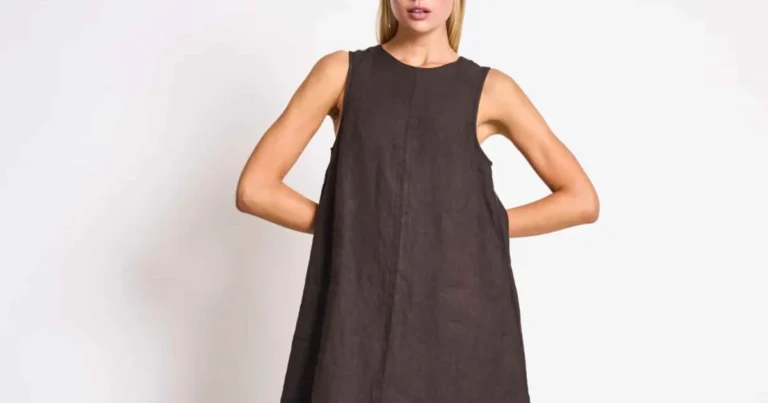
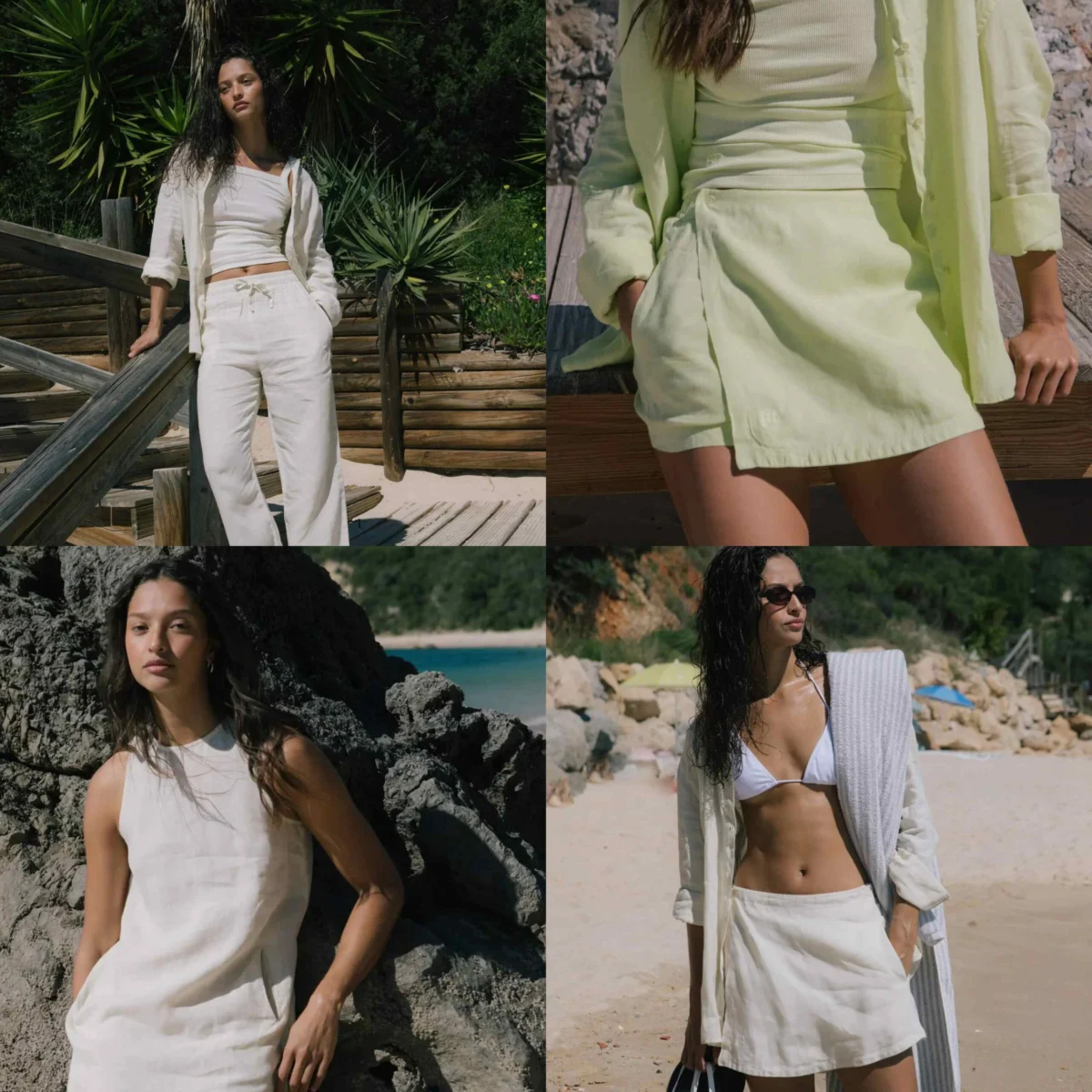
Pangaia, another "Great" rated brand celebrated for its material science innovations and commitment to a future-positive world, has released its summer line-up, prominently featuring rain-fed European linen. Linen stands as one of the most environmentally sound natural fibers available. Derived from the flax plant, it boasts exceptional versatility and requires significantly less water and fewer pesticides compared to conventional cotton. Flax is also remarkably resilient, capable of thriving in poor soil conditions, thereby requiring minimal agricultural intervention. Beyond its environmental credentials, linen offers numerous benefits for the wearer: it is highly breathable, quick-drying, and naturally helps regulate body temperature, making it an ideal choice for warmer climates.
Pangaia’s deliberate sourcing of flax from European regions, where cultivation often relies on natural rainfall rather than irrigation, further minimizes its ecological footprint. This "rain-fed" approach is a critical factor in reducing the freshwater demand associated with textile production, aligning with the brand’s holistic approach to sustainability. The new collection comprises a range of comfortable, timeless basics characterized by their clean lines and minimal detailing. These pieces are designed not just for a single season but as durable, versatile building blocks for a long-lasting wardrobe, directly countering the fast fashion cycle. By investing in high-quality, sustainably sourced linen garments, consumers are encouraged to embrace a philosophy of mindful consumption, prioritizing longevity and timeless style over transient trends.
3. Bario Neal’s Page Neal Demystifies Jewellery Industry Greenwashing
In observance of Earth Day this April, Page Neal, co-owner and designer of the "Great" rated ethical jewellery brand Bario Neal, offered invaluable insights into the complex world of sustainable jewellery. Her detailed interview is essential reading for anyone navigating the often-opaque claims of the jewellery industry, particularly concerning "greenwashing" – the deceptive marketing tactic used to portray products as environmentally friendly. Bario Neal has long been a vanguard in ethical jewellery, known for its transparent sourcing of recycled precious metals and ethically-mined gemstones.
Neal articulated how smaller, privately-owned labels often possess an inherent advantage in operating more ethically than larger, publicly-traded corporations. Smaller brands can maintain more direct oversight over their supply chains, fostering closer relationships with artisanal miners and refiners, and ensuring fair labor practices and environmental compliance. They are typically less beholden to shareholder demands for rapid growth and profit maximization, allowing them to prioritize ethical considerations. Neal also tackled common misconceptions, offering nuanced perspectives on topics like lab-grown diamonds and recycled metals. While lab-grown diamonds eliminate the destructive environmental and social impacts of traditional mining, their production is energy-intensive, and the energy source (renewable vs. fossil fuels) significantly impacts their overall footprint. Similarly, while recycled metals are undoubtedly a positive step, Neal cautioned that consumers should still scrutinize the sourcing and refining processes to ensure true sustainability and ethical integrity, as not all recycled content is created equal. Her candid discussion underscored the need for critical thinking and comprehensive transparency, encouraging consumers to look beyond surface-level claims and demand deeper accountability from brands.
4. Jiwya’s Plant-Based-Fibres Runway Collection Shines at Paris Fashion Week
Good On You’s editors first discovered Jiwya, a "Great" rated brand, through Collective Fashion Justice founder Emma Håkansson, who frequently champions its innovative designs. In a significant moment for plant-based fashion, Jiwya showcased its new collection at Paris Fashion Week in March, marking a powerful statement on the potential of sustainable textiles on a global stage. The collection, now available on its website, is entirely plant-based, meaning it eschews all synthetic dyes, threads, and fibers, as well as any animal-derived materials. This commitment represents a holistic approach to sustainability, minimizing the environmental impact associated with chemical production and animal agriculture.
The gender-neutral line features garments created with plant-based dyes, intricate hand-embroidered detailing, and materials that are both hand-spun and hand-woven. These traditional craft techniques not only celebrate artisanal skill and cultural heritage but also typically involve lower energy consumption and fewer environmental pollutants than industrial manufacturing. For instance, natural dyes derived from plants, roots, and insects offer rich, nuanced colors without the toxic runoff associated with synthetic dyes. Hand-spinning and weaving support local economies and preserve age-old traditions, creating garments that are not just clothes but wearable art. The collection’s emphasis on timeless designs and exceptional craftsmanship positions these pieces as true investment items, designed to be cherished and worn for years, directly countering the disposability inherent in fast fashion. Jiwya’s success at Paris Fashion Week demonstrates that high fashion can be synonymous with radical sustainability.
5. The Handmade Dresses in Dilli Grey’s New Collection Uphold Craft and Justice
Dilli Grey, known for its vibrant aesthetic and ethical sourcing, has launched a new collection featuring beautifully patterned dresses created using traditional block printing techniques. These exquisite garments are produced in small batches by skilled artisans across various craft clusters in India, including Jaipur, Lucknow, and Delhi. The brand’s commitment extends beyond mere production; Dilli Grey’s representatives visit these artisan communities every season, fostering strong, long-term relationships that ensure fair wages, safe working conditions, and the preservation of invaluable traditional crafts.
Block printing is an ancient art form that involves carving intricate designs onto wooden blocks, which are then meticulously hand-stamped onto fabric. This labor-intensive process, while slower than machine printing, offers unparalleled artistic depth and a unique, handcrafted quality to each garment. Environmentally, it often involves natural dyes and significantly reduces the energy and water consumption associated with large-scale industrial textile printing. Beyond aesthetics, Dilli Grey’s approach makes a profound statement about the importance of upholding labor justice within the fashion industry. By directly supporting artisan communities, the brand ensures that traditional skills are passed down through generations, providing sustainable livelihoods and empowering local economies. Each dress from Dilli Grey’s new collection is not just a stylish garment but a tangible conversation piece, embodying the beauty of human craftsmanship, the richness of cultural heritage, and the vital importance of ethical production practices in a globalized industry. Their commitment serves as a powerful reminder that fashion can be a force for positive social and economic change.
Implications and The Path Forward
The developments in April 2026, while set against a backdrop of significant industry challenges, underscore the ongoing dual narrative within sustainable fashion. The struggles faced by organizations like Fashion Revolution and brands like Mila.Vert serve as a stark reminder of the systemic economic and political hurdles that persist. These challenges necessitate a multi-pronged approach, including stronger governmental support for green initiatives, more stable geopolitical environments, and a global shift in consumer priorities towards value and longevity over fleeting trends.
However, the innovations highlighted by Triarchy, Pangaia, Bario Neal, Jiwya, and Dilli Grey offer compelling evidence of the industry’s resilience and capacity for positive change. These brands exemplify how dedication to ethical sourcing, material innovation, and artisanal craftsmanship can lead to products that are both desirable and responsibly made. Their success, even in difficult times, demonstrates that a market exists for truly sustainable fashion and that consumers, when informed, are willing to support brands aligned with their values.
For consumers, the message is clear: vigilance and informed choices are more crucial than ever. Platforms like Good On You provide essential tools for navigating the complexities of brand claims and identifying those genuinely committed to people, planet, and animals. Supporting "Good" and "Great" rated brands sends a powerful signal to the broader industry that sustainability is not a niche concern but a fundamental expectation.
Looking ahead to Futerra’s projected "upwave" in early 2027, the groundwork being laid by these innovative brands will be critical. This anticipated resurgence will likely be driven by renewed consumer awareness, potentially more favorable policy environments, and continued technological advancements in sustainable materials and production. The ongoing dialogue around greenwashing, as championed by figures like Page Neal, will also be vital in ensuring that future progress is authentic and impactful. The path to a fully sustainable fashion industry remains arduous, but the continued dedication of these pioneering brands offers a compelling vision of what is possible, fostering hope and empowering conscious choices one garment, one collection, and one informed consumer at a time.
Editor’s note: Feature image via Dilli Grey, all other images via brands mentioned. Good On You publishes the world’s most comprehensive ratings of fashion and beauty brands’ impact on people, the planet and animals. Use the directory to search thousands of rated brands.