






THG-owned sports nutrition and activewear brand Myprotein has officially selected Footasylum as its inaugural high street stockist, a move set to significantly broaden its retail footprint beyond its established direct-to-consumer (D2C) channels. This strategic partnership, exclusively revealed by Drapers, marks a pivotal moment for both companies, signalling an aggressive push by Myprotein into physical retail and a diversification of Footasylum’s product offering into the burgeoning health and wellness sector. The collaboration is anticipated to launch across select Footasylum stores nationwide and its online platform, with initial product ranges focusing on Myprotein’s best-selling supplements and activewear lines.
A Strategic Alliance Reshaping Retail Presence
The decision by Myprotein, a global leader in sports nutrition with a formidable D2C presence, to partner with Footasylum represents a calculated evolution of its market strategy. For years, Myprotein has leveraged its digital platforms and global distribution network to reach millions of consumers directly, cultivating a loyal customer base through competitive pricing, extensive product ranges, and robust digital marketing. However, as the retail landscape continues to evolve, the importance of an omnichannel approach, integrating both online and offline touchpoints, has become increasingly apparent. This partnership allows Myprotein to tap into Footasylum’s established high street presence and its core demographic of fashion-conscious, often younger, consumers who are increasingly intertwining wellness with lifestyle and streetwear trends.
Footasylum, known for its curated selection of leading global sportswear and fashion brands, gains a significant advantage by integrating Myprotein into its portfolio. The move allows the retailer to capitalise on the rapidly expanding health and wellness market, offering a complementary product category that aligns with its customers’ active lifestyles. By diversifying beyond footwear and apparel, Footasylum aims to enhance its appeal as a holistic lifestyle destination, capturing additional wallet share and attracting new customer segments interested in fitness and nutrition. This expansion could also bolster Footasylum’s average transaction value and provide a unique selling proposition in a competitive high street environment.
Background and Market Context
Myprotein, founded in 2004 and acquired by The Hut Group (now THG plc) in 2011, has grown exponentially to become one of the world’s largest online sports nutrition brands. Its product range spans protein powders, vitamins, activewear, and healthy snacks, serving over 160 countries. THG, a global technology platform specialising in D2C beauty, nutrition, and wellness, has consistently focused on vertical integration and proprietary technology through its THG Ingenuity platform. While THG’s primary growth engine has been D2C e-commerce, recent years have seen the group explore strategic wholesale partnerships to unlock new distribution channels and consumer touchpoints, particularly for its hero brands like Myprotein. This move with Footasylum aligns with a broader industry trend where digitally native brands are increasingly seeking physical retail exposure to drive brand awareness, allow for product discovery, and facilitate immediate purchases.
Footasylum, established in 2005, operates over 60 stores across the UK and boasts a strong online presence. It has carved a niche for itself as a leading retailer of fashion streetwear and sportswear, appealing predominantly to a Gen Z and millennial demographic. Its carefully curated product mix, often featuring exclusive drops and limited editions, has fostered a strong community around the brand. The integration of Myprotein products is a natural fit for Footasylum’s customer base, many of whom are already engaged in fitness activities, sports, or are generally health-conscious individuals seeking to enhance their performance or well-being. This demographic is highly attuned to lifestyle trends that seamlessly blend fashion, fitness, and nutrition.
The global sports nutrition market was valued at approximately $45 billion in 2025 and is projected to grow at a compound annual growth rate (CAGR) of 8-10% over the next five years, driven by increasing health consciousness, rising disposable incomes, and the growing popularity of fitness activities. Similarly, the activewear market continues its robust expansion, blurring the lines between gym wear and everyday fashion. Footasylum’s move to integrate nutrition products positions it squarely at the intersection of these powerful consumer trends, future-proofing its offering and expanding its market relevance.
Timeline of Engagement and Rollout
Discussions between Myprotein and Footasylum are understood to have commenced in late 2025, with both parties recognising the synergistic potential of a partnership. Initial pilot programs, reportedly trialled in a handful of key Footasylum locations and online during early 2026, yielded positive results, demonstrating strong customer interest and sales potential for Myprotein products within Footasylum’s retail environment. This successful trial period paved the way for the formal agreement and the subsequent public announcement.
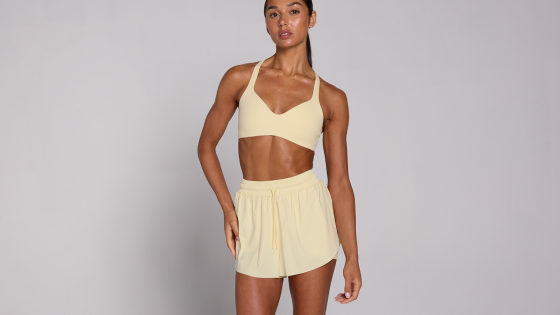
The phased rollout strategy is expected to begin in Summer 2026. Initially, a curated selection of Myprotein’s most popular protein powders (e.g., Impact Whey Protein), pre-workouts, essential vitamins, and a limited range of activewear accessories will be available in approximately 20-30 flagship Footasylum stores situated in high-footfall urban centres, including London, Manchester, Birmingham, and Glasgow. Concurrently, the full Myprotein product catalogue, tailored for Footasylum’s audience, will become available through Footasylum’s e-commerce platform, ensuring nationwide access. The partnership is designed to be dynamic, with plans for expanding the in-store product offering and increasing store penetration based on initial performance and customer feedback. Seasonal promotions, exclusive bundles, and collaborative marketing campaigns are also anticipated to drive engagement.
Official Responses and Industry Reactions
While specific official statements are pending further detailed announcements, industry experts have already begun to weigh in on the significance of this collaboration.
A spokesperson for THG, speaking on background, commented: "This partnership with Footasylum marks a crucial step in Myprotein’s strategic evolution. While our D2C model remains fundamental, expanding into trusted physical retail environments like Footasylum allows us to reach new consumer segments, enhance brand visibility, and provide customers with the opportunity to interact with our products in a tangible way. It’s about meeting our consumers where they are and offering a seamless omnichannel experience."
Similarly, a representative from Footasylum is expected to highlight the retailer’s commitment to innovation and customer satisfaction. The anticipated statement might read: "Bringing Myprotein into the Footasylum family is a natural progression for us. Our customers are dynamic, active, and increasingly health-conscious. This collaboration allows us to broaden our lifestyle offering, providing best-in-class nutrition alongside our premium streetwear and sportswear. It strengthens our position as a go-to destination for everything our community needs to live their active, fashionable lives."
Retail analysts have largely welcomed the news, viewing it as a shrewd move for both brands. Eleanor Vance, a senior retail analyst at Zenith Insights, stated: "This is an intelligent cross-category play. For Myprotein, it de-risks their reliance on purely digital channels and opens up a significant new customer acquisition funnel. For Footasylum, it’s a smart diversification into a high-growth sector, leveraging existing foot traffic and brand loyalty to capture new spending. The synergy between active lifestyles, streetwear, and nutrition is undeniable, making this partnership highly logical."
Another analyst, Mark Jenkins of Global Retail Strategy Group, added: "The high street is not dead; it’s evolving. Partnerships like this demonstrate the adaptability required for physical retail to thrive. By offering a curated, relevant product mix that transcends traditional categories, Footasylum is creating a more compelling in-store experience. For THG, it represents a mature step in leveraging their brand equity beyond their own ecosystem, potentially paving the way for similar collaborations in other markets or with other THG brands."
Broader Impact and Implications
The Myprotein-Footasylum partnership carries significant implications for the wider retail landscape and the strategies of both D2C brands and traditional retailers.
For Myprotein and THG: This move could serve as a blueprint for further physical retail expansion. It indicates a strategic pivot towards a more balanced omnichannel approach, acknowledging that while digital convenience is paramount, physical presence offers unique advantages in terms of brand building, customer interaction, and impulse purchases. Success with Footasylum could encourage Myprotein to explore partnerships with other lifestyle retailers, gyms, or even dedicated wellness stores, diversifying its distribution channels and mitigating risks associated with sole reliance on D2C. It also signifies THG’s readiness to deploy its hero brands into carefully selected third-party retail environments, potentially enhancing shareholder value by unlocking new revenue streams.
For Footasylum: The addition of Myprotein products positions Footasylum as a more comprehensive lifestyle destination, rather than just a fashion or footwear retailer. This diversification can help to insulate the business from the cyclical nature of fashion trends and the intense competition within the streetwear segment. By tapping into the enduring appeal of health and wellness, Footasylum can attract a broader demographic, increase customer loyalty, and drive repeat purchases. The partnership also enhances Footasylum’s brand image, aligning it with a reputable and high-quality nutrition brand, thereby reinforcing its commitment to offering relevant and desirable products to its community. It provides a unique differentiator against direct competitors who may solely focus on apparel and footwear.
For the High Street and Competitors: This collaboration sends a clear message to other high street retailers: adapt or risk obsolescence. The blending of categories—fashion with nutrition, beauty with wellness—is becoming increasingly common as retailers strive to create more engaging and convenient shopping experiences. Competitors in both the streetwear and sports nutrition sectors will likely observe this partnership closely. Other D2C nutrition brands might now be incentivised to seek similar high street avenues, while other fashion retailers might explore incorporating health and wellness products to stay competitive. This could lead to a broader trend of cross-category partnerships, making high street retail environments more dynamic and diverse. The partnership underscores the resilience of physical retail when integrated strategically with e-commerce, offering a compelling example of how brick-and-mortar stores can continue to play a vital role in an omnichannel world.
Challenges and Considerations
While the partnership holds immense promise, it is not without potential challenges. Maintaining brand consistency across different retail environments will be crucial for Myprotein. Ensuring Footasylum staff are adequately trained to advise on nutrition products, managing inventory effectively across both online and physical channels, and aligning marketing efforts will require meticulous coordination. Furthermore, the pricing strategy will need to be carefully managed to avoid cannibalising Myprotein’s existing D2C sales, potentially through exclusive bundles or in-store promotions at Footasylum. Both companies will need to continually monitor customer feedback and sales performance to optimise the partnership’s impact and evolve their strategy as market dynamics shift.
In conclusion, the partnership between Myprotein and Footasylum represents a forward-thinking move that leverages the strengths of both brands to navigate the complexities of modern retail. It is a testament to the evolving nature of consumer demand, which increasingly values convenience, lifestyle integration, and an omnichannel shopping experience. As Myprotein embarks on this new high street journey and Footasylum expands its lifestyle offering, the retail industry will undoubtedly watch closely to gauge the full impact of this significant collaboration.