









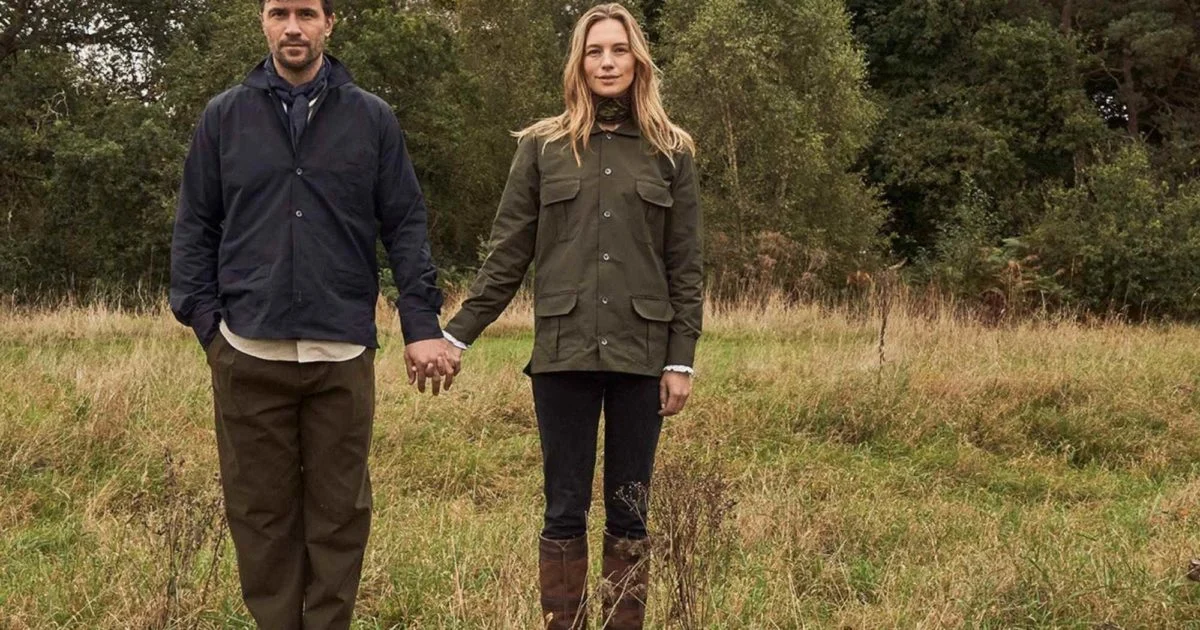
The revered British heritage brand, Barbour, widely celebrated for its durable waxed cotton jackets, has received a "Not Good Enough" rating in its latest sustainability assessment, prompting calls for significant improvements in its ethical and environmental practices. This evaluation, conducted by independent ratings system Good On You and published in February 2025, highlights a disconnect between the brand’s reputation for longevity and its current commitment to broader sustainability principles across its global operations.
A Heritage Brand at a Crossroads: The Rise of Sustainability Demands
Founded by John Barbour in 1894, the company has etched itself into the fabric of British identity, particularly synonymous with country life and robust outdoor wear. Its signature waxed jackets, distinguished by their enduring navy or green hues, corduroy-lined collars, and weather-resistant coating, have transcended their utilitarian origins to become genuine fashion icons. Worn by figures as diverse as Queen Elizabeth II on her Balmoral estate, actor Daniel Craig in the James Bond franchise, and cultural influencer Alexa Chung at the Glastonbury Festival, Barbour’s outerwear has achieved widespread appeal, cementing its place in popular culture. Recent collaborations with contemporary fashion labels like GANNI (rated "It’s a Start") and Erdem (rated "We Avoid") further propelled Barbour into the modern fashion discourse, signaling a brand keen to maintain relevance in an evolving market.
However, this rich legacy and contemporary outreach are now juxtaposed against a critical assessment of its environmental and social footprint. The fashion industry, historically opaque and resource-intensive, is undergoing a profound transformation driven by increasing consumer awareness, regulatory pressures, and scientific consensus on climate change. Brands, particularly those with significant global reach and supply chains, are facing unprecedented scrutiny regarding their impact on the planet and the people who make their clothes. This shift has elevated sustainability from a niche concern to a core expectation for brand legitimacy and consumer trust.
Unpacking the "Not Good Enough" Verdict: Key Areas of Concern
The "Not Good Enough" rating for Barbour stems from several critical deficiencies identified by Good On You analysts. These issues span environmental stewardship, labor rights, and animal welfare, indicating a systemic lack of transparency and proactive engagement in crucial areas of sustainable practice.
Environmental Impact:
One of the primary concerns highlighted is Barbour’s apparent lack of evidence in addressing textile waste. The global fashion industry is a significant contributor to landfill waste, with an estimated 92 million tons of textile waste generated annually. Many brands struggle with managing pre-consumer waste from manufacturing and post-consumer waste from returned or discarded garments. Without clear strategies or demonstrable efforts to reduce, reuse, or recycle textile waste within its own operations or product lifecycle, Barbour is perceived as lagging behind industry best practices.
Furthermore, the assessment found no evidence of Barbour actively protecting biodiversity in its supply chain. The sourcing of raw materials, particularly cotton and animal-derived products, can have devastating impacts on local ecosystems, leading to deforestation, soil degradation, and water pollution. The lack of clear policies or initiatives to mitigate these impacts suggests a gap in the brand’s environmental responsibility framework.
Water usage is another critical environmental factor where Barbour falls short. Textile production, especially conventional cotton cultivation and dyeing processes, is notoriously water-intensive. It can take thousands of liters of water to produce a single cotton jacket. While the brand commits to manufacturing durable, long-lasting products that inherently reduce consumption over time, a failure to demonstrate efforts in reducing water consumption across its supply chain signals an area needing urgent attention. The fashion industry is increasingly adopting closed-loop water systems, utilizing recycled water, and promoting water-efficient dyeing technologies, yet evidence of such adoption by Barbour was not apparent.
Labor Rights and Supply Chain Transparency:
Perhaps the most pressing concern relates to labor practices. Good On You analysts could not find evidence that Barbour pays a living wage to workers in its supply chain. A living wage is defined as the income necessary for workers to afford a decent standard of living for themselves and their families, covering basic needs such as food, housing, healthcare, and education. This often significantly exceeds statutory minimum wages in many garment-producing countries. The absence of a demonstrable commitment to a living wage is a common issue in the global fashion industry and is directly linked to widespread poverty and exploitative working conditions for millions of garment workers.
Compounding this, there was no sign that Barbour provides financial security to its suppliers. In a highly competitive and often volatile industry, many suppliers operate on thin margins and face immense pressure from brands to deliver at low costs and rapid speeds. A lack of financial stability from brands can force suppliers to cut corners, leading to poor working conditions, delayed wages, and an inability to invest in environmental improvements. This interdependence means that brands bear a significant responsibility for the well-being and stability of their entire supply chain, and Barbour’s practices in this area were deemed inadequate.
Animal Welfare:
Given Barbour’s use of animal-derived materials, including leather, wool, and down, its animal welfare policy also came under scrutiny. The assessment found no evidence that the brand traces any animal products to the first stage of production, nor that it has clear mechanisms for implementing its animal welfare policy. Traceability is fundamental to ensuring ethical sourcing, allowing brands to verify the origins of their materials and confirm that animals are treated humanely, free from cruelty, and in accordance with recognized standards. Without this level of transparency and clear enforcement mechanisms, consumers have no assurance that the animal products used in Barbour jackets, sweaters, and other items meet acceptable welfare standards. The market is increasingly demanding RWS (Responsible Wool Standard) or RDS (Responsible Down Standard) certifications, along with leather traceability, to guarantee responsible animal treatment.
Barbour’s Efforts: A Step, Not a Leap
It is important to acknowledge some positive steps taken by Barbour. The brand operates a highly popular repair and rewaxing program, which sees thousands of its iconic jackets restored each year. This initiative is a commendable example of circularity, extending product lifespans, reducing waste, and fostering a culture of care for garments. This commitment to durability and repair aligns strongly with key tenets of sustainable fashion, providing a tangible benefit to consumers and the environment.
Furthermore, since its previous rating in 2022, Barbour has made some incremental improvements. Notably, it has begun measuring some of its greenhouse gas emissions and has committed to targets approved by the Science-Based Targets initiative (SBTi). The SBTi is a global initiative that enables businesses to set ambitious emissions reduction targets in line with the latest climate science. While this commitment is a crucial first step towards decarbonization, the "Not Good Enough" rating suggests that these efforts, while significant, are not yet comprehensive enough or sufficiently transparent to meet the evolving standards of robust sustainability reporting. Good On You analysts emphasize that while measuring emissions and setting targets are vital, the practical implementation, verifiable progress, and broader transparency across all impact areas remain paramount.
The Broader Implications and Consumer Response
The "Not Good Enough" rating for a brand of Barbour’s stature carries significant implications. In an era where consumers, particularly younger demographics, are increasingly factoring ethical and environmental performance into their purchasing decisions, such a rating can impact brand loyalty and market share. Heritage brands, often perceived as inherently sustainable due to their focus on quality and longevity, are now finding that this perception alone is insufficient. Modern sustainability demands a holistic approach, encompassing the entire supply chain from raw material to end-of-life.
The rating serves as a wake-up call for Barbour to accelerate its sustainability journey, move beyond incremental changes, and embrace radical transparency. Failure to do so risks alienating a growing segment of conscious consumers and falling behind competitors who are more aggressively integrating sustainability into their core business models. The market for ethical outerwear is expanding rapidly, driven by consumers actively seeking alternatives that align with their values.
Navigating the Ethical Landscape: Sustainable Alternatives to Barbour
For consumers who appreciate Barbour’s classic aesthetic and commitment to durability but are seeking brands with stronger ethical and environmental credentials, a growing number of sustainable alternatives exist. These brands offer lasting outerwear, country-inspired apparel, and functional pieces designed to withstand the elements while prioritizing people, planet, and animals.
Here are several brands recognized for their more sustainable practices, offering styles similar to Barbour’s well-loved waxed jackets, sweaters, and boots:
ISTO.
This Portuguese brand operates on a "quality over quantity" mandate, creating timeless staple items from organic materials. ISTO. offers a single collection, aiming for permanent availability and transparency in showing the true cost of its garments. Its commitment to organic fibers and supply chain openness makes it a strong contender for those seeking classic, well-made pieces. Available in XS-XL.
Wuxly Movement
A Canadian outerwear brand, Wuxly Movement combines innovative tech-based and recycled materials for high-performance, animal-free products. Drawing on Canada’s manufacturing heritage, Wuxly offers a responsible alternative for rainwear and cold-weather gear, ensuring no animals are harmed in the process. Available in 2XS-3XL.
Amble Outdoors
Formerly known as Team Timbuktu, Australian brand Amble Outdoors specializes in high-performance waterproof raincoats and sweat-wicking outdoor wear. Their commitment to sustainability is evident in their use of recycled plastic bottles for materials, offering a conscious choice for active individuals. Available in XS-4XL.
Outerknown
Co-founded by surf champion Kelly Slater, Outerknown is a more responsible brand that seamlessly blends style and function with environmental protection. The brand is Bluesign certified, ensuring responsible and safe production practices, and partners with the Fair Labour Association, highlighting its commitment to ethical labor. Available in XS-2XL.
Finisterre
Born from the demanding conditions faced by British surfers, Finisterre is a pioneering outdoor brand anchored in exceptional, sustainably-produced items. Their focus on inspiring a love of the sea is matched by their commitment to ethical sourcing and manufacturing, offering durable and functional apparel. Available in XS-2XL.
Rapanui
This award-winning UK fashion brand creates surf-inspired clothing in a wind-powered factory, emphasizing a positive environmental impact. From surf towels to hoodies, Rapanui provides everything needed for coastal adventures, all while adhering to high sustainability standards. Available in UK sizes 8-18.
Toad&Co
A US brand dedicated to social and environmental responsibility, Toad&Co produces versatile women’s and menswear suitable for both rugged trails and relaxed settings. Their balanced approach to sustainability makes them a reliable choice for eco-conscious consumers. Available in XS-2XL.
Opera Campi
Founded in Italy in 2017, Opera Campi crafts premium quality garments using locally-sourced raw materials. The brand takes a balanced approach to sustainability throughout its supply chain and donates 4% of its profits to social causes, demonstrating a holistic commitment to ethical business. Available in 3XS-3XL.
Patagonia
A global leader in outdoor apparel, Patagonia truly embodies its commitment to the great outdoors. With "Good" labor practices, the brand utilizes recycled polyester and is dedicated to reducing its energy use and emissions. Patagonia is a benchmark for comprehensive sustainability in the industry. Available in 2XS-3XL.
CARPASUS
This Swiss menswear brand specializes in fine shirts, ties, socks, and pocket squares. CARPASUS uses GOTS-certified organic cotton and manufactures locally to minimize its carbon footprint, ensuring transparency and a living wage for its workers. Available in EU sizes 36-46.
WAWWA
A UK brand, WAWWA prioritizes the Earth and its inhabitants by creating organic, fair trade, and vegan-friendly clothing with a positive social impact. They use lower-impact materials, non-toxic dyes, and reuse offcuts to minimize textile waste, embodying a circular approach. Available in XS-2XL.
BEDI
Canadian brand BEDI creates handmade bags, knits, and outerwear with a focus on circularity. They carefully select lower-impact materials, including upcycled airline seat leather and fish nets, along with vegan cactus leather and sustainably grown cotton. Their slow fashion ethos emphasizes utility and longevity. Available in XS-XL.
Sheep Inc
A knitwear brand focused on responsibly sourcing the finest merino wool, Sheep Inc is built on principles of respect for nature, innovation, environmental harmony, and animal welfare. Their commitment to ethical wool sourcing provides a strong alternative for conscious consumers. Available in XS-2XL.
Neem
Hailing from the UK, Neem focuses on men’s clothing with a core commitment to a transparent supply chain and environmental protection. Their dedication to responsible practices ensures ethical production for their range of garments. Available in S-2XL.
NIKIN
This Swiss brand integrates environmental action directly into its business model: a tree is planted for every product purchased. NIKIN offers a clear, tangible way for consumers to support reforestation while acquiring sustainable clothing. Available in XS-2XL.
tentree
The Canadian brand tentree plants ten trees for every item purchased, contributing to ecosystem regeneration and creating planting jobs globally. All products are created with an Earth-first approach, using lower-impact and recycled materials under fair working conditions. Available in XS-XL.
Komodo
A UK brand, Komodo prioritizes people and the planet with its range of menswear and womenswear. They utilize more responsible materials, including GOTS-certified cotton and hemp, and ensure that most of their suppliers pay a living wage, reflecting a strong ethical stance. Available in UK sizes 8-16.
Moving Forward: The Imperative for Change
Barbour, with its deep roots and global recognition, has a unique opportunity to lead by example in the sustainability arena. The "Not Good Enough" rating is not a final judgment but a critical indicator that further, more comprehensive action is required. By embracing greater transparency, implementing robust living wage policies, enhancing animal welfare traceability, and aggressively pursuing waste and water reduction targets, Barbour can solidify its legacy not just as a creator of durable outerwear, but as a genuine leader in responsible fashion. The evolving market demands it, and the planet depends on it.
Good On You publishes the world’s most comprehensive ratings of fashion and beauty brands’ impact on people, the planet, and animals. The Barbour rating was published in February 2025 and may not reflect claims the brand has made since then. This article was updated on 2 February 2026, with selections refreshed to reflect brands with recent ratings.