







The act of cruising, ephemeral by nature, rarely leaves significant physical evidence behind. The surviving artefacts are typically minimal, easily overlooked, and often dismissed as mere refuse. However, a compelling new publication from SMUT Press, Cruising Archaeology II: Eurotrash, challenges this perception by meticulously examining this detritus. Assembled by artist Jack Scollard, the project transforms objects found at cruising grounds across Europe into a fascinating and poignant archive, offering profound insights into queer life, intimacy, and survival in public spaces.
Unearthing Ephemeral Histories: The Genesis of a Project
Jack Scollard’s Cruising Archaeology project began in 2024 with an Instagram account, methodically documenting found objects through individual scans, each stamped with a precise location and date. This initial digital archive quickly garnered attention, evolving from a niche online project into a recognized artistic and anthropological endeavor. Its unique approach to archiving the transient and often clandestine nature of cruising culture has led to invitations for Scollard to speak at academic institutions, and an upcoming presentation at a prominent arts institution in Ireland, signaling a growing appreciation for its cultural and historical significance. The collaboration with SMUT Press, known for its focus on subcultures and boundary-pushing themes, further solidifies the project’s standing within contemporary art and queer studies.
Cruising Archaeology II: Eurotrash represents the second iteration of this ambitious undertaking, expanding its geographical scope and deepening its analytical framework. The project’s core methodology involves collecting and documenting items discarded in spaces where individuals seek anonymous sexual encounters. These locations, often chosen for their discretion and accessibility, range from secluded woodland paths and urban beaches to the more prosaic environments of public toilets across major European cities. By meticulously cataloging these remnants, Scollard constructs an unconventional archaeological record, challenging traditional notions of what constitutes history and what forms of human experience are deemed worthy of preservation. The project argues that these seemingly insignificant items are, in fact, vital fragments of queer social history, speaking volumes about the individuals who frequented these sites and the complex dynamics of their interactions.
Mapping the Invisible: A European Mosaic of Intimacy
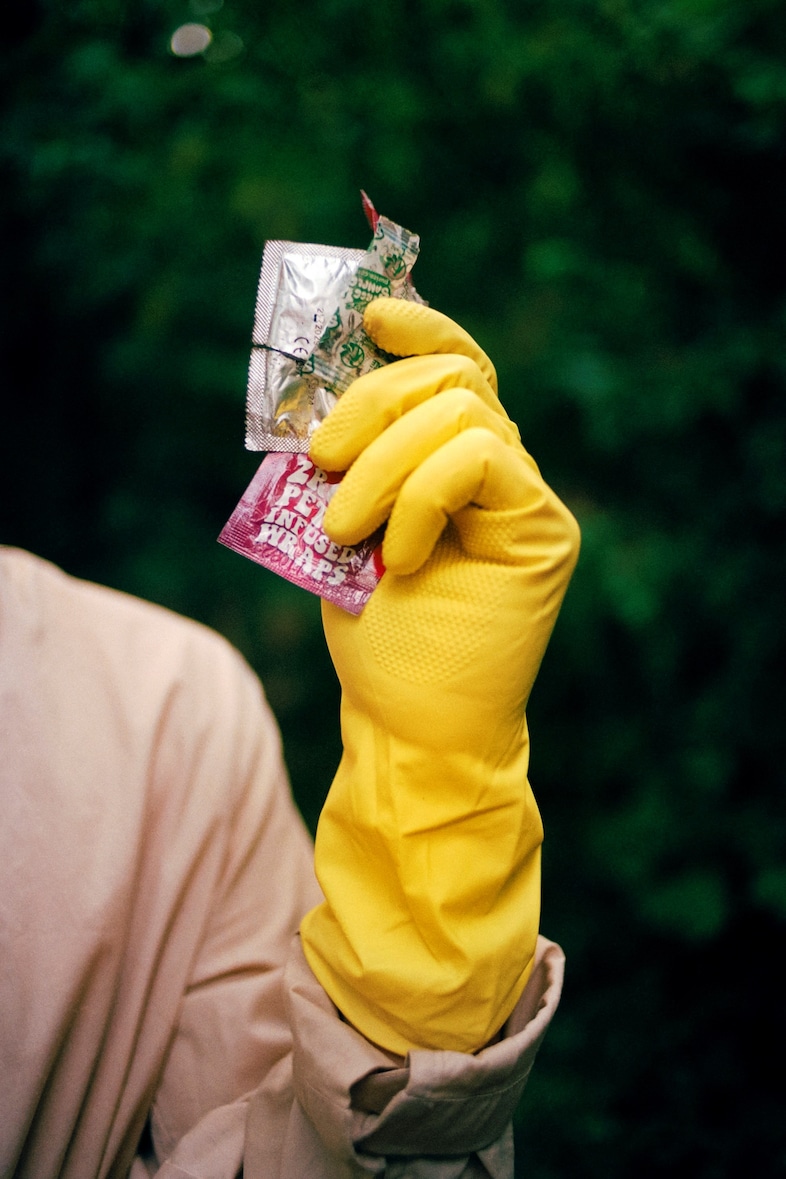
The current iteration of the project maps cruising sites across a diverse array of European capitals: Berlin, Athens, Dublin, Barcelona, and Paris. This geographical breadth allows for a comparative study of cruising cultures, revealing both universal patterns and distinct local characteristics. The objects themselves are a varied collection, ranging from personal items such as underwear and chewing gum packets to various low-grade prescription drugs, reflecting the multifaceted nature of human activity in these spaces. Unsurprisingly, there is no shortage of colourful condoms and their ripped, crumpled packaging, serving as stark, tangible reminders of the sexual encounters that define these grounds. These artefacts, often viewed as refuse, are recontextualized by Scollard as vital components of an alternative historical record, speaking to moments of connection, pleasure, and vulnerability.

Scollard’s research highlights that while the same kinds of items reappear across different locations, subtle distinctions emerge from site to site. These nuances, he explains, become crucial "markers of place," embedding a local context within familiar materials. "I find this very interesting to consider," Scollard states, "how the landscape itself corresponds to produce particular social dynamics and outcomes." This observation underscores the idea that cruising is not a monolithic activity but one deeply intertwined with its specific environment and the socio-cultural fabric of the surrounding city.
For instance, Scollard recounts finding a "Boiler lube" packet in Berlin’s Tiergarten, a sprawling urban park with a long-established reputation as a cruising ground. This particular lubricant is commonly associated with a well-known local sauna, indicating a direct link between the park’s outdoor cruising scene and Berlin’s more formalized queer social infrastructure. This connection reveals how distinct elements of a city’s queer landscape—from public parks to commercial venues—can intersect and influence each other. In Dublin, the discovery of a "Johnny’s got you covered" wrapper points to a different kind of local influence. This phrase is part of an Irish health-service campaign specifically designed to encourage safer sex practices, demonstrating the proactive role of public health initiatives within the local LGBTQ+ community and their tangible presence even in clandestine spaces. These examples illustrate how the seemingly random detritus collected by Scollard can provide rich, localized narratives, revealing the intricate interplay between individual actions, community resources, and the unique characteristics of specific urban environments.
Beyond the Utopian Narrative: Acknowledging Complexity
A foundational principle guiding Scollard’s project is a deliberate move away from romanticized or overly simplistic portrayals of cruising culture. He emphasizes the importance of acknowledging its inherent complexities and contradictions. "It felt particularly important to acknowledge the reality of cruising culture, which is that it is, and always has been, complex and perhaps contradictory at times," the artist asserts. There is a common tendency, he notes, to reduce sites of sexual and bodily freedom to an "inherently utopian" ideal. Scollard, however, probes deeper, questioning "for whom it is really utopian and what utopian even means." This critical approach allows the project to confront uncomfortable truths, including the reality that "risk and danger do play a part in cruising."
This willingness to engage with the less glamorous aspects of cruising culture is evident in the project’s frank address of drug use within some of these spaces. Among the mud and undergrowth of various sites, scans reveal traces of drug paraphernalia, a stark reminder of the challenges and vulnerabilities that can exist alongside moments of intimacy and connection. To further contextualize this sensitive topic, Cruising Archaeology II: Eurotrash includes insightful interviews with key figures from LGBTQ+ non-profits. Marc Svensson of You Are Loved, an organization dedicated to supporting individuals impacted by chemsex, and Mati Klitgård of Gay Consent.Lab, which focuses on consent and sexual well-being, provide expert perspectives. Their contributions open crucial conversations around chemsex and other forms of drug use in these settings, moving beyond judgment to offer a nuanced understanding of harm reduction, support networks, and the complex social factors at play. This interdisciplinary approach—combining art, archaeology, and social commentary—enriches the project significantly, ensuring it serves as a comprehensive document of queer life in all its dimensions.
Expanding the Lens: Inclusivity and Representation
The commitment to a nuanced and inclusive perspective extends to the project’s deliberate effort to broaden the range of voices and experiences represented. Scollard expresses caution around "reproducing certain narratives," specifically noting that "so much of the cultural dialogue around cruising centres the cis white gay male experience." To counteract this pervasive bias, Cruising Archaeology II: Eurotrash actively seeks out and integrates diverse perspectives. A standout contribution in the new edition comes from visual artist Stav B, who addresses the often-overlooked and actively erased history of lesbian cruising spaces.
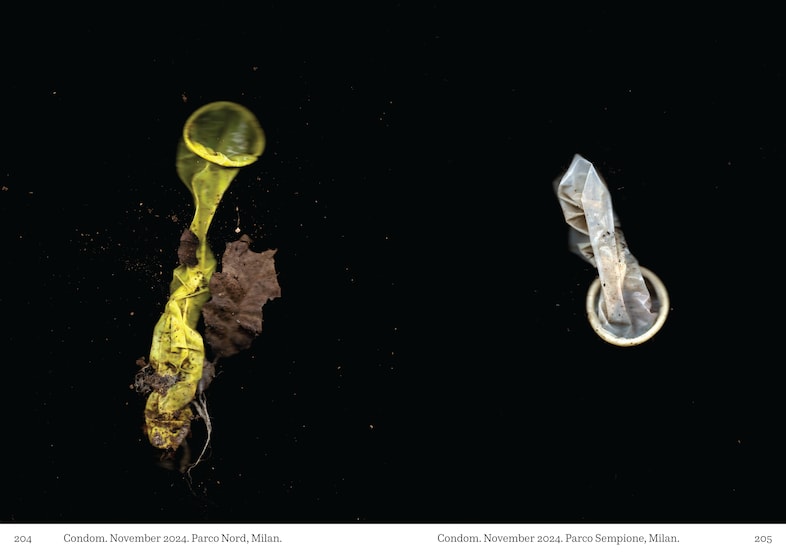
The historical invisibility of lesbian cruising is a critical point that Stav B’s contribution helps illuminate. Unlike gay male cruising, which has a more documented, albeit still clandestine, history in certain public spaces, lesbian cruising often operated under even greater layers of discretion and faced different forms of societal pressure and policing. The nature of lesbian social and sexual encounters in public spaces frequently involved subtle codes and networks that left even fewer tangible traces, making their "archaeology" particularly challenging but vital. By including Stav B’s work, Scollard ensures the project is not merely a chronicle of one specific segment of the queer community but strives for a more holistic representation of diverse queer sexualities and their historical spatial practices. This deliberate effort to "widen the voices and perspectives around this topic" is crucial for creating a truly comprehensive and equitable archive of queer history, acknowledging the varied ways different communities have navigated public space for intimacy and connection.
The Exhibition: Transforming Ephemera into Enduring Art
The project’s thoughtful approach extends beyond the publication itself into its physical manifestation. Cruising Archaeology is currently on display as an exhibition at Studio Voltaire in London, running until July 5, 2026. Here, the objects from the book are presented not as their original, raw forms, but as meticulously crafted jesmonite casts. This artistic decision is rooted in profound ethical considerations, as Scollard explains: "I had a reticence around showing the actual objects themselves because I had concerns around what it means to potentially show [other people’s] personal items without their consent."
Scollard, with his background in printmaking, chose casting as a solution that respects privacy while still engaging with the material reality of the finds. "It means the objects effectively are on display in terms of their physicality but that they are no longer the originals and have this distance from their source," he elaborates. This transformation from ephemeral detritus to enduring, sculptural form is a powerful artistic statement. The jesmonite casts strip away the immediate, potentially intrusive context of the original objects, allowing viewers to engage with their forms and implications on a more abstract, contemplative level. This method elevates the discussion from mere collection to a profound artistic interpretation of memory, presence, and the ethics of archiving personal histories. The exhibition, titled "Cruising Archaeology: The Pleasure Archive Research Centre," further underscores this academic and reflective approach, positioning the display as a space for research and critical engagement with the concept of pleasure and its historical traces.
Cruising Culture in a Shifting Political Landscape
Scollard’s project gains further resonance when viewed through the lens of contemporary political conditions. He draws a direct link between the subtle dynamics of cruising culture and wider global events that have profoundly reshaped the experience and control of public space. "One of the biggest things globally to happen between the first book and now has been the genocide in Palestine," he observes. Scollard connects the international and domestic events surrounding this crisis to an illustrative tightening of state and police control over populations and public spaces. He further links this to a broader trend in the UK, where the management of protest and public gathering has become increasingly restrictive.
This analysis is crucial for understanding the precariousness of ephemeral public spaces, including those utilized for cruising. In an environment where state power is increasingly asserted over how citizens can gather, express dissent, or even simply exist in public, the very existence of cruising grounds becomes vulnerable. Such political tightening makes it easier to imagine further restrictions on queer public gathering and on the more transient uses of space that cruising culture depends on. The historical context of cruising, often born out of necessity due to criminalization and social stigma, makes it particularly susceptible to such shifts in public policy and policing.
However, Cruising Archaeology II: Eurotrash also serves as a testament to the resilience of these worlds. Despite efforts to control, erase, or ignore them, these spaces and the communities that inhabit them do not disappear so easily. If cruising is inherently designed to leave little behind, Scollard’s project emphatically demonstrates that its traces still matter. These fragmented artifacts are not merely evidence of sexual acts; they are profound indicators of queer life, intimacy, resilience, and survival in public spaces that have historically been contested, marginalized, and yet persistently reclaimed.
Conclusion: The Enduring Significance of Queer Traces
Jack Scollard’s Cruising Archaeology II: Eurotrash stands as a pivotal work in contemporary art and queer studies. It masterfully blends artistic practice with archaeological rigor and social commentary, offering an unprecedented look at a hidden yet vital aspect of queer history. By meticulously documenting the seemingly insignificant detritus of European cruising grounds, Scollard creates a powerful archive that challenges conventional historical narratives and pushes for a more inclusive understanding of human experience.
The project’s commitment to acknowledging complexity, addressing risk, and actively seeking diverse perspectives—from the nuanced local contexts of Berlin and Dublin to the often-erased histories of lesbian cruising—elevates it beyond a simple collection of objects. It becomes a critical tool for exploring how public spaces are used, controlled, and subverted, and how communities carve out areas for intimacy and self-expression even under challenging circumstances. In a rapidly shifting political landscape, where the control of public space is increasingly contested, Cruising Archaeology II: Eurotrash serves as a poignant reminder that even the most ephemeral traces of human interaction hold profound significance. They are not just relics of past encounters but enduring testaments to queer survival, connection, and the persistent human need for freedom and intimacy. The exhibition, "Cruising Archaeology: The Pleasure Archive Research Centre," continues to invite public engagement with these vital histories at Studio Voltaire in London until July 5, 2026.