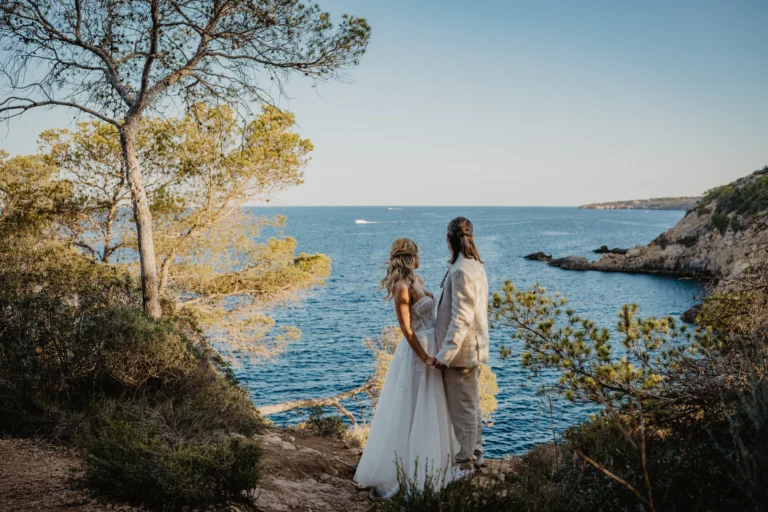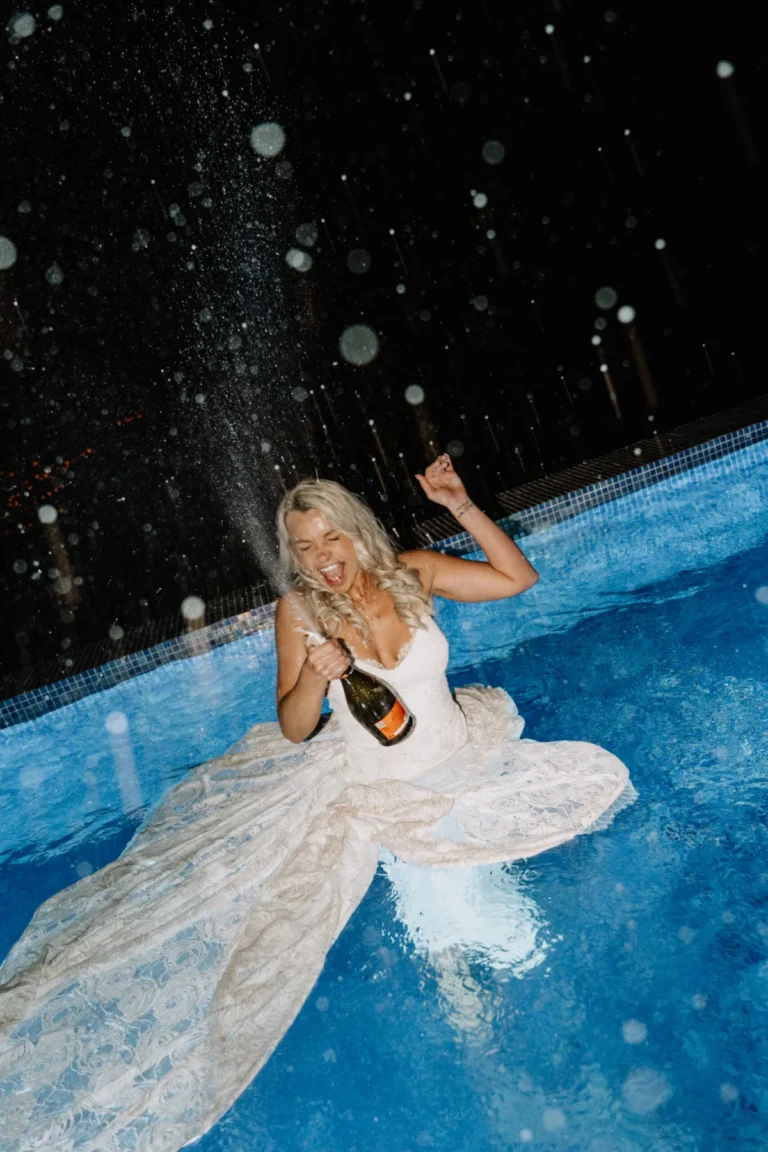







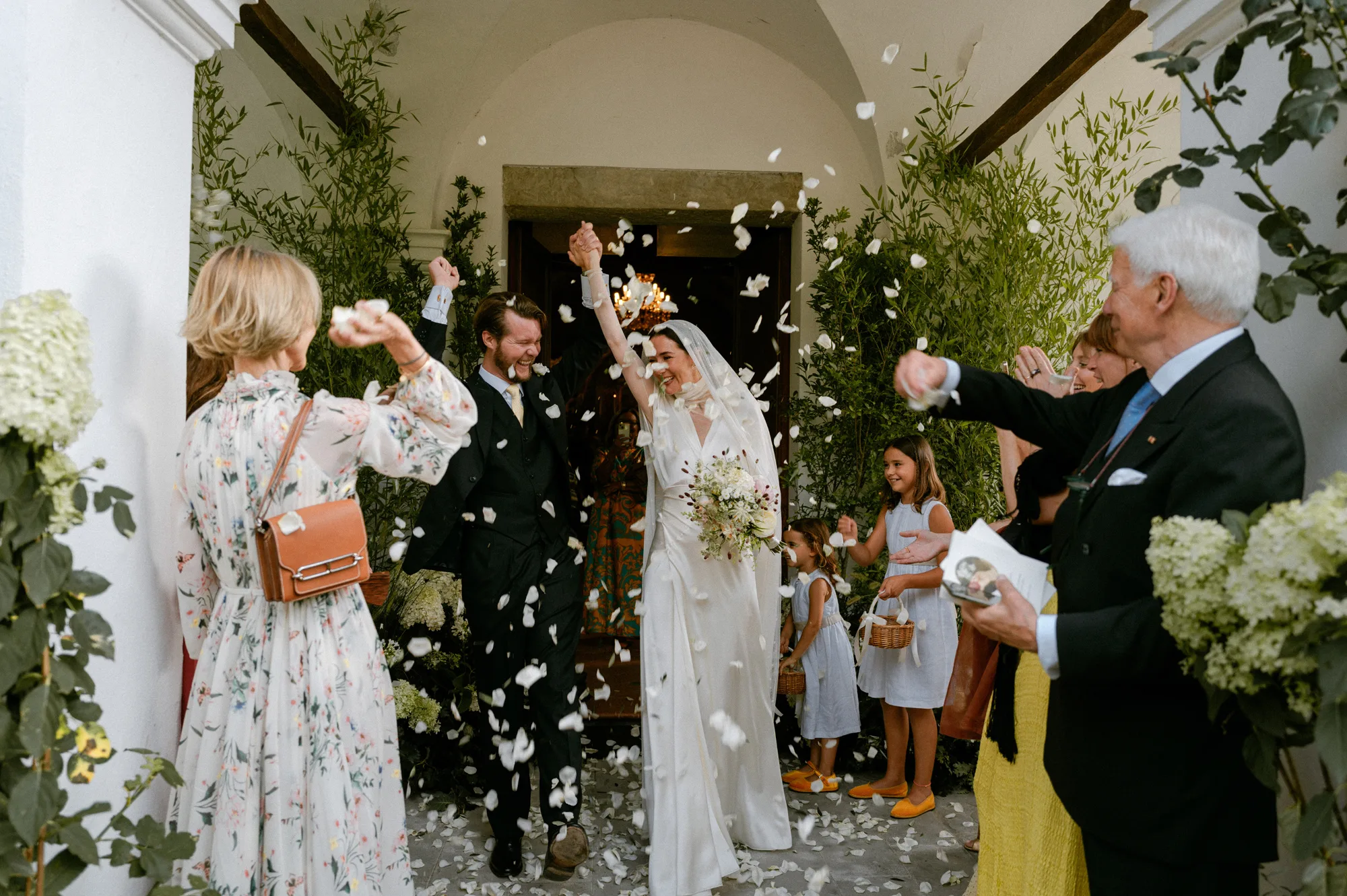
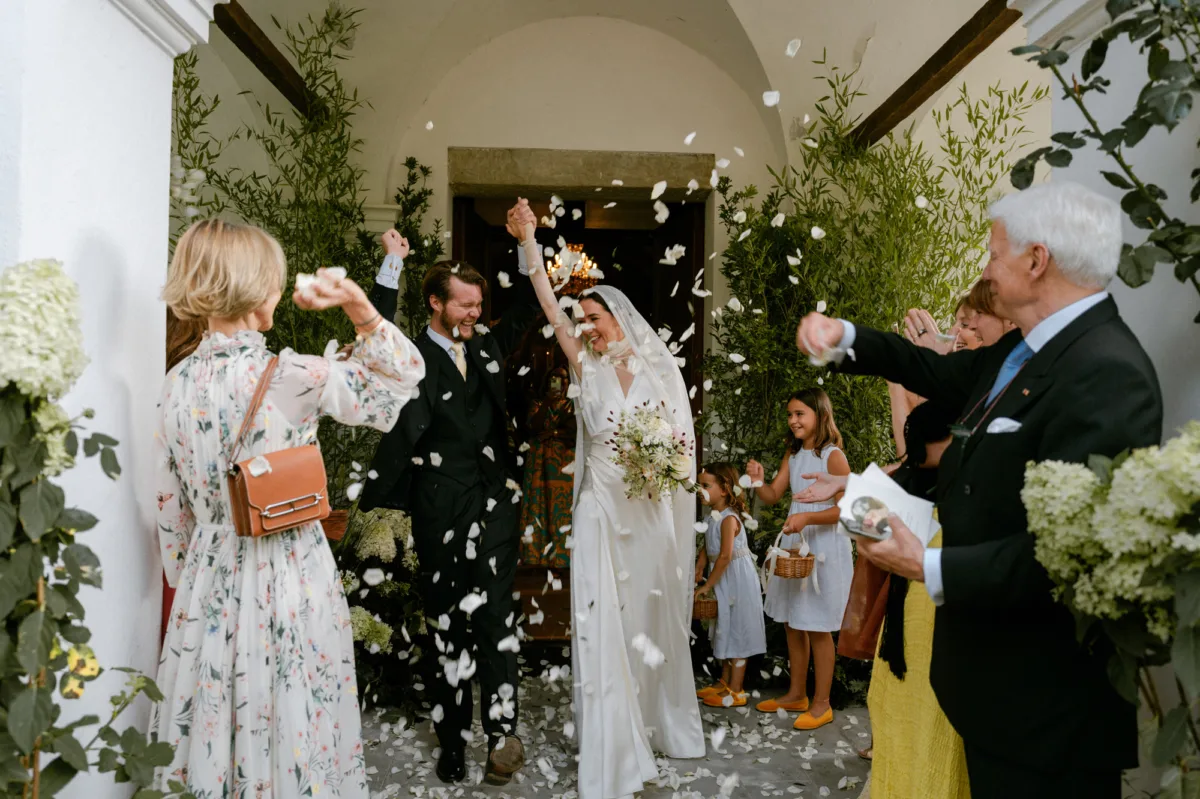
The union of Virginia and Federico, celebrated this past July in the Piedmont region of Northern Italy, represents a significant intersection of historical preservation, minimalist aestheticism, and long-term interpersonal connection. The ceremony, held at the Santuario della Madonna del Lago, followed by a reception at the groom’s ancestral home, Castello di Torre Ratti, underscored a growing trend in high-end nuptials: the prioritization of "lived-in" authenticity over manufactured perfection. Managed by wedding coordinator Isotta Fanfani, the event integrated international logistics with deeply local traditions, drawing guests from multiple countries to a celebration defined by what the couple described as "playful and a little chaotic, bucolic yet elegant."
A Seventeen-Year Chronology of Connection
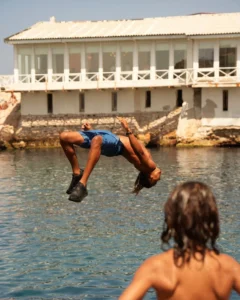
The relationship between Virginia and Federico is characterized by a nearly two-decade-long trajectory that precedes their marital commitment. The couple first met in 2008 at a sailing school in Sardinia, a setting that established a foundation of shared adventure and outdoor appreciation. For the next twelve years, the pair maintained a robust friendship, navigating their early adult lives as confidants before the relationship transitioned into a romantic partnership in 2020.
This seventeen-year history informed the atmosphere of the wedding, which eschewed the formal rigidity often associated with aristocratic Italian venues. By the time the couple arrived at the altar in July, their bond was rooted in what they described as a "shared nostalgia for past eras." This timeline reflects a broader sociological shift in modern marriage, where extended periods of friendship and co-habitation often precede formal legal unions, leading to ceremonies that function more as a celebration of existing continuity rather than the commencement of a new chapter.
Architectural and Sacred Settings in Piedmont
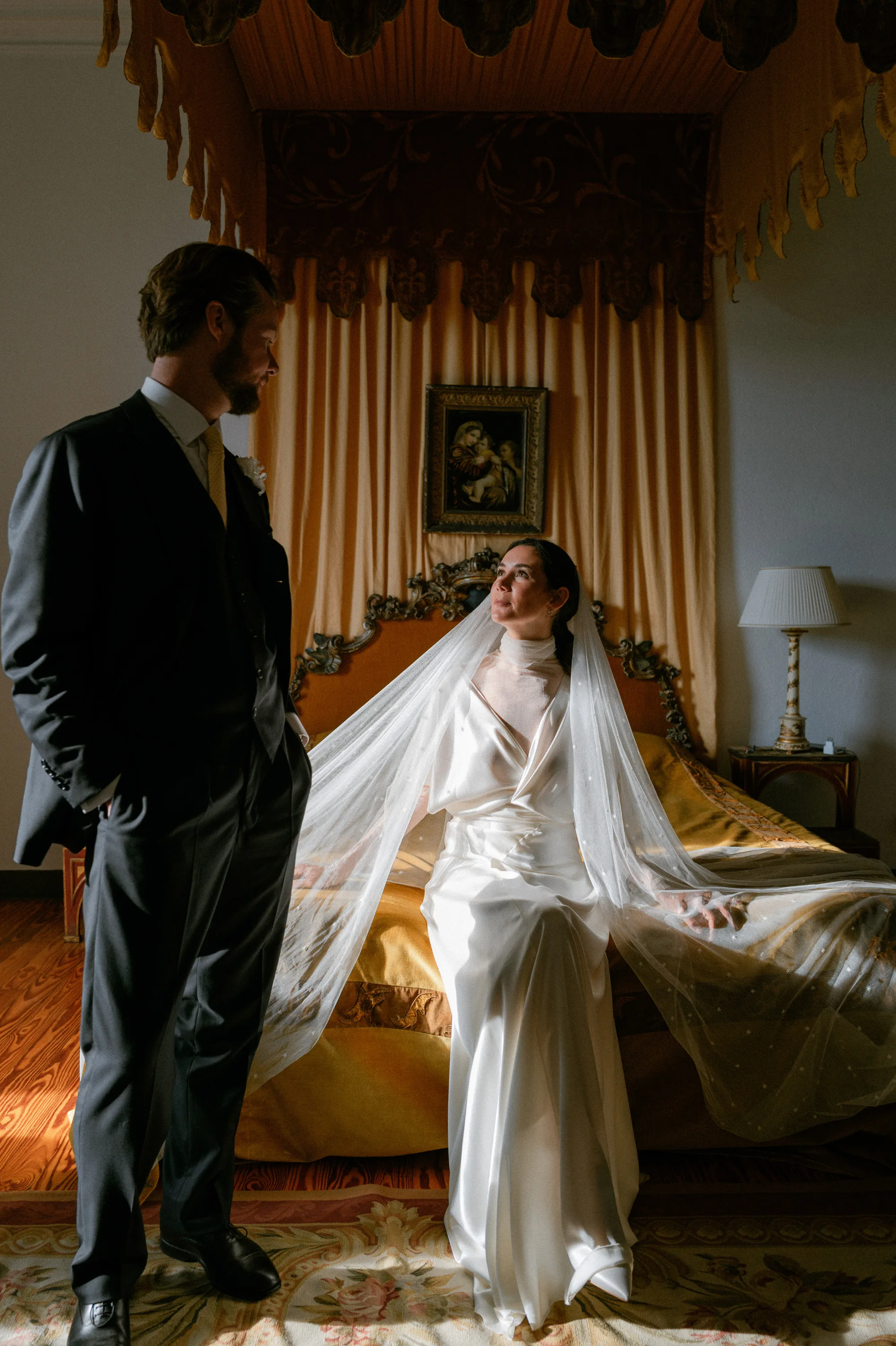
The selection of venues provided a dual narrative of public sanctity and private heritage. The religious ceremony took place at the Santuario della Madonna del Lago, a site noted for its serene atmosphere and architectural integration with the surrounding landscape. The choice of a traditional church ceremony, officiated by a local priest, grounded the event in the cultural and religious fabric of the region.
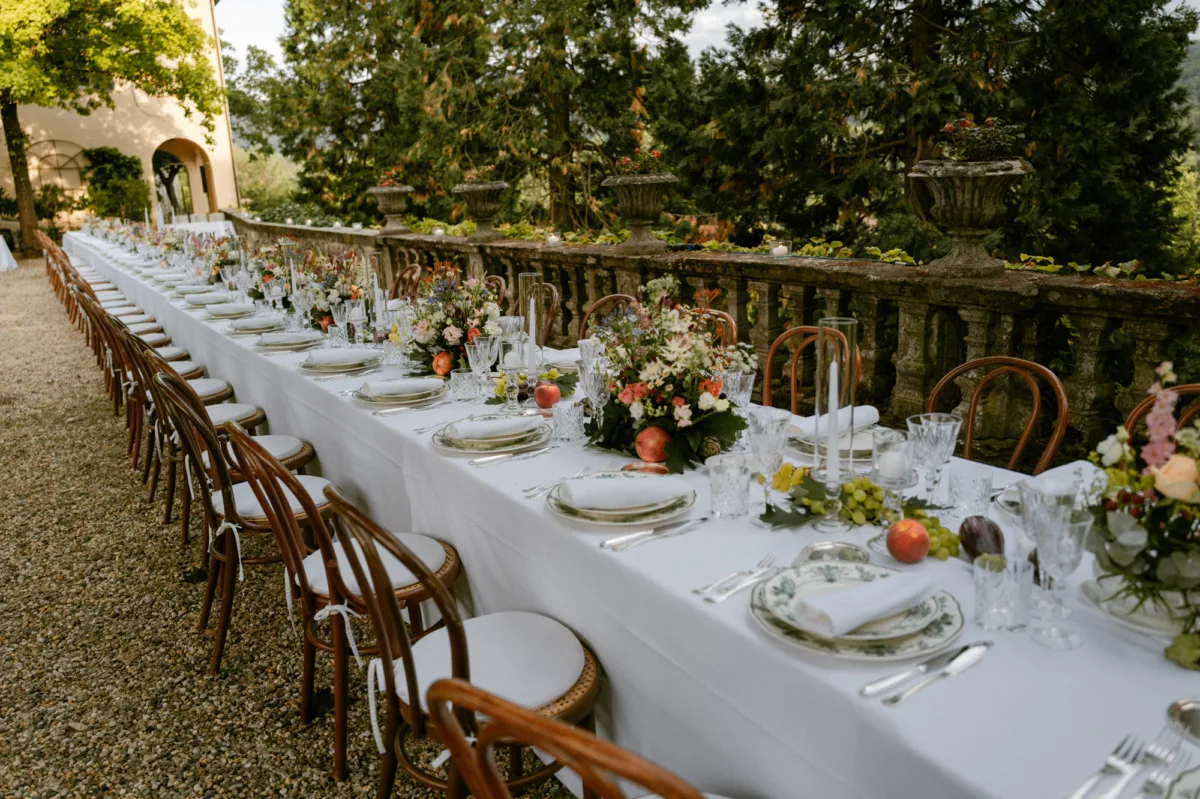
The transition to Castello di Torre Ratti for the reception marked a shift to a more intimate, historical setting. As the groom’s family home, the castle provided a backdrop that was inherently "layered with time." In the context of Italian destination weddings, the use of a private family estate represents a peak in the "quiet luxury" trend, where the exclusivity of the venue is derived from personal lineage rather than commercial availability. The planning process, led by Isotta Fanfani, focused on working with the existing architecture and gardens rather than imposing a temporary "event" aesthetic. This approach allowed the natural flow of the castle’s spaces to dictate the guest experience, fostering an environment where international visitors could feel a sense of domestic warmth.
Sartorial Minimalism and 1930s Influence
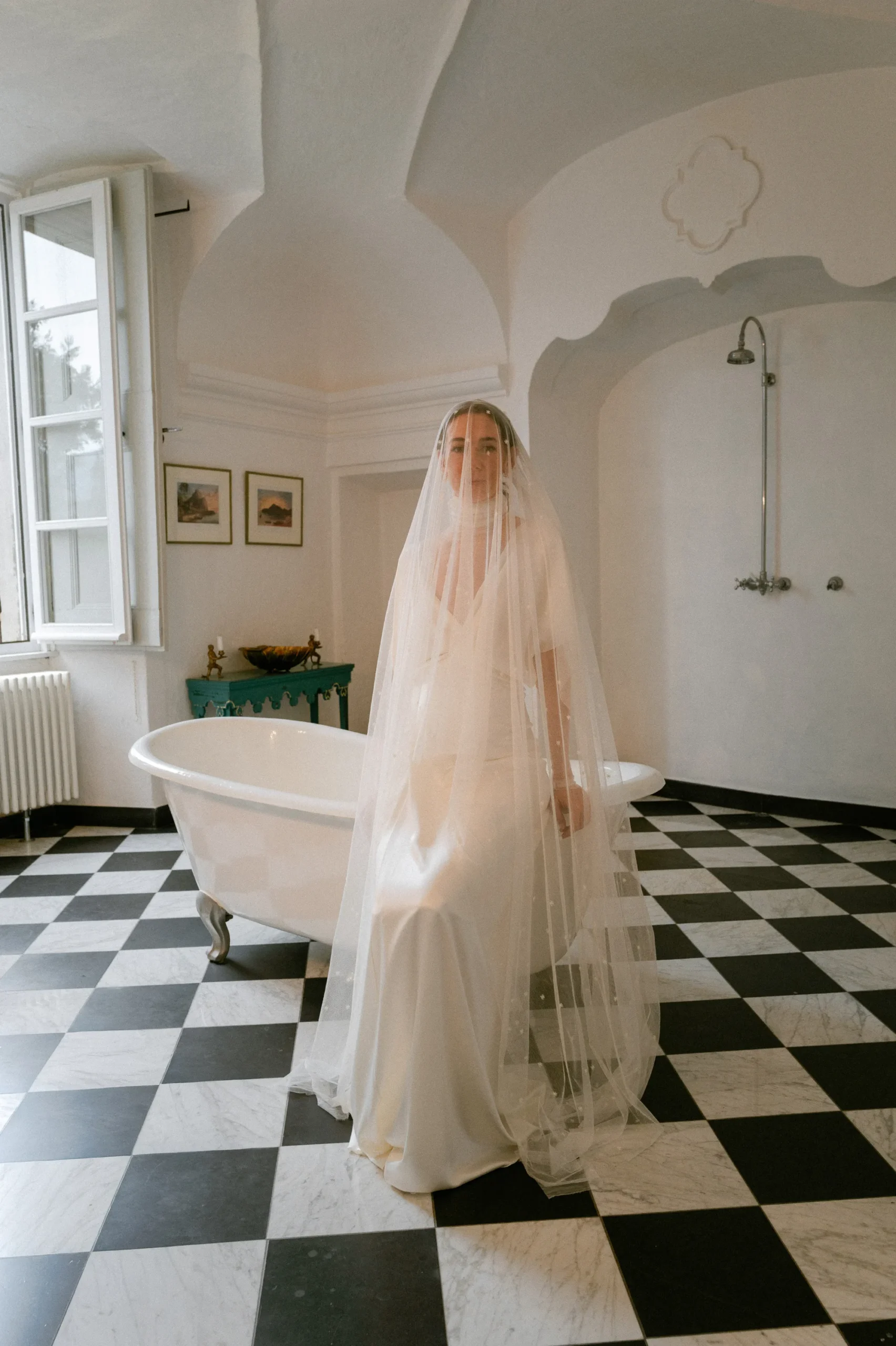
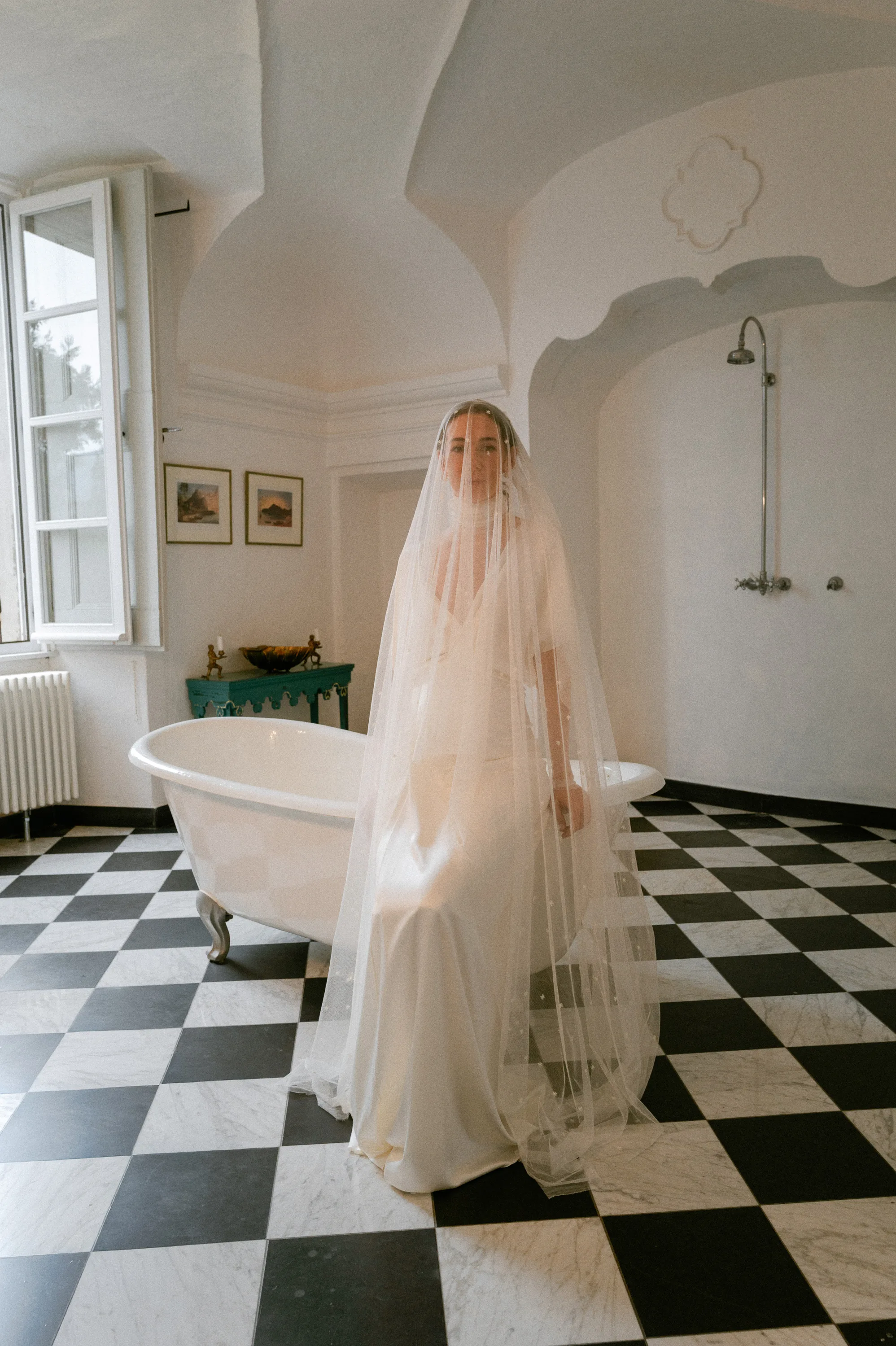
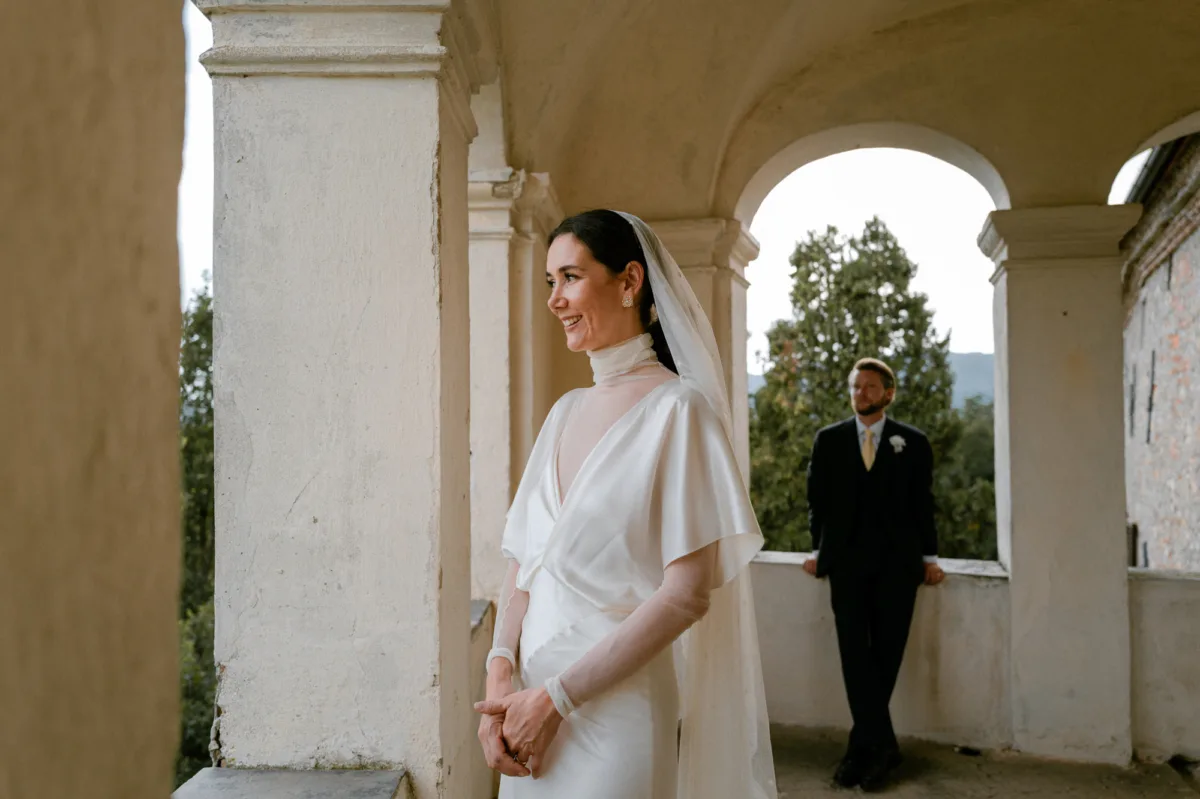
Virginia’s bridal attire served as a primary indicator of the wedding’s "minimalist and fluid" design philosophy. Selecting a gown from the Spanish label Cortana, discovered at Le Fate Atelier in Milan, the bride opted for a look that prioritized movement and future utility. The Cortana brand, led by creative director Rosa Esteva, is recognized for its use of natural fabrics and artisanal draping, aligning with Virginia’s desire for a garment that felt unforced.
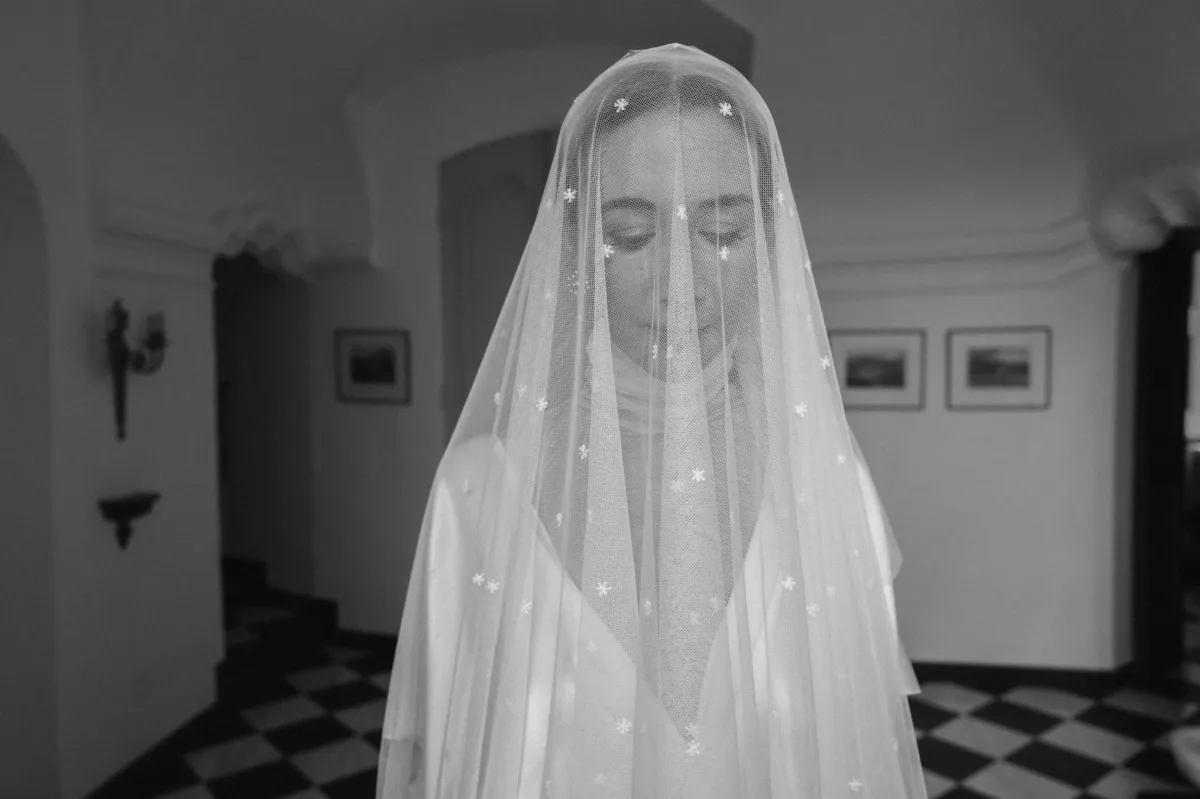
The ensemble was enriched with specific historical references, most notably a sheer top inspired by 1930s evening wear. This decade is frequently cited in fashion history for its transition from the structured silhouettes of the 1920s to a more bias-cut, body-conscious elegance. To complement this, Virginia wore a silk veil embroidered with small stars, a choice that shifted the accessory from a traditional religious symbol to a "poetic" character piece. The inclusion of personal jewelry further individualized the look, moving away from high-fashion branding toward sentimental value. Hair and makeup, executed by Angelo Nenna Pintor, maintained this ethos by focusing on a natural appearance that remained "true to the bride."
The Resurgence of Analogue Photography
The visual documentation of the day was entrusted to Stefano Santucci, a photographer noted for his commitment to analogue film. In an era dominated by high-speed digital capture and immediate social media dissemination, the choice of analogue photography represents a deliberate move toward "slow" media. Santucci’s style, described as unobtrusive and gentle, utilizes the unique grain and light-handling properties of film to create images that feel nostalgic and emotionally resonant.
Industry analysis suggests that the demand for film photography in weddings has seen a 40% increase among luxury demographics over the last three years. This trend is driven by a desire for "imperfections" that feel more authentic than the clinical precision of digital sensors. Santucci’s work at Castello di Torre Ratti captured the day as it unfolded naturally, avoiding the staged poses that can detract from the genuine experience of the guests and the couple.
Sustainable Floral Design and Family Heritage
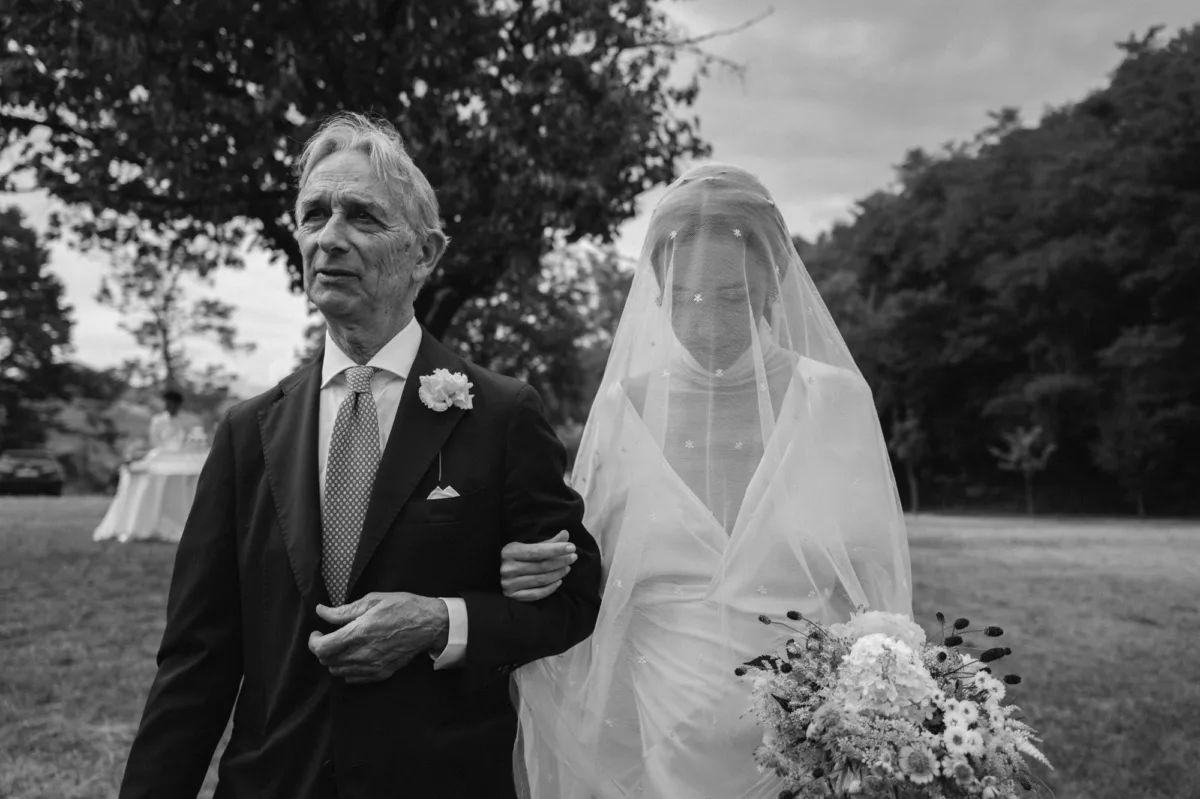
Sustainability and the reuse of resources were integrated into the event’s logistics via the work of Oltre Il Giardino. The floral arrangements were designed not only for the ceremony and reception but were specifically curated to be reworked for a brunch the following day. This practice of "floral repurposing" is becoming a standard in eco-conscious event planning, reducing waste and maximizing the life cycle of the blooms. The arrangements were described as "intentionally natural and abundant," designed to enhance the castle’s gardens rather than compete with them.
A standout element of the day was the inclusion of a vintage car from the groom’s family collection. The vehicle carried significant historical weight, having been raced by Federico’s grandparents in the Paris-Dakar Rally. This inclusion served as a "quiet tribute to family history, passion, and continuity." In a journalistic context, the presence of such an artifact elevates the event from a standard wedding to a historical milestone within a family’s lineage. The car was not treated as a "styled prop" but as a functional piece of history, reinforcing the theme of authenticity.
Gastronomy and International Coordination
The catering and wedding cake were provided by Rovida Signorelli, a provider synonymous with Italian quality and generosity. The menu focused on regional excellence, a move that aligns with the "agritourism" and "farm-to-table" movements prevalent in Piedmont. The cake was described as "simple and delicious," reflecting the couple’s broader rejection of over-polished or performative luxury.
The logistical challenge of hosting guests from various countries was managed by Isotta Fanfani, whose role was to ensure that the "informal and personal" vision of the couple remained intact despite the complexities of international travel and large-scale coordination. Fanfani’s reflections on the event emphasize the importance of "letting go of small details" to focus on presence. This philosophy is often the hallmark of successful high-end events, where the success of the day is measured by the emotional connection of the participants rather than the flawless execution of a schedule.
Broader Impact and Industry Analysis
The wedding of Virginia and Federico serves as a case study for several emerging trends in the global wedding industry. First, the "private villa" or "family home" wedding continues to gain traction as couples seek venues with inherent emotional value. Second, the "nostalgia" aesthetic—characterized by 1930s fashion influences, analogue photography, and vintage family artifacts—is replacing the "industrial chic" or "glamorous" trends of the previous decade.
Furthermore, the emphasis on a "lived-in" and "not overly polished" atmosphere reflects a post-pandemic shift in how social gatherings are valued. There is a heightened focus on the "feeling" of the event and the reconnection of friends and family from different "chapters of life." As Virginia noted, the most moving aspect was seeing people from different countries and life stages celebrate together.
In conclusion, the celebration at Castello di Torre Ratti was more than a formal union; it was a curated display of historical continuity and aesthetic restraint. By leveraging family history, choosing sustainable practices, and prioritizing a long-term friendship, Virginia and Federico created a template for modern elegance that is rooted in substance rather than spectacle. The event stands as a testament to the power of "bucolic elegance" in the contemporary landscape of high-society weddings.