






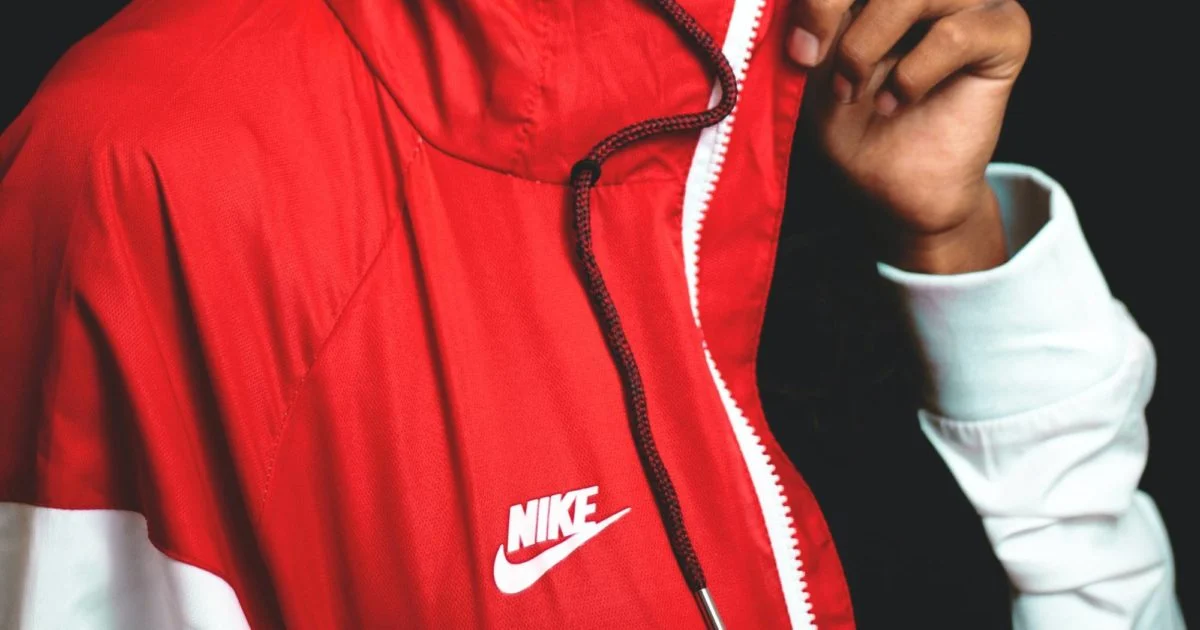
Nike, a global titan in the sportswear industry, consistently ranks among the most searched brands in directories dedicated to ethical consumption. Despite its pervasive cultural influence and inspiring advertising campaigns, a comprehensive evaluation by Good On You, last updated in January 2026, assigns the brand an overall rating of "It’s a Start," indicating significant areas for improvement across its environmental, labor, and animal welfare practices. This rating, while acknowledging some progressive initiatives, underscores a persistent gap between Nike’s public image and its operational realities, particularly concerning its extensive global supply chain.
The Enduring Challenge of Ethical Production for a Global Leader
Nike’s ubiquitous presence, symbolized by its iconic "Swoosh," belies a history fraught with ethical controversies that stretch back decades. While the brand has skillfully cultivated an image of empowerment and diversity through campaigns like "Just Do It," it has simultaneously faced enduring scrutiny over its manufacturing practices, specifically allegations of sweatshop labor and inadequate worker protections. This dichotomy highlights the complex challenges faced by multinational corporations in balancing vast production scales with responsible sourcing and manufacturing. The Good On You assessment serves as a critical lens, examining the brand’s commitment to people, the planet, and animals, based on research that may not encompass all claims made since the January 2026 rating.
A History of Labor Exploitation Allegations and Delayed Responses
The issue of "Nike sweatshops" has been a focal point of human rights activism since the 1970s, gaining widespread notoriety to the extent of having a dedicated Wikipedia page documenting the historical allegations. A pivotal moment occurred in the early 1990s when activist Jeffrey Ballinger published a report and an article in Harper’s Magazine, detailing alarmingly low wages and substandard working conditions within Nike’s Indonesian factories. This exposé ignited a sustained public outcry and a targeted campaign by organizations such as United Students Against Sweatshops, propelling Nike’s labor practices into the global spotlight.
Nike’s initial response to these accusations was characterized by a marked slowness and resistance. However, under escalating pressure from consumers, activists, and media, the company gradually began to implement changes. These included enhancing monitoring efforts within its supply chain, increasing the minimum age for workers in its factories, and conducting more frequent factory audits. While these steps were acknowledged, critics often pointed to them as reactive rather than proactive, suggesting that Nike typically required significant external pressure before committing to meaningful ethical reforms.
This pattern of delayed action has, unfortunately, re-emerfaced in more recent times. A notable instance involves the compensation of approximately 3,300 workers at the Thai supplier factory Hong Seng Knitting. These workers were reportedly pressured into taking unpaid leave during the COVID-19 pandemic. It took a protracted five-year campaign, involving the concerted efforts of prominent labor rights organizations including the Clean Clothes Campaign, Fair Labor Association, Worker Rights Consortium, and Partners for Dignity and Rights, before Nike committed to providing restitution. This lengthy period underscores the persistent need for external advocacy to drive improvements in Nike’s labor practices, despite the company’s stated commitments to corporate responsibility. The compensation, while a necessary step, highlights the ongoing vigilance required to ensure fair treatment for workers within its vast supply network.
Environmental Stewardship: Progress Amidst Transparency Gaps
For its environmental impact, Nike maintains an "It’s a Start" rating, a designation that has remained unchanged in recent reviews. The brand has made efforts to integrate lower-impact materials into its product lines. However, a critical transparency issue arises from its failure to publish an aggregate breakdown of all materials used. This lack of detailed disclosure makes it challenging for independent analysts and consumers to ascertain the true proportion of sustainable fibers within Nike’s overall material mix, potentially allowing for "greenwashing" concerns where the visible use of some eco-friendly materials might overshadow a larger reliance on conventional, high-impact resources.
In terms of climate action, Nike has publicly committed to a science-based target for reducing greenhouse gas emissions generated across its direct operations and supply chain. This is a commendable goal aligned with global efforts to combat climate change. However, the company has yet to provide sufficient public evidence demonstrating its progress toward meeting this ambitious target. Without transparent reporting on its emission reduction trajectory, the efficacy of these commitments remains largely unverified.
Nike has also initiated several circularity programs aimed at reducing textile waste and extending product lifecycles. Its "Re-Creation" program focuses on upcycling products, while the "Refurbished" initiative gives a second life to unsold or slightly damaged sneakers, offering them to consumers as "factory seconds" or "tarnished customer returns." While these programs represent positive steps toward a more circular economy, their overall scale and impact are not clearly communicated. The absence of quantifiable data regarding the implementation and effectiveness of these initiatives makes it difficult to assess their meaningful contribution to reducing Nike’s extensive waste footprint. For a company of Nike’s size, with immense production volumes, the impact of such programs needs to be demonstrably significant to truly move the needle on environmental sustainability.
Labor Conditions: A "Not Good Enough" Rating and Ongoing Concerns
Nike’s labor rating has seen a decline in recent assessments, now standing at "Not Good Enough." This deterioration reflects several significant concerns regarding worker protections and transparency within its supply chain. A major setback occurred in 2017 when the International Labor Rights Forum reported that Nike had rescinded its commitment to the Worker Rights Consortium (WRC). This decision effectively curtailed independent monitoring of Nike’s supplier factories by labor rights experts, raising serious questions about the brand’s willingness to allow external scrutiny of its working conditions.
Furthermore, Nike has conspicuously refrained from signing the International Accord for Health and Safety in the Textile and Garment Industry. This critical initiative emerged in the aftermath of the devastating Rana Plaza factory collapse in Bangladesh, which claimed over 1,000 lives, and is designed to improve factory safety standards across the textile industry. The Accord has been signed by many of Nike’s competitors, including Adidas, making Nike’s refusal to join particularly concerning. Critics argue that there is little justifiable excuse for a company of Nike’s stature not to commit to such a fundamental measure aimed at ensuring the safety of the workers who produce its goods.
While Nike does conduct audits across some segments of its supply chain, including all final production stages, this represents only a fraction of the entire process. Auditing the final production stage is often considered the easiest segment to monitor, leaving vast portions of the supply chain, particularly those involving raw material sourcing, susceptible to exploitation without adequate oversight. Comprehensive auditing throughout the entire supply chain, down to the raw materials, is essential to prevent hidden abuses.
The issue of living wages remains a significant point of contention. The 2018 "Foul Play" report by the Clean Clothes Campaign and Collectif Ethique sur l’Etiquette starkly highlighted the disparity between the escalating sums Nike allocates to athlete sponsorships and marketing, versus the diminishing share of the final product price paid to supply chain workers. The report unequivocally called upon Nike to commit to implementing living wages across its entire supply chain. Eight years later, this commitment has yet to be fully realized. While Nike has adopted a living wage definition and methodology consistent with the Global Living Wage Coalition and ensures payment of a living wage in some final production stages, this partial implementation falls short of comprehensive coverage.
Recent investigations continue to expose vulnerabilities in Nike’s wage practices. ProPublica and The Oregonian reported allegations that Nike has been shifting its production to regions in Indonesia where minimum wages are lower, a practice that critics argue is designed to reduce labor costs rather than ensure fair compensation. For a brand with Nike’s immense purchasing power and global production footprint, these actions are deemed insufficient. It is argued that Nike has a responsibility to actively engage with its suppliers to guarantee long-term financial security for all workers throughout its extensive supply network.
Beyond wages, concerns about diversity and inclusion within Nike’s own operations and supply chain have also surfaced. While Nike often leverages diversity in its marketing, and has a basic policy to support diversity and inclusion, reports from the Business of Fashion suggest a recent backtracking. This includes not publishing a 2025 impact report and scaling back on historically significant collections like Black History Month and Pride, raising questions about the depth of its internal commitment to these values.
Animal Welfare: A Consistent "Not Good Enough" Rating
Nike’s animal welfare rating has remained "Not Good Enough" for several years, reflecting its continued use of animal-derived materials such as wool, leather, down, shearling, and angora. While the brand incorporates some recycled or certified alternatives to conventional leather and wool, these efforts are not deemed extensive enough to counteract the overall demand generated by its large-scale production for virgin animal fibers. The sheer volume of products manufactured means that Nike’s material choices still significantly contribute to industries with potential animal welfare concerns. A more robust commitment to entirely vegan alternatives or stricter, more comprehensive certifications across its entire supply chain would be required for an improved rating in this category.
Overall Assessment: "It’s a Start" – A Call for Accelerated Leadership
In summary, Nike’s overall rating of "It’s a Start" reflects a company that has implemented some commendable measures but falls short of the comprehensive ethical and sustainable practices expected of a global leader. As a brand at the forefront of consumer culture and sportswear, Nike holds a significant responsibility to set exemplary standards for the industry. The persistent allegations of labor exploitation, spanning over 35 years, represent its most consistent point of controversy. It is imperative for Nike to demonstrate an unwavering commitment to eradicating such practices throughout its entire supply chain and to fully implement living wages for all workers. Furthermore, enhanced transparency in material sourcing, environmental impact reporting, and circularity initiatives are crucial steps towards aligning its operations with its progressive brand image. Good On You ratings consider hundreds of issues, and this summary only highlights key areas. For a deeper understanding, consumers are encouraged to consult the detailed methodology on the Good On You "How We Rate" page and FAQs.
Seeking More Sustainable Alternatives: Empowering Consumer Choice
For consumers who admire Nike’s aesthetic but wish to support brands demonstrating stronger ethical and sustainable credentials, several alternatives rated "Good" or "Great" exist. These brands offer diverse options across activewear and footwear, prioritizing responsible production:
- Tripulse: A Swedish activewear brand committed to high-performing activewear that prioritizes both the planet and people. Tripulse emphasizes the connection between physical and mental fitness and sustainable practices. Their range is inclusive, available in sizes XS-6XL.
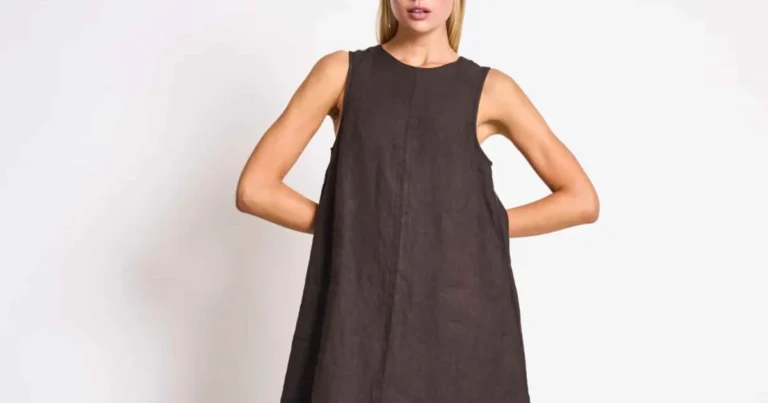
- BAM: This UK-based brand specializes in womenswear and menswear basics made from bamboo. Rated "Good" for people, the planet, and animals, BAM traces most of its supply chain and offers clothing recycling services to mitigate end-of-life textile waste. Sizes range from XS-L.
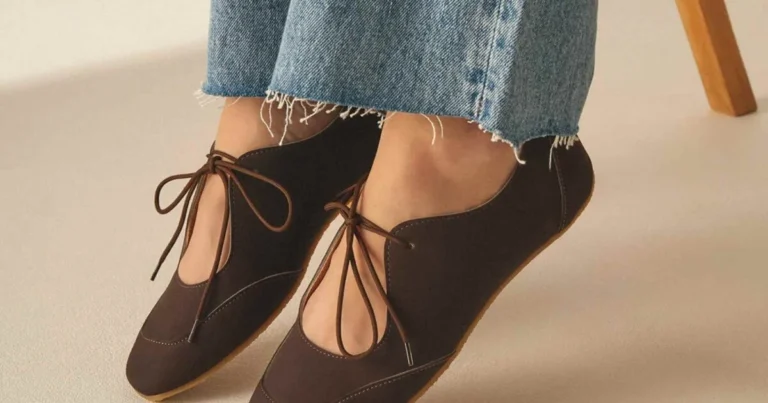
- Flamingos’ Life: This brand creates animal-material-free sneakers, utilizing lower-impact and PETA-approved vegan materials, including upcycled components. Their footwear is available in sizes 36-46.
- Agazi: A Polish vegan footwear brand offering sneakers, sandals, heels, and flats. Agazi uses non-animal-derived materials such as hemp and innovative apple skin and grape-based alternative leathers.
- Ucon Acrobatics: This brand focuses on innovative, functional, and minimalistic products. They incorporate a high proportion of eco-friendly materials like organic cotton, utilize renewable energy in their direct operations, and ensure payment of a living wage at the final production stage.
While these sustainable brands offer compelling alternatives, it is acknowledged that they may not always meet every specific consumer need in terms of price point, size availability, or style. In such instances, if a Nike product is deemed the best option, consumers are encouraged to explore secondhand markets, such as resale platforms or local thrift stores, to extend the product lifecycle and reduce demand for new production.
Moreover, consumer advocacy plays a vital role in driving corporate change. By actively engaging with brands—through direct communication, social media, or platforms like Good On You’s "Your Voice" function—consumers can collectively demand greater transparency and more robust ethical practices. A unified customer voice can compel even the largest brands to respond meaningfully to their environmental and social impact.
Editor’s Note: Feature image via Unsplash, all other images via brands mentioned. Good On You publishes the world’s most comprehensive ratings of fashion brands’ impact on people, the planet, and animals. Use our directory to search thousands of rated brands. This article was updated on 17 March 2026, with frequent updates made by editors to ensure accuracy and reflect the most recent rating reviews and sources.