









For centuries, tea has transcended its humble origins as a simple beverage to become a profound cultural institution, particularly in Western societies where its consumption evolved into a highly refined ritual. This transformation is underpinned by an intricate web of traditions, tools, and social conventions collectively known as tea etiquette. Far from being merely a set of stiff rules, these practices offer a framework for slowing down, demonstrating consideration for others, and fostering an atmosphere of civility. The pursuit of a "proper" cup of tea extends beyond flavor, encompassing elements of hospitality, courtesy, and a meticulous attention to detail that elevates the mundane into a meaningful experience.

A Historical Brew: Tea’s Journey to Western Refinement
The journey of tea from an exotic Eastern commodity to a cornerstone of Western social ritual is a fascinating chronology. Tea first arrived in Europe via Portuguese traders in the early 17th century. Its introduction to England is often credited to Catherine of Braganza, the Portuguese wife of King Charles II, in 1662. Her personal preference for tea quickly elevated its status within the royal court, transforming it from a medicinal curiosity into a fashionable drink among the aristocracy.

By the 18th century, tea consumption had grown, though it remained an expensive luxury. The East India Company played a pivotal role in increasing its availability, albeit amidst controversies regarding trade practices. However, it was in the 19th century that tea truly became entrenched in British culture. A significant development was the introduction of "afternoon tea" by Anna, the 7th Duchess of Bedford, in the 1840s. Finding a "sinking feeling" in the late afternoon between lunch and a late dinner, she began requesting a pot of tea, bread, butter, and cakes be brought to her room. This private habit soon evolved into a social occasion, inviting friends to join her. The practice quickly spread among the upper and middle classes, becoming an essential daily ritual and a vehicle for social interaction.
The Victorian era further solidified tea’s place in society, with elaborate customs and specific etiquette emerging. Tea parties became central to social life, providing a structured environment for conversation, courtship, and the display of refined manners. These traditions, meticulously documented in etiquette manuals of the time, laid the groundwork for many of the practices observed today.

The Global Tea Market: Economic Underpinnings of a Cultural Staple
Beyond its cultural significance, tea represents a substantial global industry. The worldwide tea market was valued at approximately USD 207.1 billion in 2023 and is projected to reach USD 338.4 billion by 2032, according to market research reports. This growth is driven by increasing health consciousness, diverse product offerings, and a sustained appreciation for traditional tea rituals.
Within this vast market, the segment for traditional tea service ware, though niche, remains robust. Manufacturers of fine bone china, such as Wedgwood, Royal Albert, and Aynsley, continue to cater to a demand for quality and heritage. Bone china, renowned for its exceptional whiteness, translucency, and delicate strength, commands premium prices. A high-quality bone china tea set can range from several hundred to thousands of dollars, reflecting the craftsmanship and material costs. Similarly, silver or silver-plated teapots and accessories maintain a strong presence, often passed down as heirlooms or sought after by collectors. The market for vintage tea sets, found in antique shops and online marketplaces, also thrives, allowing enthusiasts to acquire pieces with historical character at more accessible prices. This economic underpinning demonstrates that the ritual is not merely an abstract social construct but is supported by a tangible industry producing the very tools necessary for its enactment.
Crafting the Perfect Service: Tools and Materials
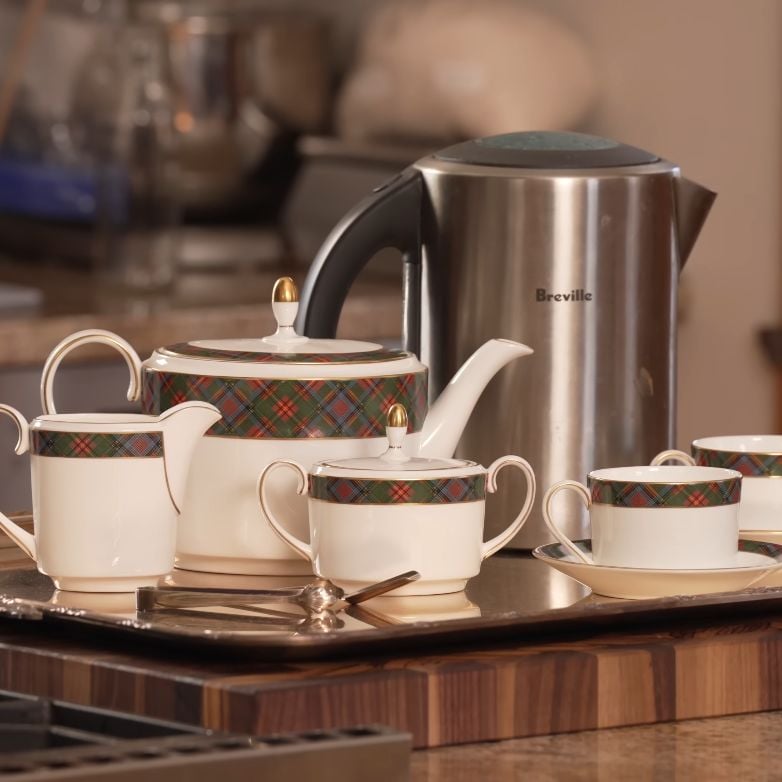
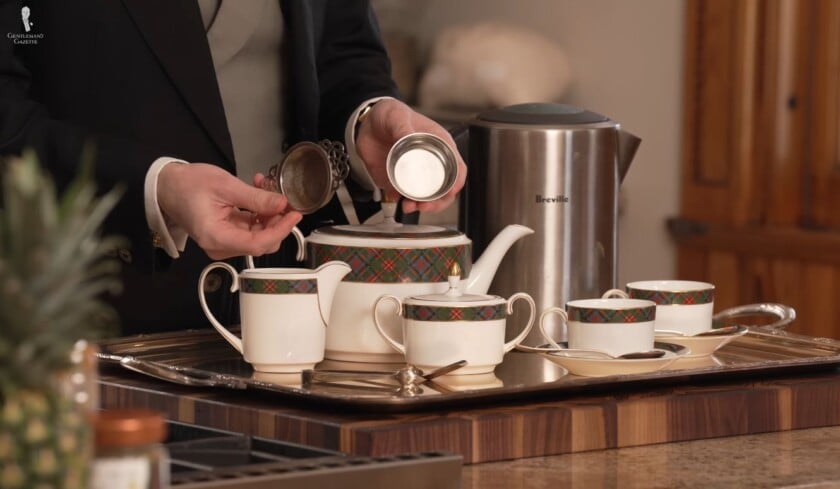
A truly refined tea service, while not necessarily extravagant, relies on a specific array of essential tools that contribute to both functionality and aesthetic pleasure. These include: a kettle for boiling water, a teapot for brewing, a tea strainer to filter loose leaves, teacups and saucers, a milk jug, a sugar bowl (with tongs or a communal spoon), and teaspoons. Each piece serves a distinct purpose, elevating the act of preparing and serving tea.
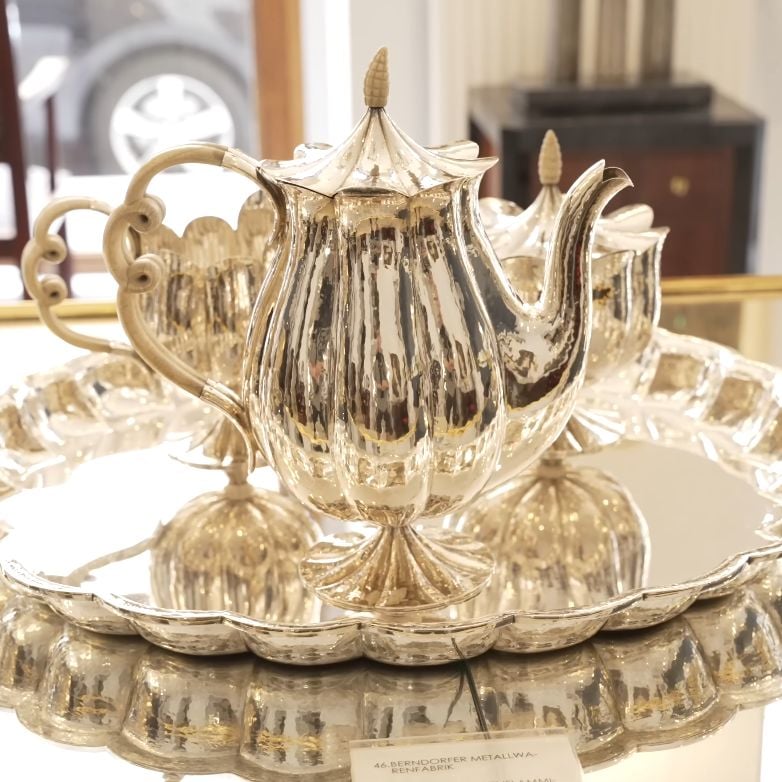
The choice of materials is paramount, particularly for the teacups and saucers. Bone china is the traditional and preferred material, offering a thinner, lighter, and more elegant feel compared to heavier ceramic alternatives. Its delicate rim enhances the drinking experience, and its superior heat retention keeps the tea warm longer. For the teapot, options typically include porcelain, known for maintaining the tea’s pure flavor, or silver/silver-plated metal, which offers excellent heat retention and a classic, luxurious appearance. Distinguishing a teapot from a coffee pot is a subtle but important detail: teapots are generally shorter, rounder, and squatter, while coffee pots are taller and more tapered. The deliberate selection of these items reflects a commitment to the ritual’s integrity and aesthetic.
The Science and Art of Infusion: Brewing with Precision
The brewing stage is the foundation of any good tea service, dictating the ultimate flavor profile. Etiquette experts and tea connoisseurs universally advocate for loose-leaf tea over tea bags. Loose leaves require space to unfurl and circulate freely, allowing for optimal infusion and a more complex, nuanced flavor. This is why a tea strainer is indispensable, filtering the leaves as the tea is poured, ensuring a smooth, clear beverage without sacrificing the richness of a proper infusion.
The process demands precision:
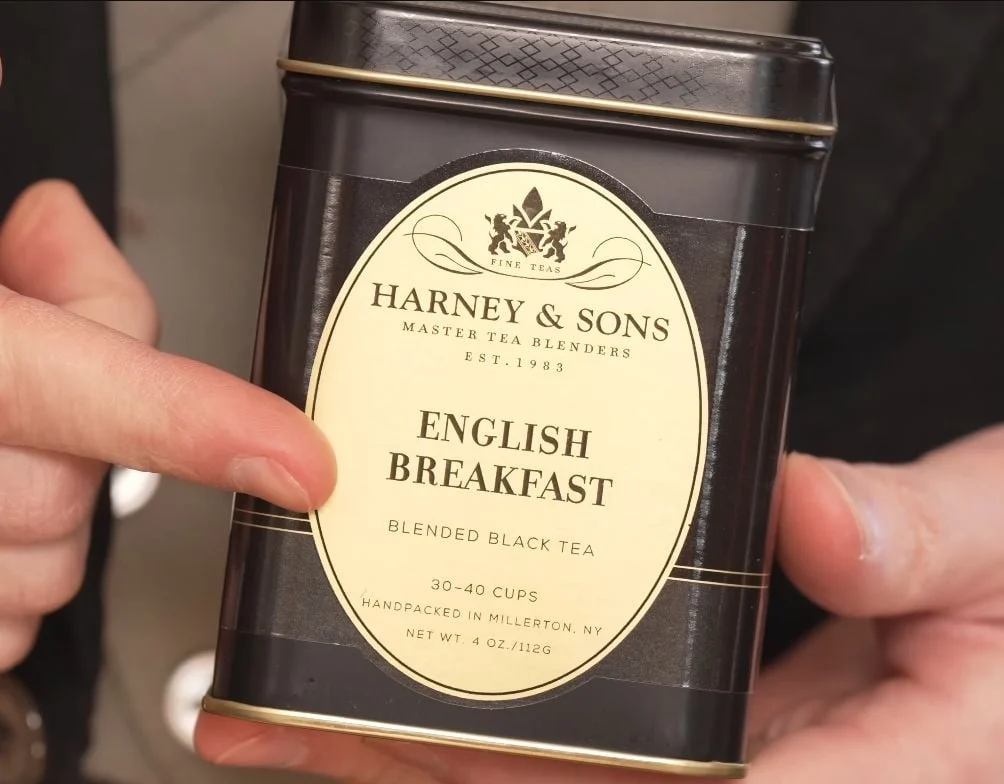
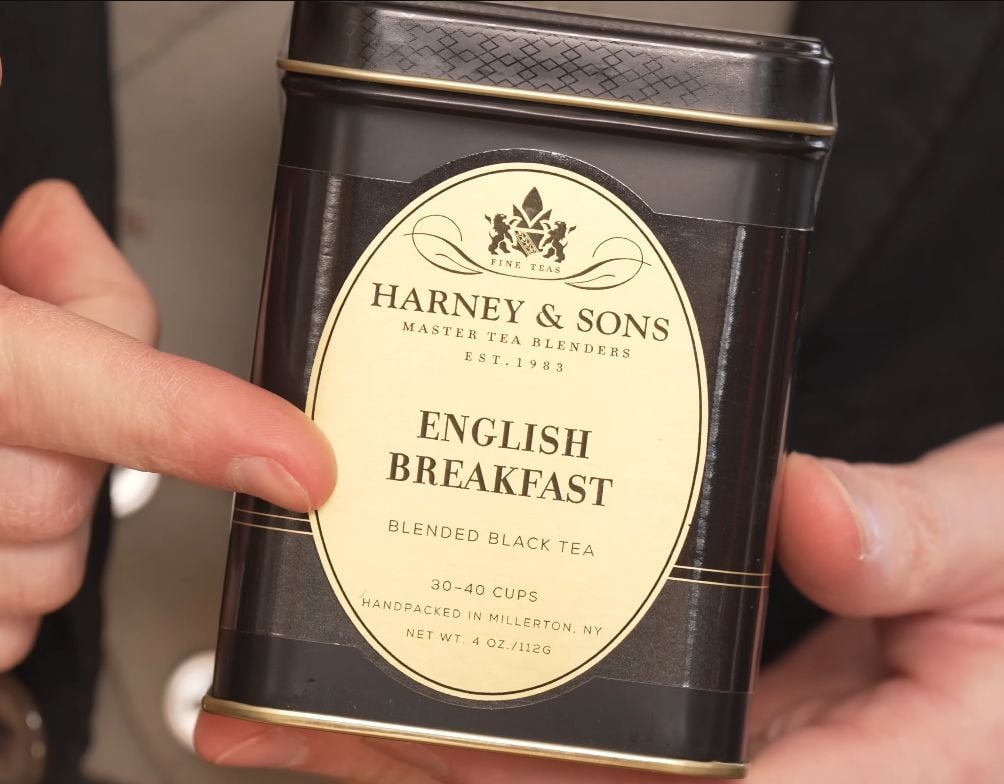
- Water Temperature: For robust black teas, such as a classic English Breakfast, water must reach a full rolling boil (approximately 100°C / 212°F). Different tea types (green, white, oolong) require specific, often lower, temperatures to prevent bitterness.
- Water Quality: Filtered water is highly recommended. Hard water, rich in mineral content, can chemically react with tea compounds, flattening or weakening the flavor. Filtered water allows the tea’s inherent characteristics to shine through.
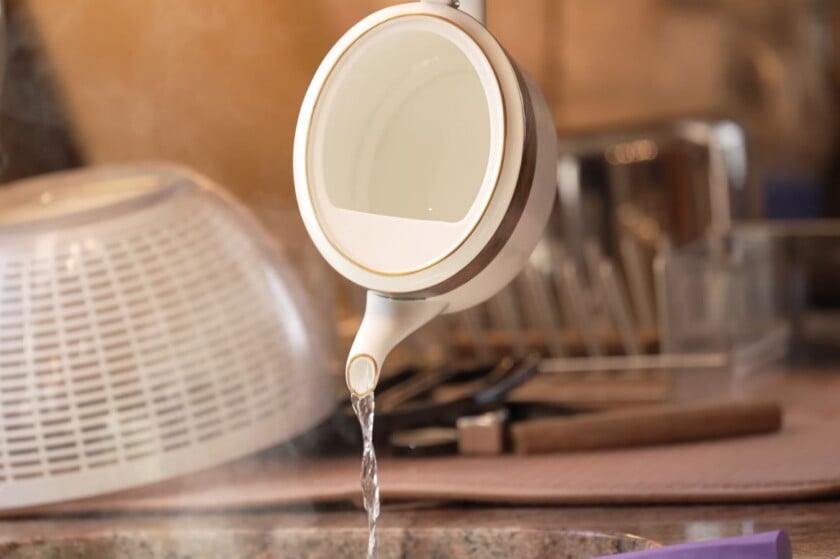
- Teapot Warming: Before adding leaves, the teapot should be preheated by swirling a small amount of hot water inside and briefly replacing the lid. This prevents the initial shock of hot water from cooling rapidly, ensuring a stable brewing temperature.
- Tea Quantity: A traditional guideline is "one portion of tea per person, plus one extra for the pot." While a caddy spoon is customary, a heaped teaspoon per serving is a practical measure.
- Filling the Pot: Once the leaves are in, freshly boiled water should fill the pot to about three-quarters to four-fifths full. Leaving a small air gap facilitates heat and steam circulation, optimizing infusion.
- Steeping Patience: Black tea typically steeps for three to five minutes, depending on desired strength. Over-steeping can lead to bitterness, while under-steeping results in a weak infusion. This patient waiting period is integral to the ritual, encouraging a momentary pause.
The Art of Presentation: Accompaniments and Their Place
While the tea steeps, attention turns to preparing accompaniments: milk, sugar, and, occasionally, lemon. These additions are not merely condiments but elements of personal preference and historical significance.
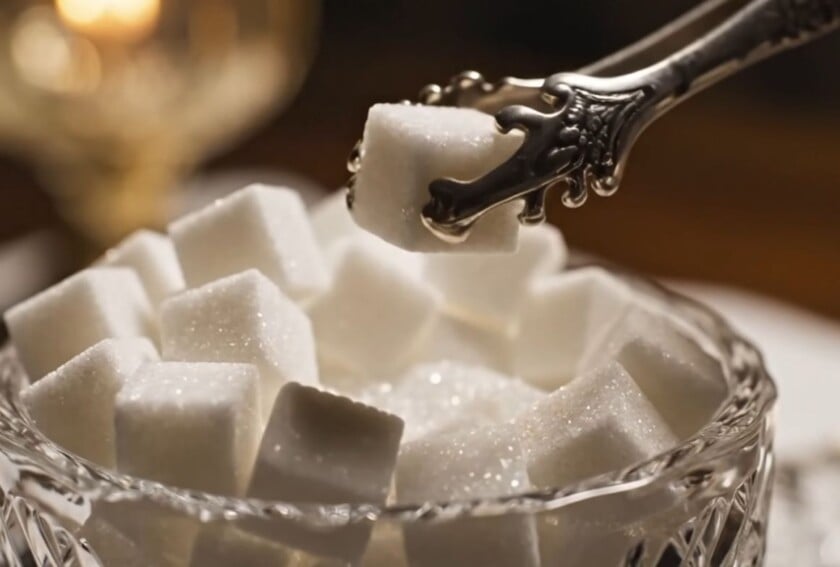
Milk should be presented in a spouted milk jug, never directly from a carton. Sugar is offered in a sugar bowl, either as coarse white granulated sugar with a communal spoon or as white sugar cubes accompanied by sugar tongs. Traditional tea service is notably specific regarding the type of sugar: brown sugar or artificial sweeteners are generally considered inappropriate for formal settings, as they can alter the delicate flavor balance.

The historical "milk-in-first" (MIF) versus "tea-in-first" (TIF) debate is a fascinating cultural footnote. Historically, MIF was common among those with less robust china, as pouring milk first helped protect the delicate cups from cracking due to sudden temperature changes. With the advent of stronger, finer bone china, TIF became the norm, allowing the drinker to better judge the tea’s strength before diluting it. In a group setting, TIF is now generally preferred, enabling each guest to customize their cup to taste.
Lemon, if offered, is typically reserved for lighter, more delicate teas and is less common with robust breakfast blends. Slices should be presented on a separate plate with a small fork, allowing guests to add it without touching the fruit directly.
Serving with Grace: The Host’s Role in Tea Service
Once the tea has steeped, the serving process should be deliberate and unhurried, reflecting the host’s consideration for guests.
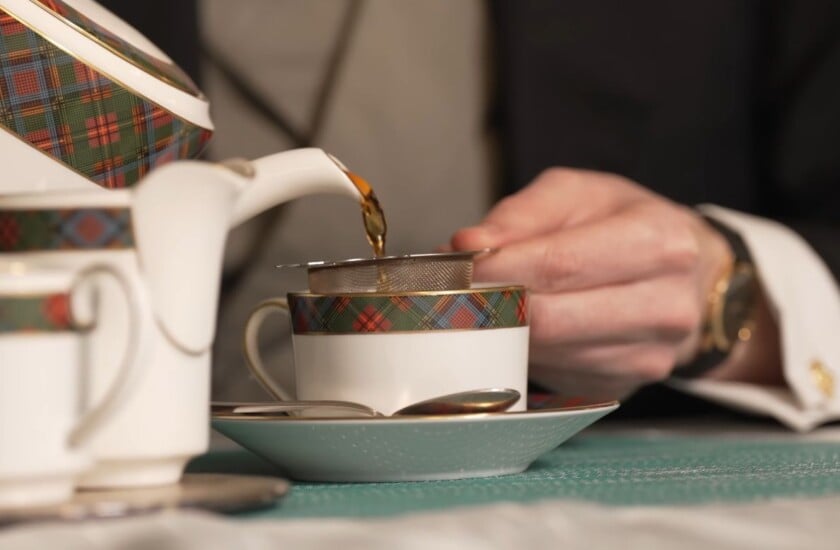
- Slow Pour: Tea should be poured gently and slowly to prevent splashes and maintain a sense of calm. Rushing the pour detracts from the refinement of the service.
- Strainer Use: The tea strainer is essential, held close to the cup, ensuring no loose leaves enter the drink. This maintains the smooth texture and visual appeal of the tea.
- Appropriate Filling: Each cup should be filled to approximately three-quarters full. This allows ample room for milk or sugar and makes the cup easier and safer to handle without spillage.
- Guest Priority: A gracious host always ensures that all guests are served before pouring their own cup. This act of deference is a hallmark of proper hospitality.
- Teapot Placement: After the initial round of serving, the teapot should be returned to the table within easy reach, with the handle positioned conveniently for guests. Subsequent servings are typically self-service, maintaining the relaxed flow of conversation.
The Dynamics of Consumption: Holding and Drinking with Poise
Tea etiquette extends to the very act of holding and drinking from the cup, emphasizing controlled movements and composed posture.
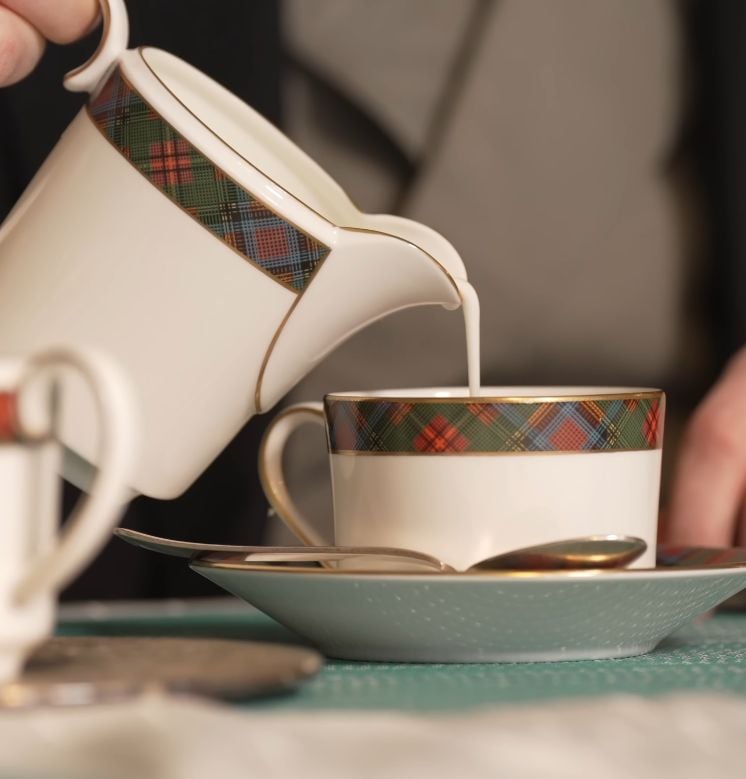
Upon serving, the teacup should be placed back on its saucer with the handle positioned between 4 and 5 o’clock for a right-handed person. The teaspoon rests on the saucer, parallel to the handle. Left-handed individuals simply mirror this arrangement.
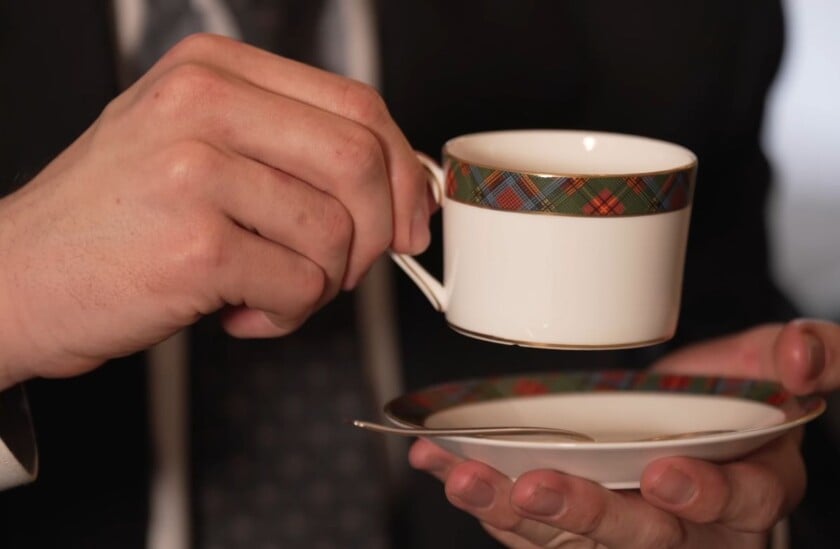
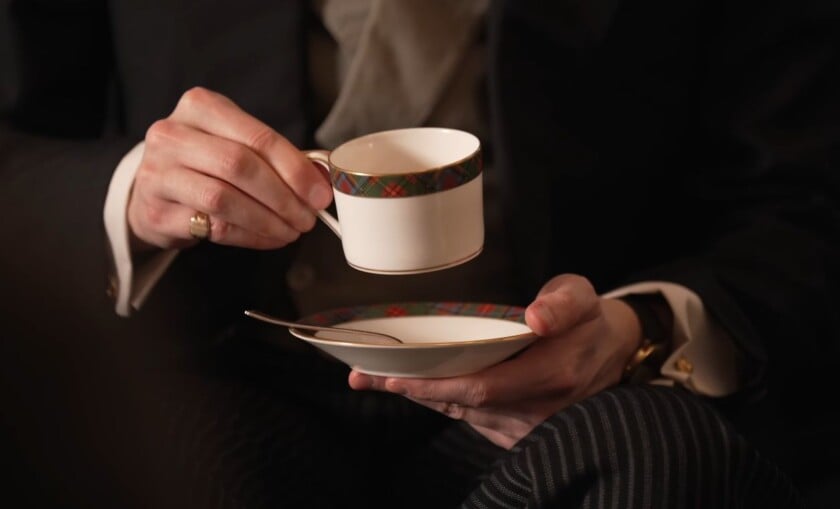
When lifting the cup, the handle should be lightly pinched between the thumb and forefinger, with the middle finger providing support underneath. It is considered a sign of poor manners to hook fingers through the handle. Contrary to popular misconception, the pinky finger should remain down, either tucked neatly into the palm or discreetly used to steady the cup. Raising the pinky is a modern embellishment, not a traditional sign of elegance. As one drinks, the handle naturally settles at 3 o’clock (or 9 o’clock for left-handers), returning to its original slight angle when placed back on the saucer.
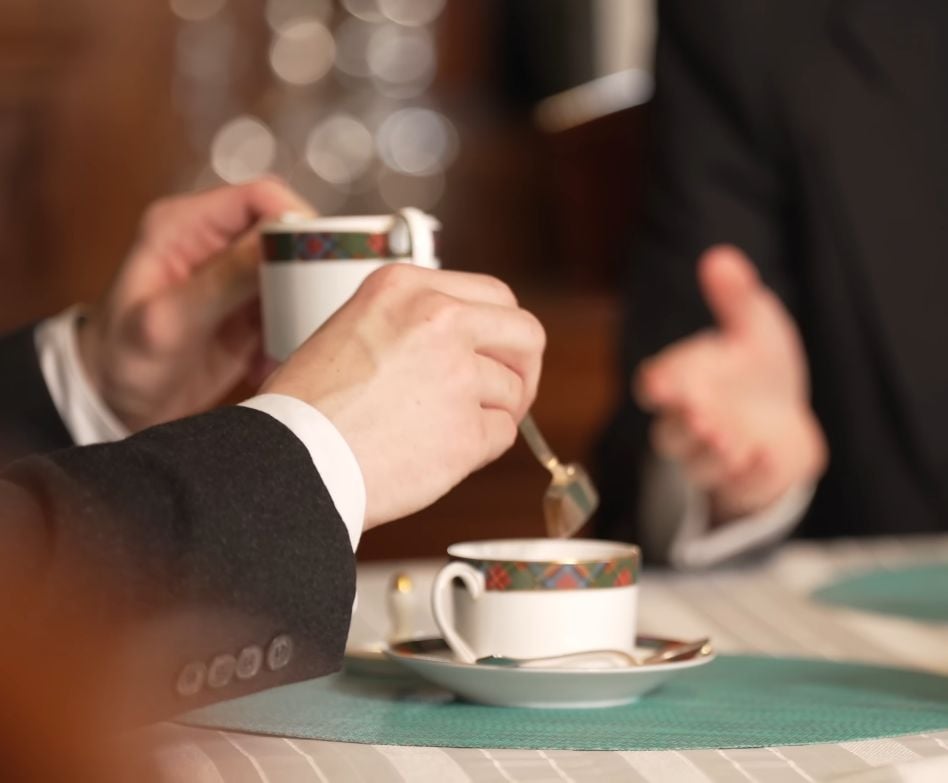
The manner of drinking varies slightly depending on the setting:
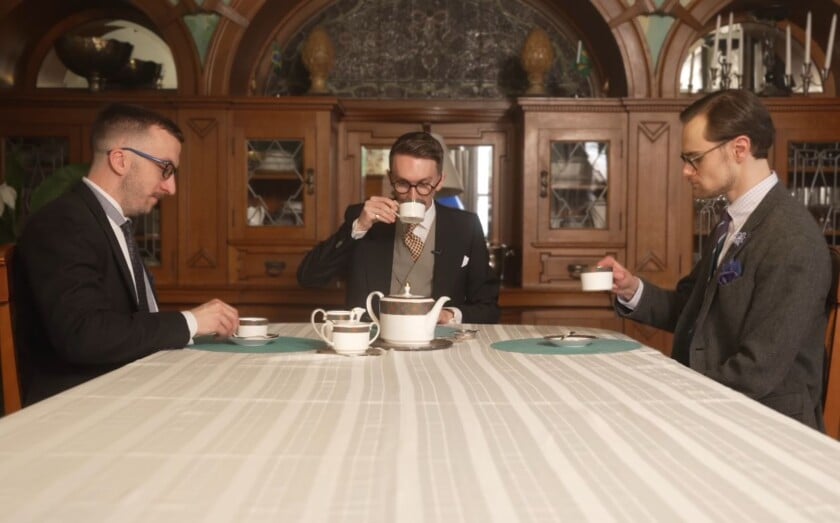
- At a Table: If seated at a table, both the cup and saucer remain on the table. Only the cup is lifted to the mouth, and it is returned to the saucer after each sip.
- Seated Without a Table: When seated away from a table, the saucer is held steady in the non-dominant hand, resting comfortably in the lap or just above it. The dominant hand lifts only the cup to drink, returning it immediately to the saucer.
- Standing: In a standing position, the saucer is held in the non-dominant hand, close to the body, typically around the natural waistline for stability. Again, only the cup is raised for drinking, and the saucer is not brought towards the face.
In all scenarios, posture is crucial: sitting or standing upright, moving with control, and maintaining overall composure reinforces the elegance of the ritual.
Common Missteps and the Essence of True Etiquette
Much of refined tea etiquette revolves around avoiding habits that create an impression of sloppiness or haste. Common mistakes include:
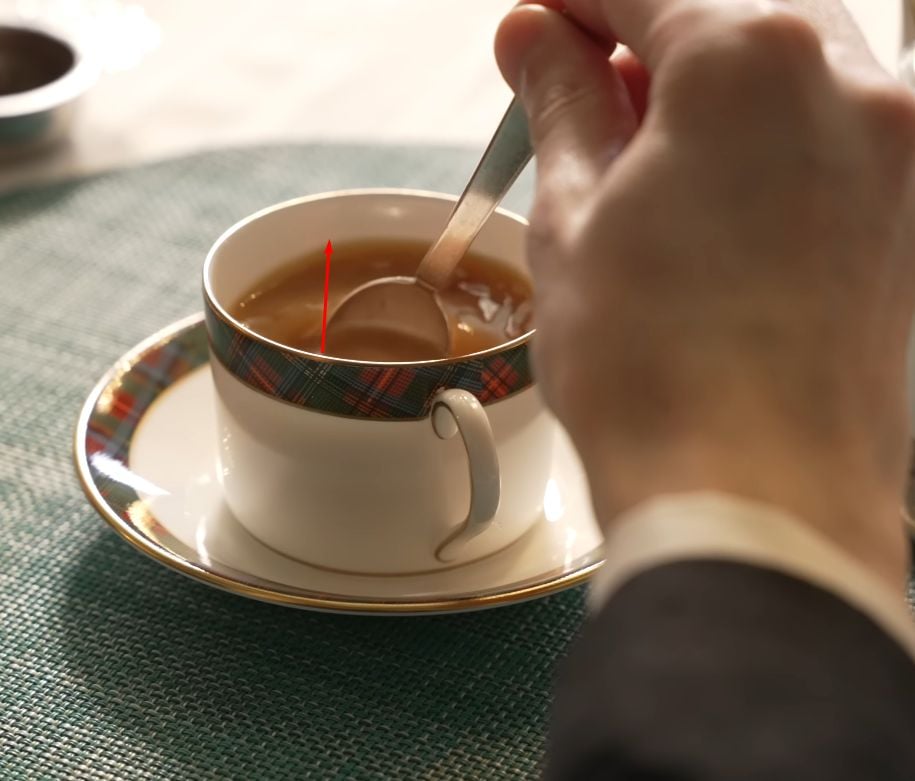
- Clinking the Spoon: Stirring vigorously, causing the spoon to clink against the cup.
- Leaving the Spoon in the Cup: The teaspoon should always be returned to the saucer after stirring.
- Slurping or Loud Drinking: Consuming tea quietly and gracefully.
- Dunking Food: Dipping biscuits, scones, or other foods into the tea is considered impolite in formal settings.
- Waving the Spoon: Using the spoon to gesture or point.
- Overfilling the Cup: Leads to spills and makes the cup difficult to handle.
- Hooking Fingers through the Handle: As mentioned, pinching the handle is the correct method.
- Raising the Pinky: A widespread misconception, not a mark of elegance.
Ultimately, the true refinement of tea drinking is not merely in the adherence to these specific rules, but in the atmosphere of courtesy and consideration it cultivates. Etiquette specialists emphasize that while the mechanics are important, the spirit in which tea is shared is paramount. A gentleman serves carefully, listens attentively, and ensures the comfort of those around him.
Tea in the Modern Era: A Resurgent Appreciation for Tradition
In an increasingly fast-paced and digital world, the enduring appeal of traditional tea rituals holds significant implications. Cultural anthropologists suggest that the resurgence of interest in practices like formal tea service is linked to a broader desire for mindfulness, connection, and a return to tangible, intentional experiences. High tea and afternoon tea services have become popular attractions in luxury hotels and specialized tea houses globally, offering a nostalgic escape and a tangible link to historical elegance.
Moreover, the ritualistic nature of tea can foster a sense of calm and well-being, providing a much-needed pause in daily life. This aspect resonates with contemporary trends in wellness and slow living, where individuals seek to reduce stress and cultivate more meaningful interactions. The act of carefully preparing and sharing tea can transform an ordinary moment into a civilizing ritual, a brief respite where conversation flows, and genuine human connection is prioritized over haste.
Conclusion: The Enduring Legacy of the Tea Ritual
The ritual of tea, with its rich history, specific tools, and intricate etiquette, continues to be a powerful symbol of refinement and hospitality. From its royal introduction to its widespread adoption, tea has shaped social interactions and reflected cultural values. While the global tea market thrives on innovation and convenience, the traditional service remains a cherished practice, a testament to the enduring human need for grace, courtesy, and shared moments of quiet contemplation. The true mark of a gentleman at tea is not just in the flawless execution of manners, but in the thoughtful and respectful spirit with which the cherished ritual is embraced and shared.