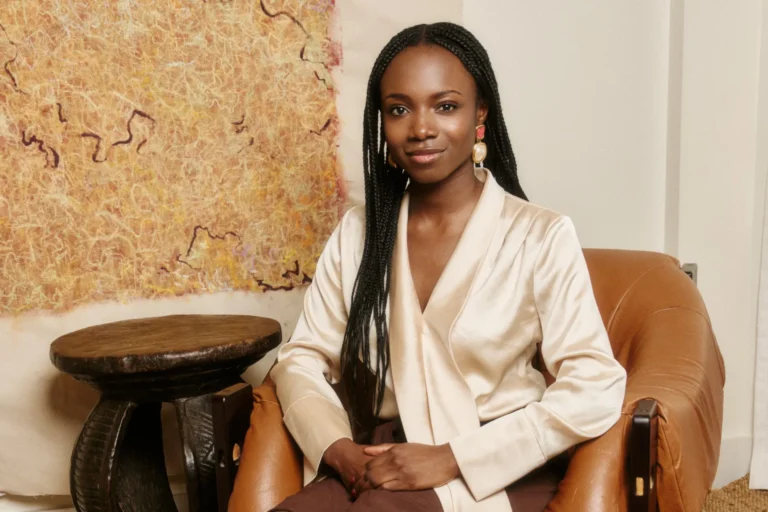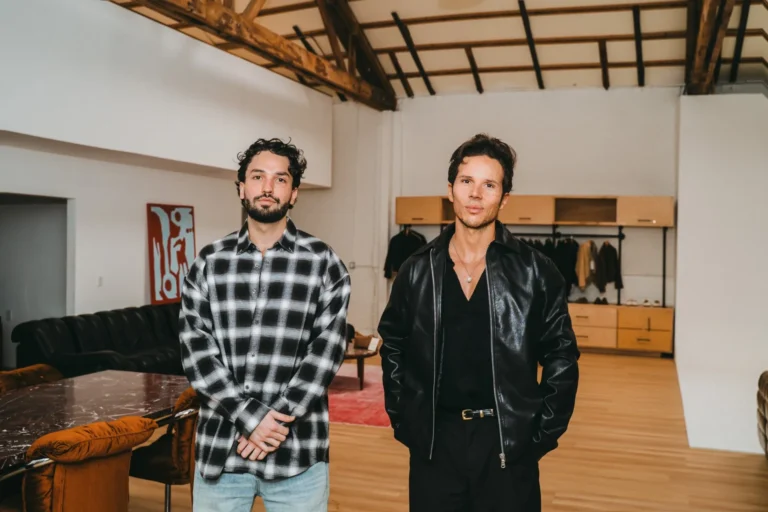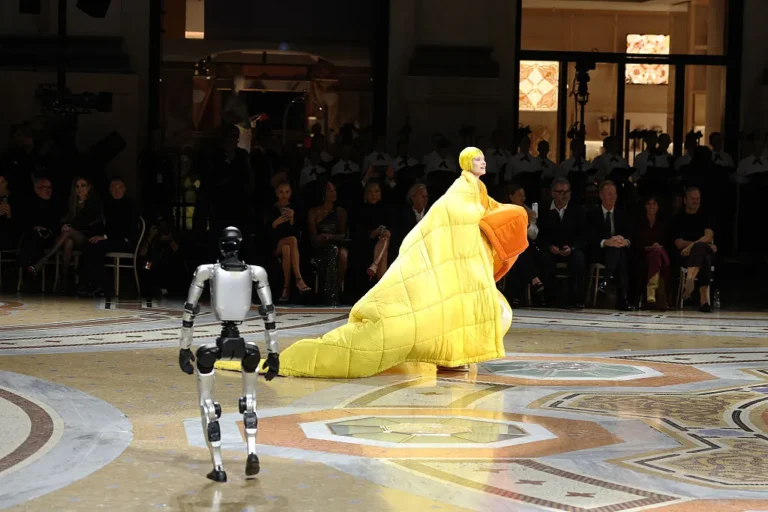




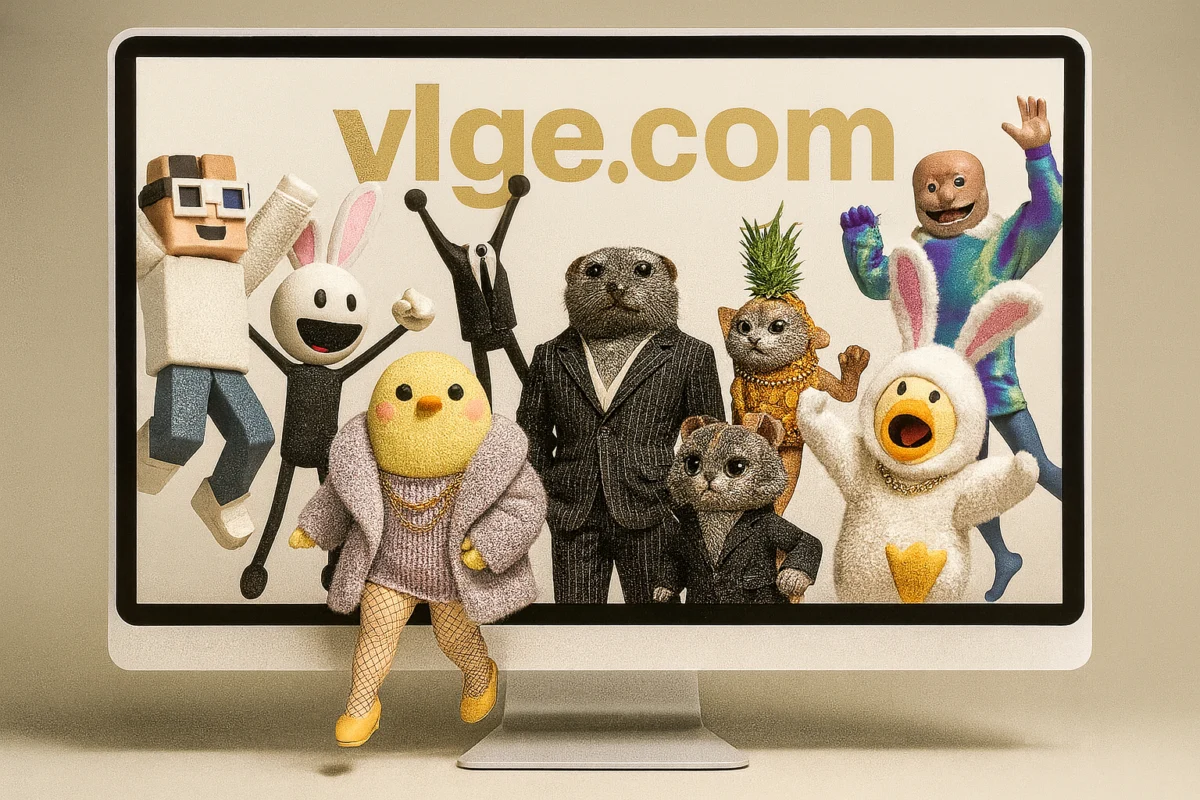
The intersection of high fashion and digital architecture has reached a pivotal milestone with the announcement that VLGE, an immersive-world-building platform, will power the upcoming World Fashion Week. This initiative marks a significant transition in how the global fashion industry engages with the next generation of consumers, moving away from the carbon-heavy, exclusive nature of traditional runway shows toward a democratized, gamified experience. Founded by Evelyn Mora in 2021, VLGE is positioning itself as the primary infrastructure for "gamified commerce," enabling brands to construct interactive environments that are instantly deployable across major gaming platforms, most notably Roblox.
The announcement details a massive expansion of the platform’s capabilities, with 50 fashion brands slated to launch their own shoppable worlds as part of the World Fashion Week initiative. This move is designed to act as a bridge, allowing creators and established fashion houses alike to launch shoppable games without the prohibitive technical barriers that have historically defined the metaverse and gaming sectors. By streamlining the creation process, VLGE is effectively challenging the traditional agency model, which often charges brands between $10,000 and $100,000 to develop a single presence on a platform like Roblox.
The Genesis of VLGE: From Sustainability to Digital Innovation
The origins of VLGE are rooted in the practical frustrations of the traditional fashion industry. Before launching the platform, Evelyn Mora spent her early career observing the inherent contradictions within the sector. While many contemporary designers are deeply committed to sustainability in their textiles and supply chains, the logistical reality of staging large-scale fashion shows remained an environmental liability. The carbon footprint associated with international travel, temporary set construction, and the massive energy requirements of physical venues often negated the "green" credentials of the collections being showcased.
Mora recognized that for fashion to truly evolve, the medium of presentation needed to change as much as the product itself. In 2021, she launched VLGE with the vision of providing an immersive alternative. The platform was designed to let brands build their own virtual worlds, populate them with interactive content, and export those worlds to established ecosystems. This shift represents a fundamental change in the brand-consumer relationship: rather than being passive observers of a filmed campaign or a 15-minute runway show, consumers become active participants in a brand’s narrative.
Bridging the Gap: The Technical Edge of Interoperability
One of the most significant hurdles for brands entering the digital space has been the "walled garden" nature of various platforms. A world built for one ecosystem rarely functions in another without extensive recoding. VLGE addresses this through a focus on interoperability. While the current focus is heavily weighted toward Roblox—which has emerged as a dominant frontier for youth culture—the platform is also compatible with Unreal Engine and is actively developing integration for Meta’s Horizon Worlds.
The technical breakthrough offered by VLGE lies in its "no-code" or "low-code" approach. Mora noted that building on Roblox has historically been a "costly, technical, and complex" endeavor. By providing a platform where users can build across browsers in real-time, VLGE removes the need for brands to master Luau (Roblox’s coding language) or hire specialized tech teams. This democratization of tools allows creative directors and marketing teams to maintain direct control over their digital aesthetics without the filter of a third-party technical agency.
World Fashion Week and the 50-Brand Milestone
The upcoming World Fashion Week serves as the first large-scale activation for the VLGE platform. It is not merely a digital replica of a physical event but a series of interconnected, shoppable games. The 50 brands participating in this rollout represent a cross-section of the industry, ranging from emerging independent designers to global luxury powerhouses.
Previous collaborations have already demonstrated the platform’s viability. VLGE has successfully worked with prestige names such as Lancôme, Charlotte Tilbury, and Vogue Scandinavia. These partnerships have proven that immersive environments can drive engagement in ways that traditional e-commerce cannot. In these digital worlds, users might complete a quest to unlock a limited-edition virtual garment or interact with a 3D representation of a product before purchasing its physical counterpart.
World Fashion Week is intended to be a recurring engine for this type of commerce. By acting as a central hub, it provides a structured environment where creators can launch shoppable games that are instantly accessible to Roblox’s millions of daily active users. This strategy leverages the existing "Direct-to-Avatar" (D2A) economy, where users spend billions of dollars annually on digital identities and virtual assets.

Financial Backing and Market Confidence
The potential of VLGE has not gone unnoticed by the venture capital and fashion investment communities. To date, the company has raised a total of $5 million in capital. The investor pool is particularly telling of the platform’s strategic importance, featuring a blend of traditional industrial wealth and modern industry leaders.
Key investors include Lammot J. du Pont, a member of the influential du Pont family, and the L’Oréal Group, which has been aggressive in its pursuit of "Beauty Tech" innovations. The involvement of the British Fashion Council further validates VLGE’s role as a legitimate evolution of the fashion establishment. This influx of capital is being used to scale the platform’s real-time building capabilities and to expand the subscription-based business model.
VLGE currently operates on a four-tier payment structure designed to capture the entire market:
- Freemium: Allowing individual creators and students to experiment with the tools.
- Creator Tier: Aimed at independent digital designers looking to monetize their work.
- Small Business Tier: Tailored for boutique brands entering the digital space.
- Enterprise Tier: A comprehensive solution for global brands requiring high-scale activations and bespoke support.
The Shift to Gamified Commerce and the "E-tail" Future
The long-term strategy for VLGE extends beyond event-based activations. Mora has signaled plans to launch a dedicated online store—an "e-tail" platform—that merges the physical and digital retail worlds. This store will sell physical items from emerging brands alongside 3D assets that can be exported directly into Roblox and other metaverses.
This "phygital" approach addresses a growing demand among Gen Z and Gen Alpha consumers, who often view their digital avatars as an extension of their physical selves. According to market data, a significant percentage of young gamers report that digital fashion is just as important to them as the clothes they wear in real life. By providing a platform where a brand can sell a physical hoodie and its digital twin simultaneously, VLGE is tapping into a revenue stream that traditional retailers are only beginning to understand.
Industry Analysis: The End of the Traditional Runway?
While traditional fashion weeks in Paris, Milan, and New York are unlikely to disappear entirely, the success of platforms like VLGE suggests they will no longer be the sole arbiters of brand relevance. The digital environment offers data and analytics that physical shows cannot match. Brands can track how long a user stays in their "world," which items they interact with most, and the exact conversion rate from a game interaction to a purchase.
Furthermore, the cost-benefit analysis is becoming impossible for brands to ignore. When a physical show costs upwards of $200,000 for a 15-minute event with limited seating, a $10,000 to $50,000 investment in a permanent, global, and interactive digital world that can be updated in real-time offers a significantly higher return on investment.
Mora’s assertion that this is about the "infrastructure that will power the next generation of commerce" highlights a shift from viewing the metaverse as a gimmick to viewing it as a utility. As the technology becomes more accessible, the barrier to entry drops, allowing for a more diverse array of voices in the fashion industry to reach a global audience without the need for massive institutional backing.
Chronology of Development
The journey of VLGE reflects the rapid acceleration of the digital fashion space:
- 2021: VLGE is founded by Evelyn Mora with a focus on immersive brand storytelling and sustainability.
- 2022-2023: The platform secures partnerships with major beauty and media brands (Lancôme, Charlotte Tilbury, Vogue Scandinavia) and completes its $5 million funding round.
- Early 2024: VLGE makes headlines for hosting the world’s first 3D and gamified fashion week, testing the technical limits of real-time browser-based building.
- Late 2024: Announcement of World Fashion Week initiative and the onboarding of 50 brands to the Roblox-compatible ecosystem.
- Future Outlook: Plans for a unified e-tail store and expanded compatibility with Meta Horizon Worlds and Unreal Engine 5.
Conclusion
The evolution of VLGE from a sustainability-focused concept to a robust commercial infrastructure reflects the broader maturation of the digital economy. By solving the technical and financial challenges of platform-specific development, Evelyn Mora has created a gateway for the fashion industry to enter the gaming world on its own terms. As World Fashion Week approaches, the industry will be watching closely to see if this gamified model can truly bridge the gap between traditional luxury and the digital-native consumer. For Mora and her investors, the message is clear: the future of fashion is not just something you wear—it is something you inhabit.