











Watches & Wonders Geneva, the premier global watchmaking exhibition, is set to convene in 2026, promising a showcase of the industry’s latest innovations and trends. As anticipation builds for the event, a critical evaluation of prevailing watch design and manufacturing practices reveals several areas where industry leaders are expected to elevate their offerings. While subjective preferences inevitably shape individual opinions on what constitutes a "great" watch, a consensus is emerging around core attributes that enhance user experience and long-term value. This article explores five key areas where watch enthusiasts and industry observers hope to see significant advancements and consistent application at Watches & Wonders Geneva 2026, moving beyond mere aesthetic appeal to focus on fundamental qualities that define enduring timepieces.

Enhancing Legibility: A Cornerstone of Functional Design
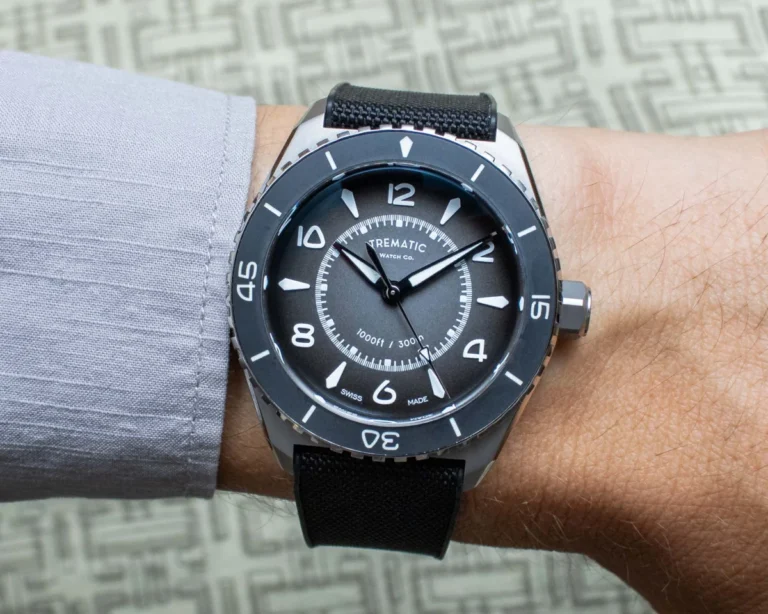
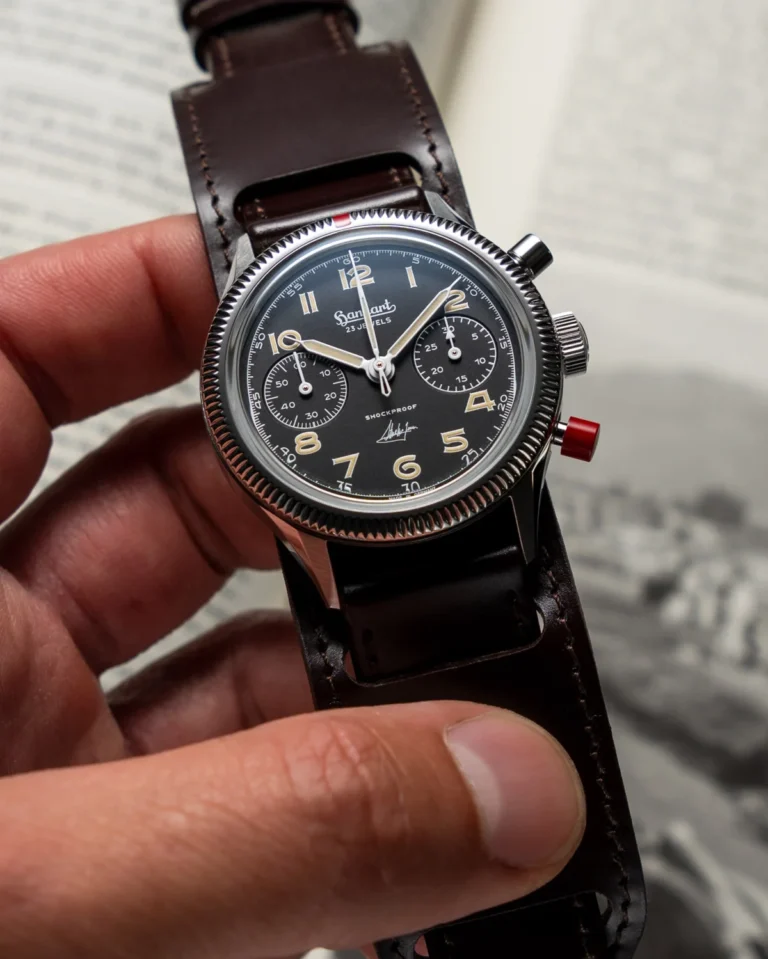
The fundamental purpose of a watch is to tell time, and this basic function is often compromised by design choices that prioritize aesthetics over clarity. At Watches & Wonders Geneva 2026, a renewed focus on legibility is paramount. Despite the technical prowess displayed by leading manufacturers, many timepieces continue to suffer from issues such as reflective hands against similarly polished dials, the inadequate application of anti-reflective coatings on sapphire crystals, and a lack of sufficient contrast between different displays and markings. Furthermore, the compact real estate of watch dials is frequently overcrowded with excessive text or intricate markers, diminishing their readability. The quality of watch hands themselves also plays a crucial role; cheaply manufactured, flat-surfaced hands often lack the reflectivity needed to be easily distinguished from their background, especially in varying light conditions.
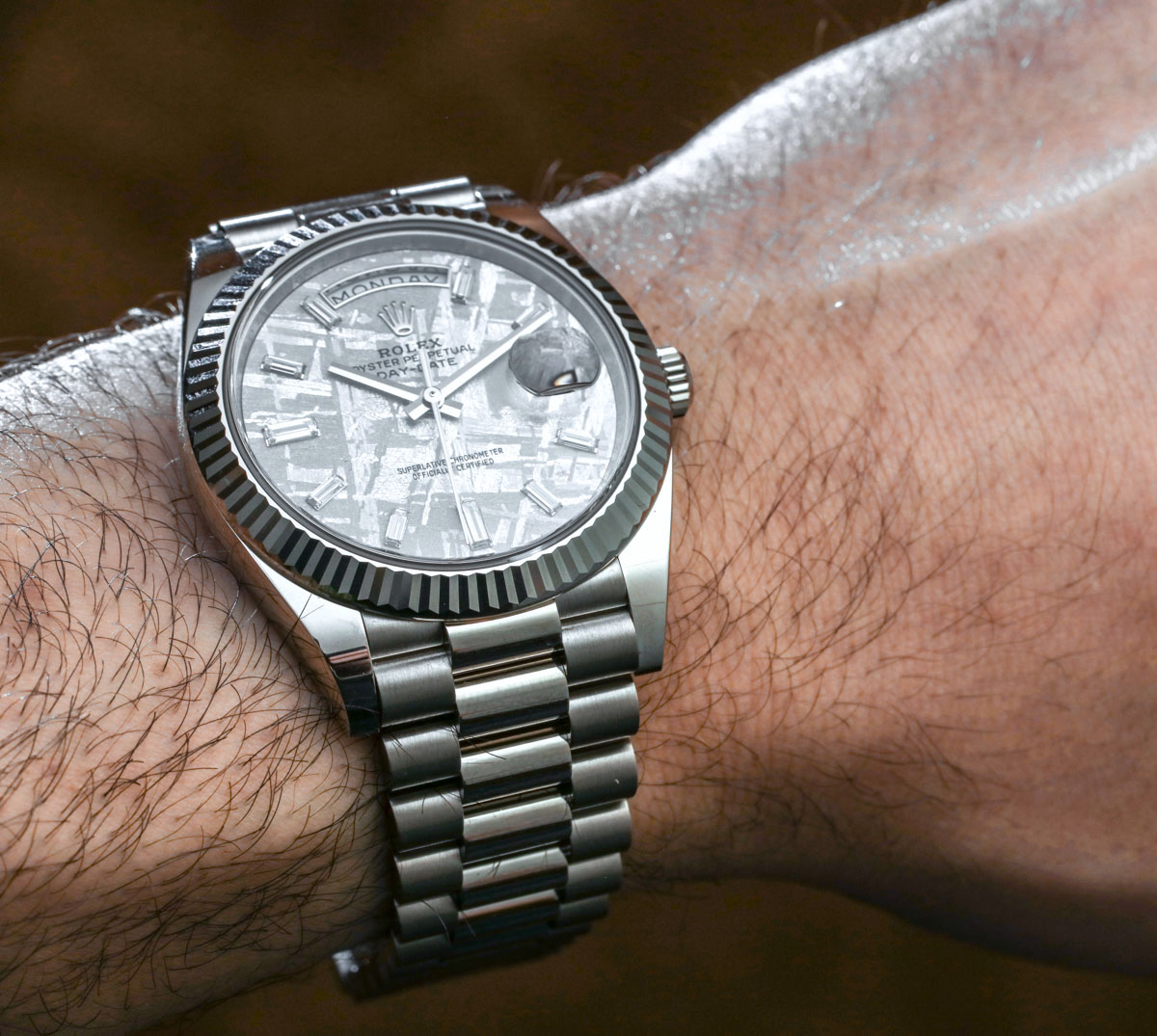
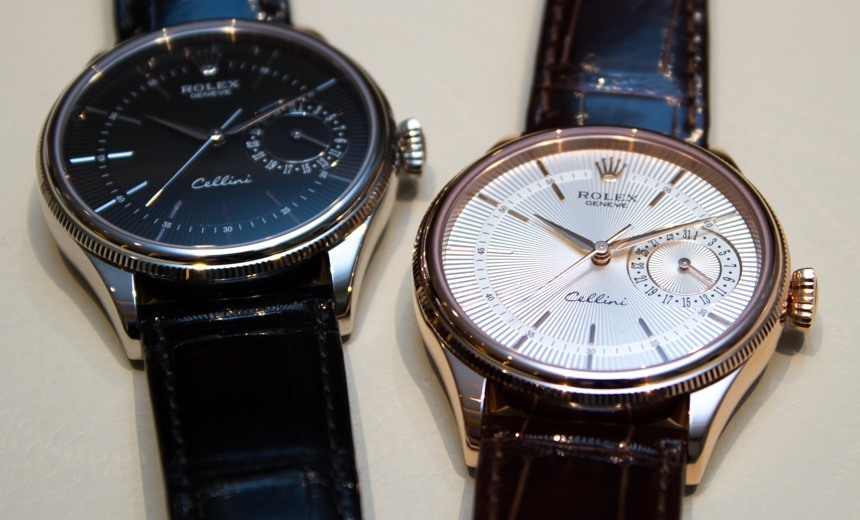
Industry data suggests that a significant percentage of otherwise desirable watches fail to meet basic legibility standards. It is estimated that between 95% and 99% of watches that might appeal to consumers based on their design, functionality, wearability, movement, or brand story are ultimately rejected due to poor legibility. This indicates a widespread disconnect between aesthetic aspirations and practical usability. Even heritage brands with extensive design and engineering resources have, at times, overlooked this critical aspect. For instance, models like the Rolex Day-Date 40 and certain iterations of the Cellini have faced criticism for compromised legibility, highlighting that even established leaders are not immune to this oversight. The core question remains: are brands consistently asking themselves, "Is this watch easy to read?" before finalizing a design? At Watches & Wonders Geneva 2026, a commitment to improving legibility through thoughtful design, advanced material application, and a user-centric approach will be a defining characteristic of successful new releases.
Prioritizing Wearing Comfort: The Unsung Hero of Timepiece Ownership
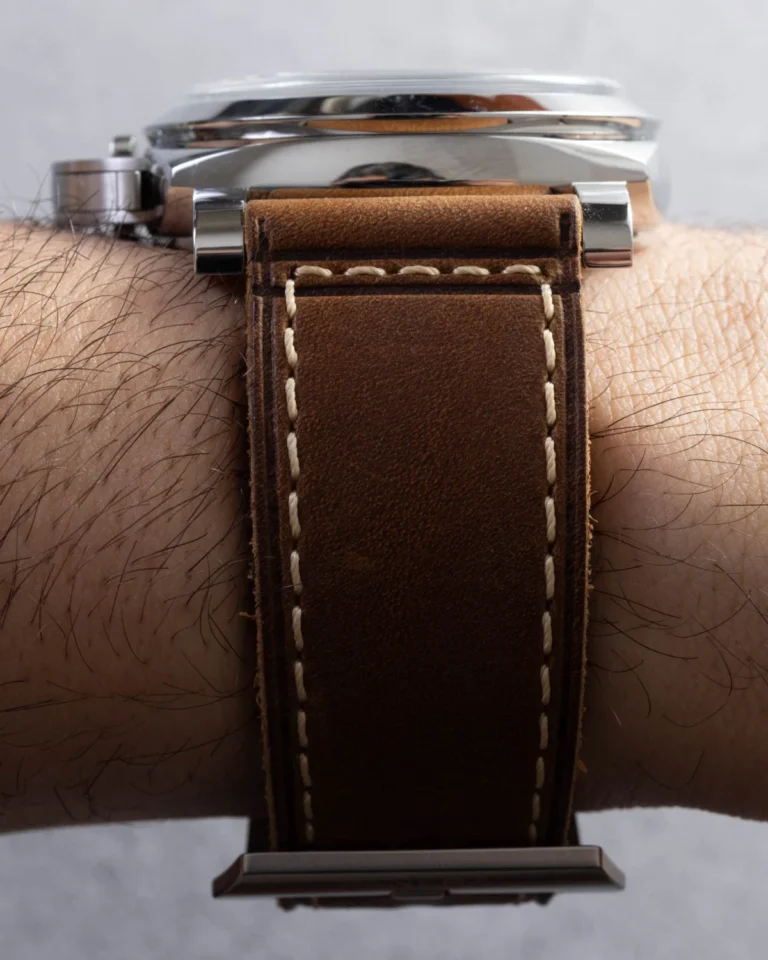
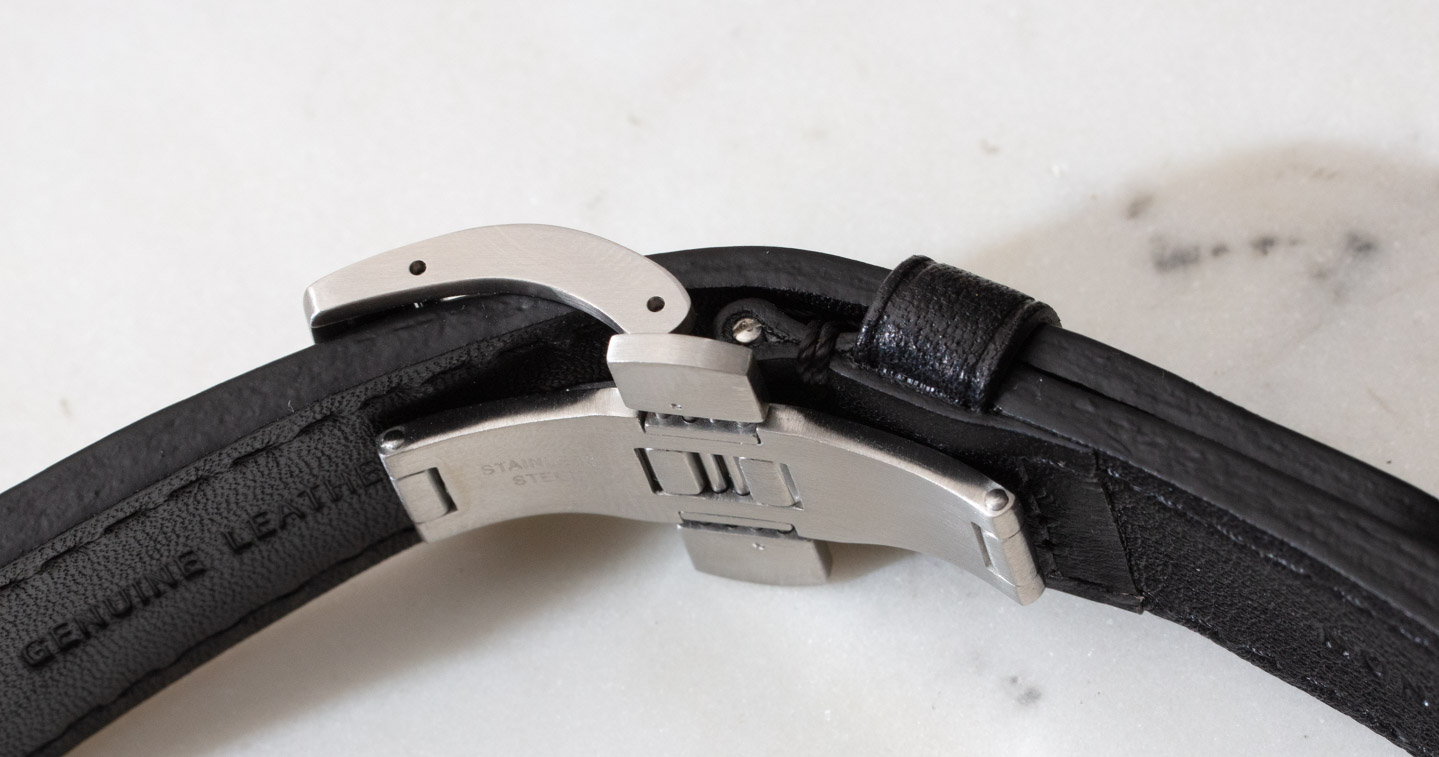
Beyond visual appeal and temporal accuracy, the physical comfort of wearing a watch is a critical, yet often undervalued, attribute. The clasp, in particular, is a focal point for potential discomfort. The prevalence of poorly designed, often pinching clasps on otherwise exquisite timepieces is a recurring frustration for many watch wearers. The cost and complexity of developing superior clasp mechanisms are frequently cited as reasons for the continued use of outdated designs, yet the impact on user experience is substantial. Industry insiders suggest that the tooling and planning for more ergonomic and secure clasps are not prohibitively expensive, especially when considering the overall price point of luxury watches.
The ideal watch clasp should offer a secure closure with a satisfying click, be easily disengaged with intuitive button operation, and, most importantly, avoid any digging or pinching into the wearer’s wrist. This includes avoiding sharp edges on blades, buttons, or hinge mechanisms. The lack of innovation in this area is puzzling, particularly given the technological advancements in other watchmaking components. There is a prevailing sentiment that a consolidated effort from major watch conglomerates to invest in and establish new, universally adopted clasp standards could significantly elevate the wearing experience across the industry. The integration of micro-adjustment capabilities within clasps, allowing for fine-tuning of fit throughout the day, would represent a substantial leap forward in wearability and is a highly anticipated feature for future releases at Watches & Wonders Geneva 2026.
Re-evaluating Competitive Pricing: Value in a Shifting Market
The luxury watch market has experienced significant price inflation in recent years, with many brands implementing substantial price increases, sometimes ranging from 20% to 40% or more. This trend has, in some instances, priced out consumers who were previously considering these brands as viable alternatives to market leaders like Rolex. While acknowledging the increased operational costs, including material sourcing, labor, and research and development, the magnitude of some price hikes has led to questions about market strategy and brand positioning. The success of brands like Tissot, Swatch, and Longines in maintaining competitive pricing while offering quality products suggests that alternative strategies are available and effective.
The escalation of prices for watches that were previously in the $5,000-$7,000 range to now exceeding $10,000 is a point of concern for many collectors and potential buyers. While global economic factors such as inflation, currency fluctuations, and geopolitical uncertainty contribute to rising costs, there is a perception that some pricing strategies are driven by an pursuit of a "new normal" in luxury, potentially at the expense of perceived value. At Watches & Wonders Geneva 2026, the industry will be under scrutiny to demonstrate that price increases are justified by demonstrable improvements in quality, innovation, or exclusivity, rather than by an unsustainable pricing model that risks alienating a significant segment of the market. A return to more competitive pricing structures, or at least a clearer articulation of the value proposition behind higher price points, is anticipated.

Fostering Novelty and Boldness: Embracing Creative Expression
Watches & Wonders Geneva, with its expansive roster of over 66 exhibitors, presents a platform for brands to showcase their creative spirit. While it is unrealistic to expect every single release to be a groundbreaking innovation, there remains a significant opportunity for brands with established foundations and loyal customer bases to introduce more playful and novel designs. This requires confidence in their products and a trusting relationship with their audience, who are more likely to embrace fresh interpretations and reinterpretations of familiar designs.
The introduction of new colors, unique color combinations, innovative materials, and even revised geometries and proportions can significantly enhance the appeal of timepieces. Such creative endeavors not only entertain consumers but also reflect a brand’s confidence and willingness to push boundaries. This approach carries an inherent risk of alienating some traditionalists or collectors, but the potential reward of capturing new market segments and demonstrating forward-thinking design capabilities is substantial. At Watches & Wonders Geneva 2026, brands that successfully balance heritage with innovation, offering bold yet considered new takes on classic designs, are likely to garner significant attention and acclaim. This includes exploring less conventional material applications and experimenting with case shapes and dial layouts that challenge existing norms while remaining within the realm of wearable art.
Preserving Iconic Status: Respectful Evolution of Heritage Designs
The creation of a true watchmaking icon is a long-term endeavor, built through consistent design language and enduring quality across generations. Brands that demonstrate a commitment to their core models and references, navigating market shifts with careful consideration, are instrumental in fostering lasting legacies. While deviations from established designs can sometimes revitalize a collection, as seen with Omega’s Planet Ocean, they can also lead to the dilution or even destruction of beloved designs, as exemplified by some critiques of Breguet’s recent Type XX redesign.
The approach to iconic timepieces at Watches & Wonders Geneva 2026 is expected to be one of cautious evolution rather than radical overhaul. Brands are encouraged to approach their heritage lines with meticulous planning, ensuring that any modifications are responsive to current market trends without succumbing to fleeting fads or an outdated reliance on past successes. The goal is to strike a delicate balance: acknowledging contemporary tastes and technological advancements while preserving the essence and appeal that made the original design iconic. This requires a deep understanding of the brand’s history, its core customer base, and the enduring principles of good design. Successful heritage re-launches at the event will likely be those that honor the past while confidently stepping into the future, offering a compelling narrative of continuity and thoughtful progression. The ability to navigate this fine line between innovation and tradition will be a key indicator of a brand’s long-term vision and its capacity to create enduring value.