

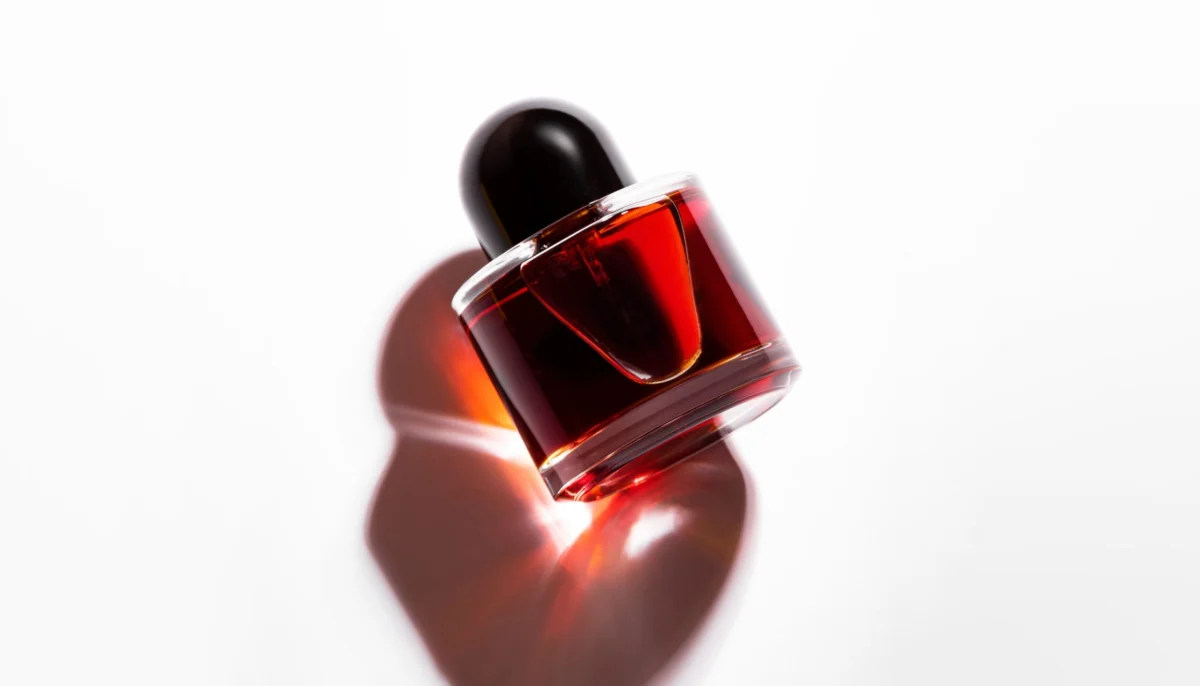
A subtle shift in the color of a beloved fragrance can spark curiosity, and for many, a viral trend on social media has offered an explanation: "maceration." Recently, a personal observation of a By Rosie Jane "Dulce" Eau de Parfum transforming from a clear liquid to a honeyed hue, while retaining its signature sweet scent, led to an exploration of this phenomenon. The initial assumption of spoilage was quickly replaced by intrigue as social media platforms buzzed with claims that leaving perfumes untouched could enhance their aroma and longevity. This widespread online narrative, however, often conflates a natural aging process with the professional manufacturing steps of maceration and maturation, leading to a deeper dive into the science and artistry of perfumery.
The term "maceration" has become a catch-all on platforms like TikTok, where users showcase their perfumes deepening in color and claim this signifies an improvement in scent and performance. These videos often suggest a simple waiting period at home can elevate a fragrance from good to extraordinary. However, industry experts clarify that while the underlying processes of maturation and maceration are indeed critical to fragrance creation, they are meticulously controlled manufacturing stages, distinct from the passive aging process observed in consumer-owned bottles. The online discourse, while sparking interest in fragrance, often misinterprets the technical definitions, leading to a misunderstanding of how scents are developed and evolve.
Understanding the Stages: Maturation and Maceration in Perfumery
To demystify the viral claims, it’s essential to differentiate between maturation, maceration, and aging in the context of perfumery. Gustavo Romero, a prominent figure in the fragrance industry and founder of the Fragrance Alliance Network, explains that "maceration," "maturation," and "aging" are often used interchangeably online, but they represent distinct processes with varying implications for a fragrance. Maturation and maceration are integral, controlled steps within the professional manufacturing pipeline, while the at-home practices seen on social media primarily constitute a form of aging.
The journey of a fragrance begins with maturation. This initial phase involves the blending of raw fragrance oils. According to Bhushan Patel, a senior technical manager of scent at International Flavors & Fragrances, Inc. (IFF), this mixture is then left to rest and amalgamate for approximately two to three weeks. During maturation, perfumers meticulously refine various blends, experimenting with the addition of components like amber for depth or citrus for brightness, until the desired olfactory profile is achieved. This stage is about harmonizing the foundational elements of the scent.
Following maturation, the scent undergoes maceration. Romero emphasizes that this is "not a DIY waiting period at home." Instead, maceration occurs after the fragrance concentrate has been diluted in alcohol. This crucial step allows the aromatic molecules within the mixture to fully dissolve, disperse evenly, and establish a stable equilibrium. This integration process is vital for the scent to coalesce into its final form.
Industry professionals widely consider maceration to be the most critical stage in perfumery. Romero elaborates that it is during maceration that a fragrance truly comes into its own, transforming from a collection of notes into a cohesive and complete olfactory experience. "It becomes more cohesive and rounded," he states. "Harsh edges soften and the composition smells more integrated." This process typically marks the final significant step before a perfume is bottled and prepared for distribution, ensuring the fragrance is stable and exhibits its intended characteristics. Both maturation and maceration are fundamentally about integration and stability, not about transforming a scent into something entirely new or necessarily "better" than its initial formulation.
The Phenomenon of Perfume Aging: Color Shifts and Scent Evolution
The practices popularized on social media, often labeled as "maceration," are more accurately described as the aging of a finished perfume. Patel explains that this aging process can indeed alter the character of a fragrance, with effects that can be "sometimes beautifully, sometimes not."
Once a perfume is released to the market, it is considered finished and stable. However, as Romero points out, "over time, a fragrance can shift." This evolution is primarily driven by the evaporation of volatile top notes, such as citrus and peppery accords, which are more prone to dissipate. As these lighter elements gradually fade, the more robust base notes, many of which are naturally colored compounds, become more prominent. This can create the perception that the perfume has intensified or deepened in scent.
A prominent example of this phenomenon, widely circulated on TikTok, involves Kayali Vanilla 28. New bottles typically present a rich caramel hue. However, content creators have showcased bottles that have aged to a significantly darker, almost black, color. The viral videos often accompany claims that this darker juice indicates a richer and more potent scent. The appeal of this darkened iteration has been so substantial that many consumers have come to believe that darker perfumes inherently possess a deeper and stronger aroma.
Gabriela Chelariu, a principal perfumer at dsm-Firmenich and the perfumer behind Vanilla 28, clarifies that these color changes are not indicative of an enhanced fragrance profile but rather a natural reaction of specific ingredients. Natural components and heavier, sweeter accords are inherently more reactive. Chelariu notes that "Vanilla has always been an issue in perfumery because it changes color as it sits in the product. Vanillin, which is the main molecule in vanilla, vanilla absolute, and vanilla bean, naturally gets darker." This color transformation is a consequence of the chemical behavior of the ingredients over time, not necessarily a sign of olfactory improvement.
Whether an individual prefers this darker, aged iteration of a fragrance is a matter of personal taste. In the case of Vanilla 28, the public response has been overwhelmingly positive, with many embracing the deepened color and perceived scent complexity. Similarly, the author’s personal experience with the By Rosie Jane Dulce fragrance led to an appreciation of its richer hue and increased usage.
Identifying Expired Perfume: When to Let Go
A noticeable change in a perfume’s color does not automatically signal spoilage. Experts agree that the most reliable indicator of an expired fragrance is its scent. If a perfume begins to smell sour, vinegary, or develops an unexpected metallic undertone, it has likely degraded and should be discarded. Romero also advises that consumers should discontinue use if they experience any adverse skin reactions, such as itchiness, redness, or other forms of irritation, which can be signs of sensitivity to aged or altered ingredients.
While there is no inherent harm in allowing a perfume to age naturally, Romero cautions against the notion that color fluctuations significantly enhance or transform a fragrance. He emphasizes, "Transformation stories are great for social media. The real mark of excellence is simpler: a fragrance that smells beautiful and stays that way." The professional development of a perfume is geared towards creating a stable, well-rounded scent that maintains its integrity over time, rather than relying on a prolonged aging process for its appeal.
The Broader Impact and Implications of Fragrance Aging Trends
The viral trend of "macerating" perfumes highlights a growing consumer interest in the science and longevity of fragrances. This fascination, while sometimes misinformed, underscores a desire among consumers to understand their products better and potentially optimize their experience. The widespread discussion on platforms like TikTok has also brought attention to the nuances of fragrance formulation, prompting conversations that extend beyond mere scent preference to include ingredient behavior and the manufacturing process.
From a market perspective, the perceived value added by aging can influence consumer perception and purchasing decisions. Brands that utilize natural ingredients or complex accords that naturally evolve over time may find their products gaining a cult following among enthusiasts who appreciate these subtle transformations. However, this also places a responsibility on brands to educate consumers about the distinction between natural aging and the carefully calibrated processes of maturation and maceration that ensure product quality and consistency.
The discussion around perfume aging also has implications for the sustainability of fragrance consumption. By encouraging consumers to re-evaluate existing bottles and appreciate their evolving characteristics, the trend can potentially foster a more mindful approach to fragrance usage, reducing the impulse to constantly purchase new products. However, it is crucial to balance this with accurate information to prevent consumers from holding onto spoiled fragrances or misunderstanding the manufacturing processes.
Ultimately, the viral trend serves as a catalyst for deeper engagement with the world of perfumery. It encourages a more discerning approach to fragrance appreciation, moving beyond superficial trends to understand the artistry, science, and natural evolution that contribute to the scents we love. As experts reiterate, the true measure of a fragrance’s excellence lies in its inherent quality and its ability to consistently deliver a beautiful olfactory experience.