




The fashion world is currently experiencing an unprecedented surge in high-profile exhibitions, marking what many industry observers are calling a "golden age" for sartorial retrospectives. This cultural moment is underscored by the announcement of a monumental Gianni Versace Retrospective set to open in June at Paris’s Musée Maillol, offering a profound exploration into the visionary designer’s opulent legacy. This news arrives on the heels of other significant openings, including the expansive Schiaparelli exhibition at London’s V&A and the pioneering tribute to the Antwerp Six at Belgium’s MoMu, collectively signaling a robust appetite for fashion as a serious subject of art and history. Simultaneously, leading luxury houses are navigating complex leadership transitions, strategic acquisitions, and innovative marketing campaigns, reflecting an industry in constant flux, balancing reverence for heritage with the relentless pursuit of contemporary relevance and market expansion.
The Resurgence of Fashion Exhibitions: A Cultural Phenomenon
The recent flurry of high-caliber fashion exhibitions across Europe highlights a growing trend of presenting fashion not merely as commerce but as a vital cultural force deserving of scholarly attention and public engagement. This phenomenon, fueled by increasing public interest and the desire of cultural institutions to attract diverse audiences, has transformed fashion into a compelling subject for museum curation. Major exhibitions now draw hundreds of thousands of visitors, generating significant economic impact through tourism and merchandise sales, while also deepening public understanding of design’s societal, historical, and artistic roles.
In the past week alone, two major retrospectives captivated the industry’s attention. London’s venerable Victoria and Albert Museum (V&A), a global leader in fashion exhibition curation, unveiled "Schiaparelli: Shocking! The Surreal World of Elsa Schiaparelli." This comprehensive deep dive into the revolutionary designer, whose audacious creations fused haute couture with surrealist art, has drawn critical acclaim. Showcasing hundreds of pieces, from her iconic lobster dress to her groundbreaking collaborations with artists like Salvador Dalí, the exhibition illuminates Schiaparelli’s enduring impact on modern aesthetics and the very concept of fashion as an art form. Curators emphasize how Schiaparelli challenged conventional notions of beauty and functionality, embedding intellectual and artistic discourse within her designs, a practice that continues to inspire contemporary designers. The V&A’s decision to dedicate such a significant show to Schiaparelli underscores her re-evaluation as a pivotal figure of 20th-century fashion, alongside her rival Coco Chanel.
Concurrently, in Antwerp, Belgium, the MoMu Fashion Museum launched the first major exhibition dedicated to the enigmatic and influential "Antwerp Six." This collective of avant-garde designers—Ann Demeulemeester, Dries Van Noten, Dirk Bikkembergs, Walter Van Beirendonck, Marina Yee, and Dirk Van Saene—famously burst onto the international scene in the 1980s, redefining contemporary fashion with their deconstructivist approach and intellectual rigor. Their exhibition delves into their individual journeys and collective impact, exploring their shared aesthetic principles while acknowledging their distinct creative voices. It highlights their daring move to show their collections in London, bypassing the established Parisian schedule, which cemented their reputation as outsiders and innovators. This retrospective not only celebrates their historical significance but also demonstrates how their subversive vision continues to resonate with and inspire new generations of designers and fashion enthusiasts globally. These openings collectively point to a strategic effort by cultural institutions to elevate fashion to the same academic and artistic esteem as traditional fine arts, attracting diverse audiences and fostering deeper understanding of design’s societal role.
A Deep Dive into the Gianni Versace Retrospective in Paris
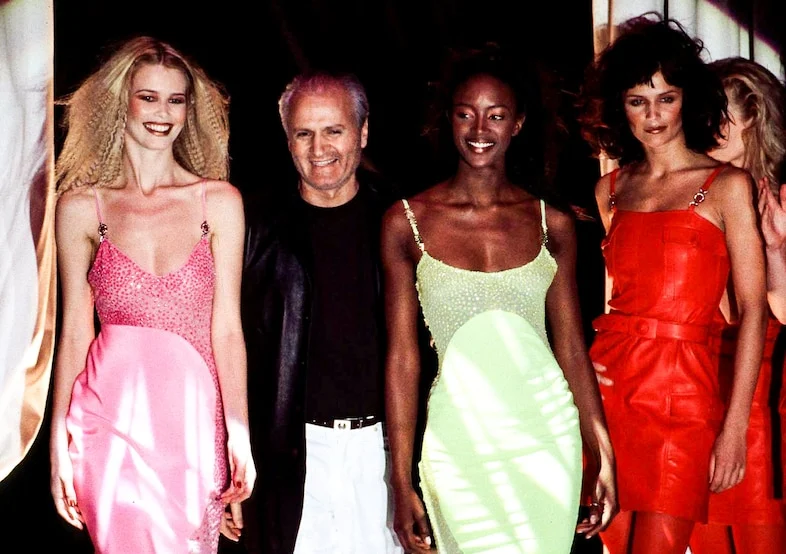
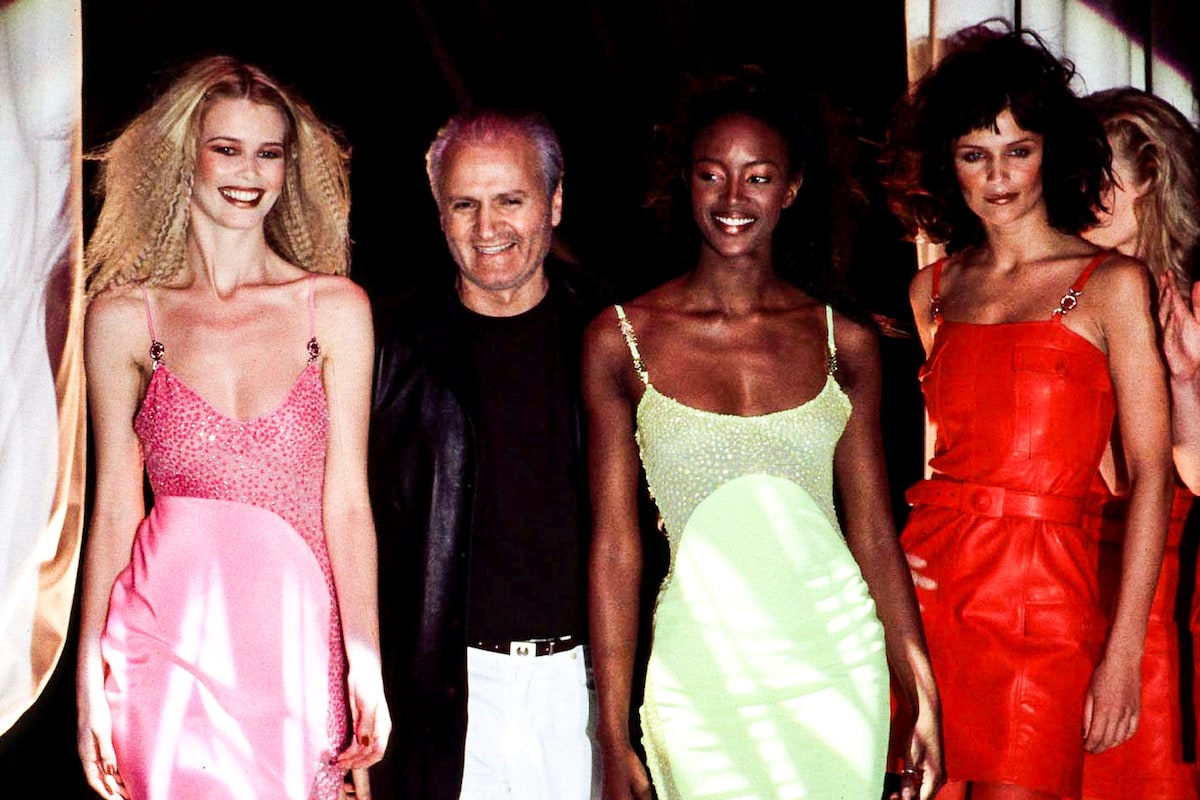
Adding to this vibrant exhibition landscape, Paris, a global capital of fashion, will host the Gianni Versace Retrospective at the Musée Maillol starting in June. This exhibition marks a significant milestone, being the first major French retrospective devoted to the iconic Italian designer since 1986, offering a long-overdue re-evaluation of his profound contributions to fashion and popular culture. The timing is particularly poignant, allowing a new generation to discover the genius of Versace, whose influence remains palpable decades after his untimely death.
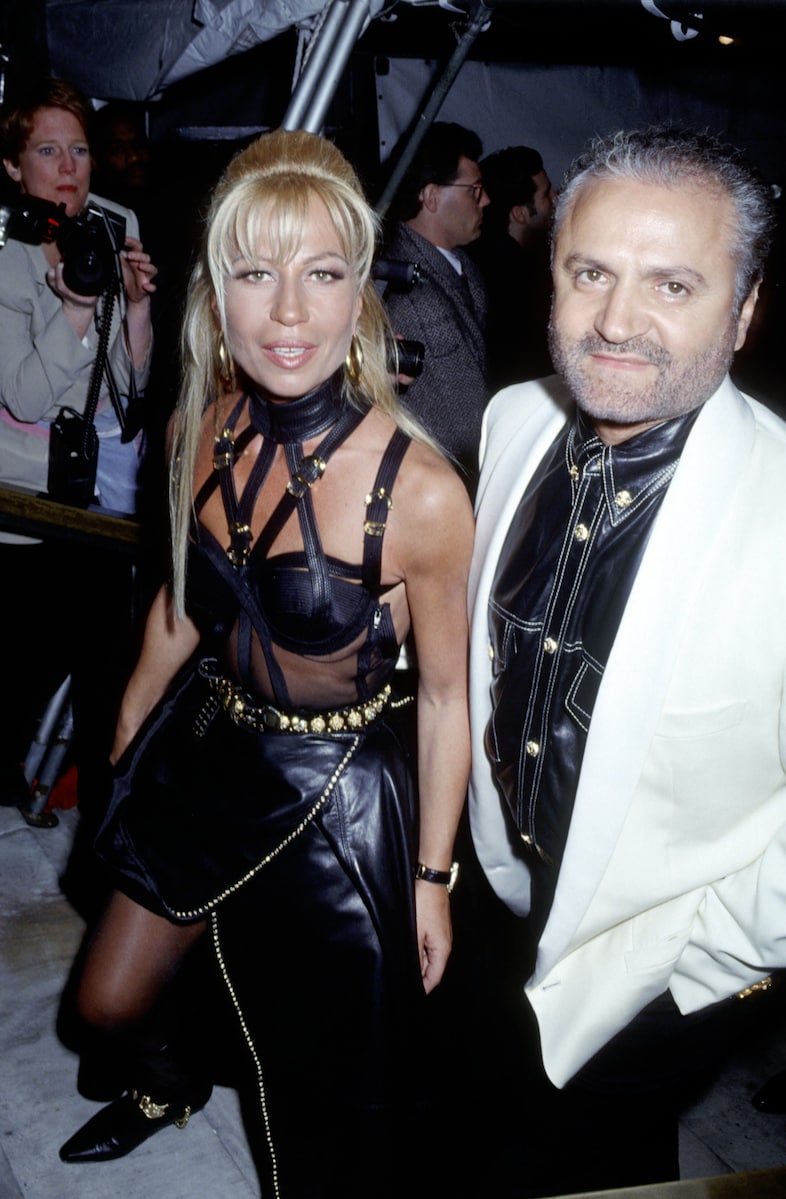
With an impressive collection of nearly 450 pieces, the exhibition promises an unparalleled journey through Versace’s opulent and often provocative creative universe. Visitors will encounter a vast array of garments, from his early, more restrained collections that emphasized tailoring and classic silhouettes, to the maximalist, boundary-pushing designs that defined the supermodel era of the 1990s. Expect to see the iconic safety-pin dresses, shimmering metal mesh creations, and bold, graphic prints that became synonymous with the brand’s unapologetic sensuality and glamour. Beyond the finished pieces, the exhibition will feature original sketches, personal photographs from his private archives, revealing interviews with collaborators and muses, and archival videos of his legendary runway shows. These elements will provide intimate insights into Versace’s artistic process, his meticulous attention to detail, and the vibrant, high-energy atmosphere of his Milanese ateliers.
The exhibition’s curatorial approach aims to unpack the multifaceted influences that shaped Versace’s distinctive aesthetic. Central to this will be an exploration of his Catholic upbringing in Reggio Calabria, Italy, and how religious iconography and classical motifs subtly informed his bold designs, often juxtaposed with overt sexuality. His profound fascination with Greek sculpture and mythology, particularly the Medusa head that became the brand’s unmistakable emblem, will be thoroughly examined, showcasing how ancient myths were reinterpreted through a modern, powerful, and often sensual lens. The grandeur and theatricality of Italian opera, another key inspiration from his youth working in his mother’s dressmaking shop, will be highlighted, demonstrating how Versace brought a dramatic flair, narrative richness, and a sense of spectacle to his collections, transforming fashion shows into theatrical events. Furthermore, the exhibition will delve into his appreciation for the baroque, visible in his lavish prints, intricate embellishments, and opulent textiles that celebrated excess, ornamentation, and uncompromising beauty. This comprehensive presentation is poised to cement Gianni Versace’s status not just as a designer, but as a cultural provocateur who seamlessly blended high art, historical references, and pop culture into a singular, unforgettable vision that irrevocably altered the landscape of luxury fashion. Fashion critics and historians are eagerly anticipating this retrospective, seeing it as a crucial opportunity to contextualize Versace’s enduring legacy in the pantheon of 20th-century design, exploring how he democratized luxury and celebrated the power of female allure.
The Shifting Sands of the House of Versace: Ownership and Creative Direction
The announcement of the Parisian retrospective comes at a pivotal time for the House of Versace, which has undergone a series of significant transformations in recent years, signaling a new chapter for the storied Italian luxury brand as it navigates the complexities of the 21st-century global market.
Correction on Ownership: It is crucial to clarify a factual inaccuracy in the original reporting. While the initial article incorrectly stated the Prada Group acquired Versace, it was, in fact, Michael Kors Holdings (now renamed Capri Holdings) that acquired Versace in September 2018 for approximately €1.83 billion (or $2.1 billion USD). This strategic acquisition was part of Capri Holdings’ ambitious plan to build a powerful global luxury group, positioning Versace alongside other prestigious brands like Michael Kors and Jimmy Choo. The move was widely interpreted by financial analysts as an effort to diversify Capri Holdings’ portfolio into the high-luxury segment, leveraging Versace’s iconic global recognition and strong brand equity. The acquisition aimed to expand Versace’s retail footprint, enhance its e-commerce capabilities, and strengthen its presence in key international markets, particularly in Asia.
This ownership change followed a period of considerable flux in creative leadership. Donatella Versace, Gianni’s sister and the brand’s long-standing creative director since his tragic passing in 1997, had continued to steer the brand with her distinctive vision, upholding her brother’s legacy while injecting her own contemporary sensibility. However, the period leading up to and immediately following the acquisition saw significant changes at the helm, reflecting the intense demands of leading a major luxury brand in a rapidly evolving industry. In March of last year, Donatella transitioned from her day-to-day creative director role to become the Chief Creative Officer. This strategic move was designed to allow her to focus on the broader brand image, strategic direction, and creative oversight across all Versace lines, while delegating the operational aspects of collection design.
Dario Vitale was then appointed as her successor in the creative director position. However, Vitale’s tenure was remarkably brief, lasting only eight months and culminating in just one collection. His swift departure underscored the immense pressure and unique challenge of leading a brand with such a potent and distinct heritage as Versace, where the founder’s vision remains deeply ingrained in the brand’s DNA. The search for a creative director who could both respect this legacy and propel the brand forward proved complex.
In February, it was finally announced that Pieter Mulier, a highly respected designer known for his minimalist yet sophisticated aesthetic and meticulous craftsmanship, would be taking over as creative director. Mulier brings a formidable pedigree to Versace, having worked for many years alongside Raf Simons at influential houses such as Jil Sander, Dior, and Calvin Klein, before serving as creative director at Alaïa. His appointment is widely seen as a strategic move to inject a fresh, contemporary perspective into Versace while carefully respecting the brand’s iconic codes of glamour, power, and sensuality. Industry analysts suggest that Mulier, renowned for his intellectual approach to design and his ability to fuse tradition with modernity, faces the challenge of reinterpreting Versace’s bold aesthetic for a new generation, ensuring its relevance in a market increasingly focused on quiet luxury and sustainable practices, without losing its signature maximalist spirit. Mulier is slated to commence his role in July of this year. It is highly anticipated that he will immerse himself deeply in the brand’s heritage, likely paying a visit to the upcoming Parisian retrospective, as he prepares to chart Versace’s next trajectory from its Milanese headquarters. The exhibition will undoubtedly serve as a potent reminder of the brand’s foundational artistry before its new chapter fully unfolds under his direction.
Broader Industry Updates: Campaigns, Collaborations, and Retail Innovation
Beyond the significant news from the House of Versace, the broader fashion industry has demonstrated a dynamic and innovative spirit in recent weeks, with several brands launching compelling campaigns, strategic collaborations, and engaging retail experiences. These developments collectively illustrate the diverse strategies brands are employing to capture consumer attention and market share in a competitive global landscape.
Alexander McQueen Launches Manta Bag Campaign: A Homage to Heritage
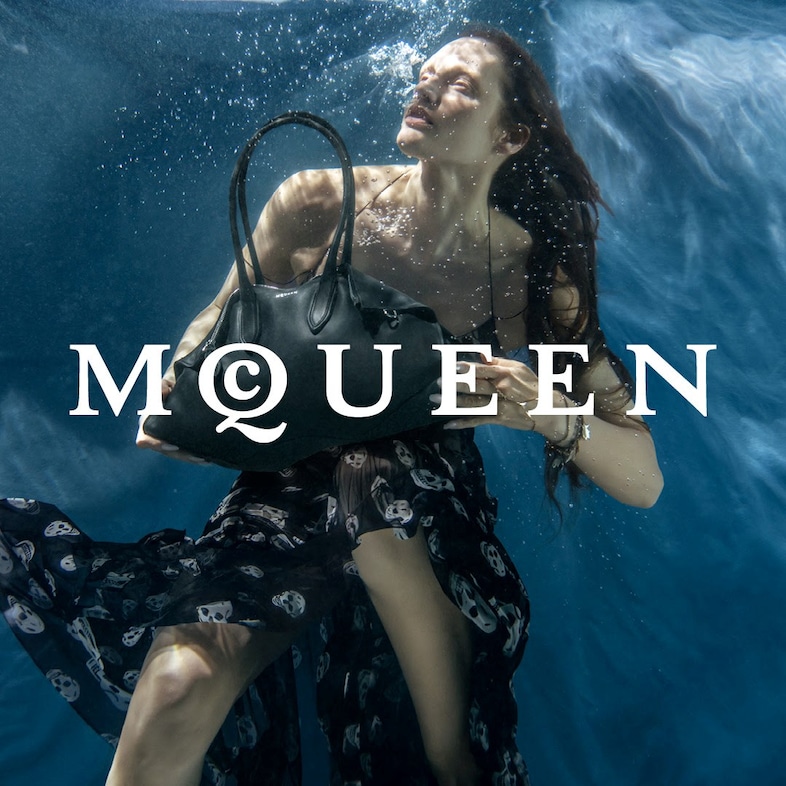
Alexander McQueen has unveiled a captivating new campaign dedicated to its iconic Manta bag, a silhouette first introduced in the Spring/Summer 2010 collection, Plato’s Atlantis. Photographed by the acclaimed Tim Walker, renowned for his fantastical and dramatic imagery, the campaign images meticulously draw inspiration from the brand’s rich archive, particularly referencing the visionary collection where the De Manta silhouette made its memorable debut. Plato’s Atlantis, one of the late Lee Alexander McQueen’s most revered and final collections, was a prophetic exploration of humanity’s relationship with nature and technology, featuring groundbreaking digital prints inspired by marine life and an otherworldly, futuristic aesthetic. The Manta bag, with its distinctive folded corners echoing the geometric forms and fluidity of a manta ray, has since become a cult classic, embodying McQueen’s blend of sharp tailoring and organic inspiration. The new campaign, featuring the bag in sleek black, fiery red, and metallic gunmetal leather, not only reasserts the design’s timeless appeal but also serves as a powerful reminder of McQueen’s foundational ethos: a blend of dark romanticism, exquisite tailoring, and provocative conceptualism. This move underscores luxury brands’ increasing tendency to revisit and reinterpret their heritage, leveraging iconic pieces to resonate with both long-standing devotees and new generations of consumers who appreciate historical depth and narrative. The bags are currently available for purchase online and in select boutiques, reinforcing their status as a modern classic.
Mulberry Honours Craft with New Campaign: "Back to the Mulberry Spirit"
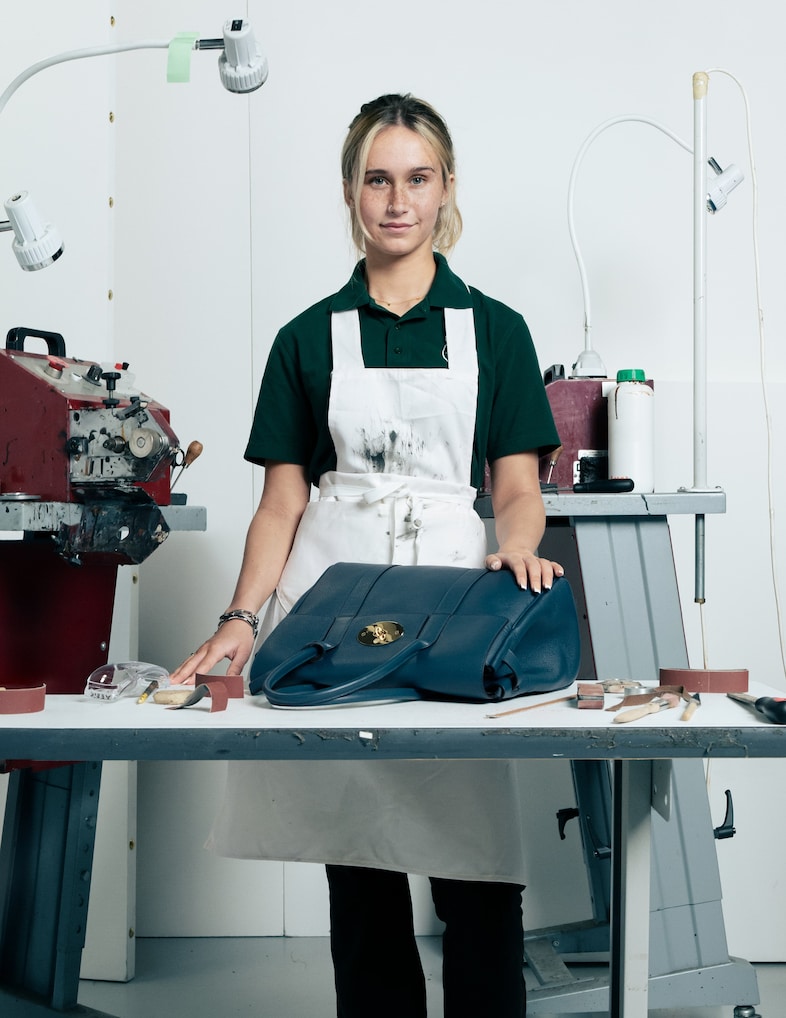
In a testament to enduring craftsmanship and quintessential British heritage, Mulberry has released the third installment of its "Back to the Mulberry Spirit" campaign trilogy. This latest chapter sees the brand returning to The Rookery in Somerset, the heartland of its manufacturing operations, where many of its iconic leather goods are meticulously handcrafted. Once again lensed by the renowned Tim Walker, this time in collaboration with stylist Kate Phelan, the campaign uniquely features the brand’s own skilled craftspeople modeling the bags. This authentic approach highlights the human element behind luxury production, emphasizing the dedication, precision, and expertise that go into each piece. By showcasing its artisans, Mulberry not only celebrates its commitment to traditional British manufacturing but also reinforces its dedication to sustainability and ethical production, resonating with consumers who increasingly value transparency and provenance in their luxury purchases. The campaign features beloved Mulberry styles, including the Heritage Bayswater, Roxanne, Hackney Shoulder, and Lily, celebrating their timeless design and the exceptional quality of their construction. This campaign is a strategic effort to reaffirm Mulberry’s core values—craft, quality, and community—in an increasingly crowded global market, emphasizing authenticity and enduring value over transient trends.
Versace Teams Up with Onitsuka Tiger: A Fusion of Luxury and Sportswear
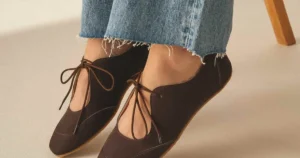
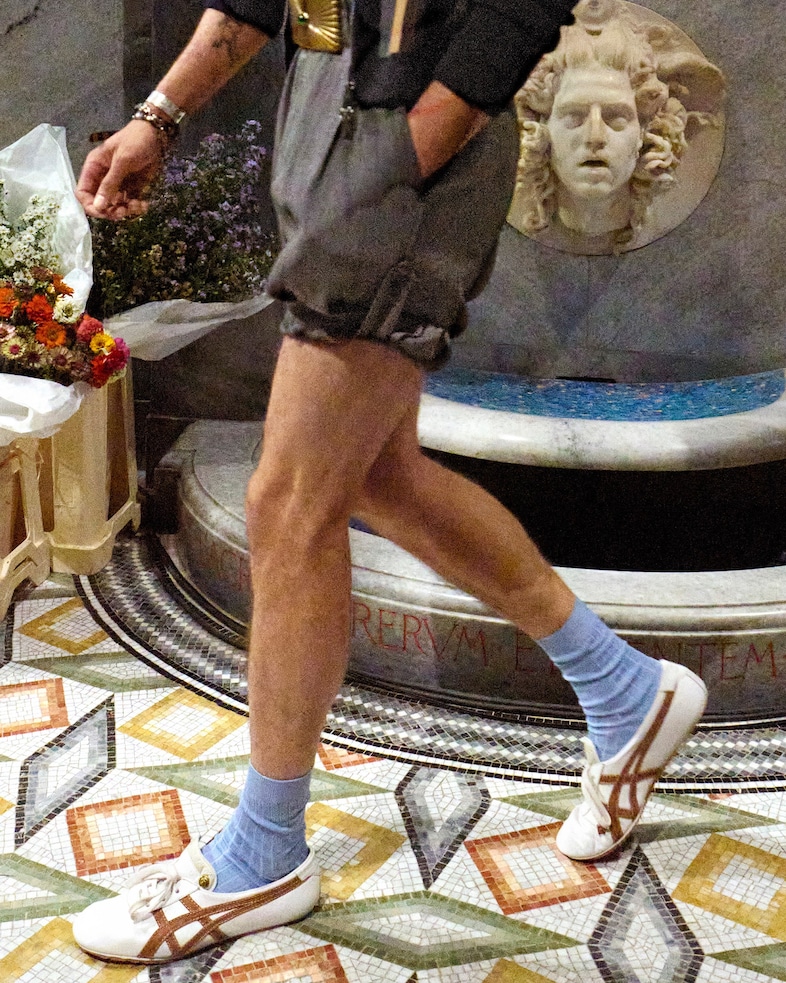
The House of Versace has continued its busy week with a surprising yet impactful collaboration: a partnership with the venerable Japanese sportswear brand Onitsuka Tiger. This unexpected alliance has resulted in a unique pair of co-branded shoes, inspired by one of Onitsuka Tiger’s cherished archive models, the TAI-CHI, known for its sleek profile and martial arts heritage. The collaboration seamlessly blends Onitsuka Tiger’s minimalist, athletic heritage with Versace’s unmistakable luxury aesthetic, creating a product that speaks to both brands’ distinct identities. The shoe features subtle yet potent Versace touches, most notably the brand’s iconic Medusa symbol prominently embossed on the tongue, signaling the union of two distinct brand identities. This partnership exemplifies a burgeoning