








At the dawn of the 20th century, a gentleman’s "Everyday Carry" (EDC) reflected a world vastly different from our own, shaped by distinct social rituals, technological limitations, and prevailing cultural values. Before the ubiquity of smartphones, digital payments, and instant communication, a man’s pockets were curated with items that underscored punctuality, reinforced strict rules of etiquette, and maintained a pristine personal appearance. This comprehensive guide delves into the typical EDC of the 1900s, specifically the Edwardian era (roughly 1901-1910), exploring the eleven essential items and a few surprising bonuses that defined daily life for the well-appointed man.
The Edwardian Era: A Social and Technological Tapestry
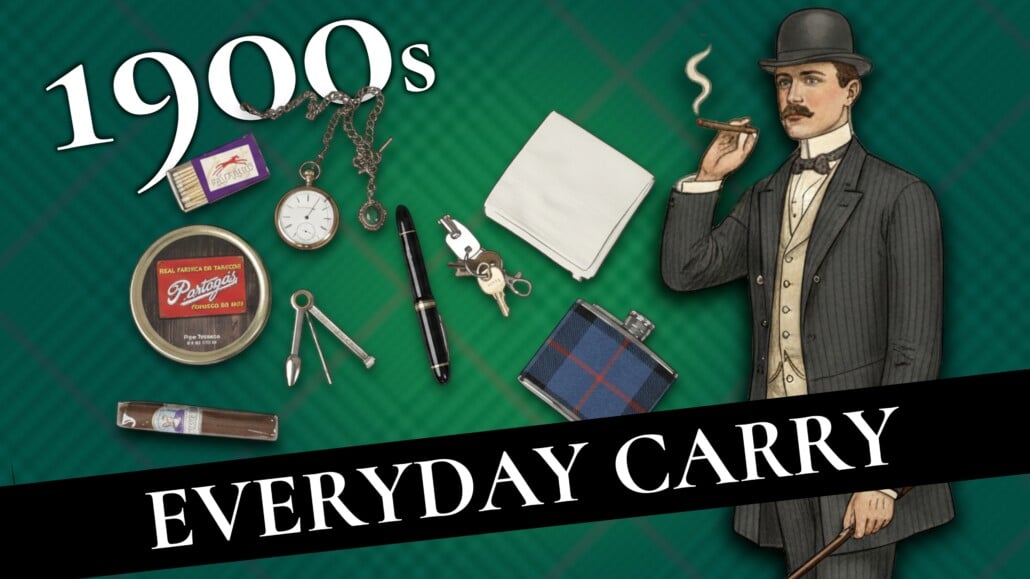
The Edwardian era, named after King Edward VII’s reign, was a period of relative peace and prosperity, sandwiched between the long Victorian age and the tumultuous First World War. It was characterized by opulent displays of wealth, rigid social hierarchies, and a strong emphasis on decorum and outward appearances. While industrialization had transformed cities and transportation, many personal technologies we take for granted were still in their infancy or yet to be invented. Automobile ownership was a luxury for the elite, public transportation was evolving, and electricity was a novel convenience rather than a universal standard. Communication largely relied on handwritten letters, telegrams, and face-to-face interactions governed by elaborate social protocols. In this context, the items a gentleman carried were not merely utilitarian; they were extensions of his identity, markers of his social standing, and indispensable tools for navigating a complex societal landscape.
The Pillars of Edwardian Everyday Carry
The items an Edwardian gentleman chose to carry daily were carefully selected to support his public persona and practical needs. They served as constant reminders of his commitment to order, social grace, and personal refinement.

1. The Walking Stick: A Statement of Style and Presence
One of the most visually striking differences between late Victorian/Edwardian gentlemen and their successors was the widespread use of the walking stick. Far from being solely a medical aid, it was a ubiquitous fashion accessory for wealthy gentlemen dating back to the 17th century, reaching its peak prevalence during the Edwardian period before rapidly declining in popularity after the 1920s. Crafted from exotic woods like malacca or ebony, often adorned with silver or ivory handles, a walking stick symbolized status, authority, and sartorial elegance. It completed an outfit, offered a confident posture, and could even serve as a subtle prop in social interactions. Its eventual decline coincided with a shift towards more casual attire and the practical demands of an increasingly mechanized world.
2. Pocket Watch, Fob & Chain: The Quintessence of Punctuality and Prestige
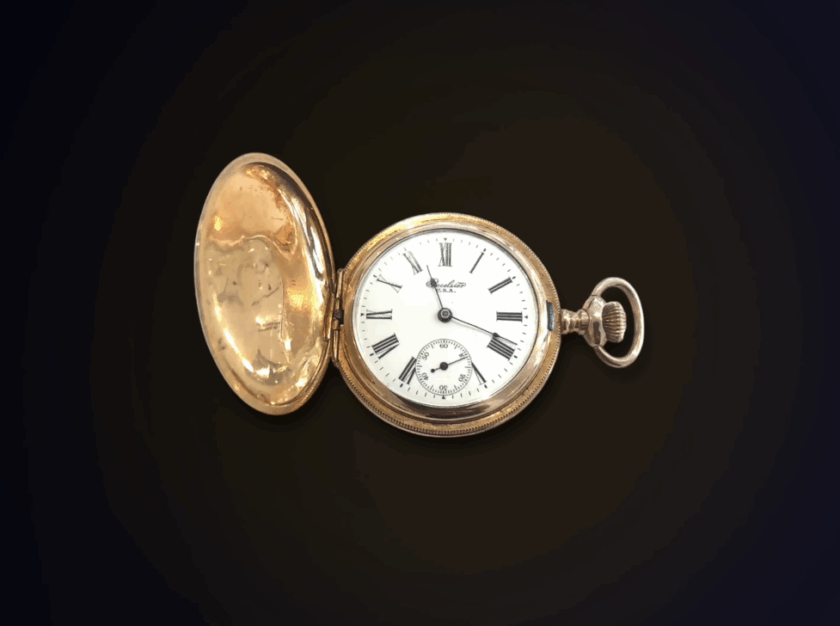
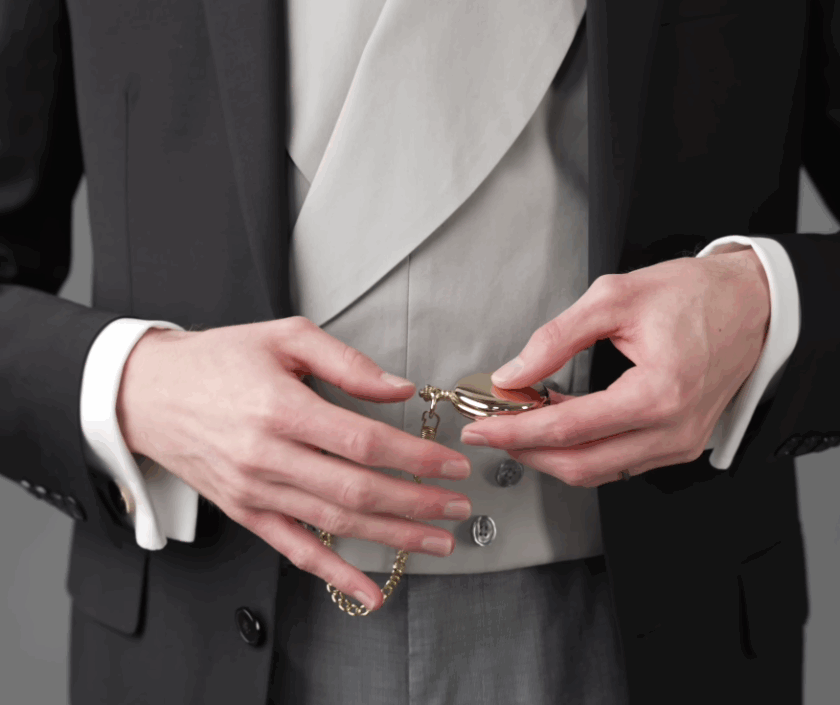
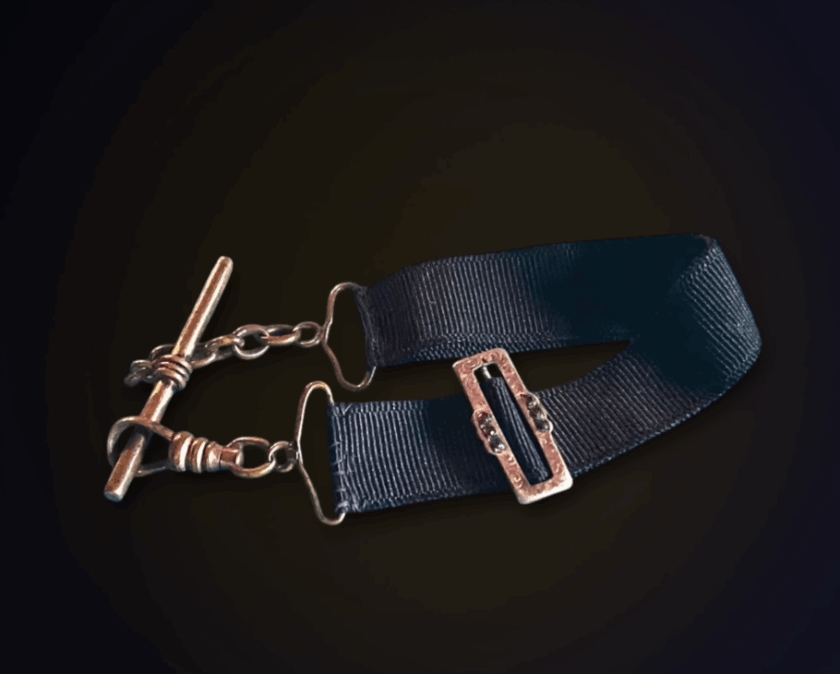
In the 1900s, the pocket watch remained the undisputed king of timekeeping. Wristwatches, often derisively called "trench watches," would only gain widespread acceptance during and after World War I, driven by military necessity. A gentleman’s pocket watch, typically a finely crafted mechanical piece, was a symbol of reliability, responsibility, and affluence. It was invariably paired with a decorative fob and a chain, often an Albert chain, which secured the watch to his waistcoat or lapel, preventing loss and adding another layer of sartorial embellishment. The act of consulting one’s pocket watch was a deliberate gesture, a quiet affirmation of one’s engagement with the precise rhythms of modern life and a subtle display of one’s good taste. Materials ranged from utilitarian brass for working men to gold, silver, or platinum for the upper classes, often engraved with initials or family crests.
3. Keys: Security in a Simpler Age
While modern keychains can be cumbersome collections of keys for multiple vehicles, homes, and offices, an Edwardian gentleman typically carried fewer keys. Automobile ownership was nascent, and dedicated doormen or household staff often managed access to large private or public buildings. The keys he did carry were usually for his personal residence, his office, or perhaps a private desk or strongbox. These keys were often made of robust metal, sometimes adorned with simple embellishments, and might be kept on a plain metal ring or a short chain, reflecting a more localized sphere of daily movement and fewer personal access points compared to today.
4. Smoking Implements: A Pervasive Pastime
The early 20th century was an era saturated with tobacco use, though the preferred methods differed significantly from later decades. Cigarettes, while present, had not yet achieved the mass market dominance they would after WWI’s industrial-scale production and marketing. Instead, pipes and cigars were the dominant choices for gentlemen.
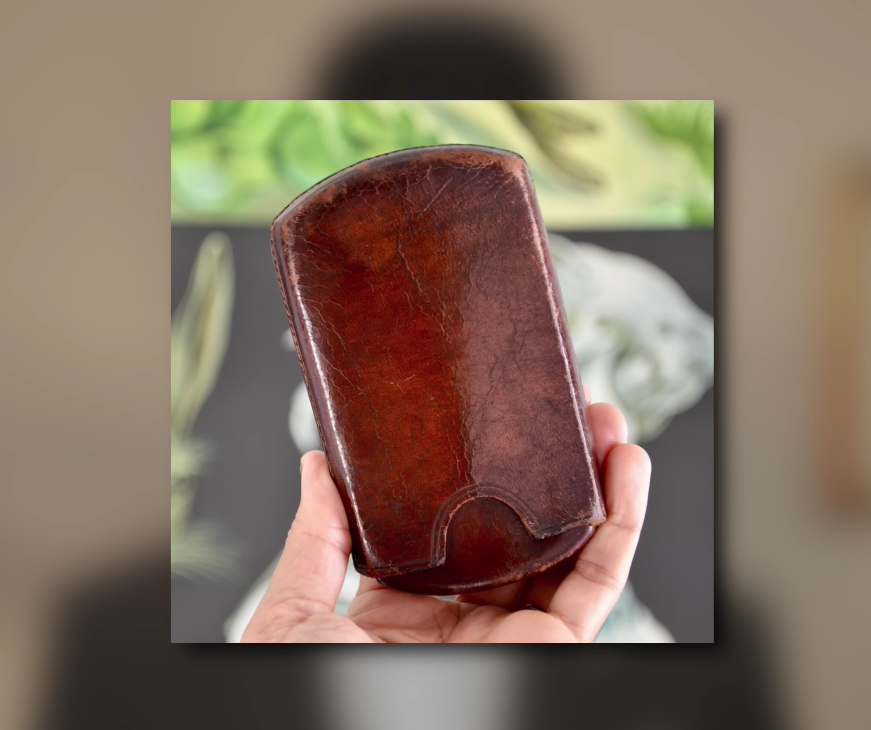
- Cigar Cases: For the cigar aficionado, a cigar case was indispensable. These elegant holders, often crafted from fine leather or polished metal (sometimes with intricate silver or gold engraving), protected cigars from damage and moisture. They were generally more compact than some modern humidors, designed for a day’s outing rather than long-term storage.
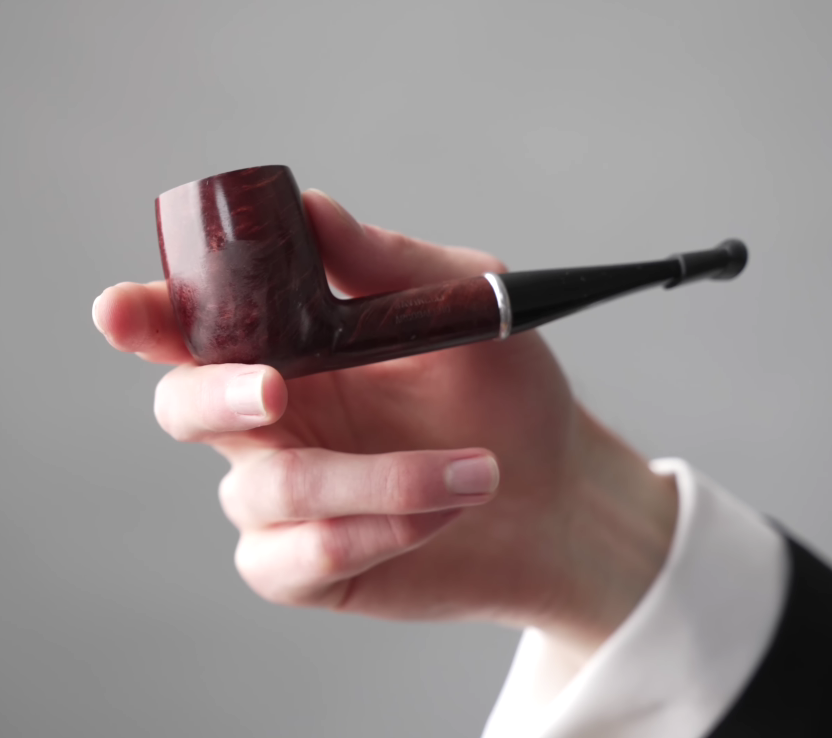
- Pipes: Pipe smoking was a ritualistic and popular pursuit. Pipes were typically made from briarwood, meerschaum clay, or even more exotic materials. Gentlemen would carry their pipes along with a leather pouch containing loose tobacco, often blended specifically to their taste. The act of filling, tamping, and lighting a pipe was a contemplative, often social, activity.
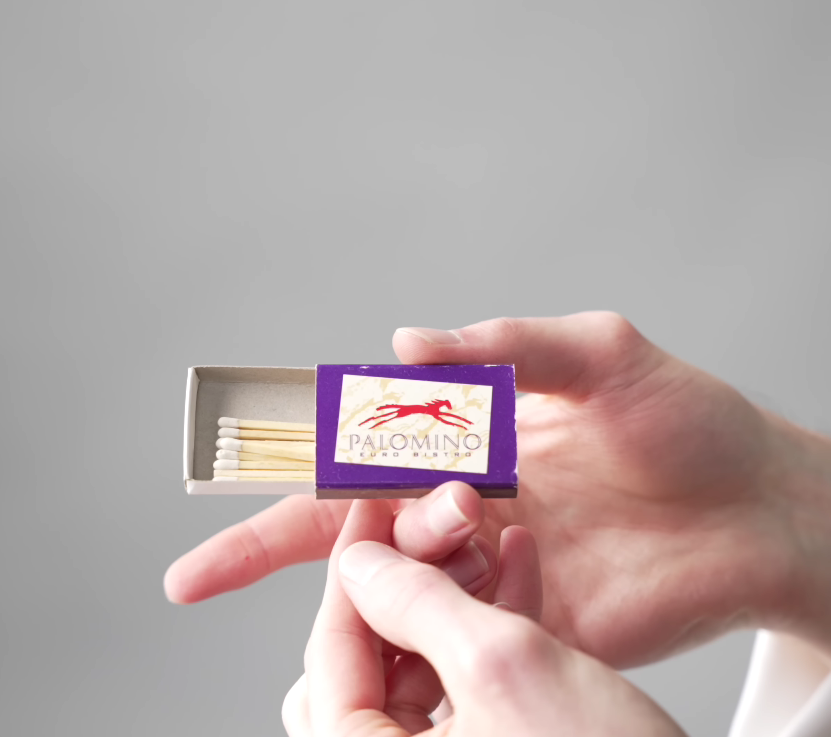
- Matches: To ignite their preferred tobacco, a small, often decorative, book or box of matches was an absolute necessity. Portable liquid-fuel lighters were still a relatively new invention and not yet common in everyday carry. Match safes, often crafted from silver or brass, ensured matches stayed dry and protected.
5. Wallet or Coin Purse: The Currency of Daily Transactions
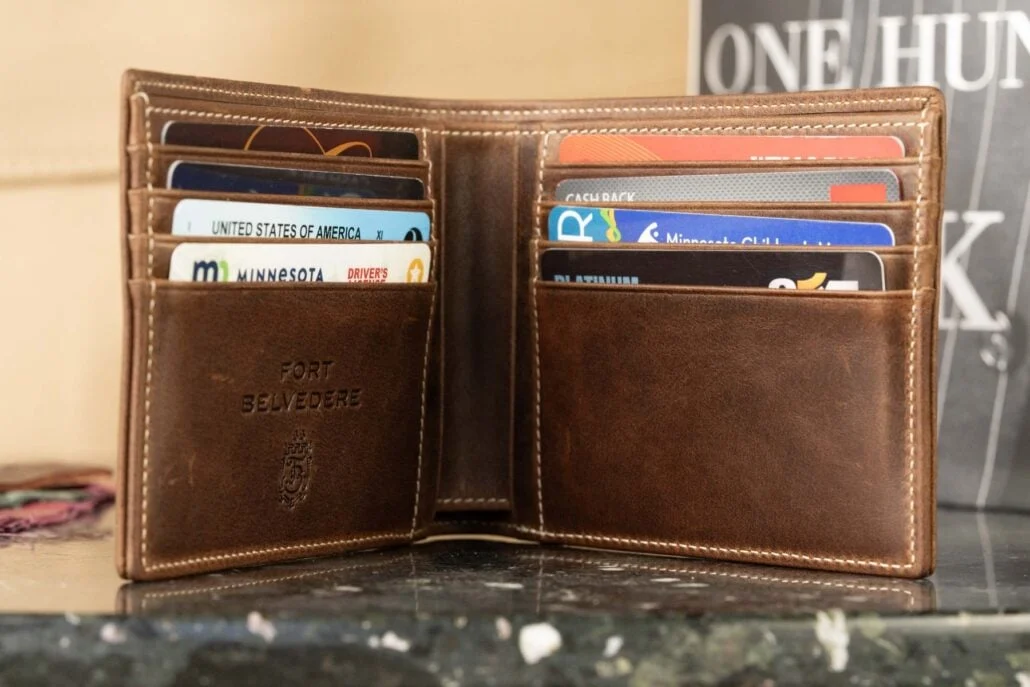
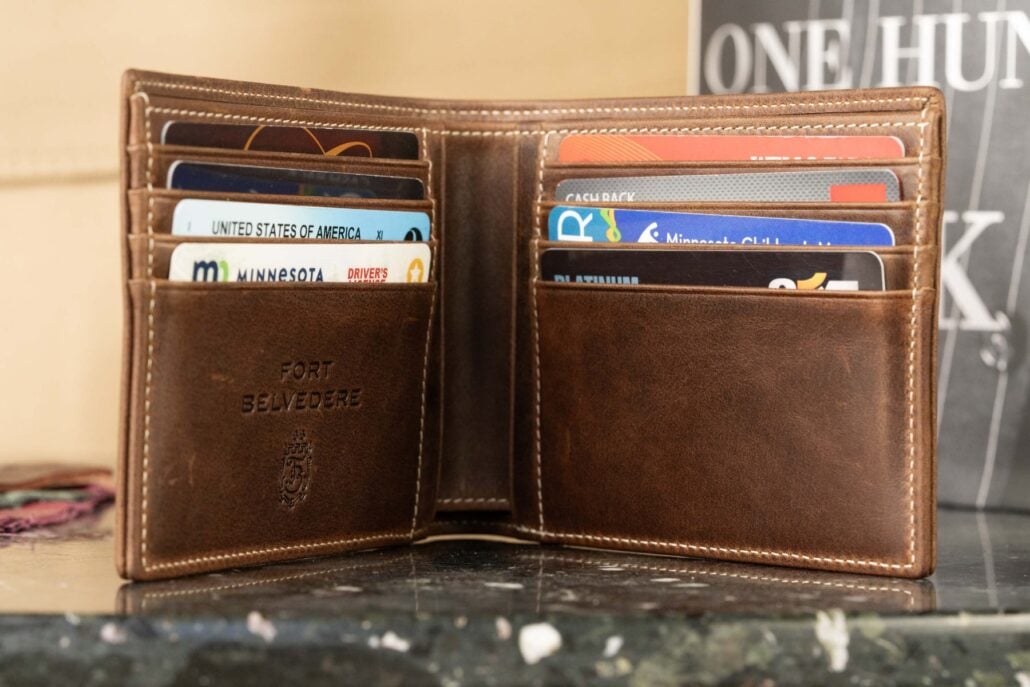
In a world devoid of credit cards, debit cards, or digital payment apps, cash was king. The wallet or coin purse served a singular, vital purpose: carrying paper currency and coinage. Wallets were typically bifold or trifold designs, made from durable leather, designed to hold banknotes securely. Given the prevalence of cash transactions, a dedicated coin purse was also common, allowing for easy access to smaller denominations. These items were often understated, prioritizing function and durability, though finer examples might feature embossed leather or discreet metal accents. The absence of other cards meant wallets could be slimmer and more focused on their primary role.
6. Calling Cards & Case: The Art of Social Introduction
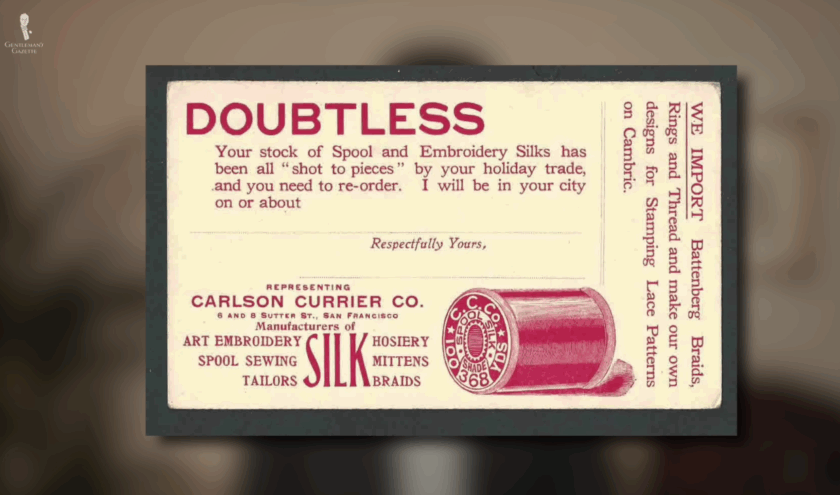
Social interactions in the Edwardian era were often highly ritualized, and the calling card was a cornerstone of this system. When visiting a residence, a gentleman would present his calling card to a servant, who would then convey it to the property owner. These cards, usually a simple yet elegant rectangle of cardstock, bore the visitor’s name and title, sometimes an address, and were often plain white or cream, printed in black ink. The meticulous preservation of these cards was paramount, leading to the widespread use of dedicated card cases. These cases were crafted from a variety of materials, from fine leather to polished metals like silver, or even exquisite papier-mâché with mother-of-pearl inlays, reflecting the owner’s status and attention to detail. Businessmen also utilized more elaborate "trade cards," but for social calls, simplicity and quality were key.
7. Fountain Pen: The Instrument of Correspondence
Before the advent of cheap, disposable ballpoint pens, a gentleman carried a quality writing implement as a matter of course. The fountain pen, with its self-contained ink reservoir, had largely replaced dip pens by this era, making it a practical choice for "on-the-go" correspondence and documentation. In a time when handwritten letters, notes, and financial records were the primary means of formal communication, a reliable fountain pen was an essential inclusion in any pocket. These pens were often made from hard rubber, celluloid, or precious metals, featuring gold nibs, and were cared for as valuable tools. Carrying a fine pen underscored a gentleman’s literacy, education, and readiness for intellectual engagement.
8. Pocket Notebook: A Novelty for Jotting Down Thoughts
The concept of a compact, bound notebook for daily notes was a relatively new innovation in the early 1900s. While paper had been around for centuries, the "Silver City Writing Tablet," invented by J.A. Birchall in 1902, revolutionized the personal notebook. This innovation involved glued, halved sheets of paper backed by cardboard, leading to the widespread adoption of pocket-sized, bound notebooks. These simple yet revolutionary items allowed gentlemen to readily jot down appointments, observations, shopping lists, or spontaneous thoughts, serving as an early precursor to modern digital note-taking apps. It represented a subtle shift towards greater personal organization and the recording of transient information.
9. Hair Care Items (Comb & Pomade): Maintaining a Tidy Appearance
Edwardian hat etiquette dictated frequent removal of headwear when indoors, necessitating constant attention to one’s coiffure. To maintain a neat and orderly appearance throughout the day, a gentleman relied on a pocket comb, often made from horn, bone, or early plastics like celluloid, and a small amount of pomade. Unlike the petroleum-based products that would become popular in the 1920s, pomades of this era were typically formulated from natural ingredients such as beeswax, lard, or even bear’s grease, designed to provide hold and a subtle sheen without a heavy, greasy feel. These items were crucial for upholding the era’s standards of masculine grooming and presented a polished image.
10. Corrective Lenses: A Discrete Necessity
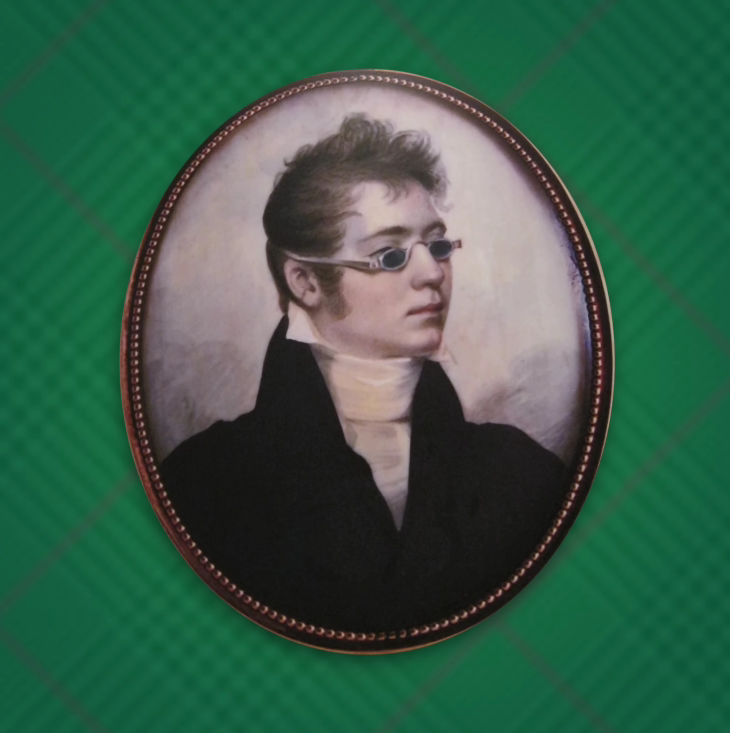
In the 1900s, vision-correcting lenses were often viewed as "medical appliances" and carried a degree of social stigma, especially for men who wished to project an image of robust health and vitality. Consequently, eyewear was designed to be as unobtrusive as possible and frequently stored in a pocket or case when not actively in use. Common styles included:
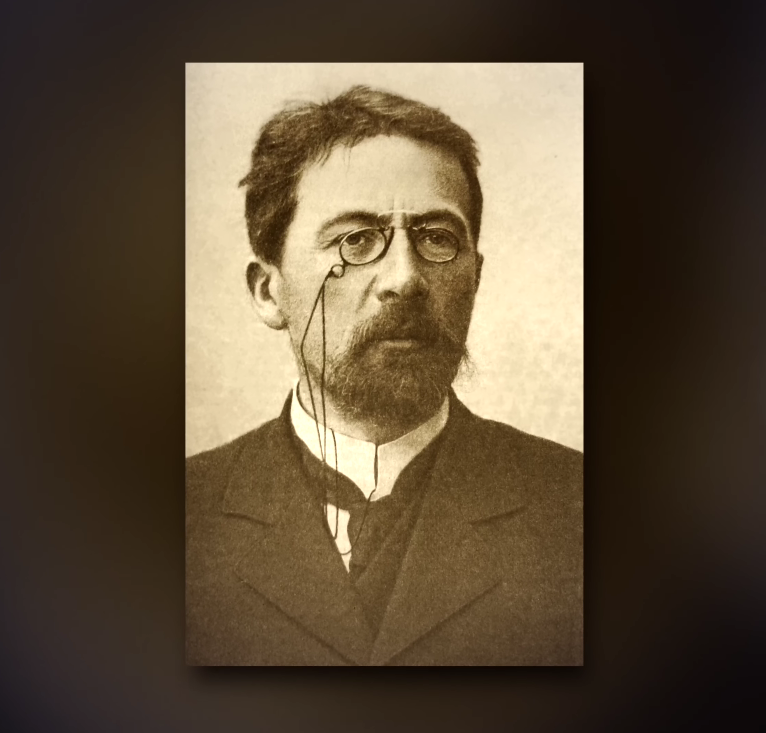
- Pince-nez: These "nose-pinchers" lacked ear hooks and were held in place by pressure on the bridge of the nose. They could be quickly donned for reading or detailed work and then just as swiftly removed and tucked away. Often, they were attached to a delicate cord or chain that could be pinned to clothing.
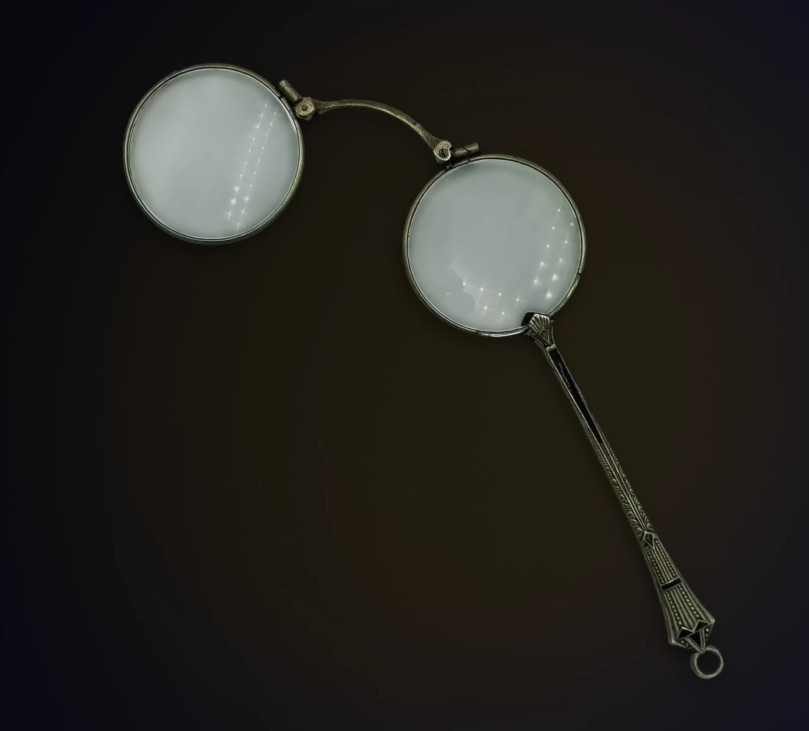
- Lorgnettes: Primarily associated with women, these spectacles had a handle and were held up to the eyes. However, simpler, folding versions were occasionally used by men for momentary vision correction in public settings, allowing for a quick, elegant deployment and storage.
- Monocles: A single lens held in place by muscle tension around the eye socket, the monocle was a distinctive, often aristocratic, accessory. While less common, it was a bold statement of individuality and often paired with an air of intellectualism or sophistication.
These designs underscored the prevailing desire for discreet vision correction, reflecting a time when physical imperfections were often minimized in public.
11. Handkerchief: The Utilitarian Essential
Distinct from the purely decorative pocket square, which often adorned a gentleman’s breast pocket, the handkerchief was a strictly utilitarian tool. Typically made of white cotton or linen, it was an indispensable item for personal hygiene and practicality. It was used to mop one’s brow in warmer weather, clean eyeglasses, wipe down dusty surfaces in the sooty industrial cities, or offer a polite gesture of assistance to another. The handkerchief was a quiet workhorse of the Edwardian gentleman’s EDC, embodying preparedness and a subtle concern for cleanliness in an age where public sanitation was still evolving.
Bonus Items: Emerging Conveniences and Personal Indulgences
Beyond the core essentials, some gentlemen carried items that reflected either personal indulgence or an embrace of nascent technologies.
- The Hip Flask: While the hip flask would achieve iconic status during the Prohibition era of the 1920s, metal and glass flasks were already available in the 1900s. For those who wished to carry a discreet measure of spirits, perhaps for a private toast or a warming dram on a cold journey, a hip flask was a personal luxury. These were often crafted from silver or glass with silver overlays, speaking to a taste for refined indulgence.
- The Pocket Lamp (Early Flashlight): Electric lighting was cutting-edge technology at the turn of the century. Following the invention of the dry cell battery in 1887, the first portable handheld electric lights began to appear. By 1907, these "flashlights" were available, though they were expensive novelties. Primarily adopted by tradesmen requiring portable light in dark spaces or early adopters fascinated by new gadgets, they offered a glimpse into the future of personal illumination, a stark contrast to the reliance on gaslight or candles that still permeated much of daily life.
Conclusion: An EDC Reflecting an Era
The Edwardian gentleman’s everyday carry provides a fascinating window into a bygone era. His pockets were not merely receptacles for personal effects; they were carefully curated repositories of tools and symbols that reinforced societal values of punctuality, impeccable etiquette, and personal presentation. Each item, from the weighty pocket watch to the discreet calling card, played a role in navigating a world that valued formality, structure, and tradition. The stark contrast with today’s smartphone-centric, digitally-driven EDC underscores the profound shifts in technology, social norms, and personal priorities over the past century. Examining these historical essentials helps us appreciate the evolution of what it means to be prepared and presentable in a constantly changing world.

(This article is part of a series exploring the Everyday Carry through various decades. Previous installments have covered the 1920s, ’60s, and ’80s. Future topics may include the 1930s or 1950s.)
Frequently Asked Questions
What did "EDC" mean for a gentleman in 1900?
The modern term "EDC" did not exist, but men still carried a predictable set of daily essentials focused on punctuality, social etiquette, and personal presentation. Typical items included a pocket watch and chain, money in notes and coins, a handkerchief, and often smoking implements. These items were selected for their practical utility and their role in maintaining social decorum.
Did every man in 1900 carry the same things?
No, significant variations existed based on social status, occupation, and daily activities. An upper-middle-class or aristocratic gentleman in a city might carry finer, more decorative versions of common items, such as an engraved gold pocket watch or an elaborate calling card case. Working men tended to carry fewer, more rugged essentials suited to their trade, prioritizing durability and function. Whether the day called for business, leisure, or travel also influenced what ended up in his pockets.
Was a wristwatch common EDC in 1900?
Wristwatches were still unusual for men around 1900, largely considered a feminine accessory or a niche tool for military officers. The gentleman’s standard was a pocket watch, often worn on an Albert chain or fob with a waistcoat. The pocket watch was not only a practical timekeeper but also a visible symbol of reliability, status, and adherence to traditional masculine style.
Where did a gentleman keep his money and papers?
Paper currency and calling cards were typically kept in a coat wallet and a dedicated card case, respectively, safeguarding them from damage and ensuring a neat presentation. Coins, essential for daily transactions, usually resided in a dedicated coin purse or a specific trouser pocket. A businessman might also carry a small notebook, a pencil, or a fountain pen for appointments, expenses, and correspondence on the go, demonstrating his preparedness and organizational skills.
What grooming items were part of a 1900 gentleman’s everyday carry?
A compact pocket comb, often made of horn or bone, was common, especially given the era’s structured hairstyles and the frequent removal of hats in public and private settings. Some men also carried a small mirror, a mustache comb or wax, and, less commonly, basic items like smelling salts or a tiny vial of cologne when traveling or socializing, emphasizing personal fastidiousness.
Did gentlemen carry handkerchiefs every day?
Yes, a cloth handkerchief was almost universal. It served both hygienic and social purposes, from personal use (e.g., wiping one’s brow, blowing one’s nose) to offering aid to others. For dressier occasions, a separate, purely decorative pocket square might appear in the breast pocket, while a plainer, functional handkerchief stayed in a trouser or hip pocket.
Were smoking accessories part of a typical 1900 EDC?
For many men, yes. Cigars or pipes were very common forms of tobacco consumption, accompanied by a match safe or box of matches. Slim metal cases for cigars or cigarettes also signaled refinement and protected the contents in a tailored pocket, reflecting the widespread social acceptance and ritualized nature of smoking during the period.
Did a gentleman carry a pocket knife or other tools?
Small folding knives were widely used for practical tasks such as opening letters, trimming loose threads, cutting fruit, or general utility. More visible "working" knives were generally associated with tradesmen. Some gentlemen also carried simple tools like a watch key (for older, winding watches), a small pencil sharpener, or small house and wardrobe keys on a ring or chain, demonstrating preparedness for minor daily contingencies.
What role did gloves and canes play in his everyday carry?
Gloves, often made of leather or suede, were standard for outdoor wear and formal calls, serving as both a fashion statement and a practical item for protection and cleanliness. A gentleman might carry or don them whenever he left the house, removing them for handshakes or specific social interactions. Walking sticks or canes were less about mobility (unless medically necessary) and more about posture, presence, and fashion, particularly in urban or social settings, completing the formal silhouette.
How did pockets and clothing affect what he could carry?
By 1900, tailored jackets, waistcoats, and trousers incorporated multiple specialized pockets designed specifically for various EDC items. Waistcoats, in particular, often featured dedicated watch pockets, while jacket and trouser pockets were cut to accommodate wallets, card cases, and other essentials without creating unsightly bulges. The clothing and the EDC formed one integrated system, where garments were designed with these specific contents in mind, rather than a random assortment of items.