


A collective of high-end wedding professionals, led by the photography duo The Chamberlins and wedding planning firm Ave Creations, has unveiled a comprehensive creative editorial titled "Nola." Shot on location at the Port Lympne Hotel & Reserve in Kent, the project serves as a sophisticated interpretation of New Orleans’ cultural vibrancy, specifically designed to challenge and broaden the visual standards of the United Kingdom’s wedding industry. The editorial arrives at a time of significant transition within the bridal sector, as couples increasingly seek personalized, culturally resonant experiences over traditional, cookie-cutter templates.
Conceptual Origins and Cultural Context
The "Nola" project was conceived by Celle of The Chamberlins, a Brazilian-born photographer whose personal heritage informed the project’s focus on multicultural representation. The editorial draws inspiration from the unique aesthetic of New Orleans, Louisiana—a city characterized by its fusion of French, African, and Spanish influences. Key thematic elements include the spirited atmosphere of Mardi Gras, the soulful resonance of jazz, and the atmospheric beauty of the Louisiana bayous.
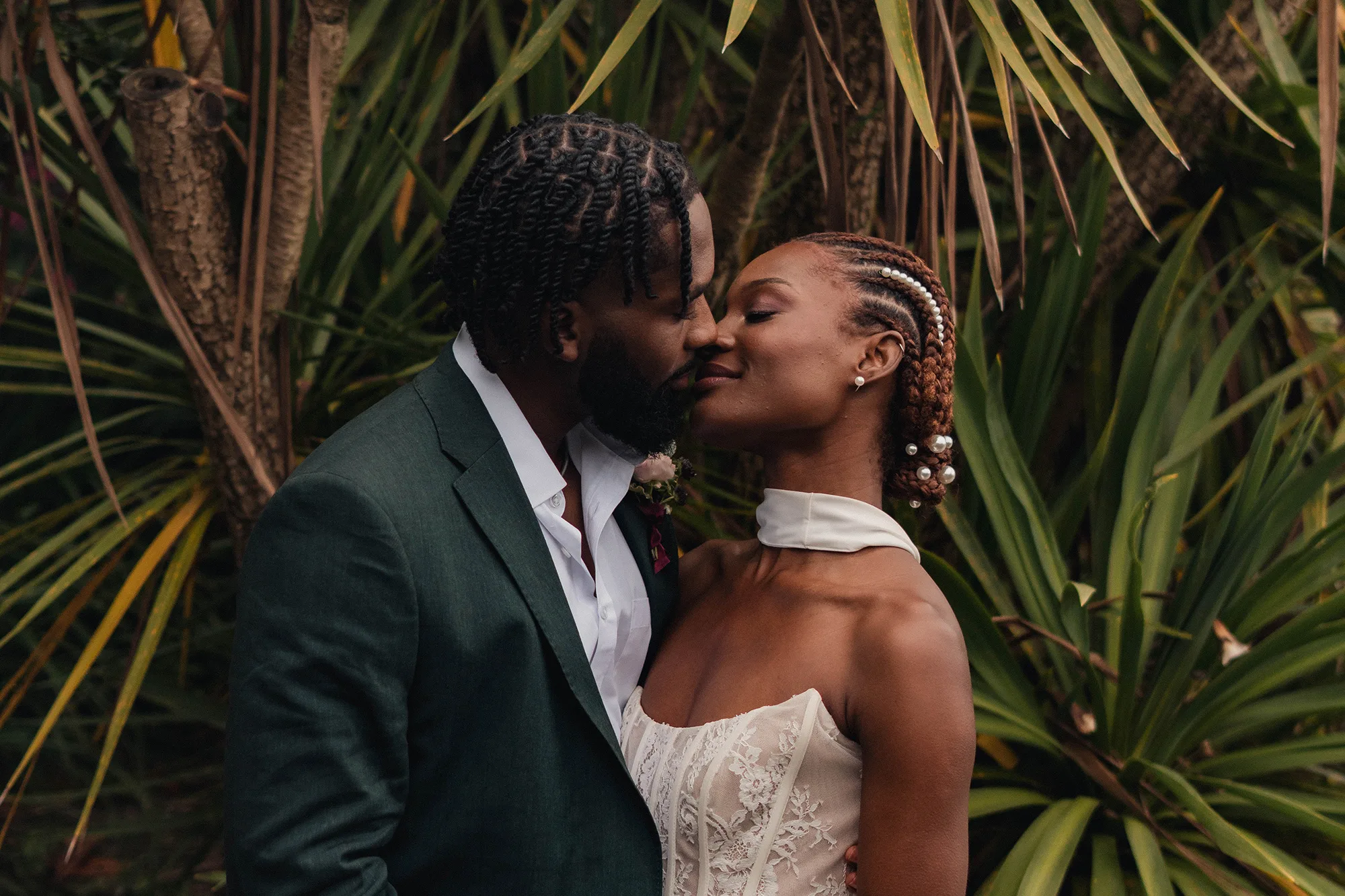
The creative team sought to translate these American southern influences into a British context, utilizing the historic architecture and natural landscapes of Kent. By doing so, the project aims to provide a roadmap for couples looking to infuse international heritage and bold color palettes into domestic celebrations. According to the project organizers, the initiative was driven by a perceived stagnation in the UK wedding market regarding the representation of People of Color (POC) and Black couples in contemporary, high-fashion settings.
Venue Selection: Port Lympne Hotel & Reserve
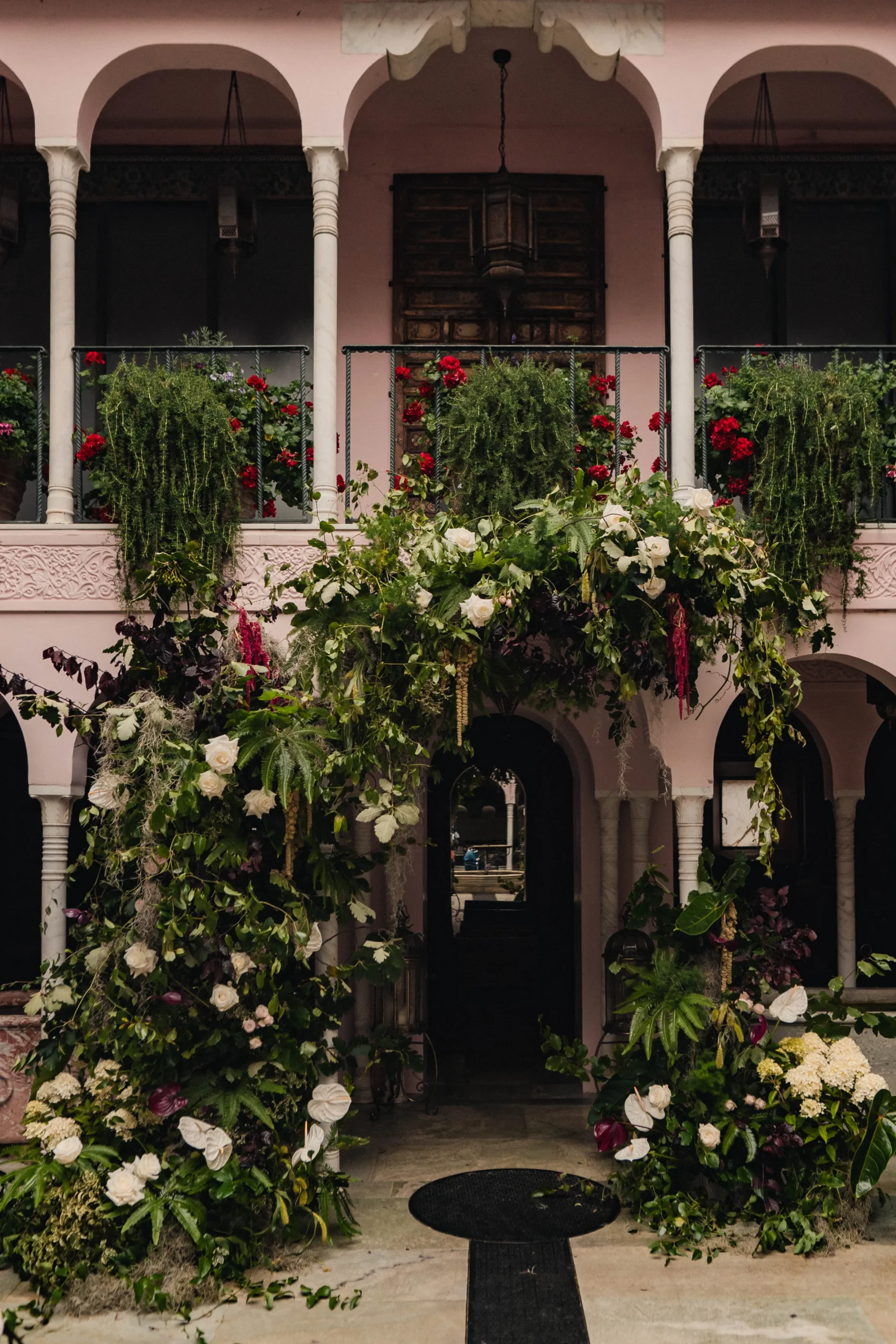
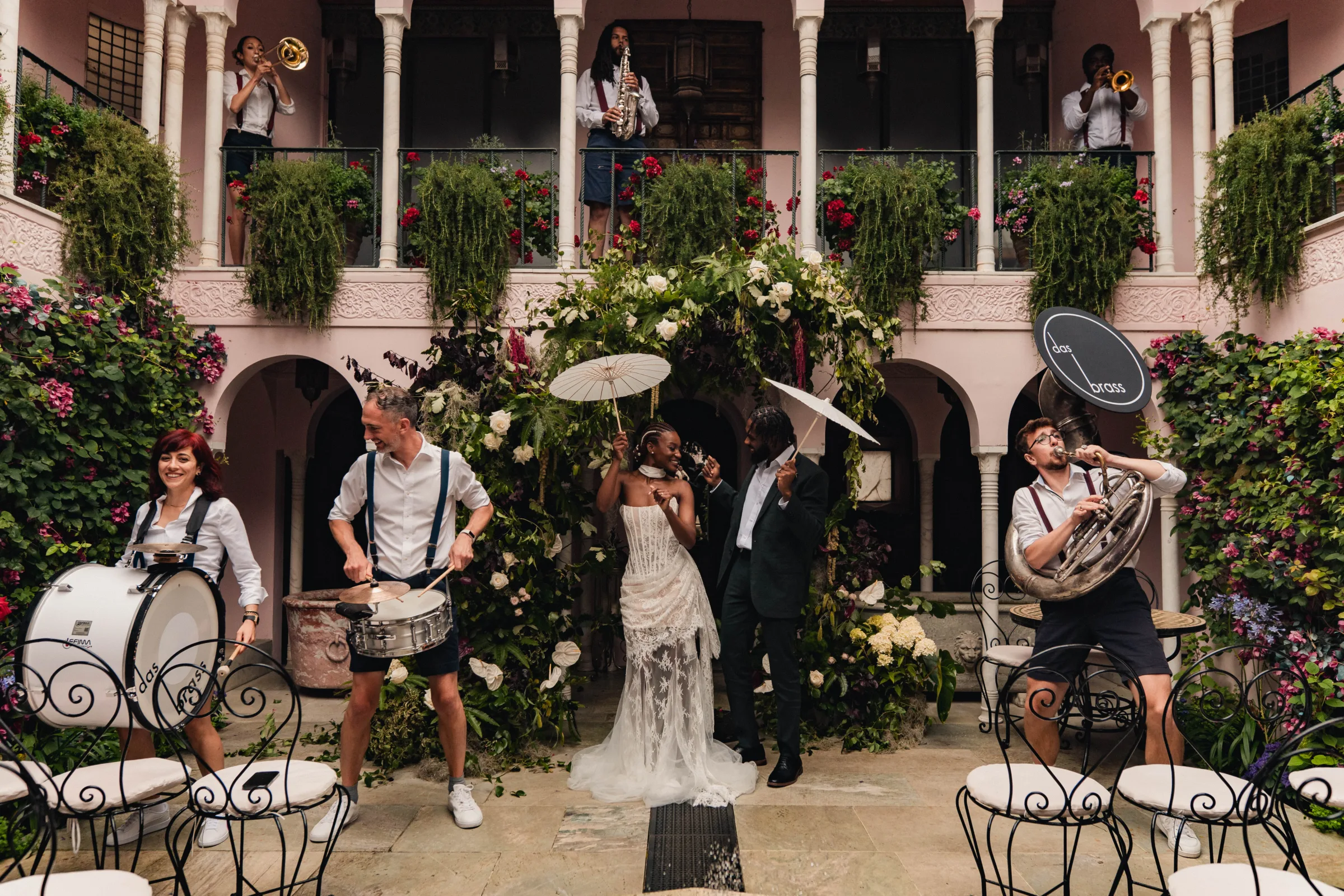
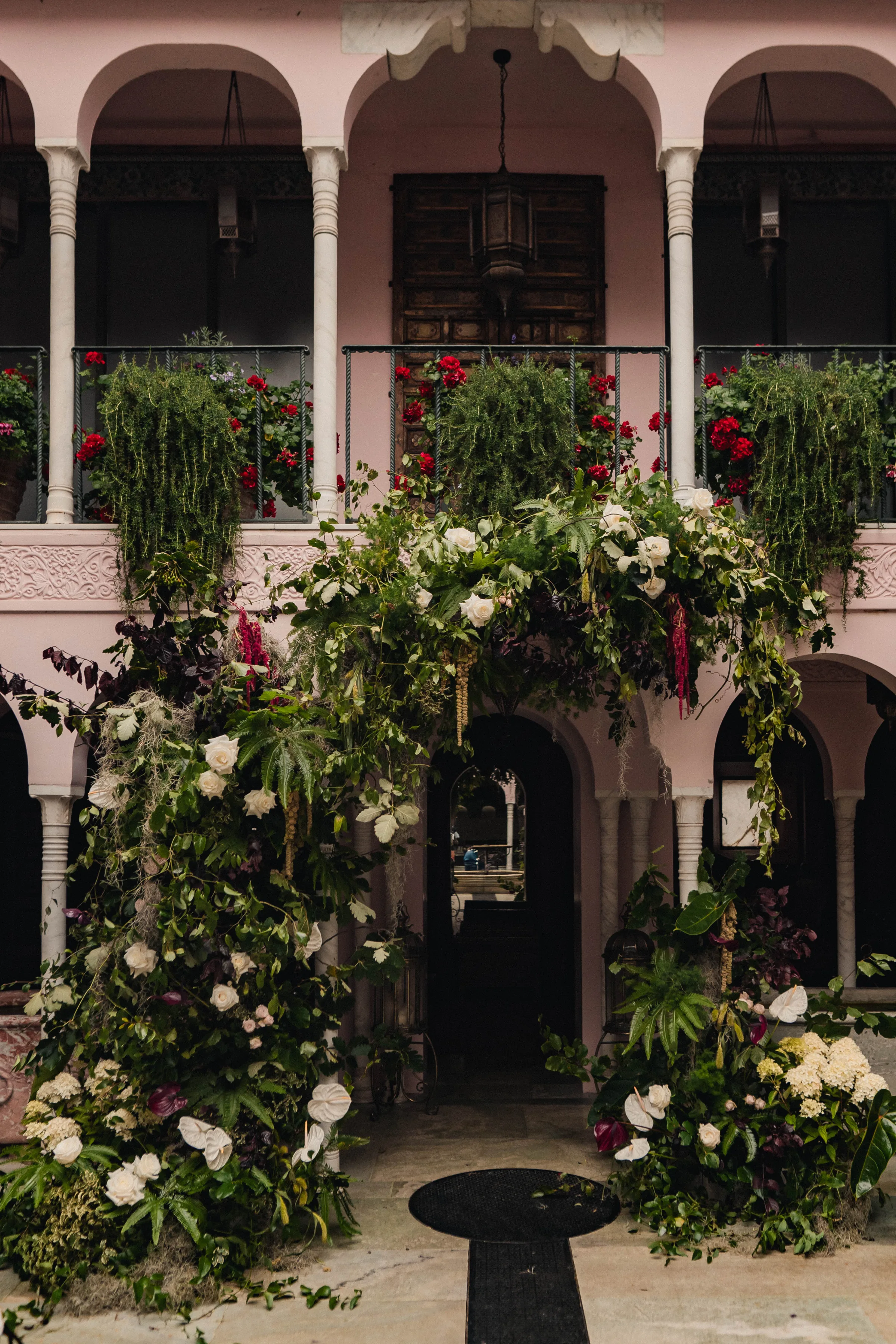
The choice of Port Lympne as the backdrop for the editorial was strategic. Located within a 600-acre wildlife park and centered around an Edwardian mansion, the venue offers a blend of historical grandeur and exoticism that mirrors the eclectic nature of New Orleans. The production utilized the venue’s Moroccan-style courtyard, which provides an intimate setting suitable for the "micro-wedding" trend that has persisted in the post-pandemic era.
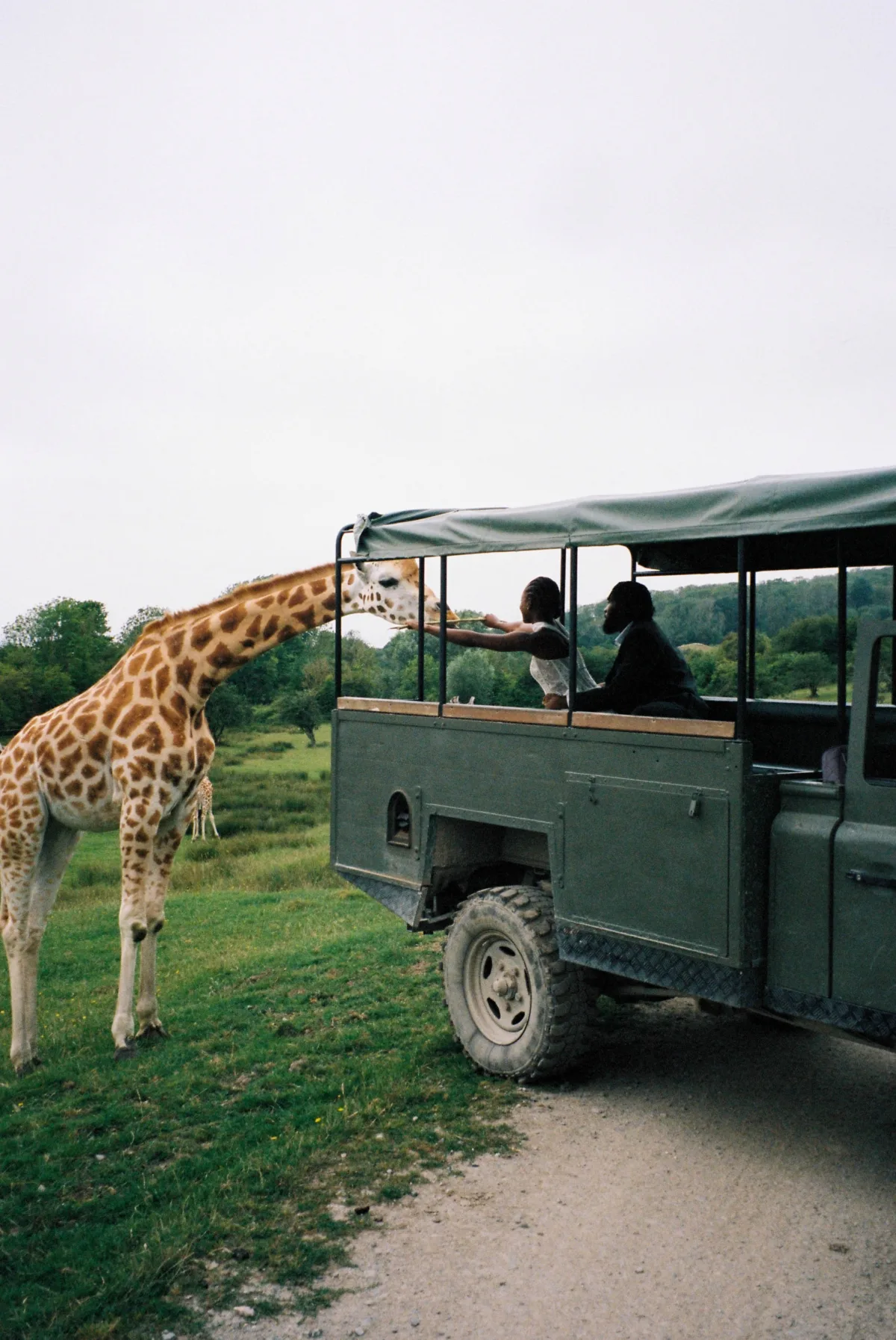
Beyond the courtyard, the editorial featured the venue’s safari park, including a giraffe-feeding experience. This element highlights a growing demand for "experience-led" weddings, where the ceremony and reception are supplemented by unique activities. Port Lympne’s diverse interior spaces, characterized by vibrant murals and eclectic furniture, were utilized to showcase how existing venue décor can be leveraged to reduce the need for excessive temporary styling, aligning with modern sustainability and efficiency trends in event planning.
Chronology of Production and Multi-Format Execution
The production of the "Nola" editorial involved a multi-stage timeline, beginning with several months of mood-boarding and vendor curation. The team collaborated with Assumpta of Ave Creations to manage the logistical complexities of a large-scale shoot involving live animals, a brass band, and multiple catering setups.
The execution of the shoot was notable for its technical diversity. The Chamberlins employed a range of photographic formats to capture different "textures" of the day:
- Super 8 Film: Used to provide a nostalgic, cinematic feel reminiscent of mid-century home movies.
- 35mm and 120mm Film: Selected for their superior color depth and organic grain, particularly for the Mardi Gras-inspired color palette.
- Digital Photography: Utilized for high-definition detail and immediate workflow integration.
This multi-format approach reflects a broader trend in the high-end wedding market, where "hybrid" photography—mixing digital and analog—has become a sought-after premium service.
Styling and Aesthetic Breakdown: A New Visual Language
The editorial’s styling, managed by Nicola of Abstract Events, focused on a "contemporary edge" that avoided traditional bridal tropes. This was achieved through a deliberate selection of floral arrangements, fashion, and stationery.
Floral Design and Botanical Themes
Florist Candice of Bohotany was tasked with creating arrangements that referenced the French Quarter’s balconies and the Spanish moss of the Southern United States. The floral strategy included:
- The Ceremony Arch: A "broken arch" design featuring white roses, orchids, and lush greenery.
- The Table Scape: A combination of hydrangea, calla lilies, anthurium, and ferns, interspersed with trailing amaranth to mimic the look of bayou flora.
- Color Palette: Deep purples, zesty greens, and dark reds were used to evoke the "beads and celebration" of Mardi Gras without appearing costume-like.
Fashion and Beauty Representation
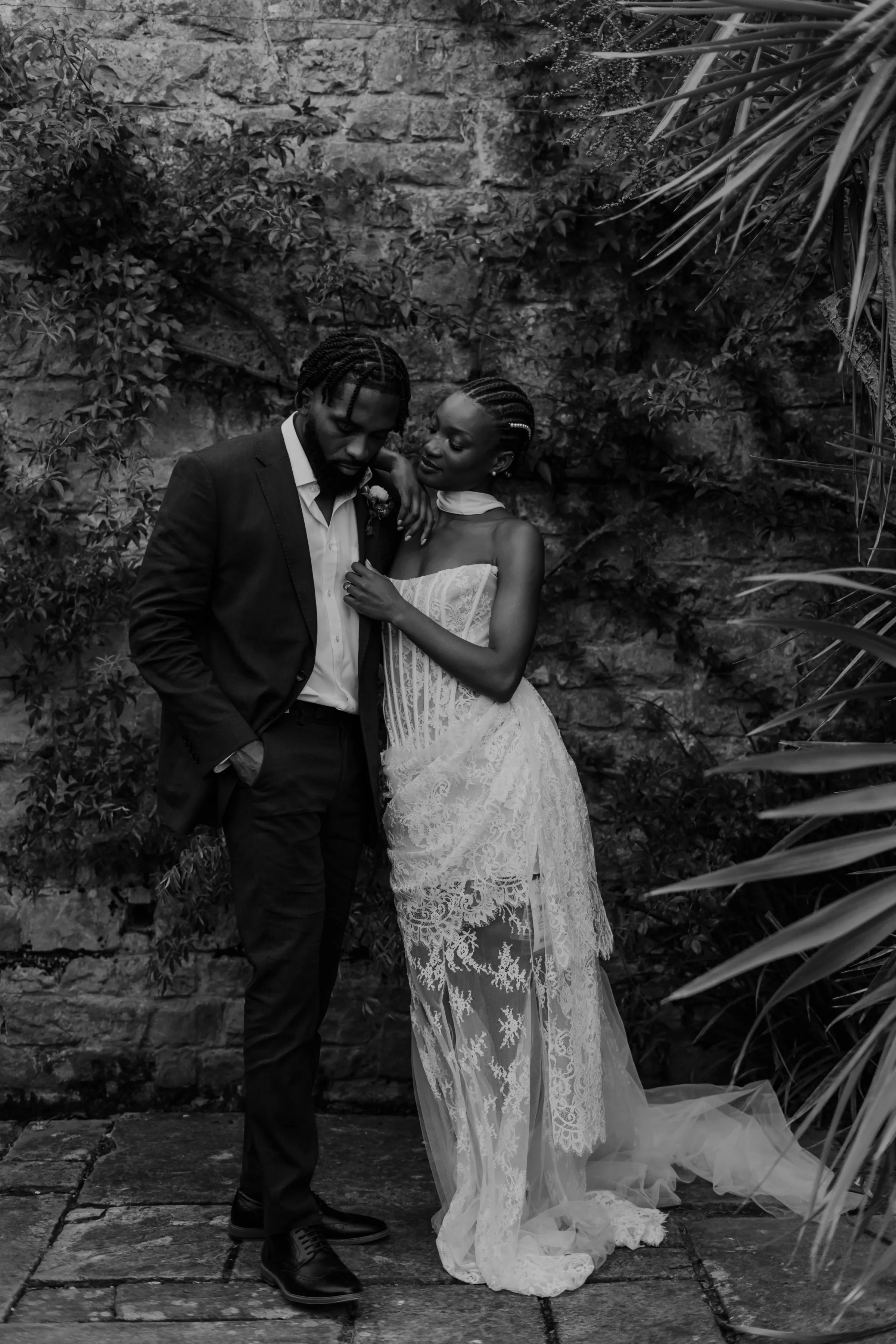
The bridal look, featuring models Mike and Abi, centered on a lace mini-dress provided by Crazy in Love Bridal. The choice of a shorter silhouette represents the rising popularity of "second looks" or unconventional ceremony wear.
A significant focus was placed on the model’s hair and makeup, handled by Sabina Mahendran. The team made a conscious decision to feature braids adorned with pearls, a choice intended to challenge the "westernization" of bridal beauty. By showcasing natural and protective hairstyles in a luxury editorial context, the project provides much-needed visual data for Black brides who often find themselves underrepresented in mainstream bridal media.
Culinary and Entertainment Integration
To ground the editorial in New Orleans tradition, the team incorporated specific culinary and musical elements. An oyster bar, provided by Oyster Buoys, was featured as a centerpiece for the drinks reception. Oysters and shellfish are staples of Creole and Cajun cuisine, and their inclusion highlights the trend of "thematic catering" where the food menu serves as a primary storytelling device for the couple’s heritage or interests.
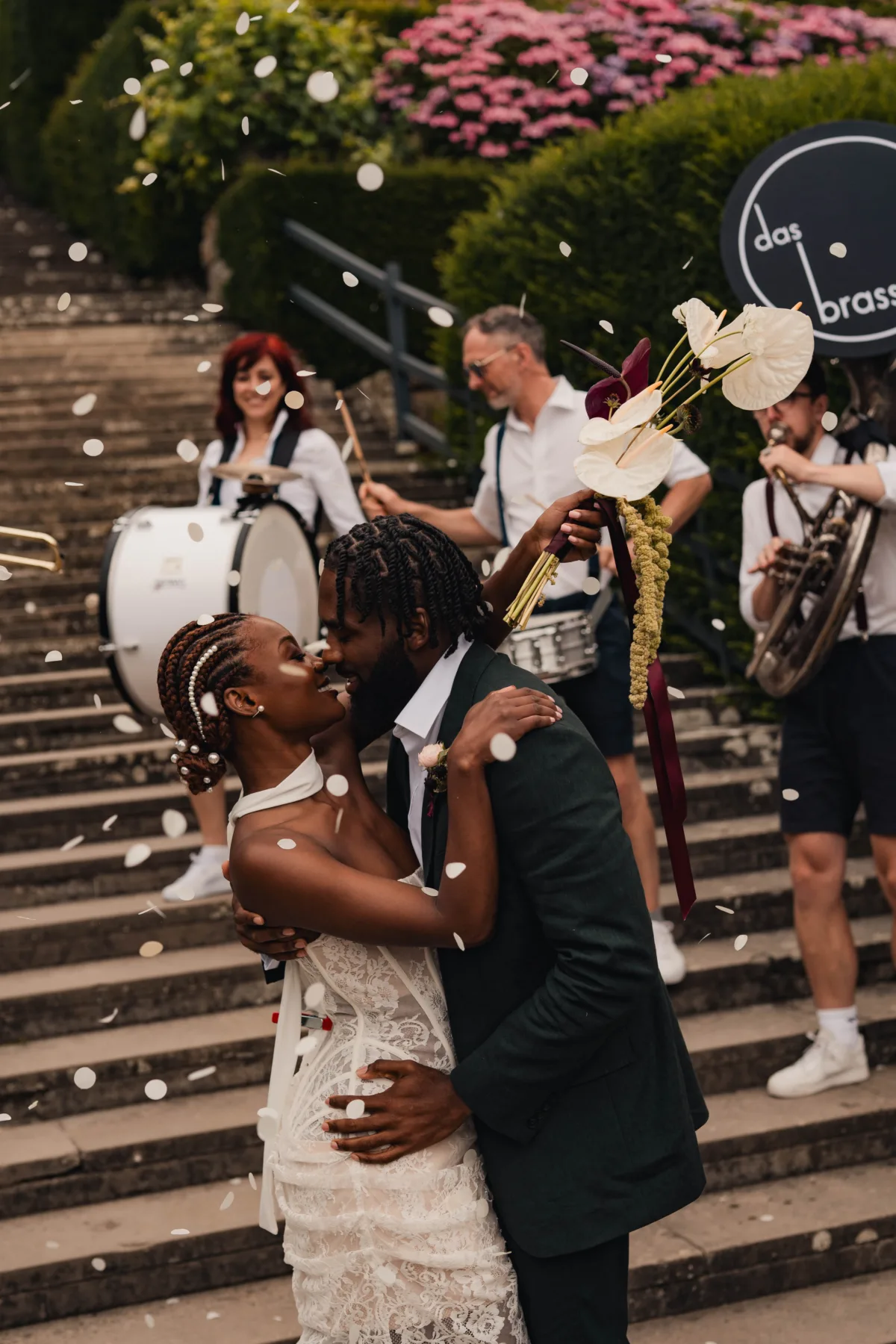
The entertainment was headlined by Das Brass, a traditional brass band. In New Orleans culture, the "Second Line" is a parade led by a brass band, originally a tradition in jazz funerals that has evolved into a staple of wedding celebrations. The editorial showcased how a live brass band can transform the atmosphere of a UK country estate, providing a high-energy, immersive experience that differs from standard wedding DJs or string quartets.
Industry Context: The Necessity of Diversity in Marketing
The "Nola" editorial serves as more than a stylistic guide; it is a response to industry-wide data regarding diversity. While the UK wedding industry is valued at billions of pounds annually, market research has frequently pointed to a "representation gap." According to various industry audits, Black and POC couples are significantly less likely to see themselves reflected in the promotional materials of major venues and suppliers.
The deliberate casting of Mike and Abi, and the selection of a diverse vendor team, addresses this gap. By producing high-quality imagery that features POC couples in a luxury, aspirational setting, the creative team provides "social proof" that encourages inclusive booking practices across the sector.
Expert Analysis: Broader Implications for the Wedding Sector
The launch of this editorial suggests several key shifts in the wedding market:
- The Rise of the "Global Couple": As international travel and multicultural relationships become the norm, the demand for weddings that blend different cultural aesthetics is increasing.
- Intentionality in Sourcing: Couples are now looking beyond the aesthetic of a vendor’s work and are considering the vendor’s values, including their commitment to diversity and representation.
- The "Experience" Economy: The inclusion of live brass bands, interactive oyster bars, and safari experiences underscores the shift from weddings as "observational events" to "participatory experiences."
The "Nola" project demonstrates that cultural tribute, when executed with clarity and respect, can provide a fresh alternative to traditional British wedding themes. The collaboration between The Chamberlins, Ave Creations, and the Port Lympne team highlights the potential for UK venues to position themselves as versatile spaces capable of hosting globally-inspired celebrations.
Conclusion
The "Nola" editorial stands as a testament to the power of collaborative creativity in the modern wedding industry. By synthesizing the vibrant traditions of New Orleans with the historic charm of the Kentish countryside, the team has produced a body of work that is both aesthetically striking and socially significant. As the UK wedding industry continues to evolve, projects like "Nola" provide the necessary inspiration and visual evidence to ensure that the future of weddings is as diverse and vibrant as the couples they celebrate. The work of The Chamberlins and their partners serves as a call to action for other industry professionals to prioritize effort, clarity, and commitment in their pursuit of a more inclusive visual language.