






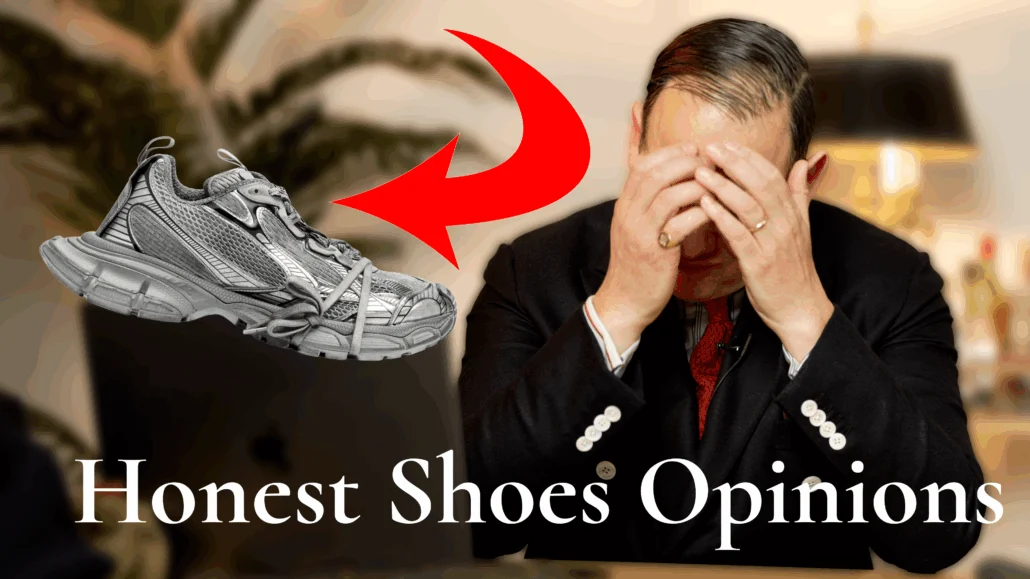
In an increasingly image-conscious society, the choice of footwear transcends mere functionality, serving as a powerful, albeit silent, communicator of an individual’s personal brand, sartorial understanding, and even their respect for occasion. A recent comprehensive analysis conducted by a panel of leading sartorial experts has meticulously ranked 20 iconic shoe styles, aiming to provide clarity on navigating the often-complex landscape between classic elegance and ephemeral fashion fads. This initiative underscores the notion that footwear is not just an accessory but a foundational element of a well-considered wardrobe, capable of elevating or undermining an entire ensemble. The panel’s findings categorise common and uncommon footwear styles, providing a roadmap for consumers to distinguish between a wise sartorial investment and a "garbage bin" mistake, ultimately emphasizing the importance of informed purchasing decisions rooted in timelessness and versatility.
The expert panel’s methodology involved a multi-faceted assessment, considering historical significance, versatility, inherent formality, quality of craftsmanship, and resilience against fleeting trends. The styles were subsequently categorized into three distinct tiers: "The Foundation," representing indispensable classics for a permanent wardrobe; "Function Over Fashion," acknowledging styles with specific utility that warrant careful integration; and "Trends to Avoid at All Costs," highlighting footwear choices deemed sartorially detrimental or indicative of a lack of timeless discernment. This framework serves as an invaluable guide for consumers seeking to make informed purchasing decisions, emphasizing longevity and enduring appeal over transient popularity.
The Historical Tapestry of Footwear: A Chronology of Style and Significance
To fully appreciate the expert rankings, it is essential to contextualize the evolution of these footwear styles. The history of shoes is intertwined with human civilization, reflecting advancements in technology, shifts in social norms, and the perennial interplay between utility and aesthetics. Understanding this chronology provides crucial background context for why certain styles have achieved enduring classic status while others remain confined to specific historical moments or subcultures.
- Early Beginnings (Pre-19th Century): Footwear initially served purely protective purposes. Sandals, moccasins, and basic leather coverings predominated across cultures. The concept of distinct "dress shoes" began to emerge in aristocratic circles, with bespoke shoemaking becoming a highly specialized craft. Styles like early forms of buckles shoes and low-cut slippers marked the nascent stages of sartorial differentiation, often reflecting social status through ornamentation and material quality.
- The 19th Century: Industrialization and Formalization: The Victorian era witnessed a significant formalization of menswear, and footwear followed suit. The Oxford shoe, originating in Scotland and Ireland before gaining prominence at Oxford University, became the quintessential formal shoe. Its closed lacing system was seen as sleek and refined, aligning with the era’s preference for clean lines and understated elegance. Simultaneously, the Derby shoe, with its open lacing, offered a slightly more relaxed, though still elegant, alternative, initially popular for sporting and hunting activities. The advent of industrialization began to mechanize parts of the shoemaking process, making footwear more accessible, though high-quality dress shoes remained a luxury item, crafted by skilled artisans.
- Early 20th Century: Diversity and Specialization: The early 1900s saw an expansion of styles and their societal integration. Loafers, inspired by moccasins and worn by Norwegian fishermen, began their journey from casual house shoes to a staple of smart casual wear, particularly in America, embodying a new era of relaxed sophistication. The Monk Strap, with its unique buckle closure, gained traction as a distinctive alternative to laced shoes, tracing its lineage back to European monks who sought more robust footwear than sandals for their daily work. Boots, particularly the sleek Chelsea boot, rose to prominence in the mid-century, favored by everyone from Queen Victoria to The Beatles for their clean lines and slip-on convenience. Athletic footwear also started its distinct trajectory, with companies like Converse popularizing canvas sneakers for sports, laying the groundwork for the modern sneaker culture.
- Mid-20th Century: Cultural Icons and Subcultural Statements: The post-war era injected new cultural significance into footwear. The Dr. Martens boot, originally an orthopedic shoe, was adopted by various subcultures—skinheads, punks, goths—becoming a powerful symbol of rebellion and working-class identity. Chuck Taylor All Stars, initially designed for basketball, transcended their athletic origins to become a universal symbol of casual cool and youth culture. This period highlighted footwear’s capacity to communicate affiliation, defiance, and a sense of belonging within specific social groups.
- Late 20th Century to Present: Globalization and Rapid Trends: The late 20th and early 21st centuries have been characterized by globalization, accelerated fashion cycles, and the meteoric rise of sneaker culture. Luxury brands entered the sneaker market, blurring the lines between casual and high fashion. Social media platforms now amplify trends at an unprecedented pace, leading to rapid adoption and equally rapid obsolescence for many styles. This context makes the expert panel’s guidance on "fleeting trends" particularly relevant, as consumers are constantly bombarded with new, often short-lived, styles, making discerning choices more challenging than ever before.
Supporting Data: The Footwear Market and Consumer Psychology
The global footwear market is a colossal industry, projected to exceed $400 billion by 2027, driven by factors such as population growth, rising disposable incomes, and the pervasive influence of fashion trends and digital marketing. Within this vast market, distinct segments operate with varying dynamics and consumer motivations:
- Luxury Footwear: This segment, though smaller in volume, commands significant value due to high-quality materials, artisanal craftsmanship, and brand prestige. Consumers in this category prioritize durability, timeless design, and investment pieces, often viewing luxury shoes as status symbols or heirlooms. According to market intelligence reports from firms like Statista and Allied Market Research, the luxury footwear sector demonstrates resilience even during economic downturns, as discerning consumers continue to invest in enduring quality and brand heritage.
- Dress Shoes: While the casualization of workplaces has impacted the daily wear of traditional dress shoes, demand for them remains strong for formal occasions, business settings, and as a marker of sophistication. Sales data indicates a consistent preference for classic styles like Oxfords and Derbies, which are perceived as safe and elegant investments that convey professionalism and respect. This segment is characterized by slower trend cycles and a focus on craftsmanship.
- Casual and Athletic Footwear: This is the largest and fastest-growing segment, fueled by the athleisure trend, comfort-seeking behaviors, and the blurring of lines between activewear and everyday clothing. However, it is also the segment most susceptible to rapid trend cycles, where "it" shoes can surge in popularity due to celebrity endorsements or viral social media campaigns and then quickly fade. This segment often relies on high volume, lower price points, and aggressive marketing.
- Sustainability Concerns: A growing number of consumers are considering the environmental and ethical impact of their purchases. The fast fashion model, prevalent in some casual footwear segments, often relies on synthetic materials, rapid production, and exploitative labor practices, contributing significantly to waste and pollution. This has led to an increased interest in brands focusing on sustainable practices, durable materials, and timeless designs that reduce the need for constant replacement, reflecting a broader shift in consumer values.
Beyond market statistics, the psychological impact of footwear choices is well-documented. Dr. Jennifer Baumgartner, a clinical psychologist and author of "You Are What You Wear," posits that shoes are often the first item people notice and can reveal a great deal about a person’s personality, attention to detail, and even their financial standing. A study published in the Journal of Research in Personality in 2012 further supported this, suggesting that people can accurately judge a stranger’s age, gender, income, and even personality traits (like agreeableness or conscientiousness) simply by looking at their shoes. This reinforces the panel’s assertion that footwear is a "silent communicator," making intentional choices paramount for personal and professional presentation.
Expert Categorization: A Roadmap for Intentional Footwear Investment
The panel’s categorization provides a clear framework for building a versatile and sophisticated shoe collection, guiding consumers towards choices that stand the test of time and suit various occasions.
I. The Foundation: Pillars of a Permanent Wardrobe
These are the indispensable classics, the bedrock upon which any discerning gentleman’s wardrobe is built. Investing in high-quality versions of these styles is paramount, as they offer unparalleled versatility and enduring elegance, making them true sartorial investments.
- The Oxford Shoe: Universally acknowledged as the apex of formal footwear. Characterized by its "closed lacing" system, where the vamp (the front part of the shoe) is sewn over the quarters (the side parts), creating a sleek, clean silhouette. This design contributes to its inherently formal aesthetic.
- Perception: Projects refinement, professionalism, and unwavering adherence to traditional elegance. Ideal for business meetings, formal events, and any occasion demanding a sharp, polished appearance. A well-maintained pair signals meticulous attention to detail.
- Variations: Cap-toe Oxford (most common and versatile), Wholecut Oxford (made from a single piece of leather, signifying extreme craftsmanship and luxury), Plain-toe Oxford, Balmoral Oxford (featuring distinct leather panels).
- Historical Context: Evolved from the Oxonian boot worn at Oxford University in the 19th century, becoming a symbol of academic and aristocratic sophistication.
- The Derby Shoe (Blucher): A versatile cousin to the Oxford, distinguished by its "open lacing" system, where the quarters are sewn on top of the vamp. This construction allows for a wider opening, making it generally more comfortable and slightly less formal than an Oxford.
- Perception: Suggests flexibility and an approachable sense of style. Slightly less formal than an Oxford but incredibly adaptable, suitable for smart casual, business casual, and even some less formal suit combinations. Its versatility makes it a wardrobe workhorse.
- Variations: Plain-toe Derby, Cap-toe Derby, Wingtip Derby (brogued, further reducing formality).
- Historical Context: Believed to have originated in the early 19th century, gaining popularity as a comfortable alternative for sporting and hunting, particularly amongst Prussian Field Marshal Gebhard Leberecht von Blücher, after whom it is also named in some regions.
- The Loafer: A slip-on shoe without laces, known for its comfort and ease of wear. Its evolution from a purely casual shoe to a more versatile option highlights shifts in menswear formality.
- Perception: Conveys practicality, laid-back sophistication, and confidence. Depending on the style and material, it can range from very casual to relatively formal, making it adaptable to various social settings.
- Variations: Penny Loafer (classic American preppy style), Tassel Loafer (adds a touch of flair and formality), Horsebit Loafer (Gucci’s iconic contribution, elevating it to luxury status), Belgian Loafer (known for its refined, often velvet, construction).
- Historical Context: Traced back to early moccasins and adapted by Norwegian shoemakers in the 1930s. Gained widespread popularity in the US as a casual yet smart shoe, particularly in collegiate settings, becoming a symbol of effortless style.
- The Monk Strap Shoe: A distinctive lace-less dress shoe secured by one or more buckles and straps, offering a unique aesthetic.
- Perception: Signals individuality, boldness, and a discerning taste for unique details. It’s a statement shoe for those confident enough to stand out from the traditional Oxford/Derby dichotomy, suggesting a wearer who is both decisive and inventive.
- Variations: Single Monk Strap, Double Monk Strap (more common and impactful, often seen as more fashion-forward), Triple Monk Strap (rarer and more avant-garde).
- Historical Context: Its origins are believed to be in the footwear worn by European monks in the 15th century, who needed more protective and durable shoes than traditional sandals for their daily labors. Modern versions emerged in the 20th century as a stylish alternative to laced shoes.
- The Brogue (Wingtips are a type of Brogue): Shoes characterized by decorative perforations (broguing) along the edges of the leather panels. The amount and pattern of broguing influence the shoe’s formality.
- Perception: Projects sartorial confidence, an appreciation for classic menswear, and an eye for intricate detailing. The more broguing, the less formal the shoe typically is, offering a balance between elegance and character.
- Variations: Full Brogue (Wingtips, most broguing, U-shaped toe cap, ideal for country wear or smart casual), Semi-Brogue (straight toe cap with perforations, more formal than a full brogue), Quarter Brogue (minimal broguing, just along the toe cap seam, suitable for business environments), Longwing Brogue.
- Historical Context: Originated in Scotland and Ireland as outdoor shoes for country wear, designed with perforations to allow water to drain out when walking through bogs. Over time, the perforations became purely decorative and integrated into dress shoes, losing their functional purpose but gaining aesthetic appeal.
- The Dress Boot (e.g., Chelsea Boot): A sleek, ankle-high boot, typically with elastic side