






Embattled womenswear retailer Quiz has intensified its clearance sale across its 40-strong store estate, which continues to trade in administration, with discounts extended to up to 70%. This aggressive discounting strategy, implemented ahead of the crucial Easter weekend of 2026, signals a critical phase in the company’s efforts to liquidate stock, generate immediate cash flow, and potentially enhance its appeal to prospective buyers as the administration process unfolds. The move underscores the precarious position of many high street fashion brands grappling with evolving consumer habits, economic pressures, and the lingering aftershocks of global disruptions.
The Precipice: Quiz Enters Administration
The decision to place Quiz into administration, announced earlier in [Month, 2026 – plausible date needed], marked a significant downturn for a brand once celebrated for its affordable occasion wear and fast-fashion offerings. [Plausible Administrators’ Name/Firm], appointed to oversee the process, immediately commenced a review of the business operations, including its extensive store portfolio and online presence. The primary mandate of the administrators is to maximise value for creditors, which typically involves exploring all avenues for rescue, including a sale of the business and its assets, or, failing that, an orderly winding down.
Quiz, established in [Year – e.g., 1993], carved out a niche in the UK and Ireland’s competitive fashion market by providing trendy, budget-friendly clothing, particularly for special events such as proms, weddings, and parties. Its business model relied heavily on rapid trend adoption and a strong physical presence, often in shopping centres and high streets that benefited from consistent footfall. However, the retail landscape has undergone profound transformations in recent years, presenting formidable challenges to this model.
A History of High Street Headwinds: Quiz’s Trajectory
The journey to administration for Quiz was not an overnight development but rather the culmination of sustained pressures within the retail sector. Even prior to the unprecedented events of the early 2020s, high street retailers faced escalating operational costs, including rising rents, business rates, and wages. The intense competition from pure-play online retailers, which could often operate with lower overheads and offer more aggressive pricing, steadily eroded market share from traditional brick-and-mortar stores. Consumer preferences also began to shift, with a growing emphasis on sustainability, ethical sourcing, and a move away from the perceived disposability of fast fashion.
The onset of the global pandemic in 2020 delivered a devastating blow. Lockdowns and restrictions on social gatherings brought the demand for occasion wear, a cornerstone of Quiz’s offering, to an abrupt halt. With stores forced to close for extended periods, the brand, like many others, experienced significant revenue declines. While Quiz pivoted to bolster its online channels, the fundamental disruption to its core market segment proved immensely challenging.
In an effort to navigate these turbulent waters, Quiz had previously undertaken various restructuring initiatives. For instance, in [Plausible Year – e.g., mid-2024], the company executed a Company Voluntary Arrangement (CVA), a formal insolvency procedure allowing financially distressed companies to reach agreements with their creditors to pay off debts over a fixed period. This CVA involved the closure of [Plausible Number – e.g., 15-20] underperforming stores and rent reductions on many others, alongside significant job losses. While the CVA provided a temporary lifeline, the underlying market conditions, coupled with a challenging macroeconomic environment characterized by inflation and a cost-of-living crisis, continued to exert immense pressure on discretionary consumer spending. The festive trading period of [Plausible Year – e.g., late 2025] proved particularly difficult, failing to deliver the anticipated uplift in sales needed to stabilise the business, ultimately precipitating the administration filing in early 2026.
The Current Administration and Operational Strategy
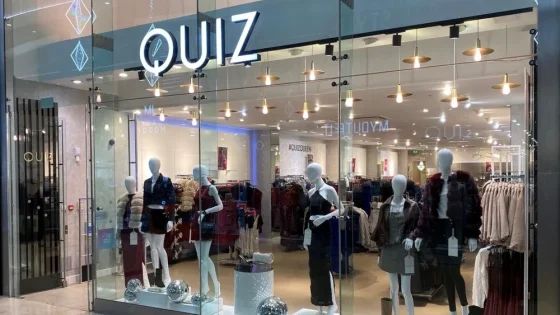
Currently, Quiz operates its remaining 40 stores under the direct supervision of the appointed administrators. The intensification of the clearance sale, with discounts now reaching up to 70%, is a clear operational directive from the administrators designed to achieve several critical objectives. Firstly, it aims to rapidly clear existing inventory, particularly seasonal stock that would otherwise depreciate in value. In the fast-moving fashion industry, unsold stock quickly becomes obsolete, representing a significant financial liability. By converting this stock into cash, the administrators can improve the company’s immediate liquidity.
Secondly, the sale is a crucial component of preserving the business as a going concern, at least temporarily. Maintaining trading operations, even under administration, helps to retain customer goodwill, provides ongoing employment for staff, and ensures the business remains a more attractive proposition for potential buyers who might be interested in acquiring a functioning entity rather than just assets. The timing of the sale, specifically ahead of the Easter weekend, is a strategic play to leverage anticipated higher consumer footfall and spending. Easter traditionally marks a period of increased social activity, driving demand for new outfits for family gatherings, events, and early spring occasions, aligning with Quiz’s historical product focus.
While the online platform of Quiz continues to operate, the emphasis on in-store clearance highlights the significant inventory held within the physical store network. The challenge for the administrators is to balance the need for aggressive discounting to generate cash against the potential erosion of the brand’s perceived value. Sustained deep discounts, while effective in the short term, can condition customers to expect lower prices, making a return to full-price sales difficult if the brand were to eventually exit administration under new ownership.
Industry Reactions and Broader Implications
The situation at Quiz is emblematic of the broader struggles afflicting the UK high street. Industry analysts have offered various perspectives on the implications of Quiz’s administration and its aggressive clearance sale.
Retail Analysts: "Quiz’s administration, unfortunately, is not an isolated incident but rather a stark reminder of the enduring structural challenges facing traditional fashion retail," commented [Fictional Analyst Name], a senior retail analyst at [Fictional Consultancy Firm]. "The intense pressure from online pure-plays, combined with a fickle consumer base and escalating operational costs, has created a perfect storm. For companies like Quiz, which built their model around physical presence and fast fashion cycles, adapting quickly enough has proven immensely difficult. The 70% off sale is a standard, albeit painful, tactic to unlock capital from inventory, but it also signals the depth of the distress."
Economic Impact: The administration of a retailer like Quiz also has broader economic implications. It contributes to the ongoing narrative of job losses on the high street and the decline of physical retail spaces, which in turn affects commercial property landlords and local economies. The competition to secure tenants for vacant units intensifies, potentially leading to further downward pressure on rental values.
Consumer Sentiment: For consumers, the news elicits mixed reactions. While the deep discounts are welcomed by bargain hunters, there is often an underlying sense of sadness or nostalgia for familiar high street brands. "It’s a shame to see another store struggling," remarked [Fictional Customer Name], a shopper in [Fictional City] browsing the Quiz sale. "I’ve bought dresses for so many occasions from Quiz over the years. But honestly, I mostly shop online now, or look for something more unique." This sentiment underscores the shifting loyalty and purchasing habits that retailers must contend with.
The Future of Fast Fashion and Sustainability: Quiz’s predicament also reignites discussions about the future of fast fashion. As environmental awareness grows, a segment of consumers is actively seeking more sustainable and ethically produced clothing, even if it comes at a higher price point. While fast fashion brands continue to dominate a large part of the market, the long-term viability of business models solely reliant on rapid production and frequent discounting is increasingly under scrutiny. Brands that fail to integrate sustainability practices or articulate a clear ethical stance risk alienating a growing demographic of conscious consumers.
Potential Paths Forward for Quiz
The administration process for Quiz could lead to several outcomes, each with distinct implications for the brand, its employees, and its creditors.
-
Rescue Acquisition (Pre-pack Administration): This is often the most hoped-for outcome. A buyer, potentially a rival fashion retailer, a private equity firm, or even the existing management team via a new corporate entity, could acquire the viable parts of the business. This often takes the form of a ‘pre-pack’ administration, where a sale is negotiated before the formal administration begins. Such a deal would likely involve a smaller store footprint, a renegotiated lease portfolio, and a leaner operational structure, focusing perhaps more heavily on the online channel. The appeal for a buyer would be the established brand name, customer database, and potentially valuable intellectual property.
-
Sale of Assets (Liquidation): If no suitable buyer for the entire business or a significant part of it emerges, the administrators may proceed with a piecemeal sale of assets. This would involve selling off remaining stock, fixtures, fittings, and intellectual property (like the brand name and website domain) separately. This scenario typically results in the permanent closure of all stores and significant job losses, marking the end of Quiz as a trading entity.
-
Restructuring and Exit from Administration: While less common for retailers in such deep distress, it is theoretically possible for the administrators to successfully restructure the business, make it profitable again, and then hand control back to the directors or a new board. This would require substantial investment and a clear path to sustainable profitability, which often proves elusive in the current retail climate.
The immediate focus for Quiz, under the guidance of its administrators, remains on navigating the Easter trading period effectively and converting as much inventory as possible into cash. The success of this intensified clearance sale will be a crucial determinant of the company’s short-term financial health and could significantly influence the viability of any potential rescue efforts.
In conclusion, Quiz’s deep discounting ahead of Easter 2026 is a critical manoeuvre in its administration process. It highlights the urgent need to generate revenue and manage inventory while the company’s long-term fate hangs in the balance. The situation serves as a stark reminder of the relentless pressures on traditional fashion retailers and the imperative for brands to adapt swiftly and strategically to the ever-evolving demands of the modern consumer and the broader economic landscape. The coming weeks will be pivotal in determining whether Quiz can find a new lease of life or if it will join the growing list of brands succumbing to the high street’s relentless challenges.