




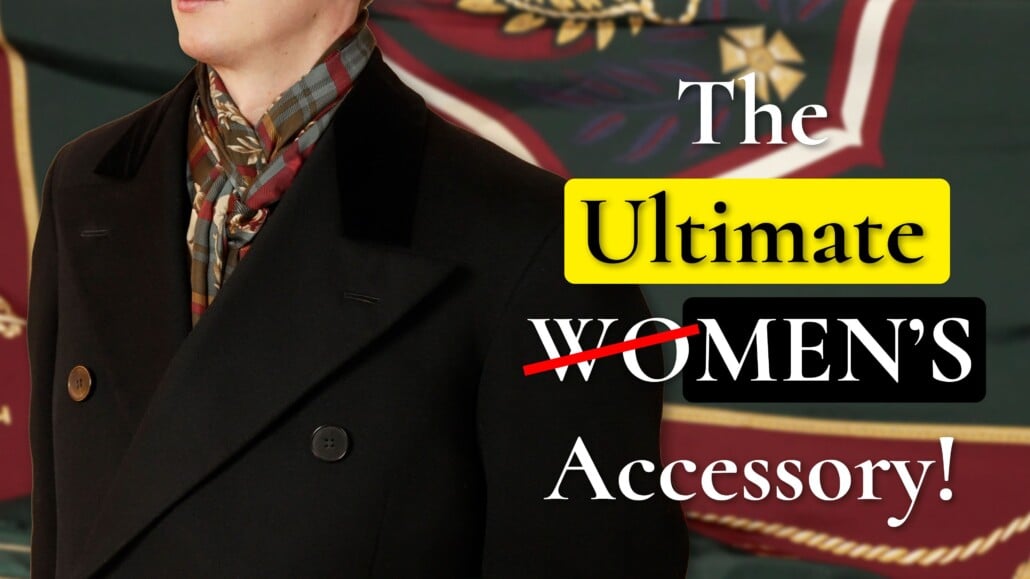
Silk scarves, long considered a niche or exclusively feminine accessory by some, are experiencing a significant resurgence in menswear, positioning themselves as an unexpectedly versatile and sophisticated addition to the contemporary gentleman’s wardrobe. Far from being merely decorative, these elegant accoutrements offer a unique blend of practicality and panache, providing warmth, injecting color, and adding character without the bulk of a heavy winter scarf or the inherent formality of a traditional necktie. The prevailing question among sartorially inclined men is no longer whether they can wear silk scarves, but rather how to select and style them to achieve a balanced, classic, and naturally integrated look.
A Rich Tapestry: The Historical Journey of the Scarf in Menswear
The concept of neckwear for men dates back millennia, with evidence suggesting its use in ancient civilizations for both utility and status. Roman soldiers wore focale to protect their necks from chafing and cold, while the Chinese Terracotta Army figures depict warriors with neck cloths. However, the silk scarf’s direct lineage in Western menswear can be traced more explicitly to the 17th century. Croatian mercenaries, serving in France during the Thirty Years’ War, sported distinctive pieces of cloth around their necks. These "cravats," as they became known, captivated the French court, quickly evolving into a symbol of aristocratic elegance and a precursor to the modern tie.

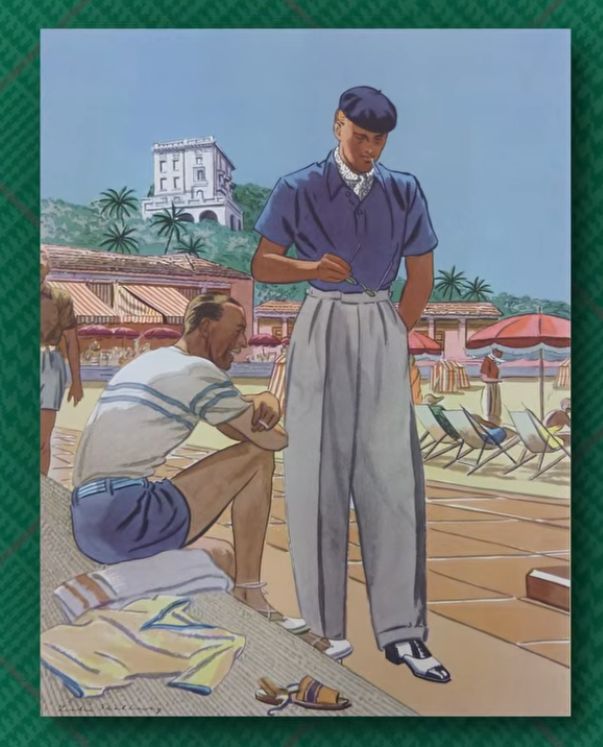
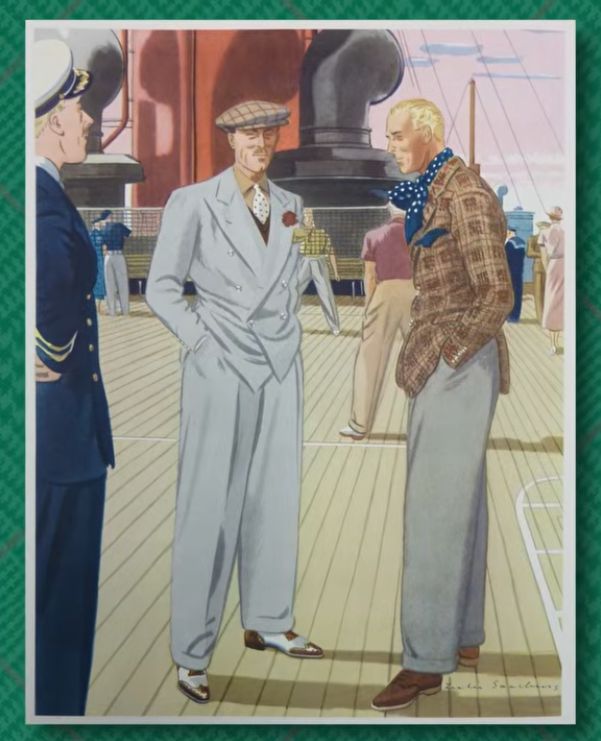
Throughout the 18th and 19th centuries, the cravat and its variations remained a cornerstone of masculine attire, with intricate tying methods signaling social standing and sartorial prowess. Figures like Beau Brummell, the quintessential dandy, elevated neckwear to an art form. By the early 20th century, as men’s fashion began to streamline, the silk scarf found new applications. Aviators wore them to protect their necks from the elements in open cockpits, while early automobile enthusiasts adopted them for similar reasons, cementing their association with adventurous spirit and a certain rakish charm. Hollywood icons such as Cary Grant and Steve McQueen frequently embraced silk scarves, lending them an air of effortless cool and refined masculinity, further popularizing them in casual and resort wear. The rock-and-roll era saw figures like Mick Jagger and Jimi Hendrix incorporating silk scarves, often in vibrant patterns, as a statement of rebellion and artistic flair, expanding their stylistic versatility beyond traditional elegance. This rich chronology underscores the scarf’s enduring adaptability and its capacity to transcend fleeting trends, continuously reinventing its role in men’s fashion.
The Inherent Advantages of Silk: A Fabric Beyond Compare
At the heart of the silk scarf’s appeal lies the remarkable natural fiber itself. Silk, derived from the cocoons of silkworms, boasts a unique combination of properties that make it ideally suited for sophisticated neckwear:
- Luxurious Feel and Drape: Silk is renowned for its unparalleled softness and smooth texture, which feels gentle against the skin. Its natural elasticity allows it to drape fluidly, conforming elegantly around the neck without stiffness or excessive bulk, a quality unmatched by many other fibers.
- Thermo-regulating Properties: Often misunderstood, silk is a natural thermo-regulator. It provides warmth in cooler conditions by trapping a layer of air close to the skin, yet it remains breathable and wicks moisture away in warmer weather, preventing overheating. This makes it an ideal accessory for transitional seasons like spring and autumn, where temperature fluctuations are common.
- Vibrant Color Absorption: Silk fibers readily absorb dyes, allowing for an extraordinary depth and richness of color, as well as the reproduction of intricate, high-definition patterns. This makes silk scarves perfect for introducing visual interest and a subtle pop of color to an otherwise understated outfit.
- Durability and Longevity: Despite its delicate appearance, silk is one of the strongest natural fibers. A well-maintained silk scarf can last for decades, becoming a cherished heirloom. Its inherent resilience contributes to its value as a long-term wardrobe investment.
- Hypoallergenic Qualities: Silk is naturally hypoallergenic, making it a comfortable choice for individuals with sensitive skin or allergies.
These intrinsic qualities explain why silk scarves offer something distinct from both the structured formality of a necktie and the utilitarian heft of a heavier wool or cashmere winter scarf. They soften an outfit, add visual interest, and provide light warmth with minimal bulk, positioning them as a sophisticated alternative for a myriad of occasions.
Strategic Selection: Choosing the Right Silk Scarf
The secret to successfully integrating a silk scarf into menswear lies in discerning selection. The goal is to choose a piece that complements rather than overpowers the existing wardrobe, ensuring a cohesive and elevated aesthetic.
-
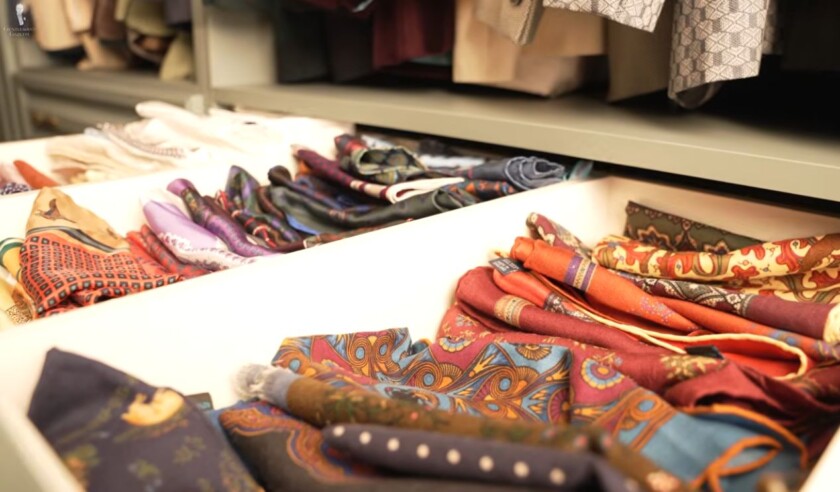
Color and Pattern: The Art of Subtlety: While silk’s ability to hold vibrant colors is a major asset, for menswear, restraint often yields the most elegant results. Fashion commentators frequently advise opting for muted tones such as deep blues, forest greens, burgundy, olive, or various shades of brown and beige. These colors blend seamlessly with classic menswear palettes. When it comes to patterns, avoid overly saturated or neon hues that can detract from sophistication. Instead, gravitate towards classic motifs that have a timeless appeal.
- Paisley: A perennial favorite, its intricate, swirling teardrop design offers rich visual texture and a touch of exoticism without being ostentatious.
- Geometric Designs: Think subtle checks, diamonds, or abstract patterns that provide structure and visual interest.
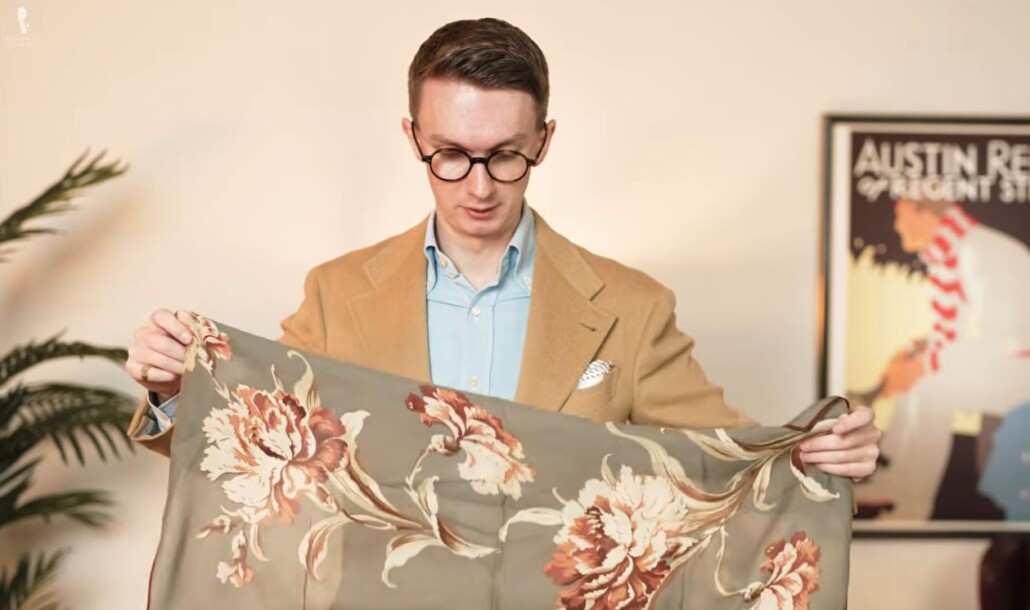
- Subtle Florals: Large, understated floral prints, particularly in subdued colorways, can read as masculine and artistic.
- Equestrian or Archival Motifs: Brands with a heritage often feature motifs inspired by their archives, such as horse bits, chains, or crests, which add a sophisticated narrative.
- Western-inspired: Bandana-style patterns or those reminiscent of cowboy neckerchiefs can offer a rugged yet refined edge when rendered in silk.
The key is to ensure the pattern, once folded and tied, reveals enough of its design to be interesting without becoming chaotic. Comparing several scarves side-by-side can help in discerning which colors and motifs offer the most versatility and blend harmoniously with one’s existing attire.
-
Size Matters: Proportionality and Versatility: Silk scarves come in various dimensions, and the size significantly impacts styling options and overall visual effect.
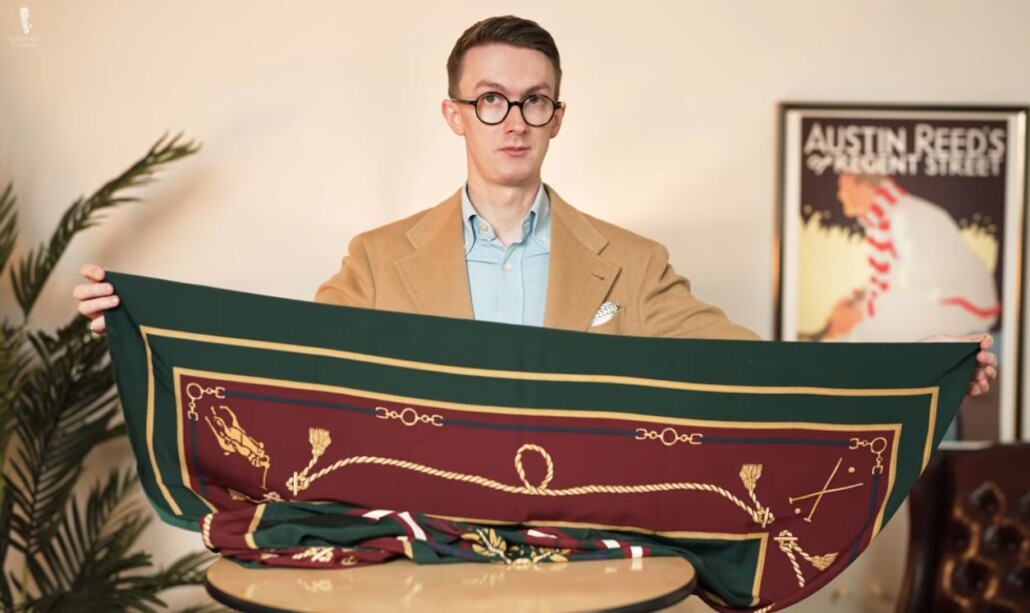
- Large Squares (e.g., 90×90 cm or 36×36 inches): These offer the most flexibility for drapes, knots, and under-the-collar styling. They are generally recommended for beginners as their generous fabric allows for easier manipulation and more forgiving knots. They can provide more warmth and create a bolder statement.
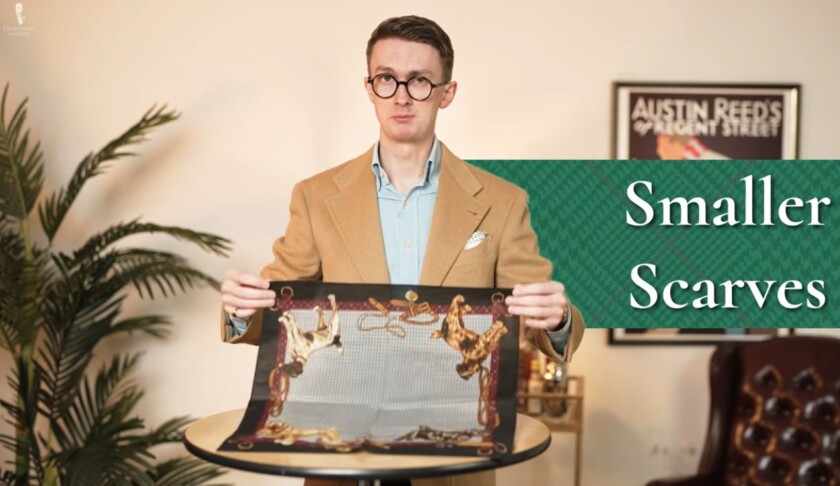
- Small Squares (e.g., 60×60 cm or 24×24 inches): These are ideal for neater, more restrained styling, such as an ascot or a puff knot tucked into an open shirt collar. They offer a subtle accent rather than a prominent feature.
- Oblong or Rectangular Scarves: These are less common in pure silk but exist. They typically offer straightforward styling methods similar to traditional winter scarves, making them an easy bridge for those accustomed to classic scarf wear.
Mastering the Art of Adornment: Styling Techniques
A significant part of the silk scarf’s appeal lies in its myriad styling possibilities. However, not every knot or drape works equally well with every scarf size or outfit. Understanding the interplay between scarf dimensions and knot styles is crucial.
-
Best Knots for Large Scarves: These offer the greatest versatility for creating various looks, from casual to elegantly refined.
- The Simple Drape: The most straightforward method, simply draping the scarf over the neck, allowing the ends to hang loosely. It offers an effortless, elegant look, particularly effective with open shirts or under a sport coat.
- The French Knot (or Cowboy Knot): Fold the large square into a triangle, then roll it from the pointed end towards the base, forming a band. Place it around your neck, bringing the ends to the front and tying a simple knot, letting the ends hang or tucking them into a shirt. This is a classic, versatile choice.
- The Once-Around Knot: Fold the scarf into a band, wrap it once around the neck, and let the ends hang down the front. This provides more warmth and a slightly more substantial look.
- Under-the-Collar Tuck: Folded into a band, worn around the neck and tucked neatly under an open shirt collar, allowing only a hint of the pattern or color to peek out. This is a subtle yet impactful way to add detail.
-
Best Knots for Small Scarves: With less fabric, these scarves lend themselves to neater, more compact styling.
- The Asco t Knot: Fold the square into a band, place it around the neck, cross one end over the other, and bring it up through the loop from underneath. Adjust for a clean, elegant knot that sits snugly at the throat. Ideal for open-collared shirts, offering a sophisticated alternative to a tie.
- The Puff Knot: Similar to the ascot, but instead of tying, the ends are gathered and tucked into the shirt, creating a voluminous "puff" at the neck. This works well with more relaxed, unbuttoned shirts.
- The Neckerchief: Simply fold into a triangle or band and tie loosely around the neck, often with the knot slightly off-center. This offers a more casual, youthful, and artistic vibe.
-
Best Knots for Standard Oblong Scarves: While the focus is often on squares, if your silk scarf is oblong, it can be styled using familiar methods.
- The Parisian Knot: Fold the scarf in half lengthwise, drape it around the neck, and pull the loose ends through the loop created by the fold. Simple, elegant, and effective for adding warmth and style.
- The Simple Wrap: Drape the scarf around the neck, allowing one end to be longer than the other. Wrap the longer end around the neck once or twice, letting both ends hang freely. This is practical and stylish, especially with outerwear.
The overarching lesson in styling is clarity and intention: larger scarves offer broad versatility, smaller scarves excel with precise, clean knots, and oblong silks bridge the gap to traditional scarf wear. The goal is always to complement the outfit, never to overwhelm it.
Situational Elegance: When and Where to Wear a Silk Scarf
Silk scarves are particularly invaluable in scenarios where a tie feels overly formal, and a heavier scarf would be superfluous. They excel in transitional weather, offering a refined layer of warmth and style.
- Elevating Business Casual: A silk scarf can instantly elevate an open-collared shirt paired with a sport coat or blazer, injecting personality without the stiffness of a tie.
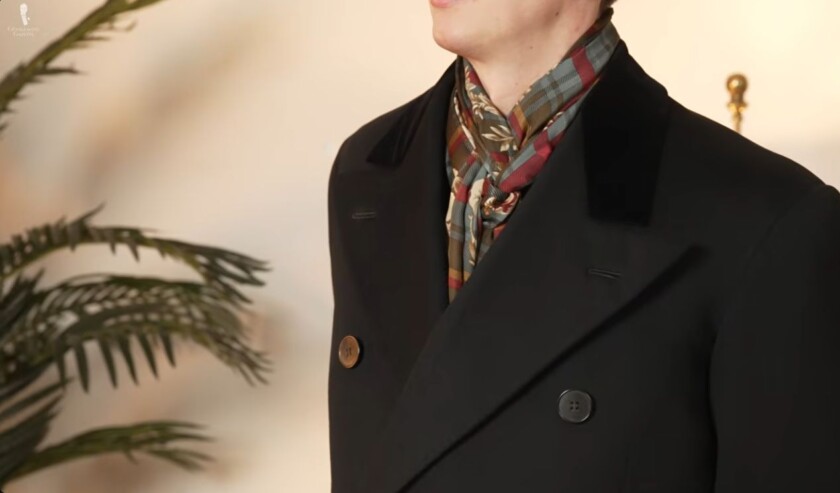
- Enhancing Outerwear: Worn with an overcoat, trench coat, or even a denim jacket, a silk scarf provides a layer of warmth and a sophisticated textural contrast without adding bulk. It can break up solid colors and add visual depth.
- Refining Resort Wear: Paired with linen shirts, lightweight trousers, or loafers, a silk scarf lends polish to relaxed resort attire, evoking a timeless, jet-set aesthetic.
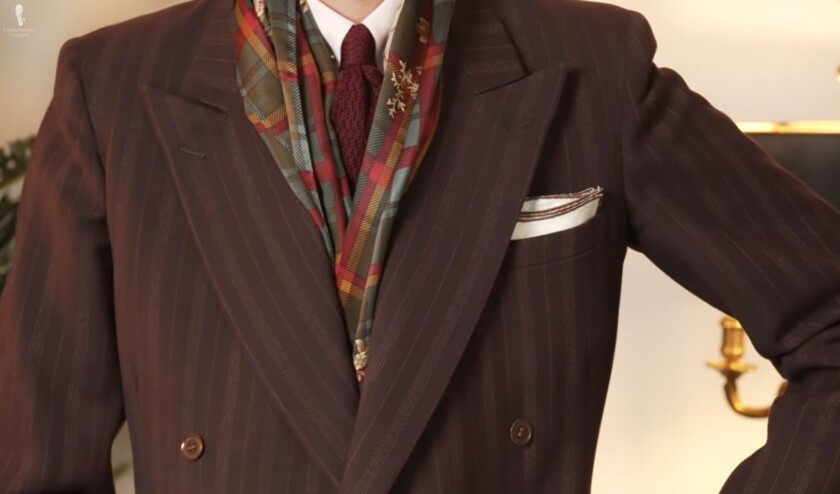
- With Suits and Tailoring: While not replacing a tie for formal occasions, a silk scarf can be worn with a suit and tie (often under the lapels) to add an extra layer of texture and color, or in place of a tie for a more relaxed yet polished suit look. It introduces an element of Sprezzatura – studied carelessness – to classic tailoring.
- Casual Wear: A silk scarf can transform a simple sweater, polo shirt, or even a t-shirt and denim into a more thoughtful and styled ensemble.
Beyond specific outfits, silk scarves offer an excellent avenue for men who already possess a robust collection of ties, pocket squares, and traditional scarves, providing a fresh dimension to their accessory rotation. The increasing visibility of silk scarves on runways, in street style photography, and in the collections of luxury menswear brands like Hermès, Drake’s, and E. Marinella, signals a broader industry recognition of their potential. Fashion analysts point to a growing trend towards more expressive and personalized menswear, where accessories like silk scarves play a crucial role in defining individual style without adhering to rigid conventions.
Broader Impact and Implications for Modern Menswear

The resurgence of the silk scarf in menswear reflects a broader evolution in how men approach personal style. It signifies a departure from strictly utilitarian or hyper-formal dressing towards a more nuanced, expressive, and comfort-driven aesthetic. The implications are manifold:
- Empowerment of Personal Expression: Silk scarves offer a canvas for individuality, allowing men to experiment with color, pattern, and texture in a way that traditional ties might not.
- Versatility in Wardrobe Building: They are truly multi-seasonal, adaptable across various dress codes, and can inject new life into existing garments, promoting a more sustainable approach to fashion.
- Challenging Gendered Perceptions: The increasing acceptance of silk scarves in menswear helps to dismantle outdated notions of gender-specific accessories, encouraging a more fluid and inclusive approach to dressing.
- Investment in Craftsmanship: High-quality silk scarves represent an investment in artisanal craftsmanship and luxurious materials, appealing to consumers who value quality and longevity over fast fashion.
In conclusion, silk scarves are undeniably one of the most underrated accessories in contemporary menswear. They possess a unique ability to impart warmth, personality, and refinement in a manner that feels inherently softer than a tie and significantly lighter than a traditional scarf. For men seeking to broaden their accessory horizons without deviating from the tenets of classic style, the silk scarf presents a compelling and elegant proposition. Its rich history, luxurious properties, and vast styling potential cement its place as a sophisticated and essential element of the modern gentleman’s wardrobe, deserving of renewed attention and appreciation.