










The contemporary professional landscape, characterized by the prevalence of hybrid work models and a gradual return to physical office spaces, has ushered in a nuanced approach to workplace attire. While the rigid sartorial codes of past decades have largely softened, the fundamental expectation for employees to present a "put-together" and "considered" image remains steadfast. Crucially, this evolution is now deeply intertwined with a growing consciousness around sustainability, prompting a significant shift in how professionals approach their workwear choices. This article, informed by rigorous brand assessments and a commitment to ethical consumption, aims to guide individuals in building a professional wardrobe that is both stylish and environmentally responsible.
The Evolving Workplace and Dress Codes
The concept of "office attire" has undergone a profound transformation over the last three decades. Gone are the days when a full suit and tie or a formal skirt suit were the ubiquitous uniform across nearly all industries. As of 2026, flexibility is the hallmark of many corporate dress codes, largely dictated by industry sector and company culture. For instance, professionals in finance or law may still gravitate towards traditional two-piece suits or business-casual ensembles, reflecting established norms of formality and trust. In contrast, those operating within creative studios, tech startups, or less formal sectors often find jeans, tailored trousers, and smart-casual shirts or blouses perfectly appropriate. Despite this divergence in specific dress codes, the underlying principle of appearing "sharp and considered" remains a universal requirement, underscoring the importance of quality and presentation in professional settings. This shift is not merely aesthetic; it reflects broader societal trends towards comfort, individuality, and a more integrated work-life identity, even as the lines between personal and professional style increasingly blur.
The Shadow of Fast Fashion: An Environmental Imperative
In the quest for affordable and readily available clothing, fast fashion brands have historically presented a seemingly "easy win." However, this initial allure masks a profound environmental and economic cost. Garments produced through fast fashion methodologies are notoriously prone to rapid degradation, often exhibiting poor quality and an ill-fitting silhouette due to the use of cheap, synthetic fabrics like polyester and corners cut in design and manufacturing processes. The implications of this are far-reaching. The global fashion industry is a significant contributor to pollution, accounting for an estimated 10% of global carbon emissions, more than all international flights and maritime shipping combined. A staggering 85% of all textiles go to landfills each year, with the average consumer now buying 60% more clothes than 15 years ago but keeping them for half as long.
- Unpacking the Environmental Cost: The reliance on virgin synthetic fibres, primarily derived from fossil fuels, contributes directly to greenhouse gas emissions at the production stage. Furthermore, these materials are a major source of microplastic pollution, shedding tiny plastic fibres into waterways with every wash, ultimately entering our food chain and ecosystems. The production of conventional cotton, another staple, is incredibly water-intensive, often requiring thousands of litres of water for a single t-shirt, frequently in regions already facing water scarcity. Dyeing and finishing processes also consume vast amounts of water and chemicals, leading to widespread water pollution.
- The Economic Illusion of Cheap Fashion: While the upfront cost of a fast fashion item might be low, its short lifespan translates to a poor "cost-per-wear" over time. Consumers are caught in a cycle of frequent purchases to replace quickly deteriorating items. In contrast, investing in items from more sustainable brands, despite their higher initial price point, typically offers superior quality, better craftsmanship, and greater durability. These garments are designed to last, often made from more robust and thoughtfully sourced materials, ensuring they remain a staple in a wardrobe for years, thereby offering a significantly better cost-per-wear and reducing overall consumption. This economic argument, increasingly recognized by savvy consumers, supports the overarching principle of "buy less, but better."
Building a Sustainable Professional Wardrobe
The cornerstone of a sustainable professional wardrobe is intentionality. It’s about making conscious choices that extend the life of clothing, minimize environmental impact, and support ethical production practices.
- The "Buy Less, Buy Better" Philosophy: This guiding principle advocates for a minimalist yet highly functional approach to clothing acquisition. By focusing on quality over quantity, consumers can curate a versatile wardrobe comprising fewer, but more durable and adaptable pieces. This often involves selecting a curated colour palette and investing in separates that can be effortlessly mixed and matched to create numerous outfits for various professional scenarios. A well-planned capsule wardrobe, for instance, maximizes the utility of each item, reducing the need for constant new purchases and combating the disposable culture fostered by fast fashion.
- The Power of Pre-Loved and Existing Collections: The most sustainable garment is arguably the one already owned. Before considering new purchases, a thorough review of one’s existing collection can often reveal hidden gems or overlooked combinations that can be revitalized. Beyond one’s own closet, the burgeoning market for pre-loved items offers a highly sustainable alternative to buying new. Platforms such as eBay, Vinted, Vestiaire Collective, and local consignment stores provide access to high-quality, often designer, garments at a fraction of their original price, extending their lifecycle and diverting them from landfills. This circular approach to fashion is gaining significant traction, with the global second-hand apparel market projected to reach $84 billion by 2030, a testament to evolving consumer values.
- When Buying New: The Good On You Standard: When the need to purchase new items arises, the focus shifts to supporting brands that demonstrate a genuine commitment to sustainability. Good On You, through its comprehensive rating system, assesses fashion and beauty brands’ impact on people, the planet, and animals. This rigorous evaluation process allows consumers to make informed choices, favouring brands that prioritize ethical labour practices, utilize eco-friendly materials, and implement responsible manufacturing processes. These brands, while often having a higher price point, represent an investment in both personal style and global well-being.
Fabric Foundations: Sustainable Choices for Office Attire
The choice of fabric is paramount in building a sustainable and functional workwear wardrobe. Materials not only dictate the garment’s aesthetic and drape but also its environmental footprint and longevity.
- The Pitfalls of Conventional Synthetics: As previously noted, conventional synthetic fabrics like polyester, while durable in some respects, are problematic. Their fossil fuel origins contribute to greenhouse gas emissions, and their non-biodegradable nature means they persist in landfills for centuries. More critically for daily wear, cheap synthetics often lack the breathability, comfort, and refined appearance of natural fibres. They can feel less luxurious, pill more easily, and degrade aesthetically over time, contributing to the perception of a "scruffy" appearance even after minimal wear.
- Championing Natural and Innovative Fibers: For office wear, a range of natural and innovative man-made cellulosic fibres offer superior performance and environmental credentials:
- Organic Cotton: Grown without harmful pesticides, synthetic fertilizers, or genetically modified organisms, organic cotton significantly reduces water pollution and biodiversity loss compared to conventional cotton. It offers excellent breathability, comfort, and durability, making it ideal for shirts, blouses, and structured separates that withstand repeated wear and washing.
- Linen: Derived from the flax plant, linen is celebrated for its strength, breathability, and elegant drape. It requires minimal water and pesticides to grow and is naturally biodegradable. Linen garments are perfect for warmer office environments or for adding a relaxed yet sophisticated touch, and they age beautifully, becoming softer with each wash.
- Hemp: Similar to linen, hemp is a highly sustainable crop, requiring little water and no pesticides. Its fibres are incredibly strong and durable, offering excellent breathability and UV resistance. Hemp fabrics soften over time and are naturally resistant to mould and mildew, making them a long-lasting and low-maintenance choice for professional attire.
- Recycled Wool: Utilizing post-consumer or post-industrial wool waste, recycled wool reduces the demand for virgin wool production and diverts textile waste from landfills. It retains the natural insulating and temperature-regulating properties of virgin wool, making it an excellent choice for blazers, trousers, and knitwear that perform well in varying office temperatures.
- Tencel Lyocell and Modal: These are brand names for lyocell and modal fibres, which are regenerated cellulosic fibres made from sustainably sourced wood pulp, typically eucalyptus or beech. The production process for Tencel Lyocell is particularly lauded for its closed-loop system, which recycles up to 99% of solvents and water, minimizing waste. These fibres offer exceptional softness, breathability, and drape, making them ideal for elegant dresses, skirts, and blouses that require a refined flow.
- Bamboo Viscose: While conventional bamboo viscose production can be chemical-intensive, lower-impact alternatives exist. Bamboo is a fast-growing, regenerative plant that requires little water. When processed responsibly, bamboo viscose can yield a luxuriously soft and breathable fabric, suitable for blouses and soft tailored pieces.
These fibres, when cared for correctly, not only maintain their aesthetic appeal but also offer superior comfort and temperature regulation, ensuring professionals remain comfortable whether the air-conditioning is blasting or the day is unseasonably warm. For a comprehensive resource, the "ultimate guide to materials" serves as an invaluable reference for identifying lower-impact fabrics.
Curated Selections for the Conscious Professional
Building a sustainable workwear collection involves selecting versatile pieces that align with both professional demands and ethical principles. The following examples highlight brands and items that exemplify these values, integrating style with responsible production.
-
Apparel for Every Office Aesthetic:
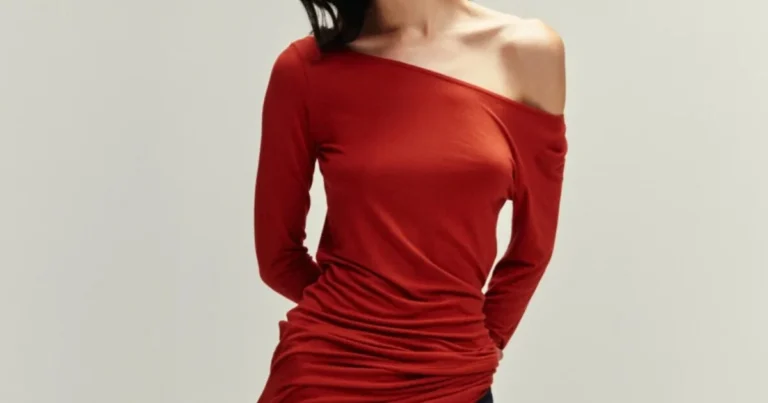
- Dresses and Tailored Pieces: The Whimsy + Row Ryan Dress offers a versatile foundation, often crafted from sustainable materials, demonstrating how a single piece can transition across various professional settings. For structured elegance, the Akyn Noor Blazer and WILDA.ECO Personalisable Blazer and Trousers exemplify investment in tailored separates, frequently utilizing organic or recycled materials for durability and style. Similarly, the E.L.V. Denim Jamie Blazer, made from upcycled denim, showcases innovative approaches to material reuse in formal wear.
- Shirts and Tops: Essential for any professional wardrobe, the Neem Comfort Shirt and Alchemist Masey Vest offer refined options, often prioritizing organic cotton or Tencel for breathability and a polished look.
- Knitwear: For layering and comfort, the Santicler Zoe Sweater and The Knotty Ones January Cardigan, often made from merino wool or cashmere, provide warmth and luxury with a focus on ethical sourcing and animal welfare.
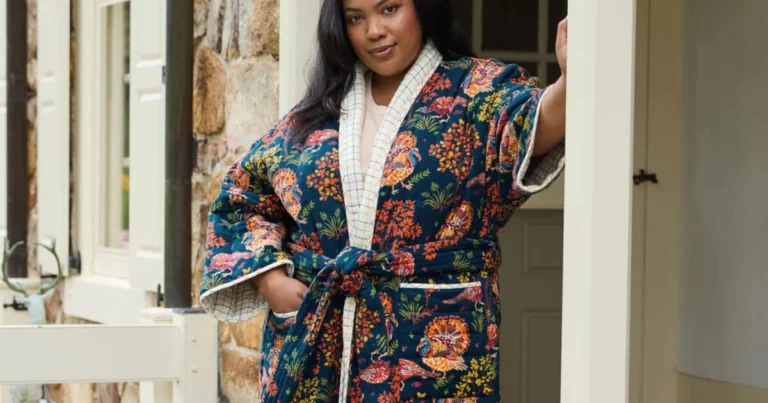
- Versatile Outerwear and Bottoms: The Knowledge Cotton Apparel @ Brothers We Stand Overshirt offers a smart-casual layering piece, while Artknit Studios Tailored Trousers with Pleats demonstrate that professional bottoms can be both stylish and sustainably produced, often using recycled wool or organic cotton blends. The Lanius Striped Midi Shirt Dress and Komodo India Vest provide further examples of sophisticated, responsibly made garments suitable for a range of professional environments.
-
Accessorizing with Purpose: Footwear, Bags, and More:
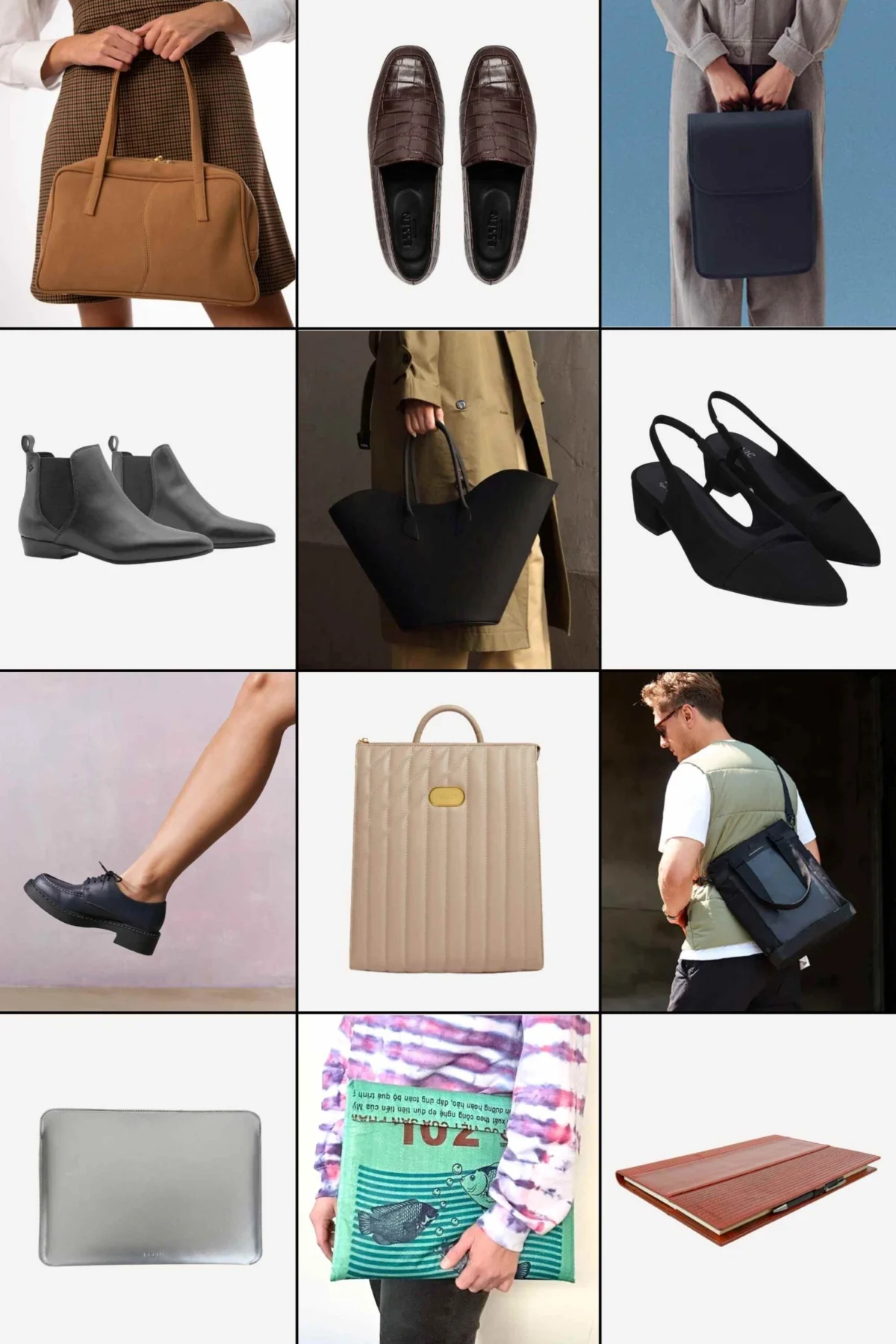
Sustainable accessorizing extends the conscious consumption ethos beyond clothing.- Bags: The Mashu Artemis Bag and ASK Scandinavia Willow Tote Bag often feature innovative vegan leathers or recycled materials, combining high fashion aesthetics with environmental responsibility. For functional and ethical carrying solutions, the Ucon Acrobatics Adina Backpack, LaBante Danai Vegan Backpack, and Groundtruth Rikr Vegan Laptop Bag prioritize recycled content and cruelty-free production.
- Footwear: Options like the ESSEN Modern Moccasin Shoes, COG Vegan Chelsea Boots, Nae Vegan Slingback Shoes, and Agazi Helen Vegan Loafers demonstrate that stylish and comfortable professional footwear can be crafted without animal products, utilizing sustainable alternatives to traditional leather.
- Laptop Sleeves and Notebooks: Even smaller office essentials can be chosen sustainably. The BEEN London Orton Vegan Laptop Sleeve and Torrain Padded Laptop Sleeve often use recycled materials. The Elvis & Kresse Firehose Notebook, made from decommissioned fire hoses, is an exemplary instance of upcycling, transforming waste into durable, functional items.
The Broader Impact: A Shift Towards Responsible Consumption
The growing demand for sustainable workwear is indicative of a broader societal shift towards responsible consumption. Consumers are increasingly aware of the ethical and environmental implications of their purchasing decisions, leading to a significant market trend. According to recent market analyses, the global sustainable fashion market is projected to grow substantially, driven by consumer awareness, regulatory pressures, and brand innovation. This shift has implications beyond individual wardrobes, influencing corporate social responsibility initiatives, supply chain transparency, and even policy-making. Brands that embrace sustainability are finding a competitive edge, while those that do not risk falling behind evolving consumer expectations. The collective impact of individual choices, when scaled, has the power to drive significant change across the fashion industry, fostering a more equitable and environmentally sound future.
Conclusion: A Call for Conscious Professionalism
The modern professional’s wardrobe is no longer merely a reflection of personal style or adherence to corporate norms; it is an extension of their values. By embracing the principles of "buy less, but better," prioritizing durable and ethically sourced materials, and actively seeking out brands committed to sustainability, individuals can cultivate a workwear collection that serves both their professional aspirations and their commitment to planetary well-being. This deliberate approach to fashion not only ensures a sharp and considered appearance but also contributes meaningfully to a more sustainable global economy, proving that professionalism and environmental responsibility are not mutually exclusive but, rather, inherently linked in the evolving world of work.