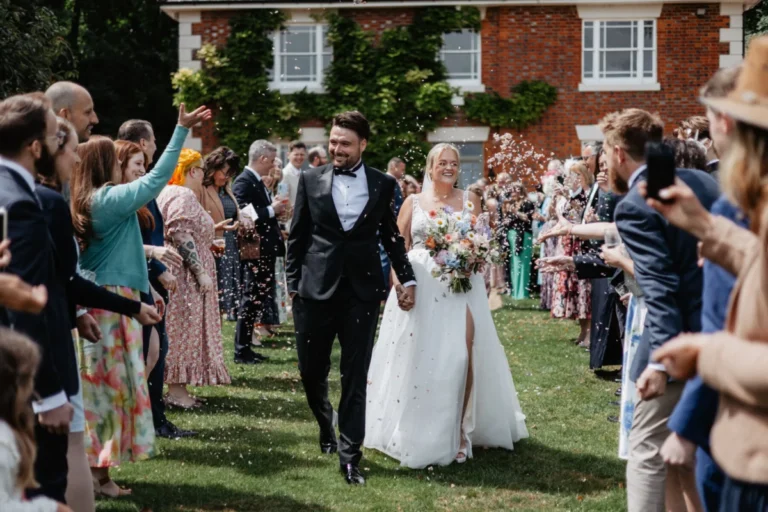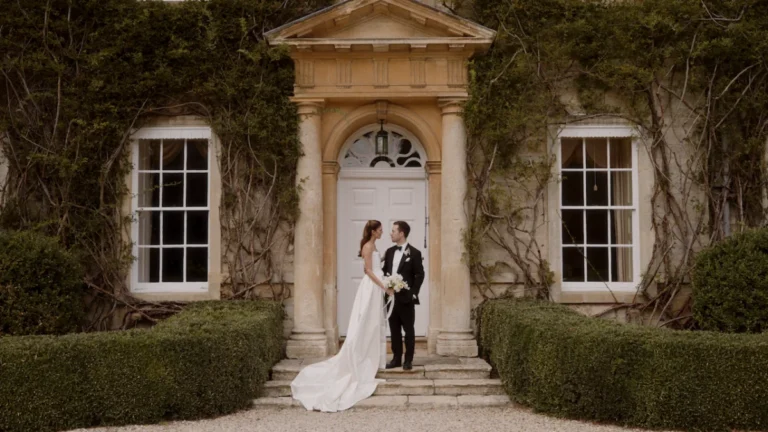









The global wedding industry, currently valued at approximately $75 billion, is undergoing a fundamental shift in its operational philosophy as the demand for digital "content" begins to rival the importance of the event’s traditional purpose. For decades, wedding photography served as a secondary archival tool, designed to document a family milestone. However, contemporary trends suggest a pivot toward weddings functioning as high-production media events, often at the expense of the guest experience and the authenticity of the celebration. Industry veterans, including Suffolk-based photographer Emily Tyler, who has documented nuptials for over a decade, have begun to voice concerns regarding this "content-first" mentality, noting that the pressure to produce Instagram-ready imagery is fundamentally altering the rhythm and atmosphere of modern ceremonies.
The Professionalization of the Personal: A New Industry Standard
In the early 2000s, wedding photography was largely categorized into two styles: traditional formal portraiture and emerging photojournalism. The primary objective was to capture the day as it unfolded. However, the rise of visual-centric social media platforms like Pinterest (founded in 2010) and Instagram (founded in 2010) introduced a third category: the editorial or "content-driven" wedding. According to industry surveys conducted by The Knot and Zola, approximately 78% of couples now use social media as their primary planning tool, leading to a phenomenon where couples seek to recreate specific viral "moments" rather than allowing natural interactions to dictate the schedule.
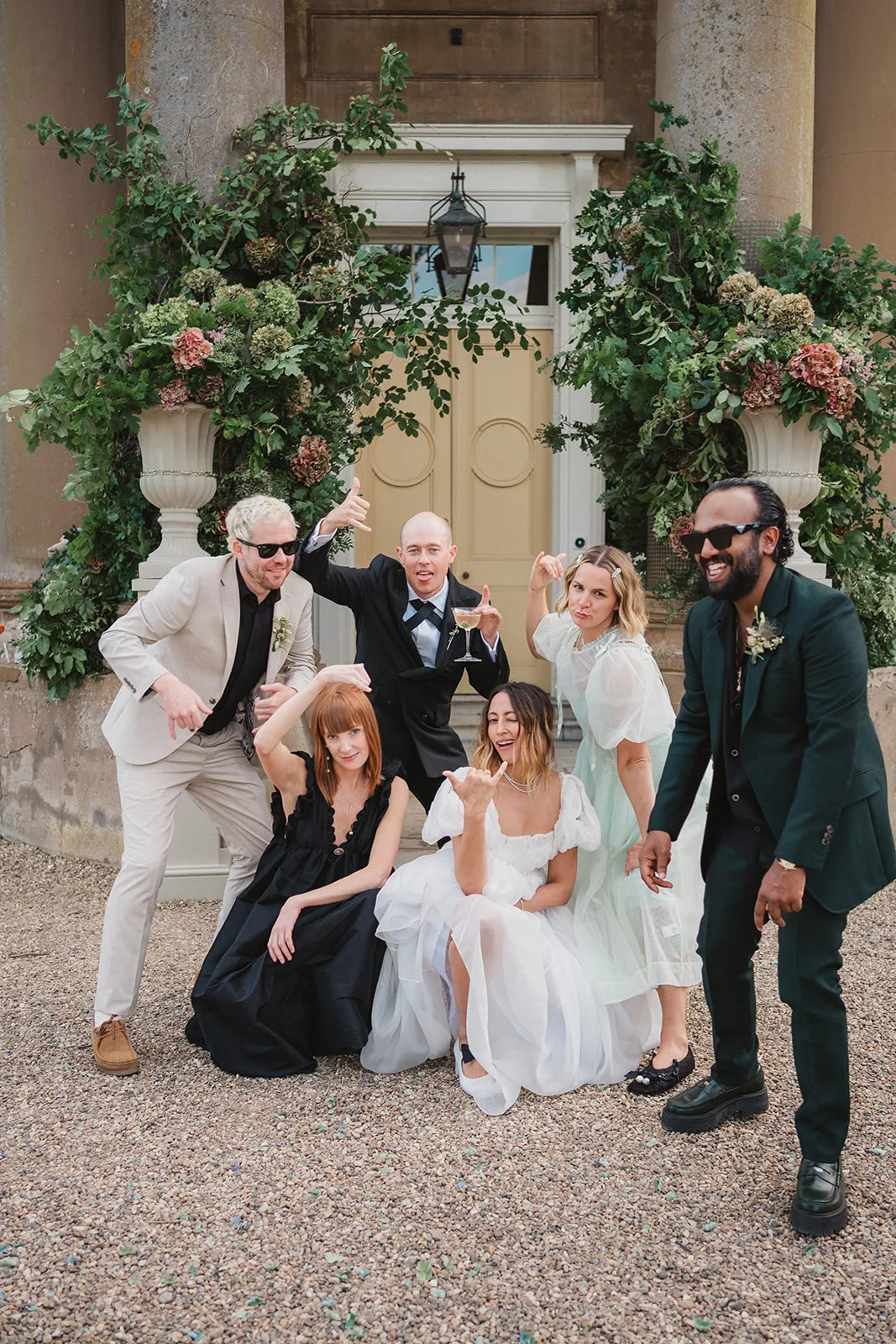
This shift has introduced a series of "faux moments"—staged activities such as champagne sprays, orchestrated "first looks" with multiple parties, and choreographed "getting ready" sequences—that are designed specifically for the camera. While these provide visually stunning assets for social media, they require significant time and logistical coordination. Analysts suggest that the average wedding schedule now allocates 30% more time to photography and videography than it did in 2014, often cutting into the time traditionally reserved for guest socialization, such as the cocktail hour or the wedding breakfast.
Chronology of the Content Shift: From Film to Viral Reels
To understand the current tension in the wedding industry, it is necessary to examine the technological and cultural timeline that brought the sector to this juncture:
- The Analog Era (Pre-2000): Photography was limited by the cost and volume of physical film. Shoots were disciplined, focusing on key milestones (the kiss, the cake cutting, family groups). The "performance" aspect was minimal because the results were not instantaneous.
- The Digital Transition (2000–2010): The advent of high-speed digital cameras allowed for "infinite" shooting. This gave birth to the documentary style, as photographers could capture thousands of candid frames without the fear of wasting resources.
- The Pinterest/Instagram Bloom (2010–2018): Visual mood boards became the standard. Couples began arriving at consultations with "shot lists" derived from global influencers. The focus shifted from "what happened" to "how it looked."
- The Viral Content Era (2019–Present): The rise of TikTok and Instagram Reels has introduced the need for motion content. This has led to the emergence of "Wedding Content Creators"—a new vendor category specifically hired to capture behind-the-scenes mobile phone footage for immediate social media posting.
As this timeline progressed, the role of the photographer evolved from a silent observer to a director, often tasked with halting the natural flow of the day to ensure the "lighting is right" or the "pose is perfect."
The Guest Experience and the "Horror Stories" of Content Prioritization
The prioritization of content over community has led to a measurable decline in guest satisfaction at high-production weddings. Reports from venue managers and wedding planners indicate an increasing number of instances where the logistics of photography interfere with basic hospitality. In recent wedding seasons, planners have documented cases where guests were left waiting in inclement weather for extended periods—sometimes exceeding 45 minutes—while the couple completed "mini-shoots" in various locations around the property.
"The disconnect is often jarring," one venue manager noted in an industry forum. "You see a photo on Instagram the next day that looks like the party of the century—full of laughter and energy. But the reality on the ground was a room full of guests checking their watches, wondering where the couple had gone, and feeling more like props in a production than invited loved ones."
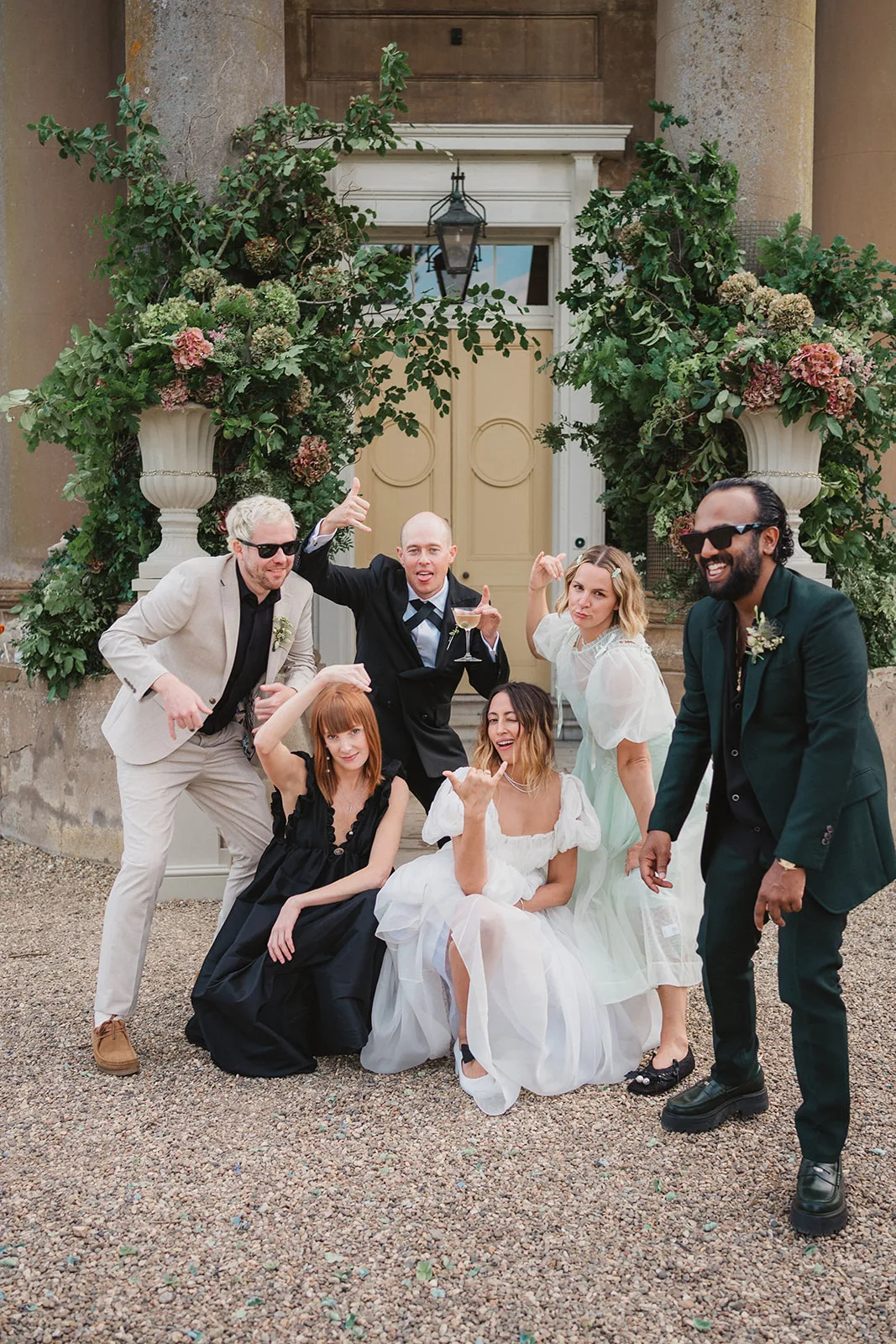
This "Instagram vs. Reality" gap creates a paradox: the more effort spent on making the wedding look like a joyous celebration for an external audience, the less the internal audience (the guests) actually experiences that joy. The "threads in the tapestry," as described by Emily Tyler—referring to the childhood friends, university peers, and elderly relatives who shape a couple’s history—are often the ones most sidelined by a content-heavy itinerary.
Data Analysis: The Financial and Psychological Cost of the "Perfect" Image
The financial investment in wedding media has seen a sharp upward trajectory. In 2023, the average spend on wedding photography and videography in the United Kingdom ranged between £3,000 and £8,000, representing a significant portion of the total wedding budget. When the investment is this high, couples often feel a psychological obligation to "work the camera" to ensure a return on their investment.
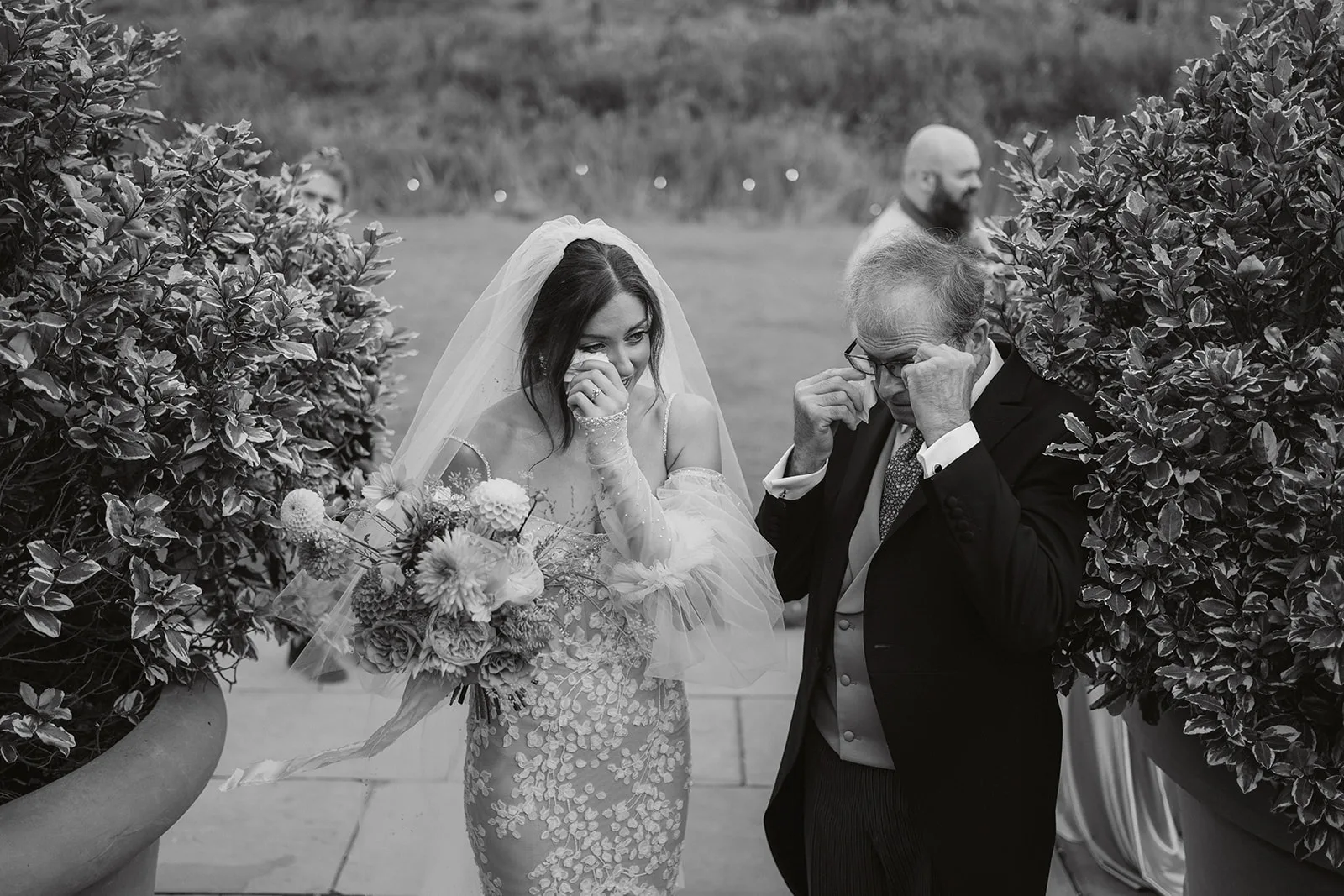
Furthermore, psychological studies on "the spectator’s mindset" suggest that when individuals focus on how an event will be perceived by others through a lens, their own emotional engagement with the event decreases. For a couple, the "performance" of being happy for a photo can ironically diminish the actual feeling of happiness. This is a primary concern for documentary-style photographers who argue that the best images are those captured when the subjects have entirely forgotten the camera’s presence.
Industry Responses: The Rise of the "Unplugged" and Documentary Movements
In response to the "content-over-connection" trend, a counter-movement is gaining traction within the industry. "Unplugged ceremonies," where guests are asked to put away their phones, have become standard at approximately 50% of modern weddings. More recently, this philosophy has extended to the couples themselves through the "Documentary-Only" photography movement.
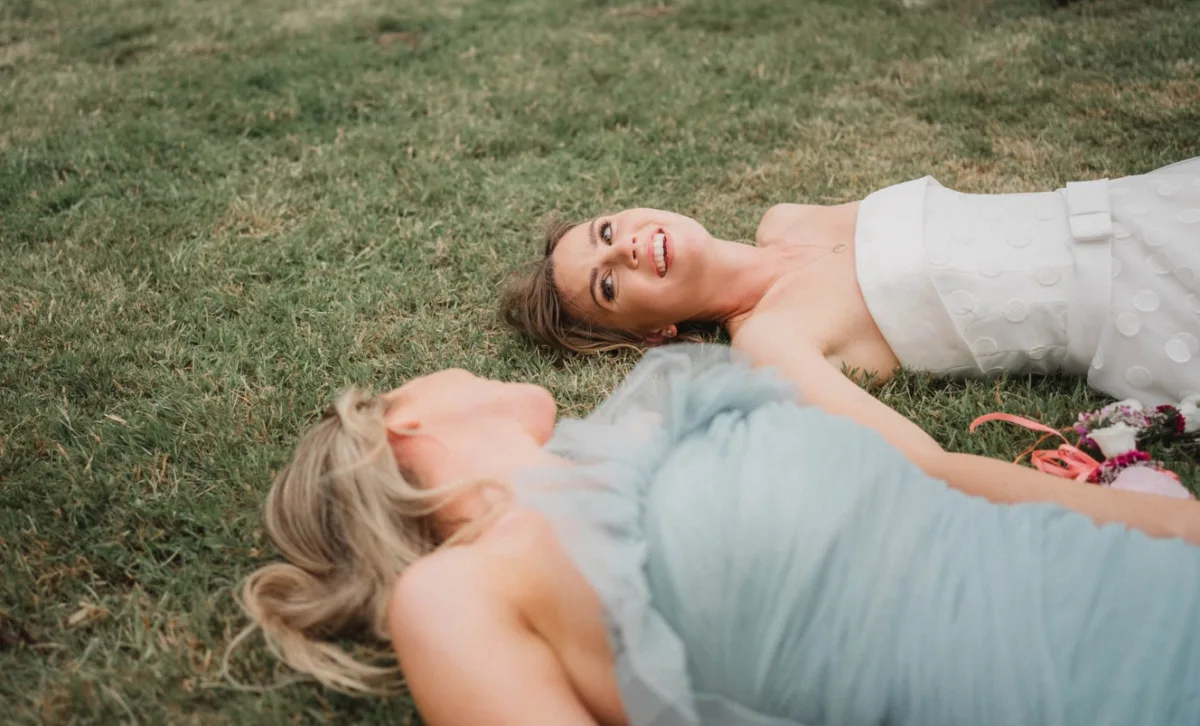
Professional photographers who subscribe to this ethos, such as Tyler, are increasingly advocating for a "people-first" agenda. This approach involves:
- Minimizing Staged Moments: Limiting or entirely removing "faux" activities that do not occur naturally.
- Efficient Portraiture: Capping formal family photos and couple portraits to 20-30 minutes to ensure the couple can attend their own cocktail hour.
- Space for Spontaneity: Intentionally leaving gaps in the schedule for "unexpected moments"—the conversations over espresso martinis or the laughter in the corridors—that are not part of a planned shot list.
Planners are also beginning to advise couples on the "Golden Hour" trap. While sunset photos are a staple of the wedding aesthetic, if the timing coincides with the main course or a pivotal social moment, many modern planners now recommend skipping the shoot in favor of staying with the guests, prioritizing the "vibe in the room" over the "grid on the phone."
Broader Implications: The Future of Wedding Traditions
The tension between living a moment and documenting it is not unique to weddings, but the high stakes of a "once-in-a-lifetime" event amplify the conflict. As the wedding industry continues to evolve, the distinction between "wedding-as-celebration" and "wedding-as-content" will likely become a primary branding factor for vendors.
For the couples of the future, the choice will be one of legacy versus perception. While a Pinterest-perfect staged shoot provides immediate validation through social media engagement, industry data suggests that the images with the longest emotional shelf life are those that trigger a sensory memory of how the day felt.
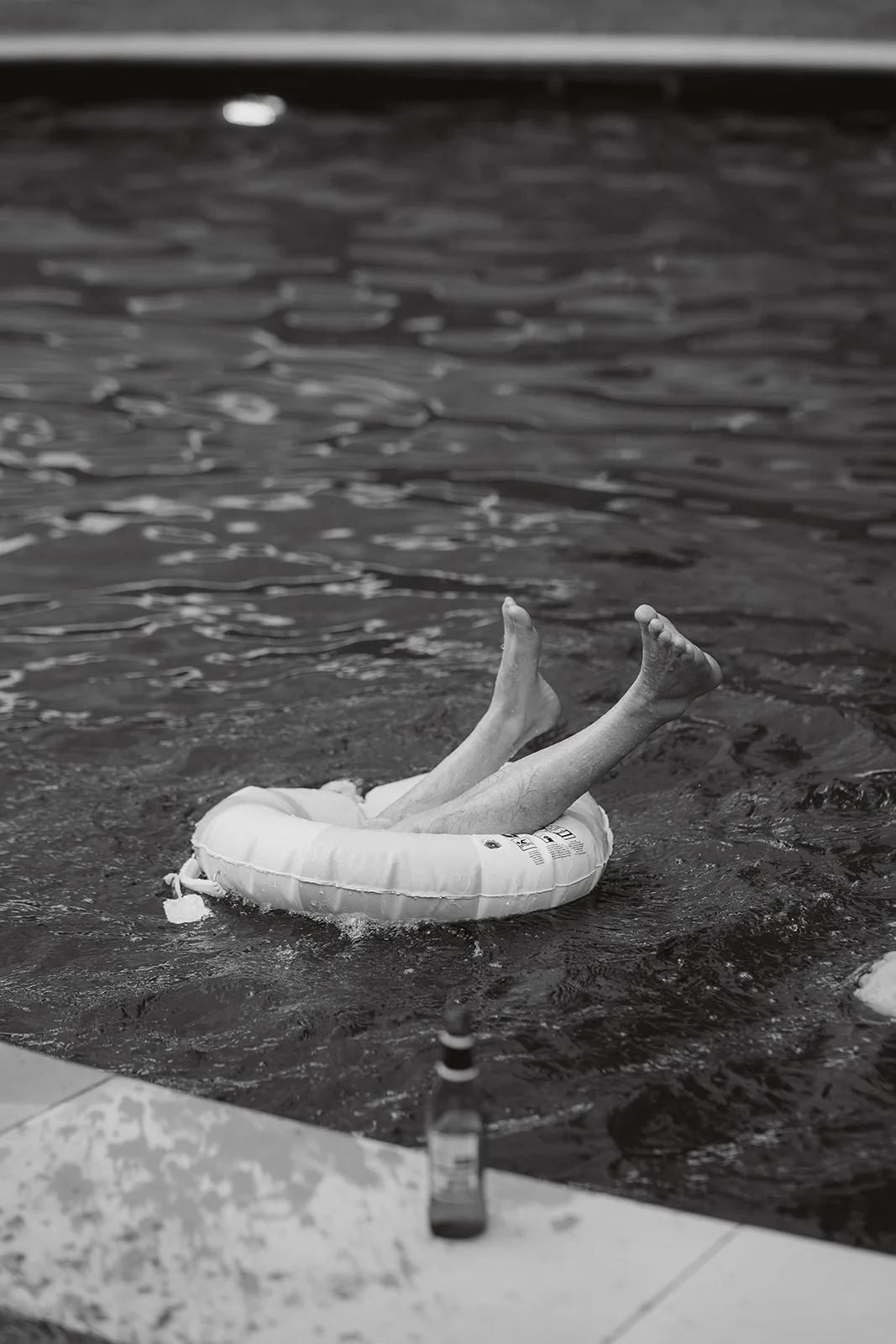
The broader implication for the industry is a potential return to minimalism in scheduling. As the novelty of "content creators" and high-production "reels" begins to plateau, the value of authentic human connection—the very reason for the gathering—is being rediscovered as the ultimate luxury. As Emily Tyler concludes, a wedding was never meant to be a photoshoot; it is a joining together of two worlds. The role of the professional, therefore, is not to direct the story, but to preserve it without interrupting the lives being lived.