




The intersection of high-stakes technology and high-end fashion has found a new focal point in the heart of Manhattan’s SoHo neighborhood, where the luxury menswear brand Frère has officially inaugurated its first physical flagship store. While the brand only made its commercial debut in March, it has rapidly ascended to become a preferred outfitter for a demographic that spans the upper echelons of Silicon Valley and the global entertainment industry. With a client list and investor pool featuring names such as Apple CEO Tim Cook, Coinbase co-founder Fred Ehrsam, and hip-hop mogul Jay-Z, Frère is positioning itself as the primary architect of a new aesthetic often categorized as "quiet luxury"—a movement defined by understated elegance, premium materials, and a complete absence of overt branding.
The brand’s emergence coincides with a broader cultural shift among technology leaders who are increasingly trading the stereotypical "tech bro" uniform of branded hoodies and Patagonia vests for sophisticated, tailored silhouettes. Frère’s offerings, which range from $3,490 wool knit tracksuits to $5,990 cashmere overcoats, cater to a market that prioritizes craftsmanship and exclusivity over mass-market visibility. As tech billionaires and venture capitalists move further into the public eye, the demand for a wardrobe that reflects both professional authority and personal refinement has never been higher.
The Founders and the Vision of Modern Menswear
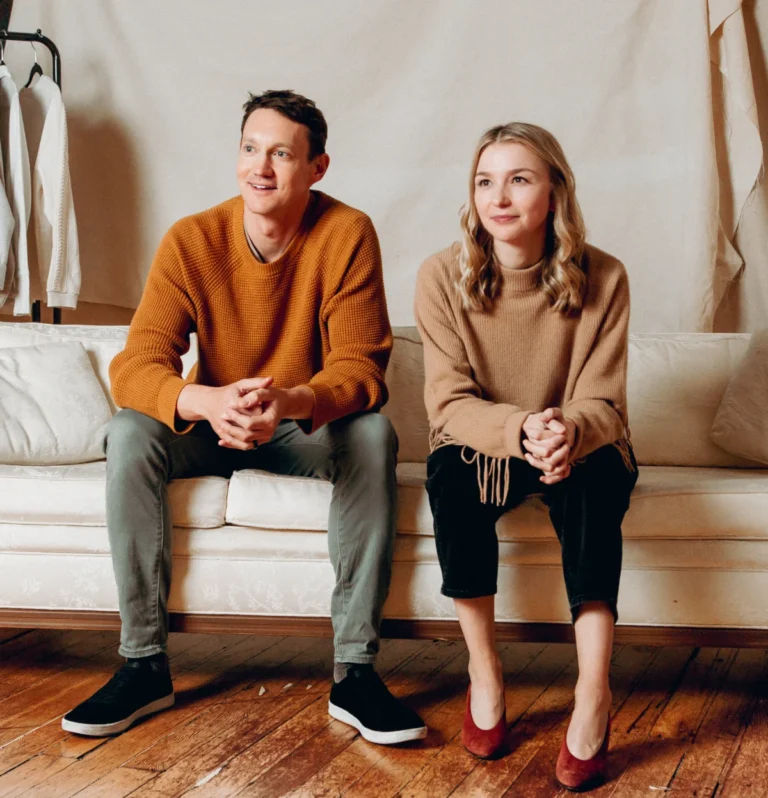
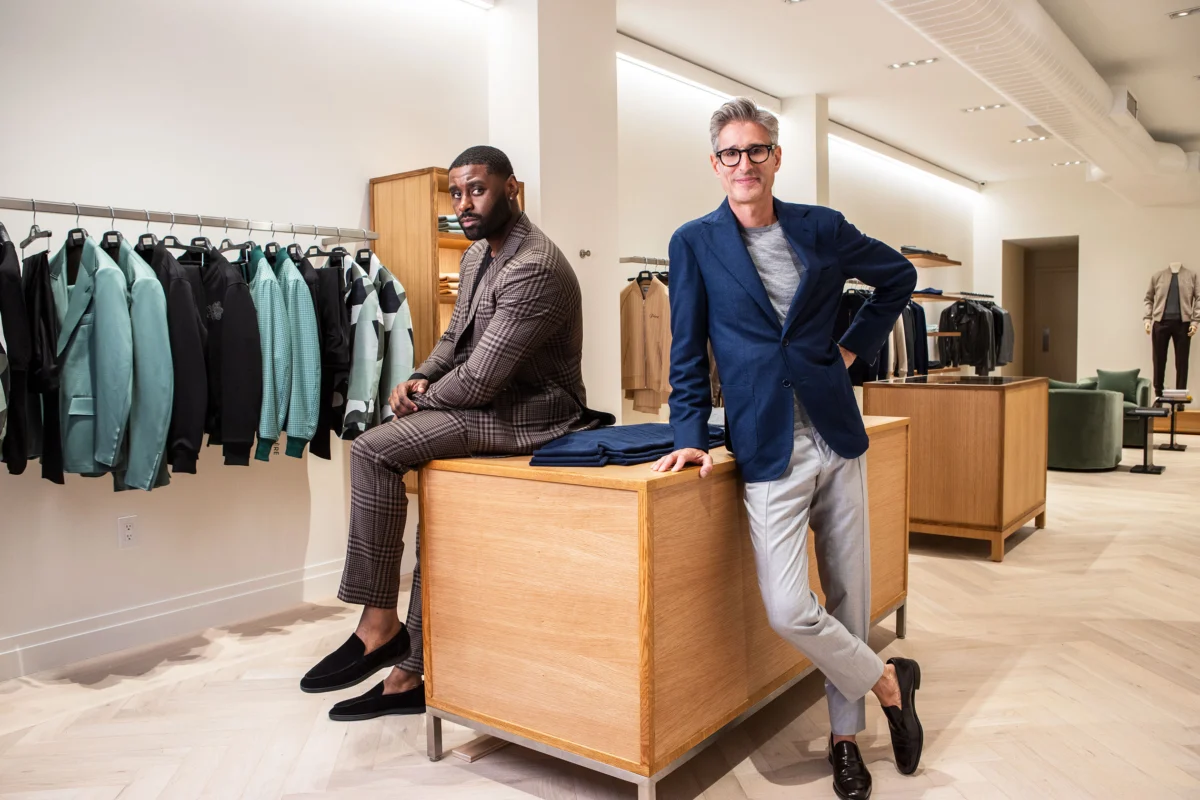
The rapid rise of Frère is rooted in the complementary backgrounds of its founders, Davidson Petit-Frère and François Kress. Petit-Frère, who serves as the brand’s creative director, followed an unconventional path into the fashion industry. Originally a professional in the luxury real estate sector, he transitioned into menswear through a series of internships before launching Musika Frère, a bespoke label that gained a cult following for its sharp tailoring and bold use of color. During his tenure at Musika Frère, he dressed high-profile figures including Beyoncé and NBA star Stephen Curry, establishing a reputation for garments that balanced classic European tailoring with contemporary flair.
François Kress, the CEO of Frère, provides the brand with deep-seated institutional knowledge of the luxury market. Kress’s resume reads like a directory of the world’s most prestigious fashion houses. He previously served as the president of Fendi for North and South America, followed by a tenure as the CEO and managing director of Bulgari in the same region. His career also includes a stint as the president and CEO of Prada Group for the United States. Together, the duo sought to bridge the gap between the rigid traditions of legacy luxury brands and the fast-paced, innovation-driven world of their core clientele.
According to Petit-Frère, the brand was born out of a desire to find a "balance of innovation, artistry, and cultural relevance." By blending elements of his Haitian heritage with the sophisticated techniques of traditional tailoring, Petit-Frère has created a look that stands out in environments where understated style is the preferred mode of communication. Kress echoed this sentiment, noting that the brand identified a specific opportunity to "reshape the menswear narrative" by focusing on the enduring principles of craftsmanship and timeless elegance.
A Strategic Shift in Tech Industry Aesthetics
For decades, the fashion choices of the technology sector were largely viewed through the lens of utility and anti-fashion sentiment. The "uniform" popularized by figures like Steve Jobs and Mark Zuckerberg—consisting of black turtlenecks or simple grey T-shirts—was intended to minimize decision fatigue and project a focus on work over vanity. However, as the tech industry has matured and its leaders have become the world’s wealthiest individuals, the aesthetic has evolved.
The current trend, often discussed on social media platforms like TikTok under the "quiet luxury" or "old money" hashtags, favors high-quality basics from brands like Loro Piana, Brunello Cucinelli, and Common Projects. These garments are characterized by their neutral palettes and superior fabrics, signaling wealth through texture and fit rather than logos. Frère has successfully inserted itself into this conversation by offering a "subtle tech look" that allows CEOs to maintain a professional appearance that is simultaneously modern and luxurious.
Industry analysts suggest that this shift is part of a larger branding strategy for tech leaders. In an era of intense public scrutiny and congressional hearings, appearing in a well-tailored suit or a high-end cashmere coat projects a sense of stability, maturity, and seriousness that a hoodie cannot convey. Frère’s ability to blend contemporary elements with classic tailoring provides these leaders with a way to stand out subtly in professional environments that are increasingly becoming more fashion-conscious.
The Seed Round and Investor Syndicate
Frère’s business model has attracted significant interest from the venture capital and finance sectors, further blurring the lines between the garment industry and the tech world. The company is currently in the process of raising a seed round to fuel its expansion. The lead investor in this round is Robert Nelsen, a prominent figure in the biotech world and the co-founder and managing director of ARCH Venture Partners.

Nelsen, known for his early investments in transformative healthcare companies, invested in Frère as an angel investor. His involvement is a testament to the brand’s appeal among those who value innovation and quality. "They make a helluva suit, plain and simple," Nelsen stated. He emphasized that for those in the tech sector, style is increasingly about having a personal brand that reflects professional trajectory and individual identity.
Joining Nelsen in the investor syndicate are several other high-profile names from the worlds of finance and fashion. These include Robert Hamwee of New Mountain Capital and Shawn "Jay-Z" Carter. The participation of Jay-Z, a longtime connoisseur of bespoke tailoring and a significant influence on global luxury trends, adds a layer of cultural capital to the brand that few new labels can claim. The capital raised thus far has been utilized to hire a core team of designers and artisans, develop the ready-to-wear collection, and secure the flagship retail location in SoHo.
The Physical-First Retail Strategy
In an era where e-commerce is often the primary focus for new brands, Frère has taken a contrarian approach by prioritizing a physical flagship store over a digital presence. While the brand plans to launch its e-commerce platform later this month, the SoHo boutique serves as the primary touchpoint for the brand’s story and products.
François Kress explained that the decision to launch a physical location first was deliberate. "Beautiful products like ours need to be experienced firsthand, not just through a screen," he said. The luxury sector has historically been slower to adopt digital commerce than mass-market retail, largely because the value proposition of high-end fashion relies heavily on tactile experience. For a brand that specializes in cashmere, fine wool, and bespoke fits, the ability for a customer to feel the weight of a fabric and see the precision of a stitch is essential for justifying premium price points.
The SoHo store is designed to be an immersive environment that reflects the brand’s ethos. By establishing a physical footprint in one of the world’s most competitive fashion districts, Frère is signaling its intention to compete directly with established European luxury houses. The store serves not only as a point of sale but also as a hub for the brand’s bespoke services, which remain a core part of its identity.
Chronology of Development
The timeline of Frère’s development highlights a remarkably rapid trajectory from concept to flagship retail:
- Pre-2024: Davidson Petit-Frère builds a reputation through Musika Frère, dressing elite athletes and entertainers. He meets François Kress, and the two begin discussing a new vision for a global luxury menswear brand.
- March 2024: Frère officially launches, introducing its first ready-to-wear collection to a select group of high-net-worth clients and tech industry insiders.
- Summer 2024: The brand secures significant angel investment from a syndicate led by Robert Nelsen and including Jay-Z, enabling the scaling of operations and the acquisition of a retail lease in New York City.
- December 2024: Frère opens its flagship boutique in SoHo, Manhattan. The brand confirms that its e-commerce platform is scheduled for a late-December debut.
- 2025 and Beyond: The company plans to utilize its seed funding to expand its ready-to-wear lines and potentially explore additional retail locations in key tech hubs such as San Francisco and London.
Broader Impact and Market Implications
The success of Frère serves as a case study in the evolving relationship between the technology sector and the luxury market. As tech wealth becomes more concentrated and tech leaders take on more prominent roles in global culture, the industries that serve them are being forced to adapt. Frère’s ability to secure backing from a biotech venture capitalist like Robert Nelsen suggests that fashion is increasingly being viewed through the same lens of "disruption" and "innovation" as other tech-adjacent sectors.
Furthermore, Frère’s rise reflects a broader trend in the luxury industry where "niche" and "insider" brands are gaining ground against traditional conglomerates. For the modern consumer of luxury, exclusivity is often found in brands that require a certain level of knowledge or "insider" status to appreciate. By aligning itself with figures like Tim Cook and Fred Ehrsam, Frère has created an aura of intellectual and professional exclusivity that resonates with the global elite.
As the brand prepares to launch its digital platform, the challenge will be maintaining the sense of intimacy and craftsmanship that has defined its early success. However, with a leadership team that combines creative vision with corporate luxury expertise, Frère appears well-positioned to navigate the complexities of the modern retail landscape. The brand is not merely selling clothes; it is selling a refined identity for the architects of the digital age—one where the precision of a code is matched by the precision of a seam.