









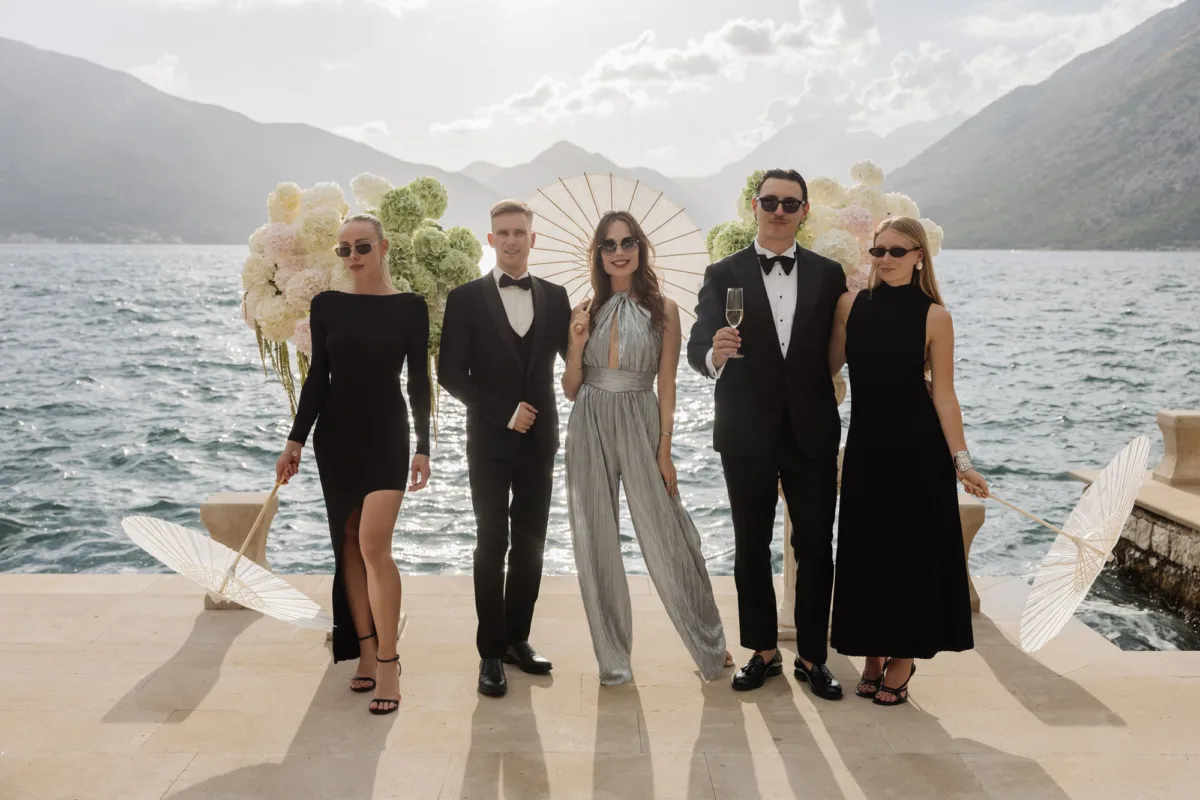
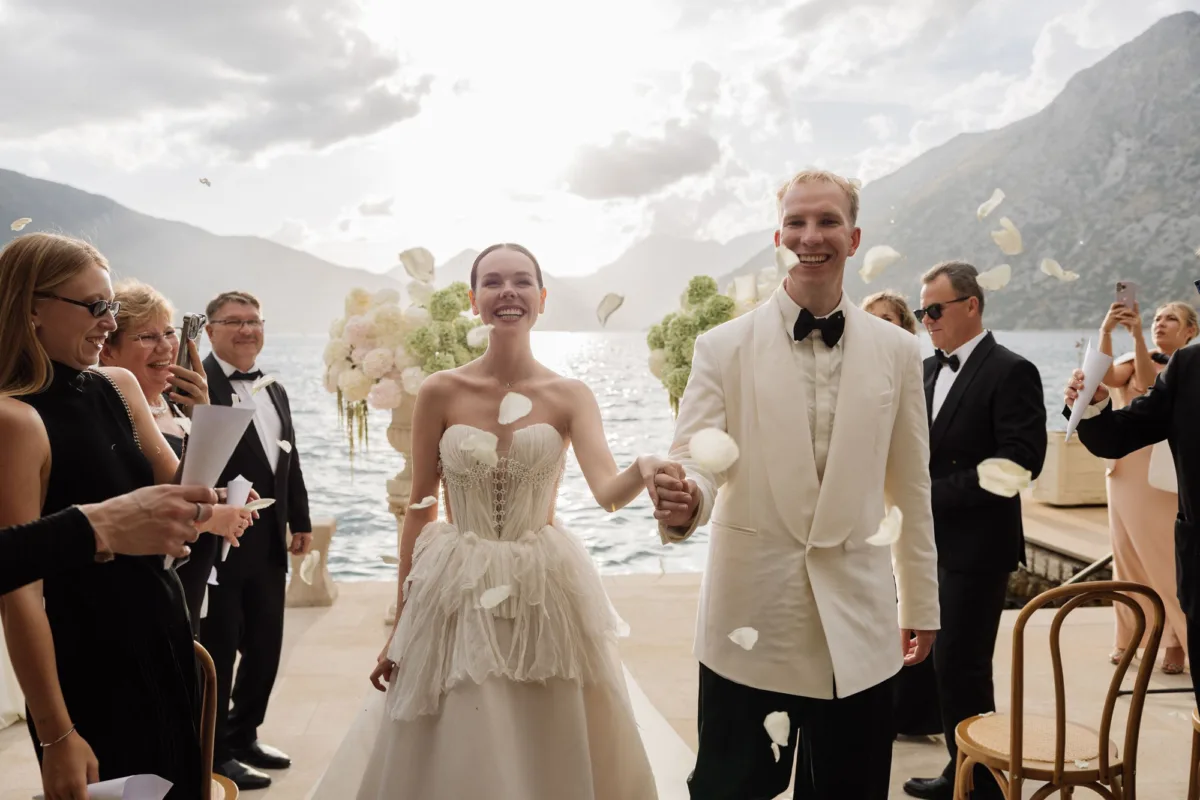
On September 3, 2025, the wedding of Anna and Ilya at Villa Shah in Montenegro served as a sophisticated case study in the growing trend of "slow weddings"—an intentional shift away from traditional, large-scale spectacles toward intimate, multi-day residential experiences. The celebration, which hosted only twelve guests, was structured around a week-long residency at a private seaside villa, emphasizing the concept of "La Vita Nobile," or "The Noble Life." This aesthetic and philosophical framework focused on refined simplicity, high-quality gastronomy, and unhurried social interaction, positioning the Bay of Kotor as a burgeoning alternative to the saturated luxury markets of the Italian coast.
Strategic Planning and Aesthetic Foundations
The execution of the event was managed by The Choice Wedding Agency, led by founder and celebrant Julia. The primary objective was to synthesize the couple’s affinity for Italian aesthetics with the logistical advantages and natural tranquility of Montenegro. The "La Vita Nobile" concept was defined by the couple as a rejection of artificiality in favor of natural, sincere celebration. By extending the event to a full week, the organizers aimed to foster a shared holiday environment rather than a singular high-pressure ceremony.
According to industry data, the demand for intimate destination weddings (guest counts under 20) has increased by approximately 18% since 2022. Couples are increasingly diverting budgets originally intended for large guest lists into high-end, personalized details and extended accommodation for their closest circle. For Anna and Ilya, this manifested in the selection of Villa Shah, an architectural landmark on the Bay of Kotor known for its refined Mediterranean structure and proximity to the water, which provided the necessary privacy for a week-long immersion.
Geographic Selection: Montenegro’s Position in the Global Luxury Market
The decision to host the event in Montenegro rather than Italy was a strategic choice based on several factors, including crowd density, cost-to-value ratios, and travel accessibility. While the landscapes and architecture of the Bay of Kotor closely mirror those of Lake Como or the Amalfi Coast, Montenegro offers a more secluded atmosphere.
Furthermore, the planners noted that Montenegro’s travel requirements often present fewer hurdles for international guests arriving from outside the European Union compared to some Schengen Area nations. This logistical ease, combined with the presence of high-end venues like Villa Shah, allows for the creation of an "Italian-style" atmosphere—complete with refined architecture and seaside elegance—without the "intensity and high costs" associated with Italy’s primary wedding hubs.
A Chronology of the Union: From the Dolomites to the Adriatic
The union of Anna and Ilya followed a seven-year timeline. The couple met in 2018 through mutual acquaintances, discovering they had previously lived in neighboring buildings and attended the same university without ever meeting. Their relationship transitioned into a long-distance arrangement shortly after they met, when Ilya relocated to Paris.
The proposal occurred in 2024 at Lake Braies in the Italian Dolomites. This event set the tone for their wedding planning, as the couple subsequently traveled to Milan and Venice to select their wedding bands. They opted for classic Cartier rings, choosing the brand for its "understated sophistication" and daily wearability. By scheduling the wedding for September 2025, the couple allowed for an eighteen-month planning window, a duration that is becoming standard for high-complexity destination events.
Architectural and Floral Integration
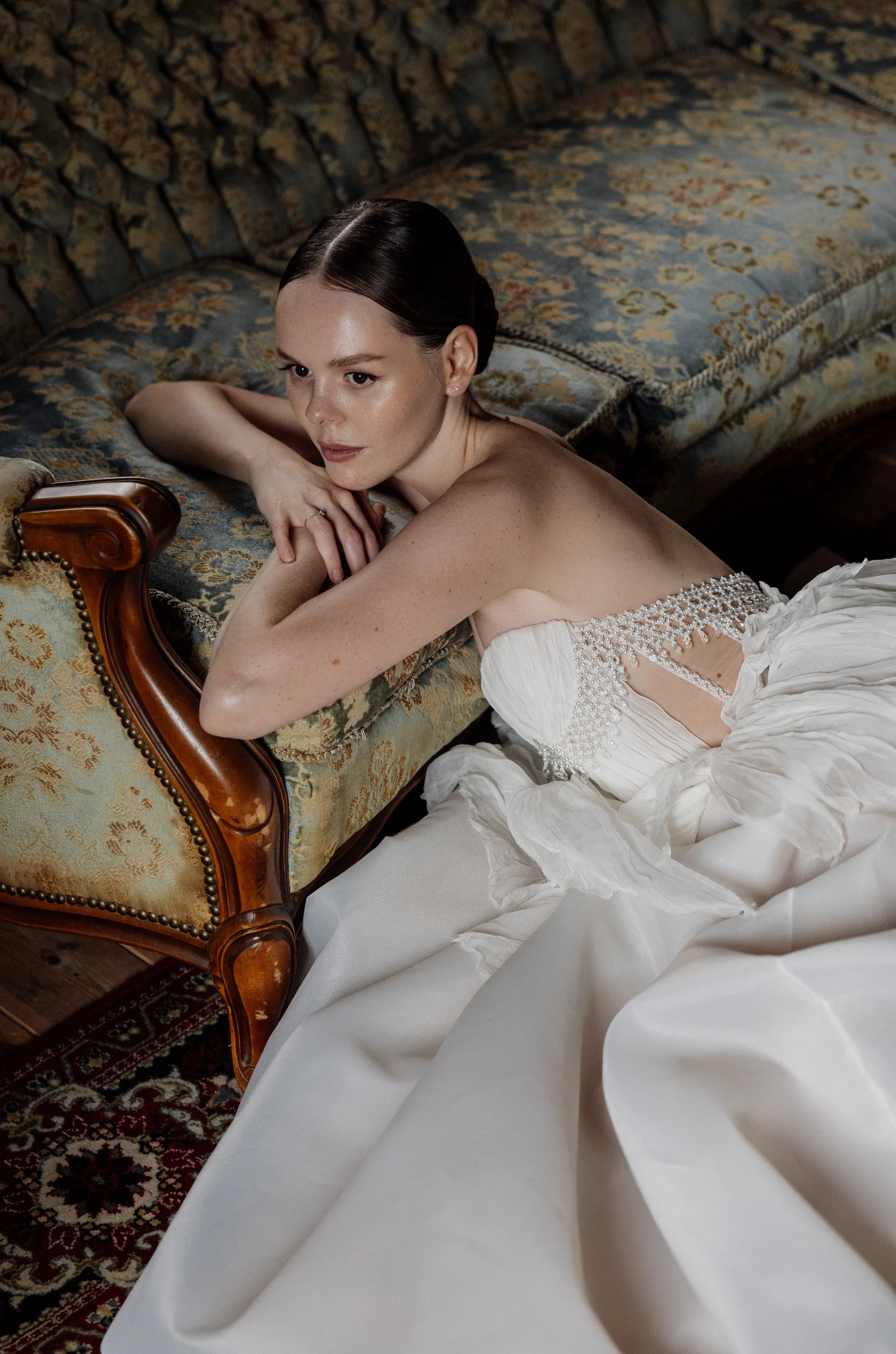
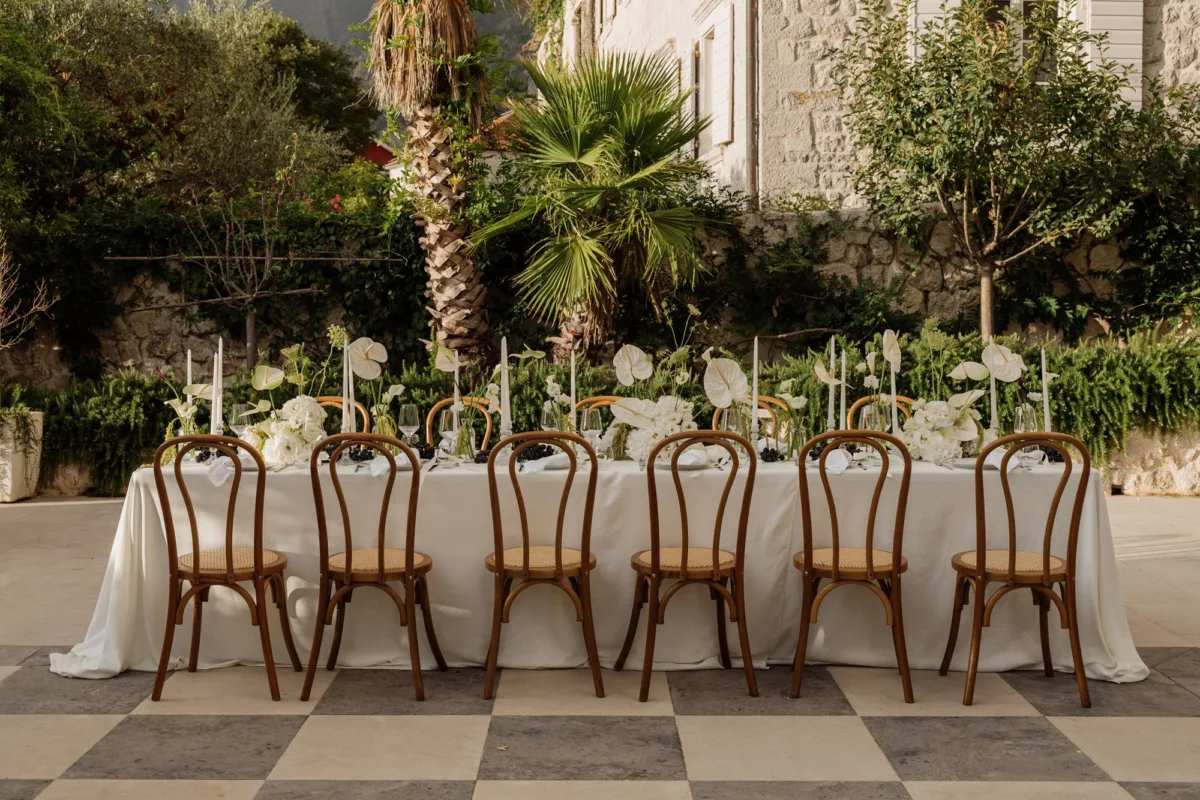
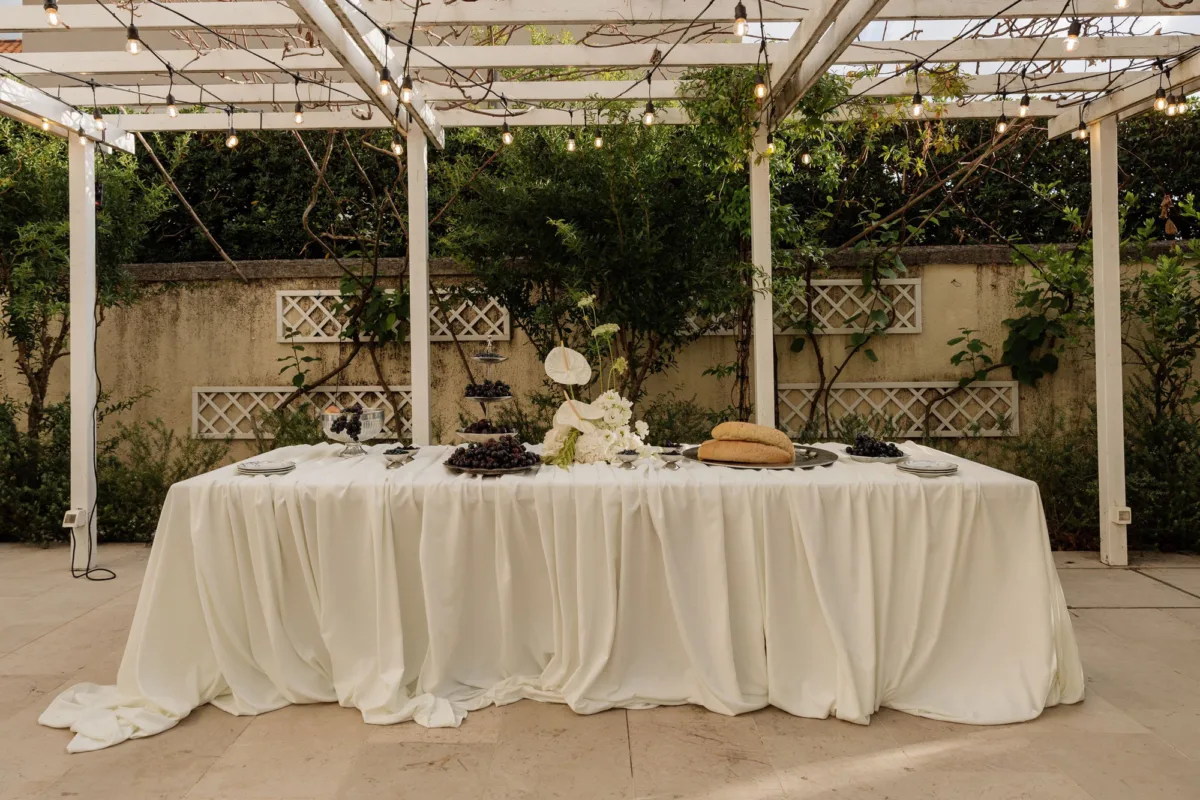
The visual identity of the wedding was curated by floral designer Serafima Pavlova, who worked within the "La Vita Nobile" framework. The design avoided elaborate, temporary installations, focusing instead on organic integration with the villa’s existing environment.
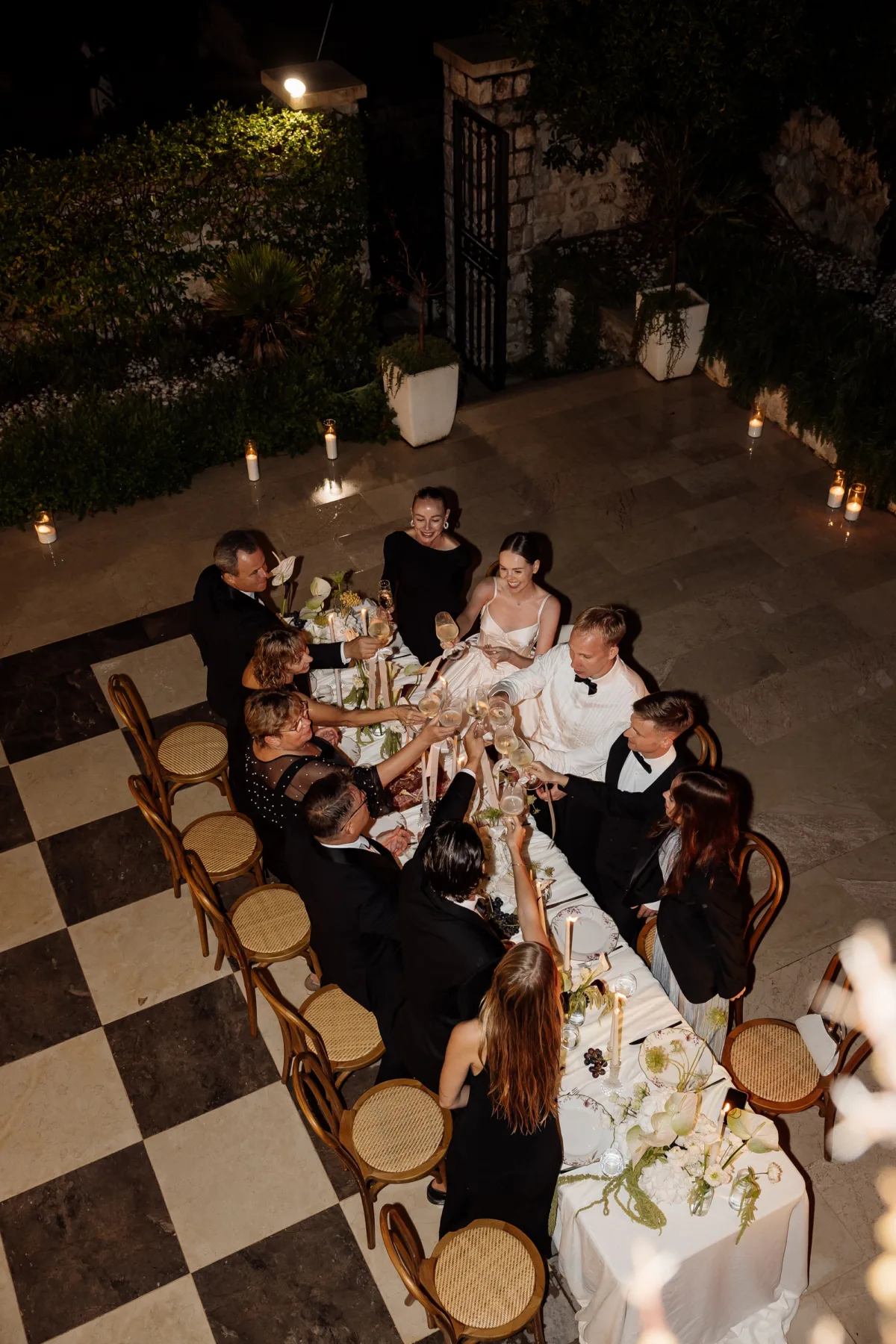
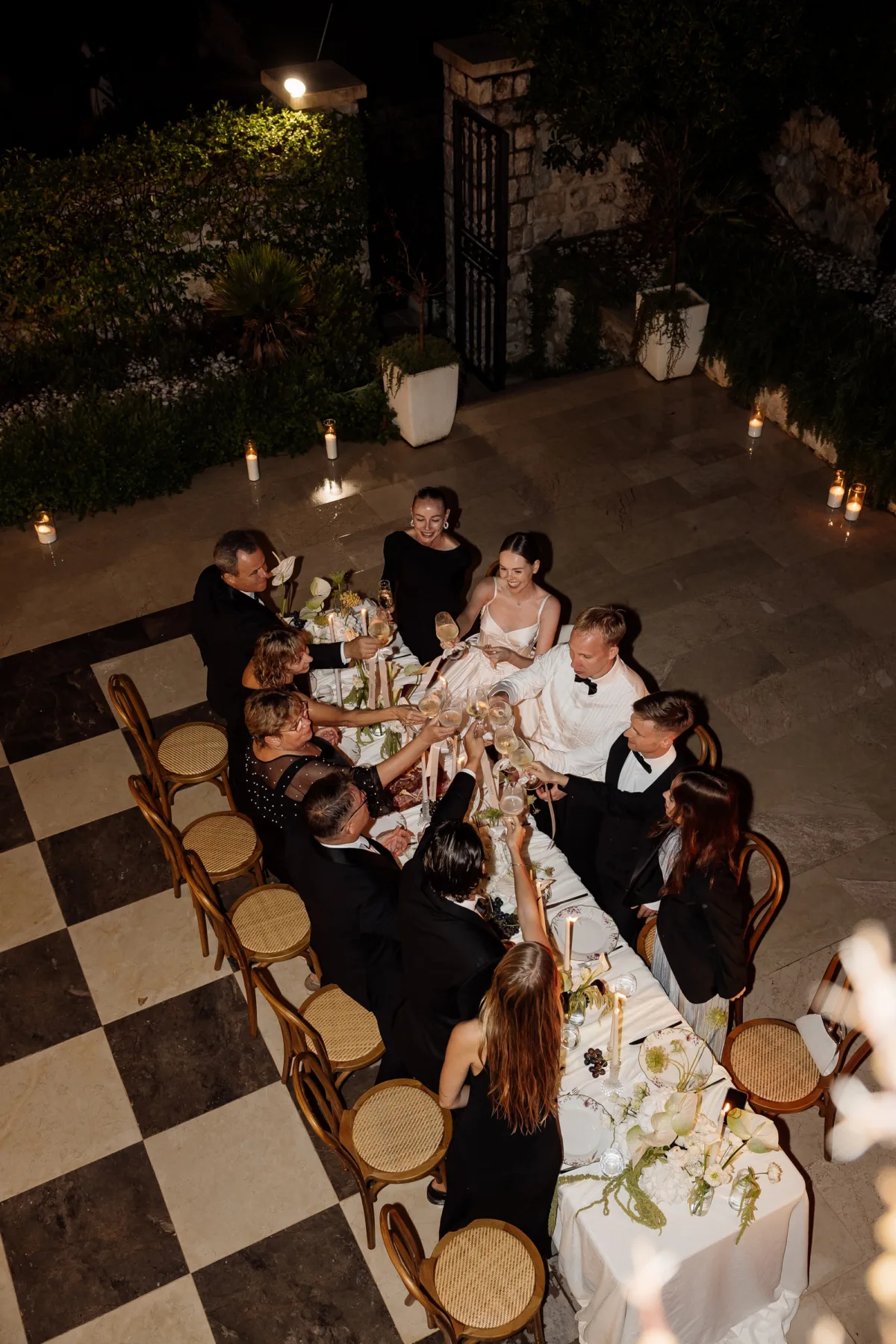
The central visual element was a long dinner table dressed in soft ivory linens. The décor utilized:
- Sculptural Floral Arrangements: White blooms in delicate glass vessels designed to feel airy and unstructured.
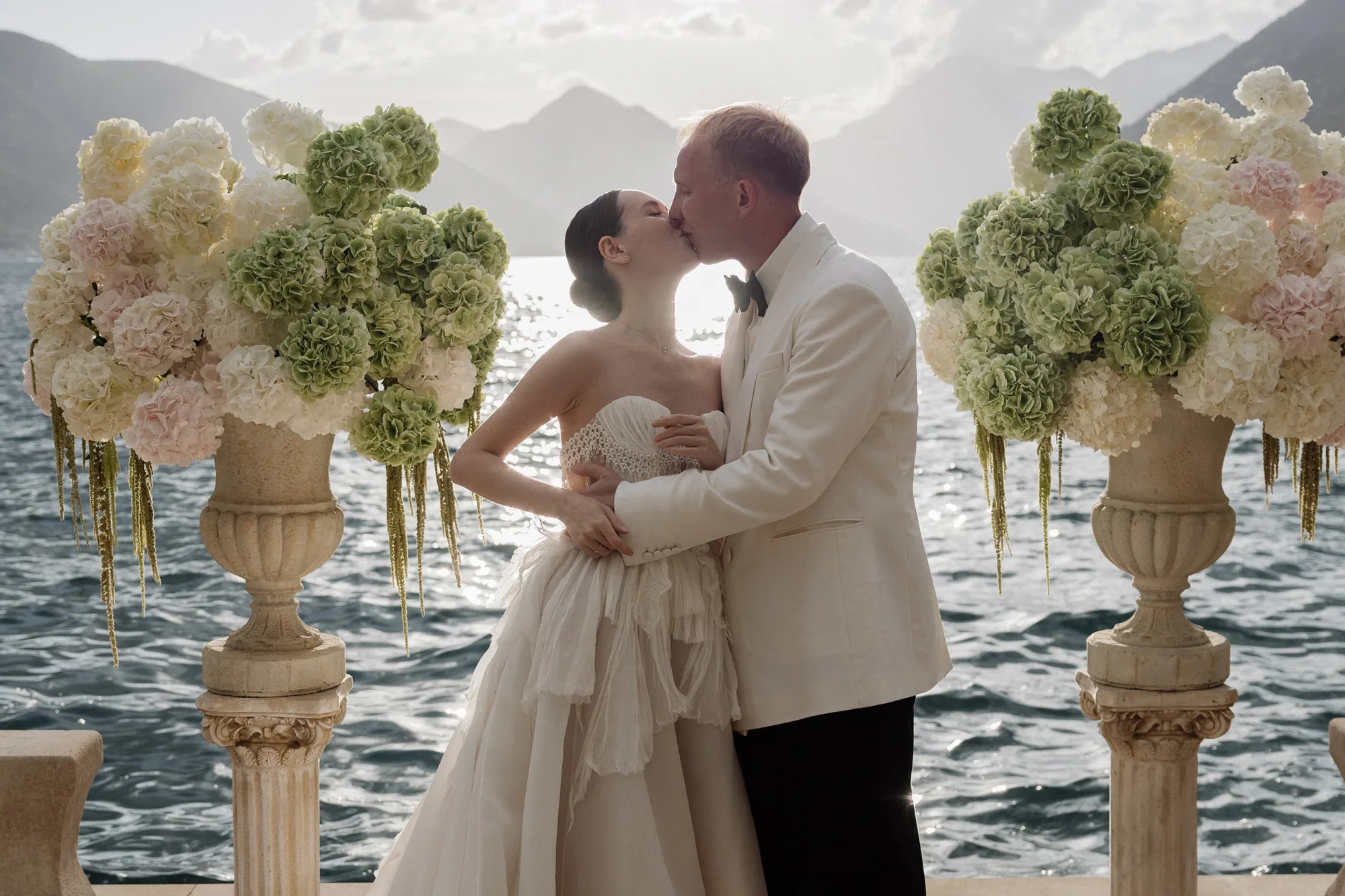
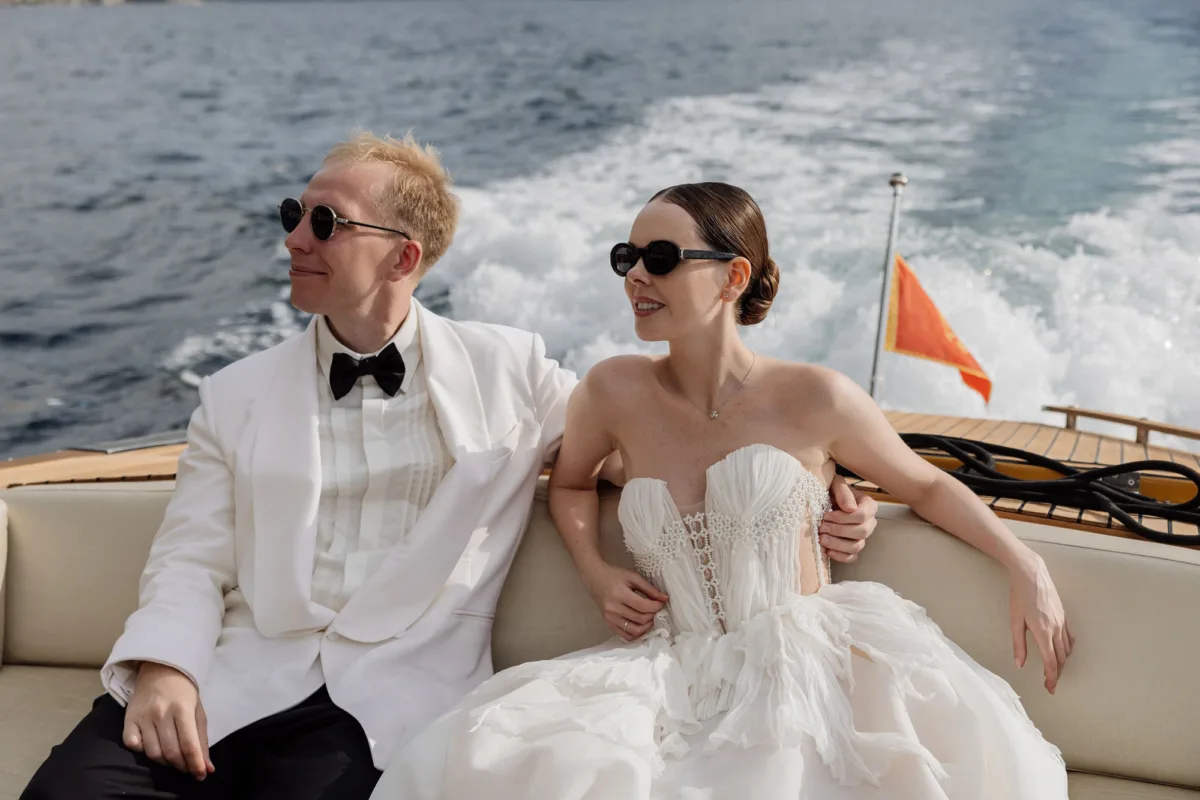
- Classical Elements: Stone urns filled with hydrangeas to frame the ceremony space without obstructing the panoramic views of the Bay of Kotor.
- Mediterranean Accents: Clusters of dark grapes were placed directly on the tablescapes to provide texture and evoke the feeling of a traditional feast.
- Atmospheric Lighting: A heavy reliance on candlelight was used to transition the event from the bright coastal afternoon to an intimate evening setting.
Technical Execution of the Ceremony
The ceremony was characterized by a bespoke musical program featuring a live piano and cello duet. Notably, the musicians—Olesya and her partner—had never performed together prior to this engagement. They rehearsed a dedicated playlist specifically for the event, which included a performance of the Mendelssohn Wedding March as the bride was escorted down the aisle by her father.
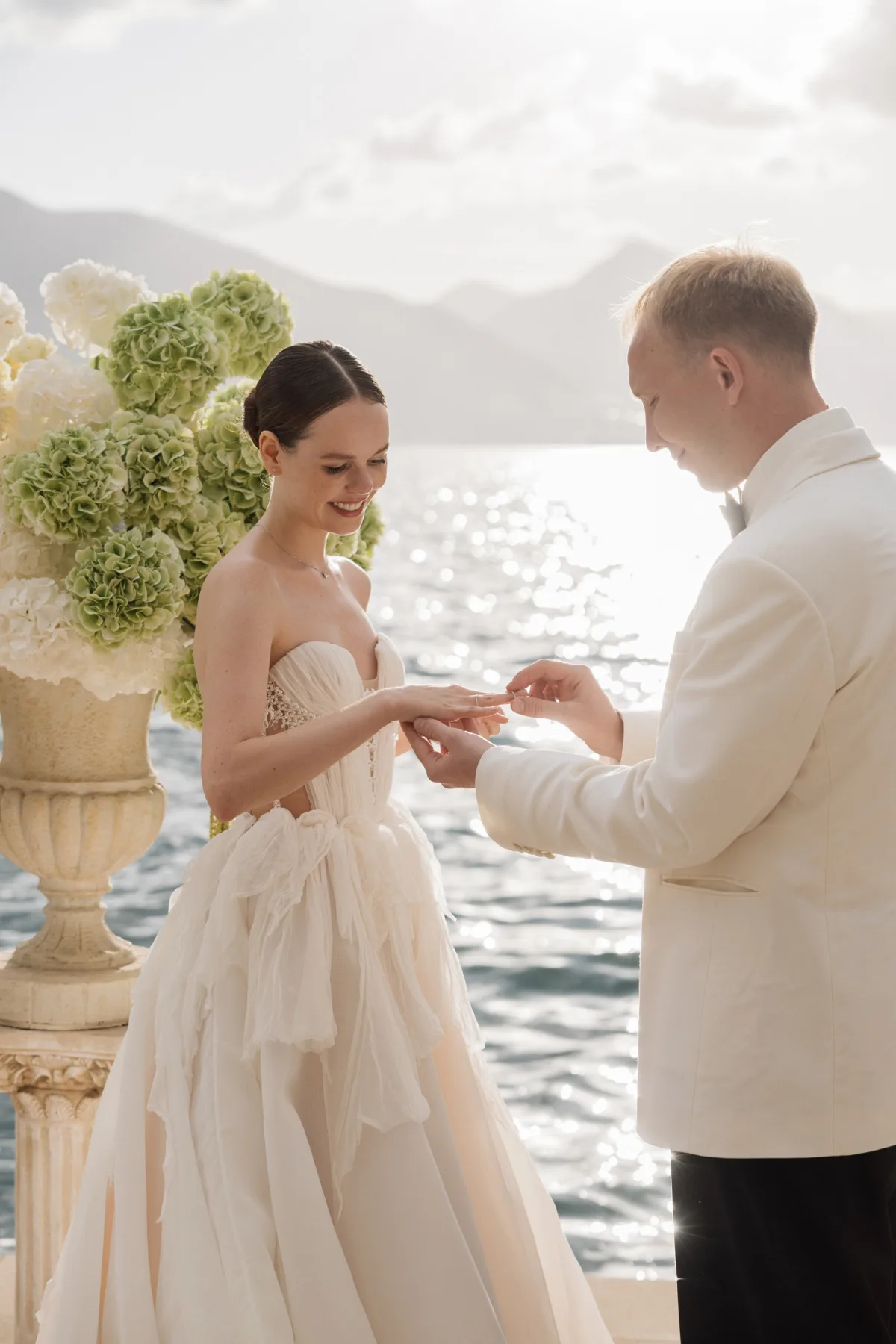
The ceremony was officiated by Julia of The Choice Wedding Agency. In a move toward personalization, the couple wrote their own vows, which were kept private from one another until the moment of exchange. The vows balanced humor with sentiment, reflecting the couple’s desire for a "natural and sincere" atmosphere.
Culinary Programming and Experiential Activities
Catering was provided by Paul Amasov, who designed an entirely Italian-themed menu. Despite the Montenegrin location, the couple prioritized their personal aesthetic preferences, selecting dishes that celebrated the "pleasures of life" through traditional Italian flavors.
The wedding cake, produced by Cinnabon Tut Monte, followed a "hedonistic" design principle, featuring layers of cream and cherries. To accommodate the bride’s lactose intolerance, the catering team prepared a separate suite of dairy-free desserts, highlighting the high level of customization required in modern luxury wedding services.
One of the more unique experiential elements was the integration of golf, a sport the couple plays regularly. Guests were invited to hit biodegradable golf balls from the villa’s pier into the sea. These specialized balls are engineered to dissolve upon contact with water, transforming into fish food. This activity served as both a personal reflection of the couple’s lifestyle and a nod to environmentally responsible entertainment.
Crisis Management: The "Rainbow Incident"
Professional wedding planning often requires rapid response to unpredictable environmental factors. On the day of the wedding, despite clear weather forecasts, a sudden and intense rainstorm occurred shortly after the ceremony.
The Choice Wedding Agency reported that while a "Plan B" (indoor) setup was available, the priority remained preserving the couple’s vision of an outdoor celebration. As the rain fell, a large rainbow appeared over the bay, which the couple and photographers utilized for unplanned portraits. Simultaneously, the logistics team executed a rapid reset of the outdoor dining area. New linens were sourced and delivered, and the entire tablescape was dried and re-set in a fraction of the usual time. By the time the storm passed, the outdoor dinner proceeded as originally intended.
Media and Documentation
The couple utilized a specialized team for documentation, selecting vendors based on their ability to capture "unstaged" and "cinematic" moments.
- Photography: Natalya Obukhova was selected for her naturalistic style. The couple emphasized the importance of a "lively" portfolio that avoided the stiff, formal posing often found in traditional wedding photography.
- Videography: Alex (Alexmov) provided cinematic coverage, focusing on light composition and an artistic narrative of the week-long stay.
The use of social-media-friendly activities, such as "wedding photo bingo," encouraged guests to document the event from their own perspectives. This interactive element replaced traditional stationary and served as a modern alternative to formal guest books.
Broader Implications for the Wedding Industry
The Anna and Ilya wedding exemplifies several key shifts in the high-end event sector:
- The Rise of the "Micro-Destination": As established hubs like Tuscany become overcrowded, secondary luxury markets like the Bay of Kotor are seeing increased investment and interest.
- Sustainability as a Default: The inclusion of biodegradable products (such as the golf balls) indicates that environmental consciousness is moving from a niche request to a standard feature of luxury planning.
- Prioritizing Longevity over Spectacle: The decision to spend a week with twelve guests rather than six hours with two hundred reflects a demographic shift toward "quality over quantity" in social celebrations.
- Flexible Programming: The absence of a traditional DJ in favor of a live band (Vozduh Band) and the replacement of a choreographed first dance with a spontaneous moment suggest a move toward more authentic, less "produced" wedding schedules.
Ultimately, the celebration at Villa Shah underscores the importance of atmospheric design and logistical flexibility in creating events that feel both "noble" and "natural." By focusing on the "simple pleasures of life," the couple and their planning team successfully demonstrated how a highly curated, intimate gathering can have a greater emotional and aesthetic impact than a traditional large-scale wedding.