







A friend, deeply committed to a life free from perceived toxins, meticulously avoids any product that might come into contact with her skin. Her personal care routine is minimalist, eschewing makeup and relying on natural alternatives for household cleaning. Yet, every six weeks, this same individual submits to a chemical hair-coloring process, a stark contradiction to her otherwise stringent approach to environmental and personal health. The reason, she states unequivocally, is to avoid the visual signifiers of aging that she believes gray hair would impose upon her face. This personal anecdote opens a broader conversation about the pervasive societal pressures and personal motivations that drive women, particularly those over 50, to maintain artificially colored hair, even in an era increasingly embracing natural aging.
The Pandemic Pivot and its Aftermath
The COVID-19 pandemic ushered in an unexpected societal experiment with natural aging, particularly concerning hair color. As salons closed and lockdowns persisted, many women embraced their burgeoning gray roots, often sharing their transitions online and celebrating the liberation from routine coloring appointments. This period saw a significant rise in the visibility and acceptance of gray hair, with many individuals adopting a "gray pride" stance. This trend was amplified by a growing cultural appreciation for authenticity and a rejection of superficial beauty standards.
However, the embrace of natural gray proved to be, for many, a temporary phase. As life returned to a semblance of normalcy and social engagements resumed, a noticeable shift occurred. A significant number of women who had initially transitioned to gray began returning to their colorists. This phenomenon is not confined to the general populace; it is also evident in the public sphere, particularly among actresses and public figures.
Hollywood’s Silver Ceiling
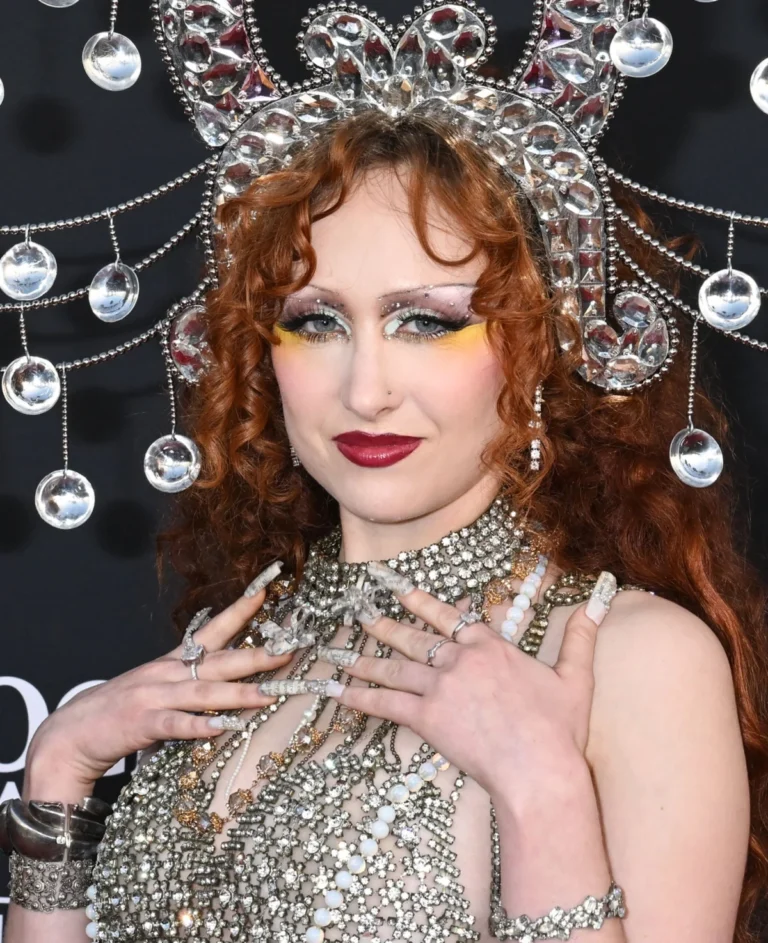
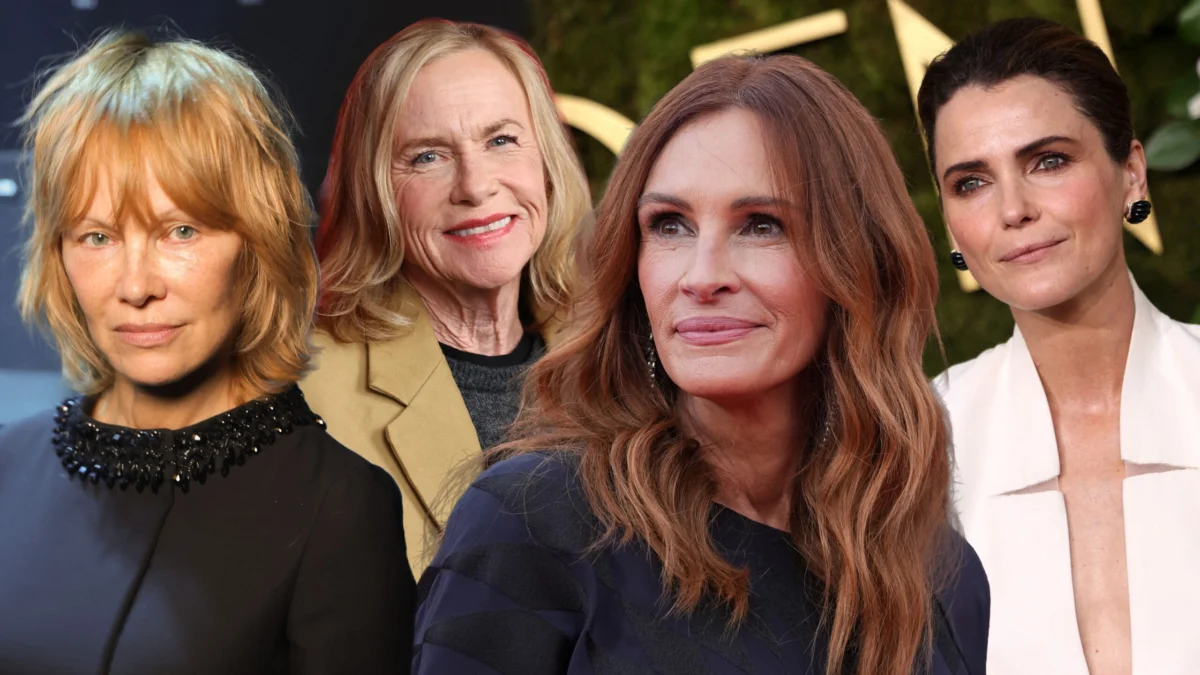
Observing recent red carpets and public appearances reveals a compelling pattern: while many established actresses are increasingly comfortable showcasing visible signs of aging in their facial features, a striking majority continue to meticulously erase evidence of gray hair. Prominent figures like Helen Mirren and Kathy Bates stand out as notable exceptions, having confidently embraced their natural silver manes. In contrast, a host of talented women, including recent Oscar winner Amy Madigan, Jean Smart, Parker Posey, Julia Roberts, Sarah Jessica Parker, Pamela Anderson, Rhea Seehorn, Robin Wright, and Keri Russell, appear to maintain regular appointments with their colorists. The rarity of seeing an actress over 45 with visible silver hair is so pronounced that it frequently makes headlines, underscoring the industry’s prevailing aesthetic expectations.
This persistent adherence to hair coloring among actresses is often linked to deeply ingrained evolutionary biology and societal perceptions. Historically, lush, pigmented hair has been associated with youth, health, and reproductive vitality. For individuals whose livelihoods depend on portraying characters, particularly those who must maintain a youthful appearance to secure a wider range of roles, preserving this signal of youth can be strategically imperative.
The Ageism Divide in Media Representation
The Geena Davis Institute on Gender in Media, in partnership with Next50, has conducted significant research highlighting the stark ageism prevalent in media representation. Their analyses reveal a significant imbalance in the portrayal of older characters. Across films, broadcast television, and streaming platforms, male characters consistently outnumber female characters in the 50+ age bracket. Specifically, films feature 80% male characters in this age group, broadcast television 75%, and streaming platforms 66%. This disparity suggests a critical limitation for actresses over 50 in terms of available roles. Consequently, a cautious approach to any visible markers of age, including gray hair, may be perceived as a necessary strategy for career longevity and competitiveness within the industry.
This finding is particularly relevant when considering the earlier observation that while women like Jodie Foster and Annette Bening are increasingly lauded for their natural aging in their facial features, they, like many of their peers, remain committed to maintaining artificially colored hair. This suggests a nuanced understanding of aging within the entertainment industry, where certain aspects of aging may be accepted, while others, particularly those linked to perceived youthfulness, remain subjects of significant intervention.
Societal Perceptions and Personal Identity
Beyond the professional sphere, hair color plays a crucial role in how individuals perceive themselves and are perceived by others. Hair is consistently ranked among the top three physical features used in descriptions, alongside height and weight, and is highly memorable after social interactions. The visual cues associated with hair—its style, texture, and color—contribute significantly to an individual’s self-image and the impression they project. For many, their hair color has become an integral part of their personal identity, cultivated over decades. The prospect of altering this established image, especially in ways that might be perceived negatively, can be daunting.
Furthermore, studies have indicated a correlation between hair quality and perceived health. Shine, a key indicator of hair health, is often diminished in hair that has lost pigment and developed a coarser texture. While natural gray and silver hair can possess a unique beauty, the societal association of gray hair with aging can lead to negative stereotypes. These often include perceptions of frailty, weakness, incompetence, and a general "letting oneself go." Research consistently shows that both men and women tend to perceive faces with gray hair as older and less attractive than identical faces without it. This pervasive cultural bias, however unfair, contributes to the ongoing decision by many to color their hair.
The Economic and Aesthetic Calculus of Hair Color
The act of coloring one’s hair also presents a pragmatic alternative to more invasive and costly cosmetic procedures. As Nora Ephron famously noted in her 2006 essay "On Maintenance," the visible differences in how women of 40, 50, and 60 look today are not solely attributable to feminism or exercise but significantly to hair dye. For a fraction of the cost of Botox, fillers, or extensive facial surgery, hair coloring offers a readily accessible and effective method to subtly alter perceived age.
The author’s personal experience, at 75, reflects this complex interplay of societal pressures, personal aesthetics, and the practicalities of aging. While on the fence about the necessity of coloring, she opts for a balayage treatment every four months. This technique blends natural gray with blondish highlights, creating a "pied beauty"—a multi-tonal effect that obscures a definitive hair color. This approach, she explains, illuminates her face, providing a sense of vitality that combats the feeling of being in the "autumn of my days." Her motivation is not solely to appear younger, acknowledging that at 75, her face inherently reflects her age. Instead, she finds pleasure in the way the varicolored frame of her hair complements her mature features, adding a brightness that she finds consistently pleasing.
The Evolving Landscape of Aging and Appearance
The conversation surrounding hair color and aging is not static. As societal attitudes towards aging continue to evolve, and as more individuals challenge traditional beauty norms, the visibility and acceptance of natural gray hair are likely to increase. However, the deeply embedded societal expectations and the economic realities of the entertainment industry suggest that the practice of hair coloring among women, particularly those in the public eye, will likely persist for the foreseeable future. The decision to color or not to color remains a deeply personal one, influenced by a confluence of cultural messaging, professional imperatives, and individual desires for self-expression and aesthetic satisfaction. The ongoing debate highlights the multifaceted nature of aging, identity, and beauty in contemporary society.