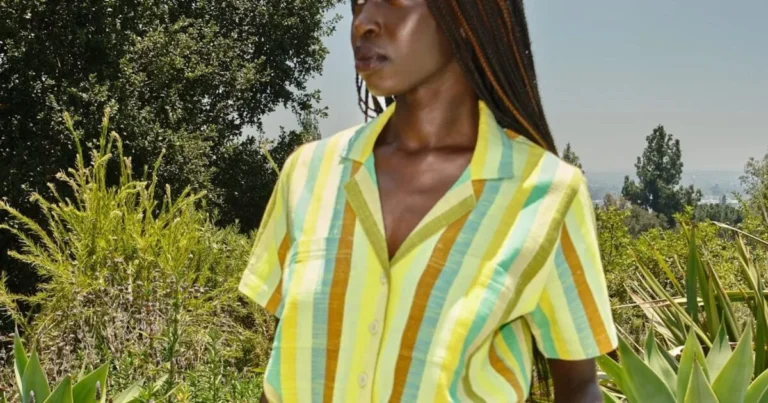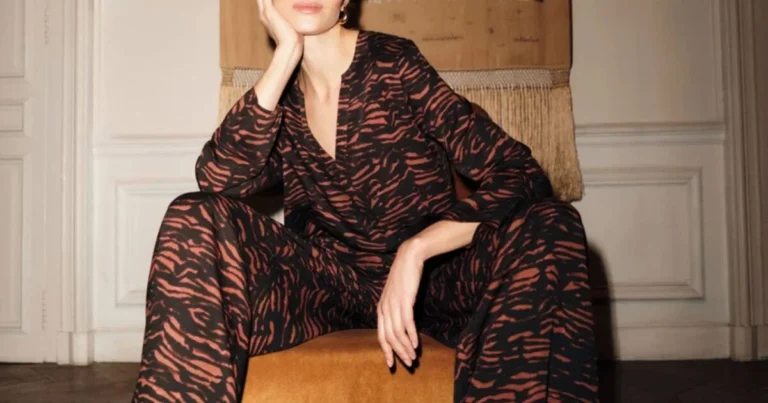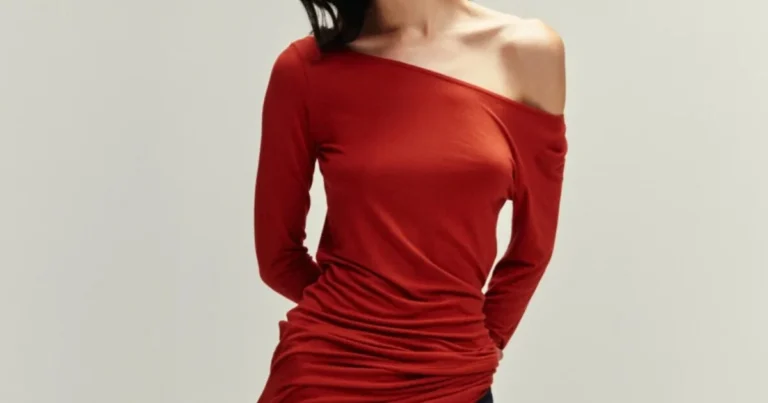











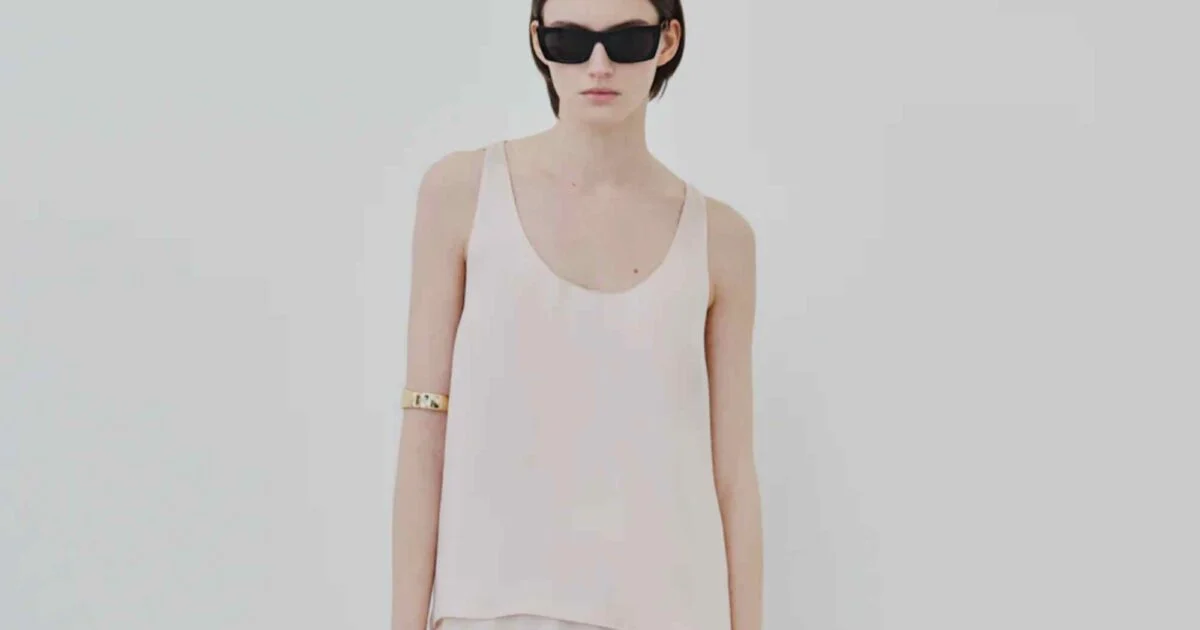
The resurgence of 1990s fashion, largely catalyzed by renewed public interest in icons like Carolyn Bessette Kennedy and a recent Netflix portrayal, is prompting a broader conversation about minimalism – not merely as an aesthetic choice, but as a critical pathway to sustainable consumption and dressing. This enduring style, characterized by clean lines, a muted palette, and timeless silhouettes, stands in stark contrast to the prevailing culture of fast fashion, offering a blueprint for a more conscious and enduring approach to personal style. Good On You’s editorial team, through a rigorous ratings system, curates brands that align with these principles, advocating for choices that support both individual well-being and planetary health.
The Resurgence of ’90s Minimalism and its Cultural Triggers
Carolyn Bessette Kennedy, an enigmatic figure of the late 20th century, has long been revered for her effortlessly chic and understated style. Her wardrobe, a masterclass in elegant simplicity, consistently featured impeccably tailored garments, luxurious fabrics, and a sophisticated, neutral color palette. The recent fictionalized Netflix series, "Love Story," has reignited fascination with her aesthetic, propelling her iconic ’90s outfits back into the fashion zeitgeist. This renewed interest goes beyond mere nostalgia; it taps into a deeper yearning for quality, longevity, and a sense of calm amidst the visual noise and fleeting trends of contemporary fashion. Bessette Kennedy’s approach, which eschewed overt branding and embraced versatility, inadvertently laid the groundwork for a modern understanding of sustainable dressing. Her style was inherently anti-trend, focusing instead on investment pieces that transcended seasons and occasions, a philosophy directly aligned with the core tenets of minimalist fashion.
Minimalism: A Philosophical Rejection of Fast Fashion’s Chaos
The profound environmental and social costs of fast fashion are now widely documented and increasingly undeniable. This industrial model thrives on rapid production cycles, low prices, and engineered obsolescence, encouraging consumers to constantly acquire new garments. The scale of the problem is staggering: the fashion industry is responsible for up to 10% of global carbon emissions, more than international flights and maritime shipping combined, according to the UN Environment Programme. Annually, an estimated 92 million tons of textile waste are generated globally, with a truckload of textiles ending up in landfills or incinerated every second, as highlighted by the Ellen MacArthur Foundation. The ubiquitous use of fossil fuel-based materials like polyester, which can take hundreds of years to decompose, further exacerbates plastic pollution. Beyond environmental degradation, fast fashion perpetuates exploitative labor practices, with garment workers often toiling long hours in unsafe conditions for meager wages, a stark reality often obscured by the industry’s rapid output and rock-bottom prices offered by platforms like Temu, SHEIN, and Alibaba. This relentless push for consumption, fueled by aggressive advertising, has also been linked to increased levels of anxiety and dissatisfaction among consumers, as research suggests a correlation between consumerism and mental health decline.
Minimalism, in its essence, represents a powerful counter-narrative to this unsustainable paradigm. It champions intentionality, simplicity, and a deliberate slowing down of consumption. By focusing on fewer, well-chosen items, minimalism directly challenges the "more stuff at cheaper prices" mentality. It encourages a shift from momentary trends to timeless value, reducing the pressure on both natural resources and personal finances. As fashion ethicists and sustainability advocates increasingly argue, embracing a minimalist wardrobe is not just about personal style; it’s a conscious act of resistance against an extractive and exploitative industry.
Defining Minimalist Fashion: Beyond Aesthetics to Ethical Living
While figures like Carolyn Bessette Kennedy and lifestyle gurus such as Marie Kondo have popularized the aesthetic and organizational aspects of minimalism, the true depth of minimalist fashion lies in its ethical underpinnings. It’s about stripping away the superfluous to reveal what truly adds value and joy, both to the individual and the world. This translates into having a more curated wardrobe, buying less, making informed choices, and ensuring longevity.
At its core, minimalist fashion advocates for investing in high-quality items made from durable, often lower-impact materials that are designed to withstand the test of time. This approach fundamentally shifts the focus from quantity to quality, encouraging consumers to view clothing as an investment rather than a disposable commodity. When executed with intention, a minimalist wardrobe transcends fleeting trends, forming a versatile collection of pieces that can be mixed and matched effortlessly for decades. This stands in direct opposition to the modern consumerist narrative that constantly pushes for newness and rapid turnover. Instead, minimalism poses a fundamental question: "Have you ever considered the profound benefits of intentionally having less?" Less debt, less clutter, less stress, and crucially, less strain on the planet’s finite resources. The journey towards a minimalist wardrobe is often the first, most tangible step in this broader philosophy.
How to Cultivate a Minimalist Wardrobe: Practical Steps for Sustainable Style
Adopting minimalist fashion doesn’t require adhering to rigid rules, but rather embracing a philosophy of intentionality and versatility. While it is often characterized by an absence of busy detailing, a preference for high-quality fabrics, sharp cuts, and a cohesive neutral color palette, these are guidelines, not dictates. The overarching goal is to build a wardrobe where every item works harmoniously with others, maximizing wearability and minimizing waste.
Here are key strategies to begin cultivating a minimalist wardrobe:
- Conduct a Wardrobe Audit: Start by decluttering your existing wardrobe. Critically evaluate each item: Does it fit well? Does it make you feel good? Have you worn it in the last year? Items that don’t meet these criteria can be donated, recycled, or mended. This process helps identify true needs and eliminate redundant pieces.
- Define Your Personal Style: Understand what truly resonates with your lifestyle and aesthetic preferences. This isn’t about conforming to a "minimalist" look, but about identifying colors, silhouettes, and fabrics that you genuinely love and that make you feel confident.
- Embrace a Cohesive Color Palette: While neutrals are common, a minimalist palette can include any colors you prefer, as long as they complement each other. A limited, well-coordinated color scheme ensures that most tops can be paired with most bottoms, maximizing outfit combinations.
- Prioritize Quality Over Quantity: Invest in well-made garments crafted from durable, sustainable materials. Think organic cotton, linen, Tencel, responsibly sourced wool, or recycled fibers. These materials not only last longer but often have a lower environmental footprint.
- Seek Versatility: Choose items that can be dressed up or down, layered, and adapted for various occasions. A classic white shirt, for example, can be worn with jeans for a casual look or paired with tailored trousers for a more formal setting.
- Consider a Capsule Wardrobe: This concept involves creating a small collection of interchangeable clothing items, typically 30-40 pieces, that can be mixed and matched to create numerous outfits. This forces intentionality and highlights the power of versatile staples.
- Practice Mindful Shopping: Before purchasing a new item, ask yourself: Do I truly need this? Does it fit into my existing wardrobe? Is it well-made? Can I see myself wearing it for years to come? This prevents impulsive buys and ensures every addition is a considered one.
- Care for Your Clothes: Proper garment care extends the life of your clothing. Follow washing instructions, repair minor damage promptly, and store items correctly. This reduces the need for frequent replacements.
The Economic and Environmental Dividends of Intentional Consumption
The shift towards minimalist fashion offers tangible benefits beyond aesthetic appeal. Economically, adopting a minimalist approach can lead to significant savings. By investing in fewer, higher-quality items, consumers reduce the frequency of purchases, diminishing overall expenditure on clothing. While individual pieces may have a higher upfront cost, their extended lifespan translates to a lower "cost per wear" over time. Furthermore, less impulsive shopping means less debt and a healthier financial outlook.
Environmentally, the impact is profound. A reduction in consumption directly translates to a decrease in demand for new raw materials, energy, and water used in textile production. Opting for durable, responsibly sourced materials lessens the reliance on harmful synthetic fibers and reduces the volume of textiles destined for landfills. By extending the life of garments, minimalist practices directly combat textile waste, a critical component of the global waste crisis. This mindful approach fosters a circular economy mindset, where resources are valued and kept in use for as long as possible, rather than following a linear "take-make-dispose" model.
Leading the Way: Brands Championing Minimalist and Sustainable Principles
The growing demand for conscious consumption has spurred the emergence of brands that align with minimalist and sustainable values. These companies prioritize ethical production, transparency, and the use of lower-impact materials, offering consumers alternatives to fast fashion. Our editors curate highly rated brands that undergo a rigorous assessment of their environmental, worker, and animal impacts.
- Akyn: Founded by sustainable fashion industry legend Amy Powney, Akyn creates contemporary, timeless womenswear using lower-impact materials, setting a high bar for ethical production.
- Dorsu: Based in Cambodia, Dorsu crafts everyday basics and signature pieces, forming the foundation of a conscious wardrobe. The brand focuses on fair practices and offers sizes XS-XL.
- Colorful Standard: This Danish brand disregards fleeting trends, instead focusing on timeless, long-lasting organic fashion essentials for men and women, available in sizes XS-2XL.
- ASKET: Since 2015, ASKET has been creating timeless wardrobe essentials with revolutionary sizing and fair pricing. They focus on a single permanent collection, selling directly to consumers in sizes 2XS-2XL.
- JAN ‘N JUNE: This Hamburg-based label, founded by young female entrepreneurs, offers sustainable, fair, and transparent fashion. Their minimalistic, stylish pieces are available in sizes XS-XL.
- Kalaurie: A Melbourne, Australia brand, Kalaurie creates stunning capsule collections with an emphasis on signature shirt tailoring, using high standards for sustainability across all categories. Pieces are available in 2XS-2XL.
- ESSÄN: Founded in response to overproduction, ESSÄN is a shoes and accessories brand that limits production runs and uses low-waste cutting techniques. They maintain a single, permanent collection.
- Kowtow: This New Zealand brand uses organic, fair trade cotton and non-toxic dyes to produce elegant, timeless womenswear, available in sizes XS-L.
- The Summer House: Creating beautiful womenswear in India, The Summer House uses locally made, lower-impact fabrics and partners with local artisans and NGOs. Their range is available in sizes XS-XL.
- HERTH: An Italian lifestyle brand, HERTH combines sustainability and ethics with timeless aesthetics. They promote slow fashion with contemporary pieces crafted by local Italian artisans using lower-impact materials, available in XS to 2XL.
- SANTICLER: This US-based label offers timeless collector pieces for women, designed with intention to reduce waste, using lower-impact materials like GOTS-certified cotton and responsibly sourced wool. Most items are in sizes XS-L.
- POPLINEN: An LA brand specializing in more sustainably made basics using plant-based materials, POPLINEN offers items in sizes XS-L. They often provide exclusive offers for conscious consumers.
- Minimalist: Anchored in timeless design, Minimalist is a curated collection of women’s ready-to-wear pieces, all made in New York and designed for recycling. They use certified lower-impact materials and ensure fair wages, available in sizes XS-L.
- ReCreate: This New Zealand brand creates boutique clothing that transforms lives through fair employment, training, and empowerment, using lower-impact materials and textile offcuts. Most items are in sizes XS-XL.
- Proclaim: Los Angeles-based Proclaim makes beautiful bras, underwear, and basics from responsible materials like recycled plastic bottles and TENCEL, ensuring living wages for workers. The range is in sizes S-3XL.
- Neem: Hailing from the UK, Neem focuses on men’s clothing with a transparent supply chain and environmental safeguards, offering most items in sizes S-2XL.
- ISTO.: This Portuguese brand creates timeless, staple items for year-round wear, using organic materials and transparently showing the true cost of their clothes. The range is available in XS-XL.
The Broader Cultural Shift Towards Conscious Consumption
The current fascination with ’90s minimalism, propelled by cultural touchstones, is more than just a passing trend; it reflects a broader societal awakening to the pitfalls of unchecked consumerism. Consumers are increasingly seeking authenticity, durability, and ethical production in their purchases, extending beyond fashion to other aspects of their lives. This shift signals a maturing market where values-driven choices are gaining prominence. The implications are significant for the fashion industry, compelling brands to re-evaluate their supply chains, material choices, and labor practices. For individuals, it empowers them to make choices that align with their ethical convictions, fostering a deeper connection to their possessions and a greater sense of responsibility towards the planet.
In essence, Carolyn Bessette Kennedy’s enduring style, once admired for its aesthetic appeal, now serves as an unwitting icon for a vital movement towards sustainable living. Her wardrobe, a testament to the power of thoughtful curation and timeless design, offers a tangible example of how minimalism can combat the excesses of fast fashion, proving that true style is not about having more, but about choosing well and making it last. This renewed focus on intentionality and quality is not merely a fleeting trend, but a foundational shift towards a more responsible and rewarding way of dressing and living.