








Finding the perfect pair of glasses is a sartorial challenge every gentleman faces, a quest that transcends mere vision correction to become a definitive statement of personal style and refined taste. From the distinct character of "bone hard" buffalo horn to the enduring appeal of vintage aviators, navigating the myriad options requires an expert guide. A recent expedition to Vienna, a city synonymous with enduring craftsmanship and sophisticated elegance, brought Gentleman’s Gazette contributor Jack Collins to Schau Schau Brillen, where master optician Paul unveiled the "Golden Rules" for selecting the ideal frame. This comprehensive guide delves into the intricate art and science of eyewear, examining historical context, material science, and the critical relationship between frame and face.
A Journey into Viennese Opticianry: Inside the Schau Schau Brillen Archive
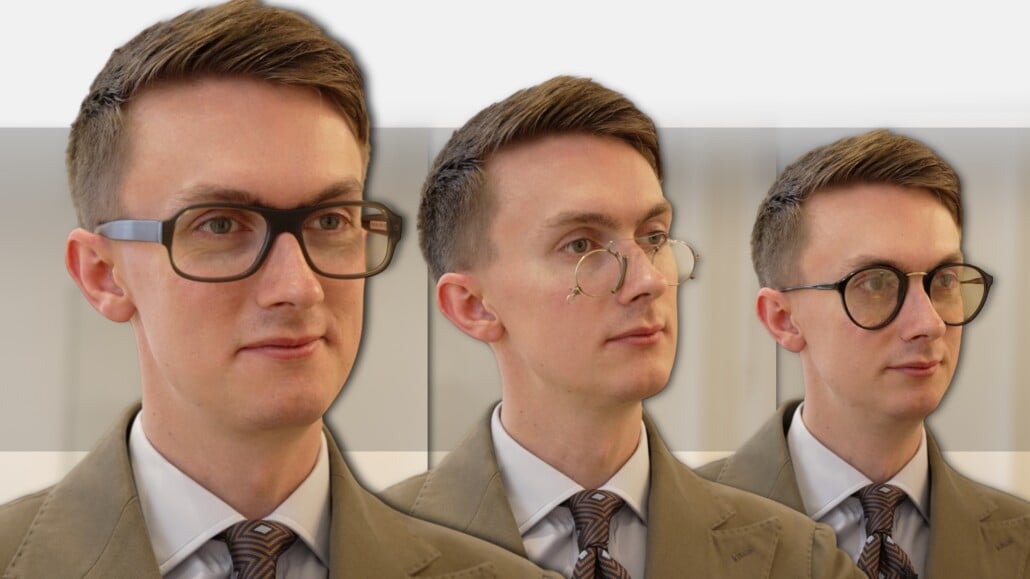
The visit to Schau Schau Brillen in Vienna represents more than just a retail experience; it is an immersion into a meticulously curated archive of eyewear history. Paul, the esteemed master optician, presides over a collection numbering approximately 1,000 frames, each piece a testament to evolving design, material innovation, and societal trends. This vast repository serves as a living museum, offering an unparalleled opportunity to explore the nuances of eyewear through the decades. Jack Collins’s exploration with Paul involved trying on an array of vintage styles, from the bold statements of 1980s aviators to the subtle luxury of modern bespoke buffalo horn frames, demonstrating firsthand how different eras of design profoundly influence a gentleman’s overall aesthetic. The meticulous organization and deep knowledge held within Schau Schau Brillen highlight Vienna’s enduring commitment to preserving and celebrating artisan traditions, positioning it as a significant hub for bespoke and vintage luxury.
The Evolution of Eyewear: A Historical Perspective
Eyeglasses, initially conceived as purely functional aids, have undergone a remarkable transformation over several centuries, evolving into indispensable fashion accessories. The earliest forms, often referred to as "reading stones" or beryls, emerged in the late 13th century, primarily as convex lenses held to the eyes. The invention of spectacles, two lenses joined by a hinge, followed shortly after in Italy. However, these early versions lacked a secure way to stay on the face, requiring them to be held by hand or precariously perched.

The 17th and 18th centuries saw the introduction of frames designed for the nose, such as the pince-nez, which gripped the bridge of the nose, and "temple spectacles" or "arm spectacles" that featured short arms pressing against the temples. It wasn’t until the mid-18th century that London optician Edward Scarlett is credited with inventing rigid side arms that extended over the ears, revolutionizing comfort and wearability. This innovation marked a pivotal shift, making eyeglasses practical for daily use and opening the door for design variations.
The 20th century witnessed an explosion of styles, driven by technological advancements and changing fashion sensibilities. The 1930s introduced iconic designs like the aviator, originally developed by Bausch & Lomb for U.S. military pilots, blending functionality with a rugged aesthetic. Post-war prosperity and the rise of Hollywood culture further cemented glasses as a fashion statement. The 1950s embraced cat-eye frames and horn-rimmed glasses, while the 1960s saw larger, bolder plastic frames. The 1980s, exemplified by the aviators explored in Vienna, were characterized by oversized and often brightly colored frames, reflecting the decade’s penchant for extravagance. This historical journey underscores Paul’s assertion that "classic frames are never out of time," as timeless designs continually re-emerge and adapt, proving their enduring appeal.
Mastering the Art of Fit: The Science of Face Shapes and Proportions
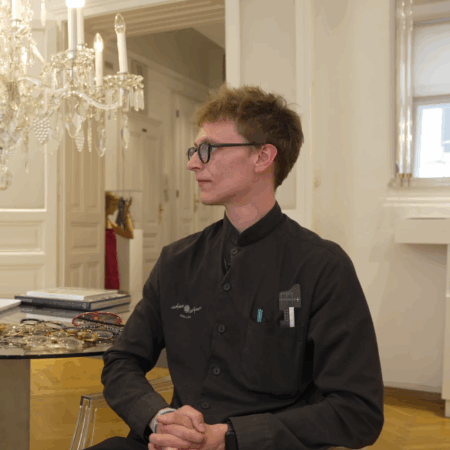
The bedrock of selecting the perfect pair of glasses lies in understanding one’s face shape and the subtle interplay of frame proportions. This guide emphasizes that seemingly minor differences in bridge size, frame width, and lens height can drastically alter an individual’s appearance, either enhancing or detracting from their features. A master optician’s analysis goes beyond superficial aesthetics, delving into the anatomical nuances of facial structure.
For instance, an oval face, considered universally balanced, can typically wear almost any frame style, with broader frames often preferred to maintain balance. A round face, characterized by soft curves and equal width and length, benefits from angular frames (like rectangular or square) that add definition and length. Conversely, a square face, with strong, angular features and a broad forehead and jawline, is softened by rounder or oval frames, which introduce curves and reduce harshness.
Heart-shaped faces, wider at the top and tapering to a narrow chin, are often complemented by frames that are wider at the bottom or have delicate details on the lower half, balancing the face. Oblong faces, longer than they are wide, can benefit from frames with more depth (taller lenses) and decorative temples to add width and break up the length. Diamond-shaped faces, with narrow foreheads and chins and wide cheekbones, are best served by oval or cat-eye frames, which highlight the eyes and soften the cheekbones.

Paul’s expertise highlights that beyond the general shape, the precision of fit is paramount. The bridge size is critical: if too wide, the glasses will "wiggle" and slide down; if too narrow, they will pinch. The frame width must align with the widest part of the face or be slightly wider, ensuring the temples run straight back to the ears without bowing out or pressing in. Similarly, the lens height is crucial to prevent the bottom of the frame from pressing against the cheeks, an uncomfortable issue that causes glasses to lift with every smile. This meticulous attention to fit ensures not only comfort but also that the chosen eyewear harmonizes with, rather than overwhelms, the wearer’s facial features.
Materials Matter: Buffalo Horn vs. Acetate and Beyond
The choice of material is another critical factor influencing the comfort, durability, and aesthetic of eyewear. The article highlights two prominent materials: buffalo horn and acetate, each with distinct advantages and disadvantages.
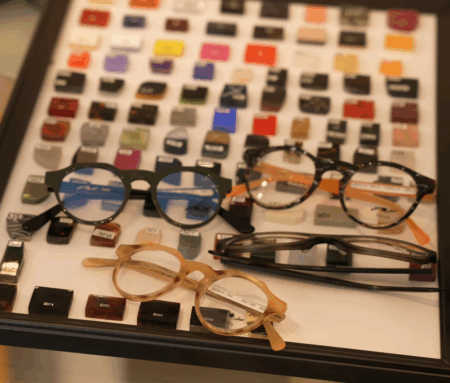
Buffalo horn, as Paul notes, is "unique. You will never get an exact pair of glasses like these." Sourced from the Asian water buffalo, horn is prized for its natural, iridescent patterns, which ensure no two frames are identical. Its primary advantages include its exceptional lightness and its ability to warm to body temperature, making it incredibly comfortable against the skin, particularly for individuals with sensitive skin or allergies to synthetic materials. However, horn is also high-maintenance; it is fragile, susceptible to cracking if dropped, and requires regular moisturizing to prevent drying out. Its bespoke nature and intricate crafting process also contribute to a higher price point. Ethical sourcing is also a consideration, with reputable opticians ensuring horns are obtained as a byproduct of the meat industry.
Acetate, or cellulose acetate, stands in stark contrast. Derived from cotton and wood pulp, it is a plant-based plastic known for its durability, flexibility, and hypoallergenic properties. Acetate’s manufacturing process allows for an incredible array of vibrant colors, patterns, and transparencies that are impossible to achieve with natural horn. It is also more robust and less susceptible to damage from daily wear, making it a lower-maintenance option. While it doesn’t offer the unique warmth of horn, modern acetate frames are lightweight and comfortable. Its versatility and relative affordability have made it a cornerstone of contemporary eyewear manufacturing.
Beyond these, the article touches upon historical material choices like cable temples, a feature seen in some vintage frames, including the "Harry Potter" style. Paul explains these arms, which curl completely around the back of the ear, were a "sporty version" designed for maximum security. In an era before adjustable nose pads were ubiquitous, cable temples provided a firm grip, preventing glasses from falling off during physical activity. This design underscores a historical emphasis on function over pure aesthetic, a balance that has continually shifted throughout eyewear history.
Iconic Styles Revisited: From Aviators to "Harry Potter" Frames
The exploration within Schau Schau Brillen offered a vivid journey through iconic eyewear styles, each imbued with its own history and character. The 1980s aviators, for instance, represent a bold evolution of the original 1930s design, often featuring larger lenses and heavier frames that epitomized the decade’s excess and confidence. Their continued popularity speaks to their versatile appeal, transitioning seamlessly from military functionality to a fashion staple embraced by celebrities and the general public alike.
The "Harry Potter look," referring to small, round, wire-rimmed frames, evokes a sense of intellectualism and vintage charm. This style has roots stretching back to the late 19th and early 20th centuries, often associated with scholars, artists, and revolutionaries. Its resurgence in popular culture, notably through the beloved wizarding character, cemented its iconic status, proving that simple, classic designs possess timeless allure.

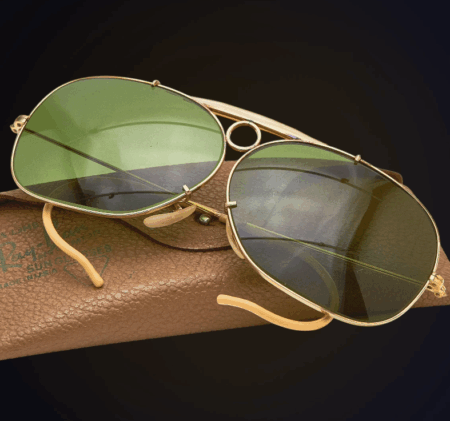
Perhaps most intriguing are the Ray-Ban Shooter sunglasses, a classic aviator variant from the 1930s and 40s. These frames are distinctively marked by a "bullet hole" ring in the center of the bridge. While its appearance might suggest a target, its origin is purely functional. Designed for pilots and later adopted by hunters, this unique ring was specifically engineered to hold a cigarette, allowing the wearer to keep both hands free during critical tasks. This anecdote highlights how innovative functional requirements often drive aesthetic peculiarities that later become iconic design elements, demonstrating the deep intertwining of utility and style in eyewear history. Jack Collins’ observation that certain frames felt "menacing" or made him feel like he was "plotting something" speaks to the powerful psychological impact eyewear can have, shaping perception and persona.
The Master Optician’s Insights: Craft, Comfort, and Timeless Appeal
Paul, the master optician, articulates a profound philosophy that underpins the selection of quality eyewear. His emphasis on the uniqueness of materials like buffalo horn, stating "You will never get an exact pair of glasses like these," underscores the value of bespoke craftsmanship and natural variations. This perspective extends to the enduring appeal of classic frames, which he believes "are never out of time. You can always wear them and that’s why they will never die." This sentiment resonates with the broader principles of gentlemanly style, where quality, timelessness, and personal fit supersede fleeting trends.
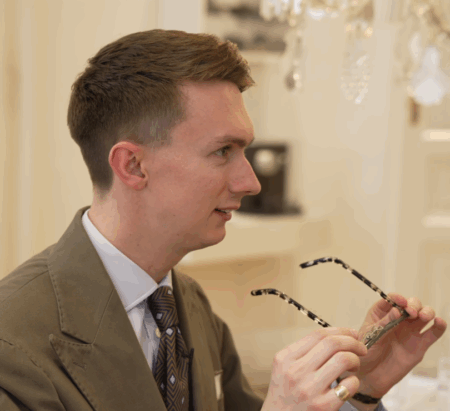
His insights also demystify the practical aspects of eyewear. When asked how to identify a poor fit, Paul points to "wiggling" and "cheek contact." A frame that wobbles on the nose indicates a bridge that is too wide, failing to secure the glasses. Similarly, if the lenses are too tall, the frame will press uncomfortably against the cheeks, lifting every time the wearer smiles. These simple yet critical indicators serve as essential guidelines for consumers.
On the debate between nose pads vs. a saddle bridge, Paul explains it’s a matter of both comfort and anatomy. Nose pads, typically small, clear ovals, are adjustable, making them ideal for individuals with flatter nose bridges, allowing for a customizable fit that lifts the frame to the correct height. A saddle bridge, where the frame rests directly on the nose, offers a cleaner, more integrated aesthetic but demands a perfect anatomical match. An ill-fitting saddle bridge will either slide down (too wide) or pinch (too narrow), highlighting the importance of precise measurements and expert fitting.
The Enduring Impact of Eyewear on Personal Identity

Jack Collins’ concluding reflection, "It goes to show how the proportions of the frame make such a big impact on a person’s style," encapsulates the essence of this Viennese journey. Eyewear is far more than a medical device; it is a powerful tool for personal expression, capable of subtly altering perceptions, enhancing facial features, and communicating aspects of one’s identity. The right pair can project confidence, intellect, creativity, or sophistication, becoming an intrinsic part of one’s personal brand.
In an increasingly visual world, the selection of glasses has ascended to the same level of importance as choosing a bespoke suit or a fine timepiece. It represents an investment in one’s image and comfort, a testament to discerning taste and an appreciation for quality craftsmanship. The exploration at Schau Schau Brillen serves as a vital reminder that while trends may come and go, the "Golden Rules" of fit, material, and timeless design remain constant, guiding every gentleman toward eyewear that not only corrects vision but also profoundly enhances personal style.
Vienna’s Artisan Legacy
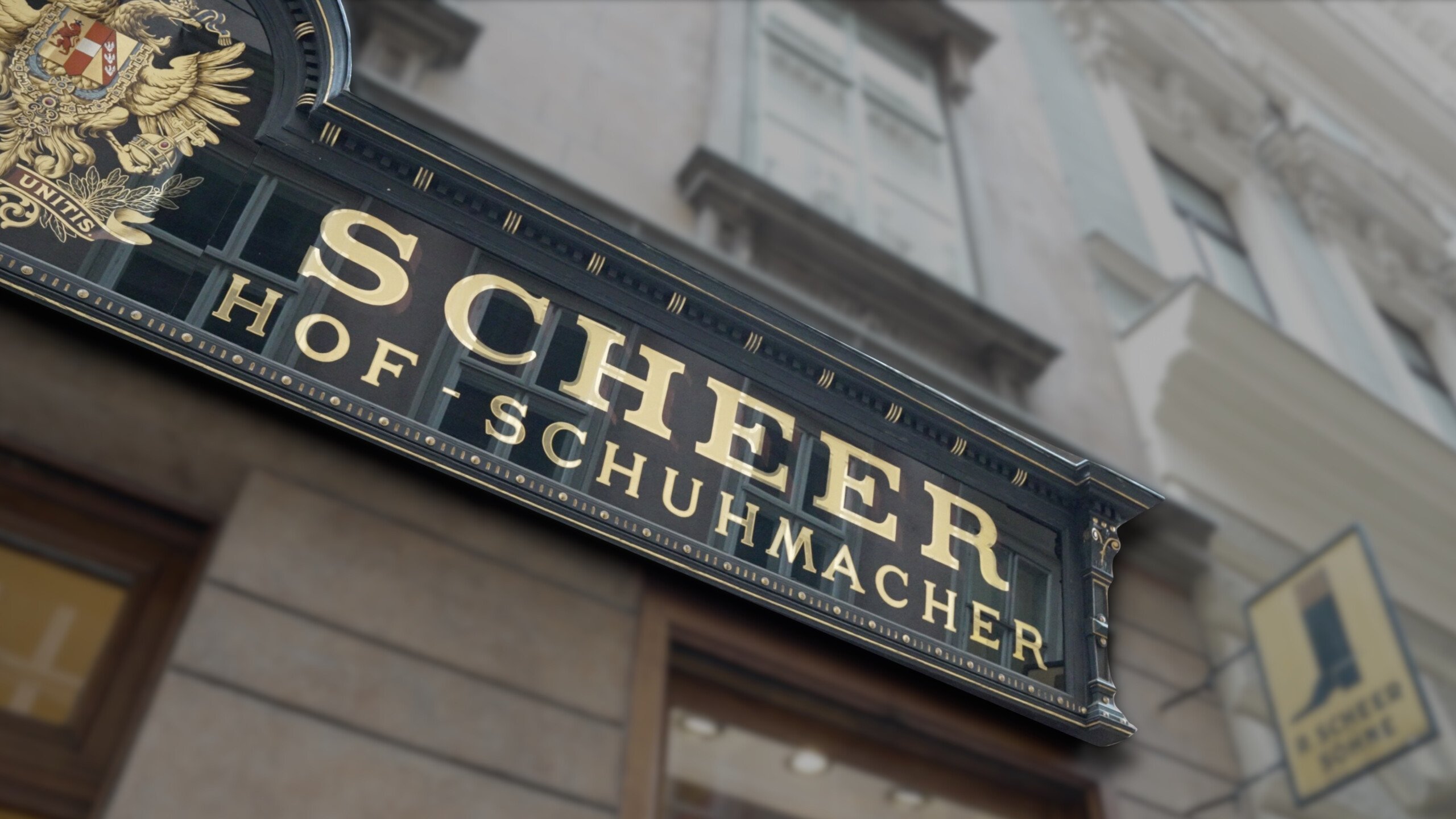
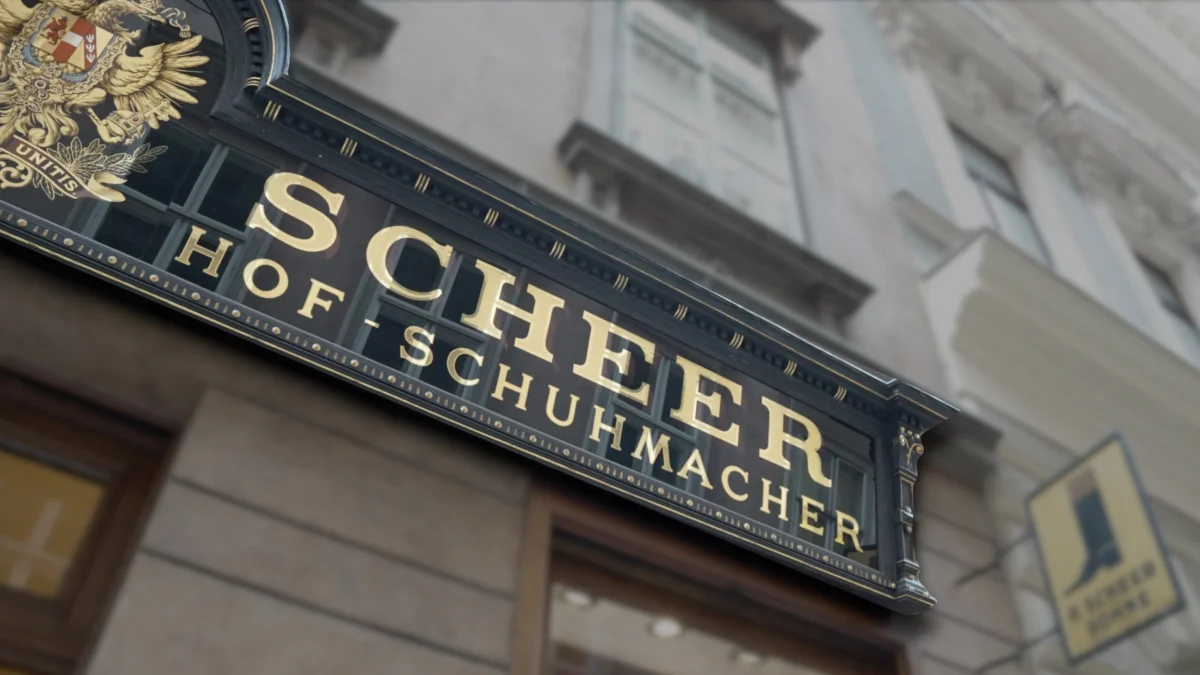
This deep dive into eyewear in Vienna is not an isolated incident but rather a reflection of the city’s broader legacy in luxury craftsmanship. Vienna has long been a bastion for bespoke artistry, from the exquisite shoemaking of Rudolf Scheer & Söhne, celebrating over 200 years of bespoke history, to the rich heritage of fragrance houses like Estoras, rooted in the Esterházy legacy. The city also hosts venerable establishments like Wilhelm Jungmann & Neffe, a fabric house dating back to 1873, where traditions of quality and meticulous attention to detail continue to thrive. These institutions collectively underscore Vienna’s commitment to preserving artisan skills and offering unparalleled quality, making it a pilgrimage site for gentlemen seeking the finest in sartorial and lifestyle pursuits, including the perfect pair of glasses.