











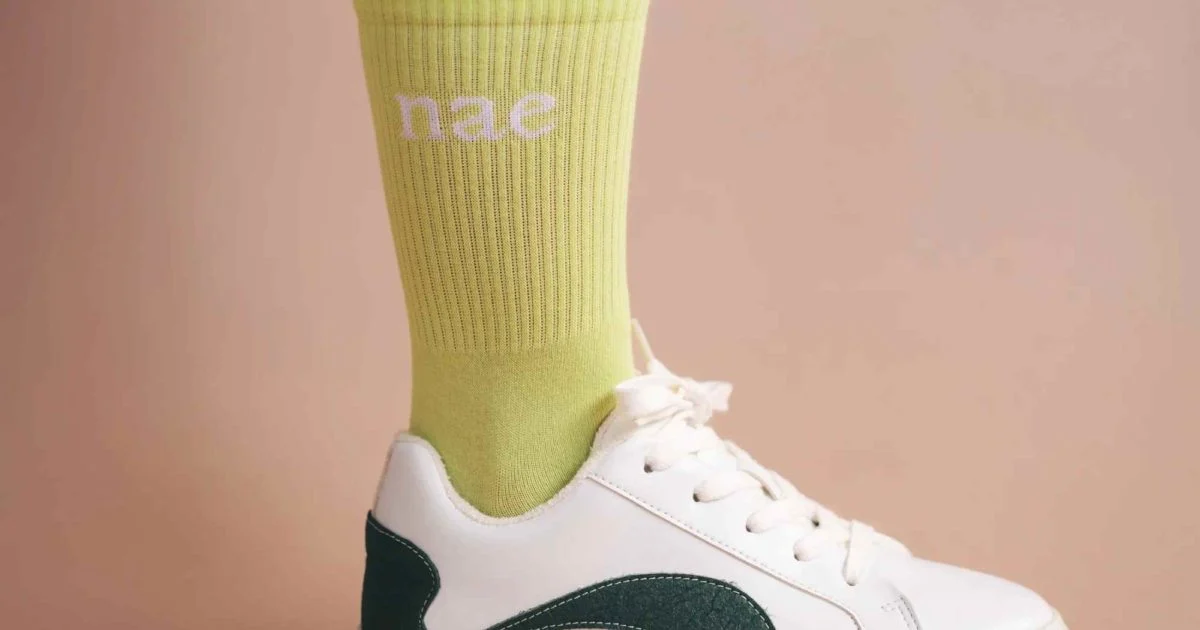
The global fashion industry is undergoing a transformative shift, with increasing scrutiny on environmental and social impacts driving a significant pivot towards more ethical and sustainable practices. Within this evolving landscape, sneakers, long a ubiquitous staple transcending seasonal trends and personal styles, are at the forefront of this change. Once considered mere commodities susceptible to the rapid cycles of fast fashion, sneakers are now being re-evaluated through the lens of longevity, responsible production, and ecological stewardship. This article delves into the burgeoning movement of sustainable sneaker manufacturing, examining its drivers, innovations, key players, and broader implications for both the industry and conscious consumers.
The Sneaker’s Enduring Appeal and its Environmental Imperative
Sneakers have cemented their status as a cornerstone of modern wardrobes, prized for their versatility, comfort, and cultural significance. Unlike highly specialized athletic footwear designed for specific performance metrics and often replaced after a few years of intense use, "everyday" or "trend" sneakers frequently fall victim to the fast fashion cycle. This phenomenon trains consumers to perpetually seek out new designs, leading to accelerated consumption and disposal. The consequence is a substantial environmental burden: a constant demand for new materials, energy-intensive manufacturing processes, and an ever-growing volume of waste.
The global sneaker market, valued at over $70 billion in 2020 and projected to exceed $100 billion by 2026, presents a colossal challenge and opportunity for sustainability. Each year, billions of pairs of shoes are produced, with a significant portion ending up in landfills, where their composite materials—often a complex mix of plastics, synthetic rubbers, adhesives, and textiles—can take hundreds of years to decompose. The urgency of addressing this issue is underscored by rising consumer awareness and a collective global effort to mitigate climate change and resource depletion.
Deconstructing the Environmental and Social Footprint of Conventional Sneakers
To appreciate the strides made by sustainable brands, it’s crucial to understand the traditional sneaker’s environmental and social footprint. The journey from raw material to finished product is often fraught with ecological and ethical concerns:
- Material Extraction and Production: Conventional sneakers heavily rely on petroleum-derived plastics such as EVA (ethylene-vinyl acetate) for soles, polyurethane for synthetic leathers, and polyester for uppers and linings. The extraction and processing of these virgin plastics are energy-intensive and contribute significantly to greenhouse gas emissions. Traditional cotton, another common material, is known for its high water consumption and reliance on pesticides, impacting ecosystems and local communities. Leather, while natural, often involves resource-intensive cattle farming (contributing to deforestation and methane emissions) and chemically-heavy tanning processes that can pollute water systems with toxic effluent.
- Manufacturing Processes: The assembly of sneakers involves numerous steps, each requiring energy and often utilizing chemical adhesives and dyes. Factories, predominantly located in Asia, frequently rely on fossil fuels for power, further contributing to carbon emissions. Water usage for dyeing and washing components can be substantial, and the discharge of untreated wastewater remains a concern in many regions.
- Supply Chain Ethics: The footwear industry has historically faced criticism regarding labor practices. In an effort to keep costs low, many manufacturers operate in regions where labor laws are lax, leading to issues such as low wages that fall below living wage standards, unsafe working conditions, excessive working hours, and, in some extreme cases, even child labor. Transparency in the complex global supply chains is often lacking, making it difficult for consumers to ascertain the true ethical cost of their purchases.
- End-of-Life Impact: The composite nature of most sneakers makes them notoriously difficult to recycle. When discarded, they contribute to the burgeoning landfill crisis, leaching chemicals into the soil and water as they slowly degrade over centuries. The sheer volume of discarded footwear represents a significant waste management challenge globally.
The Evolution of Sustainable Footwear: A Timeline of Innovation
The response to these challenges has been a dynamic period of innovation and strategic shifts within the footwear industry, spanning roughly the last two decades.
- Early 2000s: Initial Awareness & Niche Brands: The turn of the millennium saw the emergence of a few pioneering brands focusing on organic cotton and recycled rubber. These were largely niche players, appealing to a small segment of environmentally conscious consumers.
- Mid-2000s to Early 2010s: Fair Trade & Certification: As awareness grew, the focus expanded beyond just materials to include fair labor practices. Certifications like Fair Trade and Global Organic Textile Standard (GOTS) began gaining traction, providing benchmarks for ethical production. Brands like Etiko, founded in 2005, became early champions of these standards.
- Mid-2010s: Material Innovation Acceleration: This period witnessed a significant acceleration in the development of innovative, lower-impact materials. Recycled PET (from plastic bottles) became more common for uppers, and brands started experimenting with bio-based alternatives derived from agricultural waste. Vegan footwear also began its rise, moving beyond simple synthetics to more sophisticated plant-based leathers.
- Late 2010s to Present: Circularity and Holistic Approaches: The concept of a circular economy gained prominence. Brands started designing for longevity, repairability, and recyclability. Take-back programs and partnerships with textile recyclers became more common. The integration of renewable energy in manufacturing, made-to-order models to reduce waste, and a commitment to living wages became hallmarks of leading sustainable brands. Major players also started investing heavily in their own sustainable lines and R&D.
Trailblazers in Ethical Sneaker Production: Exemplifying Change
Several brands are leading the charge in redefining what a sneaker can be, prioritizing people, the planet, and animals in their operations. Their diverse approaches highlight the multi-faceted nature of sustainability:
- Vesica Piscis (Spain): This vegan footwear brand epitomizes a holistic approach. By utilizing a high proportion of lower-impact materials and powering its manufacturing with renewable energy, Vesica Piscis significantly reduces its carbon footprint. Furthermore, its made-to-order production model is a direct antidote to fast fashion’s waste generation, ensuring that products are created only when demand exists. Offering sizes 36-46, the brand caters to a broad customer base seeking conscientious choices.
- Etiko (Australia): A venerable name in ethical fashion, Etiko has consistently set the standard for upholding human rights within traditionally exploitative supply chains. As an Australian designer of organic fair trade clothing and shoes, Etiko ensures fair wages and safe working conditions for its producers. Its commitment to organic materials further minimizes environmental impact, making it a benchmark for socially responsible manufacturing. Their shoes are available in UK sizes 3-13, with clothing in AU sizes 8-20.
- Agazi (Poland): Specializing in vegan footwear, Agazi demonstrates remarkable innovation in material science. Their diverse range of sneakers, sandals, heels, and flats are crafted from non-animal-derived materials, including natural hemp and cutting-edge alternative leathers made from apple skin and grape by-products. This focus on bio-based materials showcases a commitment to reducing reliance on petroleum-based synthetics.
- ID.EIGHT (Italy): Born from the expertise of Dong Seon Lee and Giuliana Borzillo in the footwear industry, ID.EIGHT combines refined Italian design with deep sustainability principles. Their sneakers are made in Italy using lower-impact materials primarily sourced from food industry waste—such as apple peels, grape stalks and seeds, and pineapple leaves—alongside recycled cotton and polyester. This upcycling of agricultural and textile waste represents a significant step towards a circular economy in footwear. They offer shoes in EU sizes 36-46.
- Komodo (UK): A UK brand with a strong focus on both people and the planet, Komodo integrates more responsible materials like GOTS-certified cotton and hemp into its menswear and womenswear collections. Crucially, Komodo ensures that most of its suppliers pay a living wage to their workers, addressing a fundamental ethical concern in the garment industry. Their range is typically available in UK sizes 8-16.
- Flamingos’ Life (Spain): This brand is dedicated to creating vegan sneakers free from any animal-derived materials. Flamingos’ Life utilizes PETA-approved vegan materials, including innovative upcycled components, demonstrating a commitment to animal welfare and waste reduction. Their stylish offerings are available in sizes 36-46, proving that ethical footwear does not compromise on design.
- tentree (Canada): Beyond material choices, tentree offers a unique model for environmental regeneration. For every item purchased, including their sneakers, the Canadian brand plants ten trees, contributing to ecosystem restoration and providing planting jobs globally. With over 65 million trees planted to date, tentree’s "Earth-first" approach ensures products are made under fair, safe working conditions from lower-impact and recycled materials. Their clothes are typically available from XS-XL.
- Elk (Australia): Founded in Melbourne in 2004, Elk is an independent Australian design pioneer known for its bi-annual collections that marry simplicity with sustainability and innovation. While not exclusively a sneaker brand, their design ethos extends to their footwear, emphasizing quality and thoughtful material choices. Elk’s commitment to creating lasting pieces counters the throwaway culture of fast fashion. Most items are available in AU sizes 6-18.
The Consumer’s Pivotal Role: Beyond the Point of Sale
The transition to a more sustainable footwear industry is not solely the responsibility of brands; consumers play an equally crucial role. Shifting from a mindset of chasing fleeting trends to investing in high-quality, ethically produced shoes is paramount. This involves:
- Prioritizing Longevity and Quality: Choosing sneakers designed for durability reduces the frequency of replacement, thereby lessening overall consumption and waste.
- Adopting Proper Care: Learning how to clean and care for shoes effectively extends their lifespan. Simple practices like regular cleaning, proper storage, and timely repairs can add years to a pair of sneakers, proving more sustainable for the planet and more economical for the individual.
- Supporting Ethical Brands: Consciously choosing brands that demonstrate commitment to environmental protection, fair labor practices, and animal welfare sends a clear market signal, encouraging more companies to adopt similar standards. Resources like the Good On You directory empower consumers to make informed choices by providing comprehensive ratings of fashion and beauty brands’ impact.
- Engaging in End-of-Life Solutions: When sneakers genuinely reach the end of their functional life, responsible disposal is key. Instead of discarding them in general waste, consumers should seek out donation programs like Soles4Souls, which provides shoes to those in need, or recycling initiatives such as Nike’s Reuse-A-Shoe Program, which repurposes old athletic footwear into new products.
Industry Responses and the Future Outlook
The growing demand for sustainable sneakers has not gone unnoticed by industry giants. Major brands like Nike and Adidas have launched their own sustainability initiatives, investing in recycled materials, developing bio-based alternatives, and establishing take-back programs. For instance, Nike’s "Move to Zero" initiative aims for a zero-carbon, zero-waste future, incorporating recycled content into many of its popular models. Adidas has made significant strides with its "Parley for the Oceans" collaboration, transforming ocean plastic into performance footwear. While these efforts by large corporations are commendable and scale impactful changes, they also highlight the ongoing challenge of achieving true circularity and ethical transparency across vast, complex global operations.
Looking ahead, the sustainable sneaker market is poised for continued growth and innovation. We can anticipate:
- Further Material Advancements: Research into mushroom leathers, algae-based foams, and other novel bio-materials will likely lead to even lower-impact options.
- Enhanced Manufacturing Efficiency: Automation, localized production, and advanced 3D printing techniques could reduce waste, energy consumption, and transportation emissions.
- Increased Transparency: Consumer demand and regulatory pressures will likely drive greater transparency throughout supply chains, enabling easier verification of ethical and environmental claims.
- Mainstream Adoption: As sustainable options become more stylish, accessible, and competitively priced, they will increasingly move from niche appeal to mainstream acceptance, fundamentally reshaping consumer expectations.
- Addressing Greenwashing: With the rise of sustainable claims, there will be an increased need for robust verification and independent ratings to combat "greenwashing" – misleading consumers about a product’s environmental benefits. Organizations like Good On You will continue to play a vital role in providing objective assessments.
The journey towards a fully sustainable sneaker industry is complex and ongoing. It requires continuous innovation from brands, diligent oversight from regulatory bodies, and, crucially, informed and conscious choices from consumers. By embracing ethical and sustainable sneakers, we are not just making a fashion statement; we are casting a vote for a more responsible, equitable, and environmentally sound future for the planet and its inhabitants.