









Melbourne, Australia – In a significant move to demystify and promote ethical consumption within the professional sphere, Sandra Capponi and Gordon Renouf, the visionary co-founders of the renowned fashion sustainability rating platform Good On You, have publicly shared their personal recommendations for building a conscious workwear wardrobe. Their curated selections, featuring 16 brands independently assessed as "Good" or "Great" by Good On You’s rigorous methodology, offer a practical guide for professionals seeking to align their sartorial choices with their values. This initiative underscores a decade of advocacy by Capponi and Renouf, who have been at the forefront of empowering consumers with transparent information on fashion and beauty brands’ environmental, social, and animal welfare impacts.
A Decade of Driving Transparency in Fashion
Since its inception, Good On You has evolved into a global authority on sustainable fashion, providing comprehensive ratings for over 6,000 fashion and hundreds of beauty brands. The platform’s core mission is to simplify informed choices for consumers, promoting the philosophy of "buy less, buy better." This mission is particularly pertinent in an era where the fashion industry’s environmental footprint and ethical challenges are under increasing scrutiny. The organization’s proprietary five-point rating scale, developed by a diverse panel of experts, evaluates brands across critical sustainability issues, including their impact on people (labor rights, supply chain transparency), the planet (resource use, waste, pollution), and animals (animal welfare policies). Only brands demonstrating significant contributions to sustainable practices earn the coveted "Good" or "Great" ratings, signifying a genuine commitment to responsible production.
The decision by Capponi and Renouf to share their personal workwear picks is not merely a promotional exercise but a practical extension of Good On You’s educational outreach. Having navigated countless business meetings, events, and journeys over the past ten years, the co-founders possess a unique insight into both the demands of professional attire and the complexities of identifying truly ethical brands. Their recommendations serve as a tangible demonstration of how to integrate sustainability into daily life, particularly within a professional context where making a positive impression often coincides with making responsible choices.
The Urgent Need for Sustainable Fashion
The global fashion industry is a major contributor to environmental degradation and social inequality. Reports indicate that the industry accounts for an estimated 8-10% of global carbon emissions, surpassing the emissions of all international flights and maritime shipping combined. Furthermore, textile waste is a monumental problem, with studies showing that millions of tons of clothing end up in landfills annually, often after only a few wears. The production process itself is resource-intensive, requiring vast quantities of water for cotton cultivation and polluting waterways with dyes and chemicals. Socially, the industry is plagued by issues such as low wages, unsafe working conditions, and child labor, particularly in developing countries that form critical links in global supply chains.
In response to these pervasive issues, consumer awareness and demand for sustainable and ethical products have grown significantly. A 2023 study by McKinsey & Company revealed that a substantial percentage of consumers are willing to pay more for sustainable products, and many are actively seeking out brands that align with their values. This shift in consumer behavior has created a compelling imperative for brands to adopt more transparent and responsible practices. Good On You positions itself as a crucial intermediary in this evolving landscape, providing the tools for consumers to navigate complex supply chains and for brands to demonstrate their commitments credibly.
Sandra Capponi’s Vision: Minimalist Comfort with Luxurious Purpose
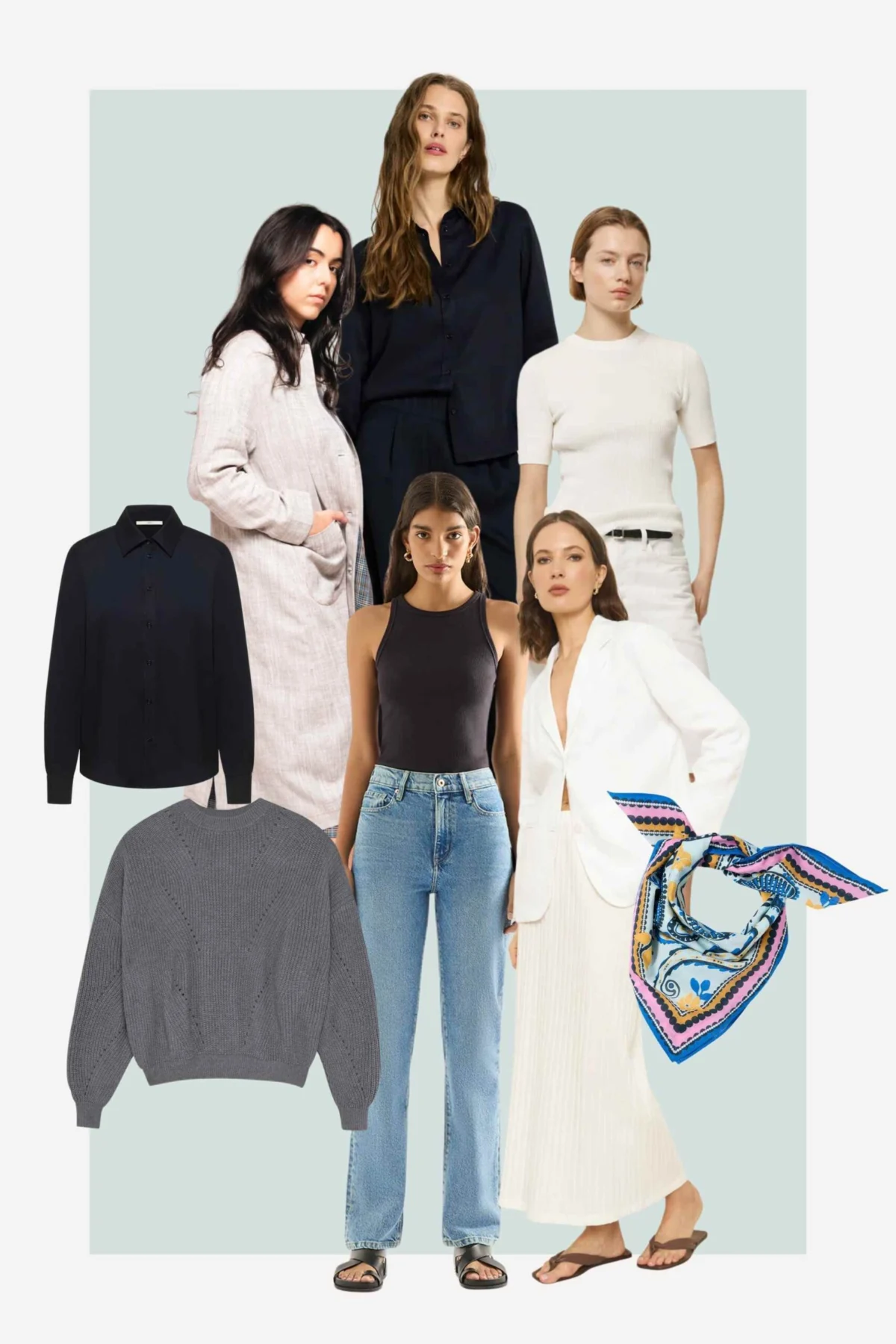
Sandra Capponi, a co-founder whose expertise is rooted in a deep understanding of ethical consumption, articulates a workwear philosophy centered on "minimalist comfort with a touch of luxury." Her approach prioritizes versatility, durability, and a refined aesthetic, all while adhering strictly to sustainability principles. "Working from home most days, I’m all about a wardrobe of minimalist comfort with a touch of luxury in the fabrics and detailing," Capponi states, highlighting the modern blend of professionalism and personal well-being.
Capponi’s wardrobe strategy leans heavily on neutral hues, predominantly black—a nod to her Melbourne roots—to facilitate effortless mixing and matching, maximizing the utility of each garment. This practical approach not only simplifies daily dressing but also reduces the need for frequent purchases, aligning with the "buy less, buy better" ethos. She advocates for investing in quality, lower-impact fibers such as linen, organic cotton, Responsible Wool Standard (RWS) wool, and TENCEL Lyocell. These materials are chosen not only for their inherent sustainability benefits—such as reduced water use, absence of harmful pesticides, or closed-loop production processes—but also for their tactile quality and longevity. Capponi cherishes items with subtle details like ribbing or decorative stitching, appreciating the craftsmanship involved.
Her specific recommendations for womenswear exemplify this philosophy:
- Outland Denim Zoe Straight Jeans: An Australian label trusted by Capponi for over a decade, known for its ethical manufacturing and use of organic cotton, which supports regenerative agriculture.
- Artknit Studios Organic Cotton Ribbed Tee: This choice underscores her preference for textured pieces made from certified organic cotton, ensuring minimal environmental impact.
- amt.studio Suave Jersey Sweater: Represents comfort and understated luxury, likely sourced from European brands known for their ethical production and high-quality materials.
- Lanius TENCEL Shirt: A versatile piece made from TENCEL Lyocell, a sustainable fiber derived from wood pulp using an environmentally responsible closed-loop process.
- Whimsy + Row Jada Skirt: An example of how Capponi integrates playful yet sustainable pieces from LA-based brands, demonstrating that ethical fashion doesn’t compromise style.
- FRSKE Oko Duster Coat: A timeless outerwear piece that combines functionality with sustainable design, ideal for layering.
- Lanius Printed Scarf: Highlighting the power of accessories to add a pop of color and warmth, and the enduring value of heirlooms, with a mention of her mother’s vintage scarf collection.
Capponi’s selections reflect a thoughtful curation that balances professional presentation with a profound respect for environmental and social responsibility. Her discovery of labels like amt.studio, Artknit Studios, and Lanius during her time in Europe further illustrates the global reach of ethical fashion and the potential for cultural heritage to influence sustainable choices.
Gordon Renouf’s Practical Guide to Sustainable Menswear
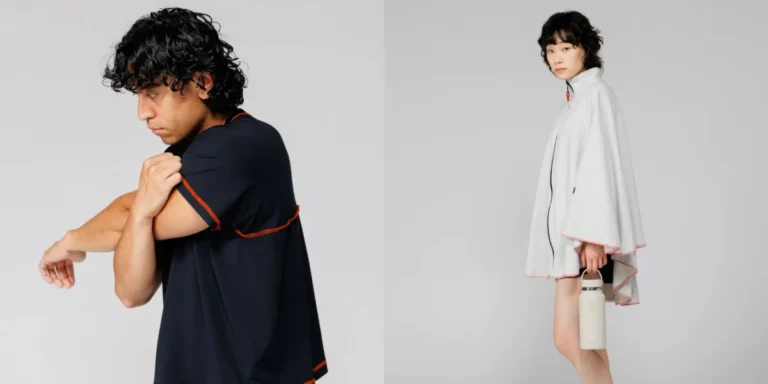
Gordon Renouf, co-founder of Good On You, offers a complementary perspective on sustainable workwear, focusing on practicality, durability, and conscious sourcing for menswear. While his detailed commentary was not explicitly provided in the initial text, his selections implicitly reflect Good On You’s core values, emphasizing quality materials, ethical production, and versatility. Renouf’s choices suggest a preference for foundational pieces that can be easily integrated into various professional and casual settings, embodying the "buy less, buy better" principle through thoughtful investment.
His curated list of menswear items includes:
- Brothers We Stand Organic Cotton T-Shirt: A staple item that prioritizes organic cotton, a material known for its reduced environmental impact compared to conventional cotton.
- Neem London Recycled Denim Shirt: This selection highlights the importance of circularity and waste reduction, utilizing recycled materials to create new garments.
- Carpasus Chinos: Chinos are a versatile workwear essential, and Carpasus’s inclusion implies a commitment to ethical production and sustainable fabrics.
- Kings Of Indigo Charles Jeans: Another denim brand recognized for its progressive approach to sustainability, including innovative water-saving techniques and ethical labor practices.
- COG Topsy Sneakers: Demonstrating that even footwear can be sourced ethically, with brands focusing on sustainable materials and production methods.
- Opera Campi Hemp Polo Shirt: Hemp is lauded as a highly sustainable fiber, requiring minimal water and no pesticides, making this a strong ethical choice for a professional casual look.
- Casagin TENCEL Boxers: Extending sustainability to often-overlooked wardrobe essentials, underscoring the potential for ethical choices across all clothing categories.
- Lefrik Roll Backpack: An accessory choice that speaks to functionality and sustainable materials, often featuring recycled content.
- Citizen Wolf Hemp T-Shirt: Another endorsement for hemp, with Citizen Wolf known for its custom-fit approach and ethical manufacturing in Australia.
- Conscious Step Socks: A brand that ties purchases to social causes, with their socks often made from organic cotton and contributing to various charitable initiatives.
Renouf’s selections collectively illustrate a pragmatic yet principled approach to menswear, proving that ethical choices do not necessitate a compromise on style or professional appropriateness. His emphasis on brands that use recycled materials, organic fibers, and innovative sustainable textiles reflects a deep understanding of the practical applications of Good On You’s rigorous rating system.
The Power of Independent Ratings and Consumer Empowerment
The integrity of Good On You’s recommendations stems from its commitment to independent, transparent assessment. In an industry increasingly susceptible to "greenwashing"—where brands make misleading claims about their environmental or ethical practices—Good On You’s robust methodology serves as a critical safeguard for consumers. Their editorial team, comprised of experts driven by a passion for sustainability, meticulously reviews and approves each recommendation, upholding high standards of quality, longevity, and "trend-transcendence."
While Good On You primarily guides consumers toward new brands aligned with their values, the platform also explicitly acknowledges the broader spectrum of sustainable consumption, including reusing, mending, and second-hand shopping. This holistic perspective reinforces that true sustainability is a multifaceted endeavor, encompassing both conscious purchasing and responsible lifecycle management of garments.
Broader Implications for the Fashion Ecosystem
The release of these expert-curated lists by Good On You’s co-founders carries significant implications for various stakeholders within the fashion ecosystem:
- For Consumers: It provides a trusted, accessible resource for making informed purchasing decisions. By highlighting specific "Good" and "Great" rated brands and practical styling advice, it simplifies the often-overwhelming task of finding truly sustainable options, particularly for professional attire. This fosters a sense of empowerment and encourages a shift away from fast fashion.
- For Brands: The visibility gained through such endorsements, particularly from a respected platform like Good On You, can significantly enhance brand reputation and market reach for ethical labels. It also places implicit pressure on other brands to improve their sustainability practices to meet evolving consumer expectations and compete in a growing ethical market segment. Transparency and verifiable claims become essential for competitive advantage.
- For the Fashion Industry: Initiatives like this contribute to the accelerating momentum towards a more responsible and circular economy. By showcasing successful models of sustainable production and consumption, they encourage innovation in materials, manufacturing processes, and business models. They also underscore the increasing importance of third-party verification and standardized sustainability metrics to build consumer trust and drive systemic change.
In conclusion, the expert recommendations from Sandra Capponi and Gordon Renouf are more than just a list of clothing items; they are a practical manifestation of Good On You’s decade-long commitment to fostering a more ethical and sustainable fashion industry. By offering tangible, credible options for conscious workwear, they empower professionals to dress not just for success, but for a better planet and a more equitable future. The continued growth of platforms like Good On You signifies a pivotal shift in how fashion is perceived and consumed, moving towards a future where values are woven into every thread.