










The pursuit of perfectly sculpted eyebrows has evolved beyond simple plucking and filling. In the ever-expanding landscape of beauty products, two key tools have emerged as frontrunners for achieving defined arches: brow pencils and brow pens. While both aim to enhance the natural brow, their application, effects, and ideal use cases differ significantly, offering consumers distinct pathways to achieving their desired brow aesthetic. This exploration delves into the functionalities of these tools, drawing insights from industry experts and outlining best practices for their effective utilization.
Understanding the Fundamental Differences: Pencils Versus Pens
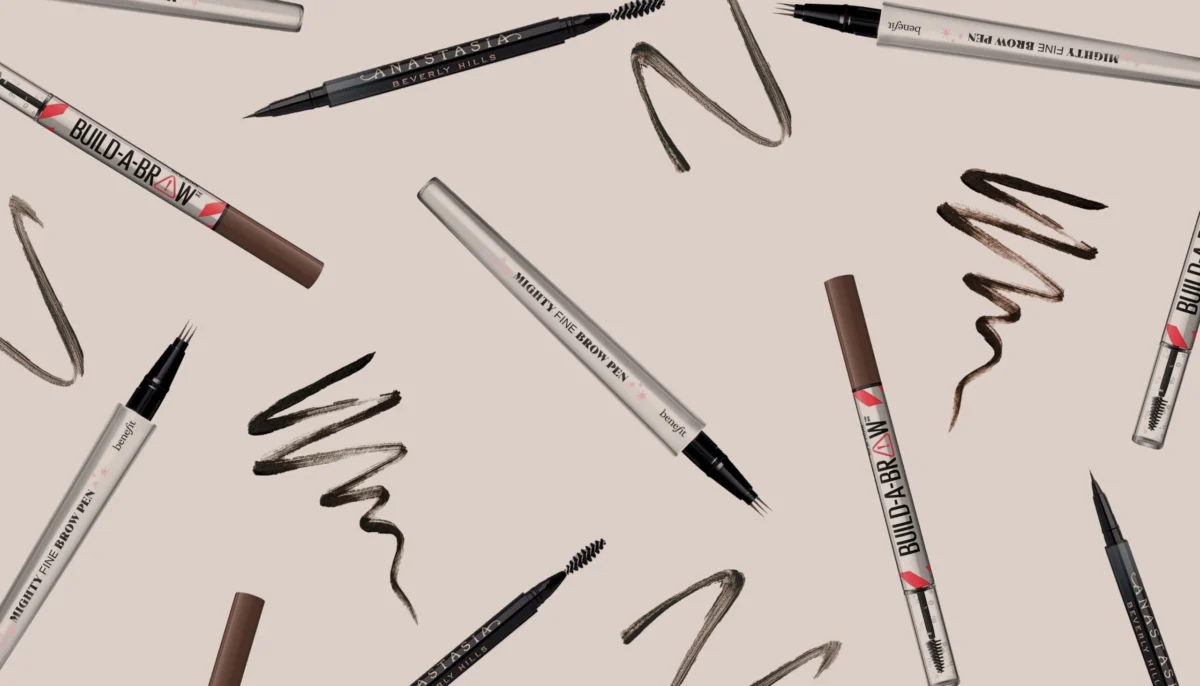
At their core, brow pencils and brow pens serve distinct purposes in the eyebrow grooming ritual. According to leading makeup artists, brow pencils are primarily designed to create an illusion of overall brow density. Their formulation allows for a softer application, enabling users to fill in sparser areas and build up a fuller appearance. The key to their versatility lies in their blendability; once applied, a spoolie brush can be used to diffuse the pigment, softening harsh lines and integrating the product seamlessly with natural brow hairs. This makes pencils an excellent choice for those seeking a more generalized enhancement of their brow’s fullness.
In contrast, brow pens are characterized by their precision and targeted application. Unlike the broader strokes of a pencil, a brow pen’s tip is engineered to mimic the appearance of individual eyebrow hairs. This meticulous detail is particularly advantageous for individuals with sparse eyebrows, where definition is crucial at specific points such as the arch, the front, or the tail of the brow. The fine tip allows for the creation of delicate, hair-like strokes, offering a more natural and sculpted look that can effectively camouflage thinning areas without appearing overly drawn on. This precision makes brow pens invaluable for detailed work and for achieving a hyper-realistic finish.
The Art of Application: Mastering the Brow Pen Technique
The effective use of a brow pen hinges on meticulous preparation and a thoughtful application process. Renowned New York City-based makeup artist Katie Jane Hughes emphasizes the critical importance of a clean canvas. "Before you even pick up your brow pen, make sure your brows are completely clean and oil-free," Hughes advises. This means ensuring that no residual moisturizer, serums, oils, or even illuminating highlighters are present in the brow area. Any slick product can interfere with the pen’s adherence, leading to skipping, fading, or an uneven application. A dry, oil-free surface is paramount for achieving crisp, defined lines.
The timing of brow pen application within a makeup routine is also a key consideration. Hughes recommends incorporating brow pens after the application of complexion products such as foundation, concealer, and bronzer. This strategic placement helps to prevent accidental smudging or the obscuring of freshly drawn strokes by subsequent concealer application. By completing the brow work as one of the final steps, users can ensure the integrity of their detailed brow work remains intact throughout the day.
For those new to brow pens, a light touch is essential. Makeup artist Childs suggests a technique of "light pressure and apply a few flicks toward the front of the brow to create a slight cowlick effect and then a few light strokes on the tail of the brow to elongate it." This feathered approach ensures a natural look rather than a heavily drawn-in appearance. To achieve a coveted fluffy, natural finish, makeup artist Mehta offers a valuable tip: intentionally leave small spaces between strokes. This subtle spacing creates the illusion of fuller arches rather than a solid, filled-in block, contributing to a more voluminous and natural aesthetic. As a final step, Mehta advocates for brushing the brows with a spoolie brush. This final diffusion softens any sharp lines and blends the drawn strokes with natural hairs, further enhancing the realistic effect.
The importance of shade selection cannot be overstated when working with brow pens. Mehta highlights that "use a pen that is a bit lighter [than the natural brow hairs] to add dimension and fullness without making the brow too dark." Opting for a slightly lighter shade can prevent the brows from appearing too stark or heavy, instead contributing to a subtle yet effective enhancement that adds depth and dimension. This nuanced approach to color selection ensures that the brow pen complements, rather than overpowers, the natural brow.
Expert Insights and Product Evaluation Methodology
The insights provided by makeup artists like Katie Jane Hughes and others underscore the sophisticated understanding required for effective eyebrow enhancement. Their expertise is crucial in guiding consumers toward optimal product selection and application techniques. This approach to beauty advice is often mirrored in the rigorous testing and review processes undertaken by publications dedicated to beauty journalism.
When evaluating beauty products, a comprehensive methodology is employed to ensure that recommendations are both reliable and relevant to a diverse consumer base. Key factors under scrutiny include the ingredient list, assessing for efficacy, potential irritants, and ethical sourcing. The breadth of the shade range is also a critical consideration, with an emphasis on inclusivity for all skin tones and undertones. For sensitive skin or contact lens wearers, safety and potential for irritation are paramount. The price point, distinguishing between affordable options and luxury splurges, is also factored in. Furthermore, packaging sustainability and design are increasingly important considerations, aligning with growing consumer awareness of environmental impact.
For the specific evaluation of eyebrow pens, this rigorous process involves enlisting a diverse panel of testers. This includes in-house editors, freelance writers, external contributors, and professional makeup artists. This broad spectrum of testers ensures that products are assessed across a wide array of skin tones, genders, and dermatological conditions, providing a holistic view of performance. Each product is then evaluated across four primary categories: ingredients, wear and longevity, packaging, and inclusivity. This detailed approach to product testing is integral to the publication’s commitment to providing trustworthy and actionable beauty advice.
The Importance of Diverse Testing and Expert Voices
The beauty industry is inherently personal, with individual needs and preferences dictating product choices. Whether seeking a solution for persistent dryness, a new addition to a self-care routine, or the latest product launches, consumers rely on trusted sources for guidance. Allure, in its commitment to serving its readership, recognizes the vital role of a diverse testing team. This team, comprising a wide range of writers, editors, and an extensive network of external testers and industry professionals, is fundamental to ensuring that all recommendations resonate with the varied needs and concerns of their audience.
The inclusion of professional makeup artists in testing and review processes is not merely a formality; it represents a crucial element in translating complex product functionalities into accessible advice. These experts bring a technical understanding of application, formulation, and desired aesthetic outcomes that can be difficult for the average consumer to articulate. Their feedback, therefore, provides an invaluable layer of insight, bridging the gap between product performance and practical user experience.
Broader Implications: The Evolving Landscape of Brow Grooming
The increasing sophistication of eyebrow enhancement tools reflects a broader trend in the beauty industry: the elevation of everyday routines into specialized, results-driven practices. The distinction between brow pencils and brow pens, once a niche consideration, now signifies a consumer base that is more informed and discerning about achieving specific aesthetic goals. This evolution has several implications:
- Increased Demand for Specialized Products: As consumers become more aware of the nuances of makeup application, the demand for highly specialized products, like precision brow pens, is likely to grow. This could spur further innovation in formulation and tip design.
- Empowerment Through Education: The detailed explanations of how to use these tools, provided by experts and publications, empower consumers to achieve professional-looking results at home. This demystifies complex techniques and encourages experimentation.
- Focus on Naturalism and Realism: The emphasis on creating individual hair-like strokes and achieving a "fluffy, natural finish" suggests a continued consumer preference for enhancing natural beauty rather than creating overly artificial looks.
- Market Segmentation and Innovation: The existence of distinct product categories like brow pencils and pens allows brands to target specific consumer needs, fostering competition and driving innovation within the brow product market.
In conclusion, the seemingly simple act of defining one’s eyebrows has become a nuanced art form, supported by an array of sophisticated tools. The divergence between brow pencils and brow pens exemplifies this trend, offering distinct approaches to achieving fullness, definition, and naturalistic appeal. By understanding the unique capabilities of each tool and embracing expert guidance, consumers can navigate the evolving landscape of brow grooming with confidence, ultimately achieving their desired aesthetic with precision and artistry. The ongoing dialogue between beauty professionals and consumers, facilitated by rigorous testing and clear communication, ensures that the pursuit of perfect brows remains both accessible and aspirational.