







Pilling, those small, unsightly bobbles of tangled fibers, represents an unfortunate yet common reality for even the most meticulously crafted knitwear. These fibrous "tumbleweeds" emerge naturally through friction and wear, often diminishing the aesthetic appeal and perceived quality of a garment. However, the presence of pilling does not necessarily signify a ruined item; rather, it indicates a need for proper restoration. To provide consumers with a clear, evidence-based approach to garment care, a comprehensive evaluation of nine common household and specialized de-pilling tools was recently conducted on a 100% wool sweater. This rigorous assessment, prioritizing cost-effectiveness, operational efficiency, safety, and overall impact on fabric integrity, yields a definitive ranking of methods for restoring knitwear to its pristine condition.
Understanding the Phenomenon of Pilling
Before delving into remedial actions, it is crucial to understand the genesis of fabric pilling. Pilling occurs when short or broken fibers on the surface of a fabric tangle together into small knots or balls. This process is primarily instigated by abrasion, which can result from normal wear, contact with other surfaces, or even agitation during laundering. Fabrics composed of blends, particularly those combining natural fibers with stronger synthetics (e.g., cotton-polyester blends), are often more prone to pilling because the stronger synthetic fibers hold onto the weaker, broken natural fibers, preventing them from shedding naturally. While high-quality natural fibers like cashmere, merino wool, and Pima cotton are prized for their softness, their shorter staple lengths or delicate structures can make them susceptible to pilling under consistent friction. The choice of yarn, weave tightness, and finishing treatments also play significant roles in a fabric’s propensity to pill. Addressing pilling, therefore, is not merely about aesthetics but also about preserving the longevity and perceived value of an investment piece.

The Methodology: A Systematic Approach to Fabric Restoration
The recent comparative study involved a standardized 100% wool sweater, chosen for its common susceptibility to pilling and its representativeness of delicate natural fibers. The sweater was intentionally subjected to controlled friction to induce a uniform level of pilling across designated test sections. Each of the nine selected tools – ranging from readily available household items to purpose-built textile care devices – was then applied to a specific, marked section of the sweater. Performance was meticulously logged against four key metrics:
- Cost: The initial purchase price and ongoing operational costs of the tool.
- Efficiency: The speed and ease with which pills were removed from a standardized area.
- Safety: The risk of damage to the garment (e.g., snags, holes, thinning) during the de-pilling process.
- Fabric Integrity: A qualitative assessment of the fabric’s appearance and texture post-treatment, ensuring no adverse effects beyond pill removal.
The results were then compiled to establish a ranking, offering practical guidance for consumers aiming to extend the life of their knitwear.
The Gold Standard: Precision and Power with the Electric Fabric Shaver
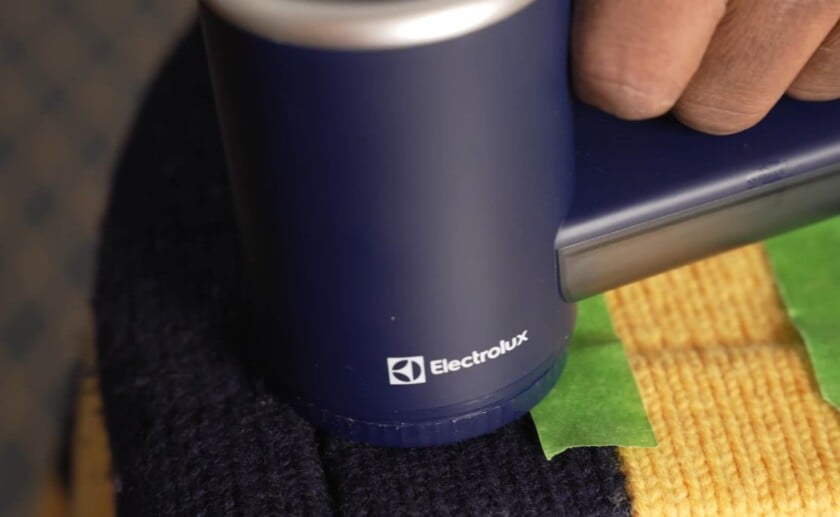
Emerging as the unequivocal leader in the evaluation, the electric fabric shaver (also known as a de-fuzzer) proved to be an indispensable tool for anyone serious about maintaining a pristine wardrobe. Its design typically features a protective foil head with small holes that allow fabric pills to pass through to a set of rotating blades, which then cleanly snip them off. The excised pills are collected in a removable compartment, ensuring a clean and efficient process.

During the experiment, the electric fabric shaver demonstrated superior efficiency, rapidly clearing heavily pilled sections of the wool sweater with minimal effort. Its safety profile was also exceptionally high; when used with light, consistent pressure, there was virtually no risk of snagging or damaging the underlying fabric. Textile care experts frequently endorse electric fabric shavers, citing their ability to rejuvenate garments without compromising the fabric’s structure. "These devices offer a professional-grade finish at home," stated Dr. Eleanor Vance, a textile conservation specialist. "They are engineered to remove only the surface-level pills, leaving the main fibers undisturbed, which is critical for preserving garment longevity." While requiring a modest initial investment (typically ranging from $15 to $40), the long-term benefits in garment preservation and reduced replacement costs make it a highly cost-effective solution. Its ease of use and consistent results solidify its position as the optimal choice for comprehensive de-pilling.
The Best Budget Alternative: The Surprising Efficacy of the Nail File
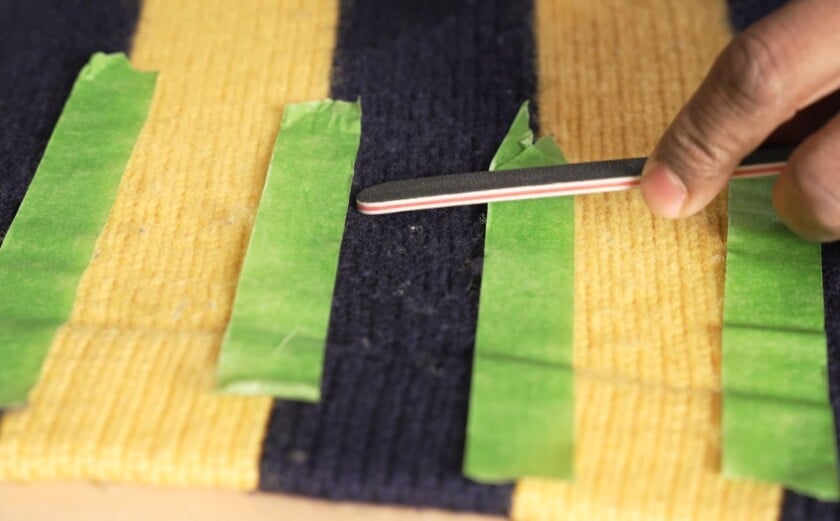
In a notable demonstration of ingenuity, a simple emery board or nail file remarkably outperformed several specialized tools, securing its place as the top budget-friendly alternative. This household item, readily available and costing mere cents, proved surprisingly effective in lifting and removing pills from the wool sweater.
The technique involves gently stroking the abrasive surface of the nail file across the pilled area, using light, controlled movements. The fine grit of the emery board effectively catches and dislodges the tangled fibers without exerting excessive force on the fabric. The key to its success lies in patience and precision. While not as rapid as an electric shaver, its efficiency for its cost was unparalleled. Safety, when applied correctly, was also high, though users must exercise caution to avoid aggressive scrubbing or snagging the fabric. "The nail file’s abrasive texture mimics some traditional fabric combs," noted fashion historian Marcus Thorne. "It’s a testament to simple mechanics, providing a gentle yet firm action to separate and remove pills." For individuals without specialized equipment, a standard grooming kit can serve as a temporary substitute, though vigilance is required to ensure no accidental damage. Its accessibility and negligible cost make it an excellent emergency solution or for those with only occasional pilling issues.
The Mediocre Performers: Safe but Slow or Potentially Risky
Several other tools yielded mixed results, offering varying degrees of effectiveness, efficiency, and safety:
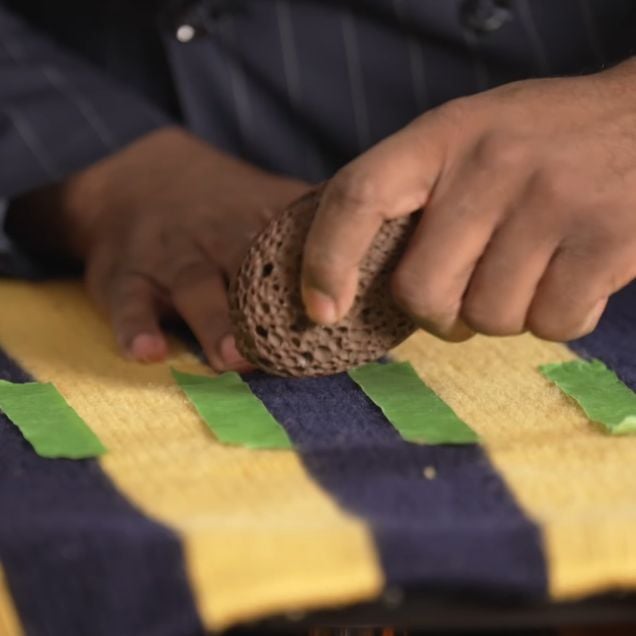
- Pumice Stone (Score: 6/10): A classic method, the pumice stone (or specialized fabric shaver stone) works by gently abrading the fabric surface to catch and pull off pills. It performed reasonably well, providing results somewhere between the finesse of a nail file and the harsher action of sandpaper. Its effectiveness is undeniable for certain fabrics and types of pills, but it can be quite messy, shedding tiny stone particles and loose fibers. While generally safe with light pressure, aggressive use could potentially thin the fabric over time.
- Electric Facial Shaver (Score: 8/10): Given its similar mechanism to a fabric shaver, albeit on a smaller scale, an electric facial shaver can be surprisingly effective. Its rotating blades beneath a protective foil can indeed snip off pills quickly. However, its design is not optimized for fabric; the smaller head means a longer process for larger garments, and it is more prone to fiber clogging, which can reduce efficiency and potentially overheat the device. While relatively fast, its safety is medium as it’s not designed for textiles, increasing the slight risk of catching a loose thread if not used carefully.
- Manual Razor (Score: 8/10): A common "hack," using a sharp manual razor can be highly effective in quickly slicing off pills. The efficiency is high, making it tempting for large, pilled areas. However, the safety rating is critically low. The risk of cutting or snagging the fabric, leading to irreversible damage such as holes or runs, is exceptionally high. This method demands extreme precision, a steady hand, and flat surface to stretch the fabric. Despite its speed, the high potential for irreparable harm makes it a method generally advised against for valuable garments.
- Clothes Brush (Score: 5/10): While an excellent tool for general garment maintenance—removing dust, lint, and surface debris, and smoothing fibers—a clothes brush is primarily preventative rather than corrective for pilling. It can help dislodge very loose surface fuzz before it forms into pills, but it is largely ineffective at removing established, tightly bound pills. Its safety is high, as it poses no risk to the fabric, but its low efficiency for de-pilling makes it unsuitable as a primary restoration tool.
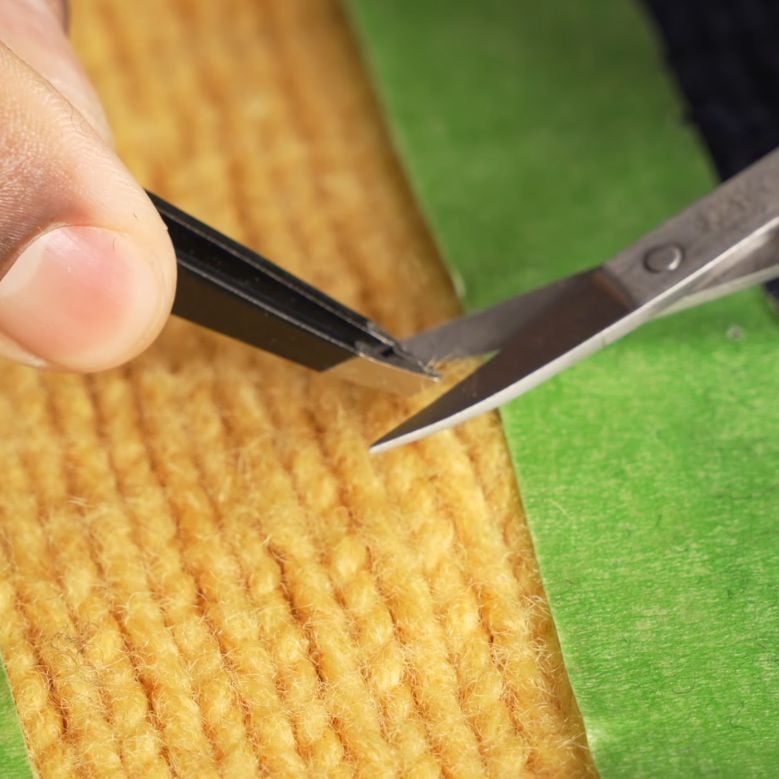
- Tweezers and Nail Scissors (Score: 3/10): These tools are perfectly safe for removing one or two isolated, large bobbles, allowing for surgical precision. However, their efficiency for a garment with widespread pilling is exceedingly low due to the meticulous time and effort required. Attempting to de-pill an entire sweater with tweezers would be an arduous and impractical task, making them suitable only for very minor, spot fixes.
Pilling Removal Methods to Avoid: Protecting Your Investment
Not every popular household hack for de-pilling is worth the risk to your valuable knitwear. Some methods, despite anecdotal claims, can cause more harm than good:
- Sandpaper (Score: 1/10): This method is unequivocally to be avoided. While sandpaper’s abrasive surface might seem like a logical choice to scrape off pills, its aggressive nature significantly damages the fabric’s fibers, thinning the material and potentially creating new weak spots or holes. It causes irreversible wear and drastically shortens the garment’s lifespan.
- Lint Roller / Tape (Score: 2/10): While excellent for picking up surface lint, dust, and pet hair, lint rollers and adhesive tape are largely ineffective for true fabric pills. Pills are fibers firmly entangled and often partially embedded in the fabric. A lint roller merely removes superficial fuzz and loose fibers, failing to address the core problem of bound pills. It offers a sense of momentary cleanliness but no genuine de-pilling action.
Summary Table: Pilling Removal Methods Ranked
| Method | Score | Efficiency | Safety | Verdict |
|---|---|---|---|---|
| Electric Fabric Shaver | 10/10 | High | High | The professional choice for comprehensive restoration. |
| Nail File | 10/10 | High | High | The ultimate budget-friendly, effective hack. |
| Electric Facial Shaver | 8/10 | Medium-High | Medium | Fast but watch for fiber clog and design limitations. |
| Manual Razor | 8/10 | High | Low | Highly effective but with significant risk of damage. Use with extreme caution. |
| Pumice Stone | 6/10 | Medium | Medium | Reliable for many fabrics, but can be messy. |
| Clothes Brush | 5/10 | Low | High | Best for preventative maintenance, not active repair. |
| Tweezers & Scissors | 3/10 | Very Low | High | Only for "surgical" spot-fixes of isolated pills. |
| Lint Roller / Tape | 2/10 | Very Low | High | Only catches loose surface fuzz, ineffective for true pills. |
| Sandpaper | 1/10 | Low | Very Low | Avoid. High risk of irreversible fabric damage. |
For more extensive guidance on preserving investment pieces, detailed resources on full sweater care and storage are available from leading textile care authorities.
The Golden Rule of Knitwear Maintenance: Proactive Care and Sustainable Practices
While pilling is an inevitable consequence of wearing high-quality natural fibers, it absolutely does not signify the end of your favorite garment’s lifespan. As this comprehensive assessment demonstrates, the right tool can restore a tired sweater to its former glory in mere minutes, transforming a worn item into a cherished piece once more.
However, the most gentlemanly approach to style, and indeed the most sustainable, is always proactive maintenance. To minimize future pilling and extend the natural life of your garments, several preventive measures are highly recommended:
- Wash Inside Out: Turning knitwear inside out before washing significantly reduces surface friction during the laundry cycle.
- Gentle Detergents and Cycles: Use a mild, wool-specific detergent and opt for a gentle cycle with cold water. Harsh chemicals and aggressive agitation accelerate fiber breakage and pilling.
- Avoid Overloading the Washer: Giving garments ample space to move freely in the washing machine reduces abrasion between items.
- Air Dry When Possible: Tumble drying, especially at high heat, increases friction and agitation, contributing significantly to pilling. Laying sweaters flat to dry or using a drying rack is preferable.
- Proper Storage: Fold knitwear instead of hanging it to prevent stretching and distortion. Store items in breathable bags to protect them from dust and pests.
- Rotate Your Wardrobe: Giving garments a "rest" between wears allows fibers to relax and recover, reducing continuous stress on specific areas.
The implications of adopting these practices extend beyond personal wardrobe aesthetics. In an era increasingly focused on sustainable consumption, extending the life of clothing items through proper care and repair plays a vital role in reducing textile waste and mitigating the environmental impact of fast fashion. According to a report by the Environmental Protection Agency, textiles account for a significant portion of landfill waste, with millions of tons discarded annually. By actively de-pilling and maintaining garments, consumers contribute directly to a circular economy, diminishing the demand for new production and conserving valuable resources. This conscious approach not only saves money in the long run but also fosters a deeper appreciation for craftsmanship and material quality.
We are curious to learn how you maintain your knitwear. Do you have a favorite de-pilling method that we didn’t cover today, or perhaps a "horror story" involving a manual razor that reinforces our warnings? Let us know in the comments below. Your experiences contribute to a collective knowledge base that empowers all consumers to make informed choices for their wardrobes.
Frequently Asked Questions
What exactly is fabric pilling?
Fabric pilling refers to the formation of small, fuzzy balls of entangled fibers on the surface of a garment. This phenomenon occurs when individual fibers break from the yarn due to friction and then bunch together, typically in areas of high wear such as underarms, cuffs, and sides. It is common in various fabrics, including wool, cotton, polyester, and their blends, indicating fiber fatigue and surface wear.
How can I effectively prevent pilling on my clothes?
Preventing pilling involves a multi-faceted approach centered on mindful garment care:
- Choose High-Quality Fabrics: Opt for tightly woven materials and those made from longer-staple fibers (e.g., merino wool, Pima cotton, silk, linen), which are inherently more resistant to pilling. Look for labels indicating "anti-pill" treatments.
- Wash with Care: Always turn garments inside out before washing to protect the outer surface. Use a gentle cycle with cold water and a mild, specialized detergent (e.g., wool wash) to minimize friction and agitation.
- Avoid Overloading the Washer: Ensure clothes have enough space to move freely within the machine, preventing excessive rubbing against each other.
- Air Dry When Possible: Tumble drying significantly increases friction and heat, both of which accelerate pilling. Whenever feasible, air dry garments by laying them flat or hanging them on appropriate racks.
- Use a Clothes Brush: Regularly brush your garments to remove loose surface fibers before they have a chance to form pills.
- Rotate Garments: Give your clothing a break between wears to allow fibers to recover and reduce consistent stress on specific areas.
Are there specific fabrics that are naturally more resistant to pilling?
Yes, certain fabrics and constructions exhibit greater resistance to pilling. These include:
- Silk: Its long, smooth fibers and strong structure make it highly resistant to pilling.
- Linen: Known for its crispness and durability, linen’s strong, long fibers rarely pill.
- High-Quality Wool (e.g., Merino): While wool can pill, high-grade merino wool with longer, finer fibers tends to pill less than coarser wools. Tightly spun and woven woolens also show improved resistance.
- Tight Weaves: Fabrics with dense, tight weaves (like twill or denim) inherently have fewer loose fibers available to form pills compared to looser knits.
- Anti-Pill Treated Fabrics: Some synthetic and blended fabrics undergo special treatments during manufacturing to reduce their pilling susceptibility.
Can pilling be completely avoided?
While it is challenging to completely eliminate pilling, especially on garments subjected to regular wear and friction, adherence to the comprehensive preventive measures outlined above can significantly reduce its occurrence. Pilling is often a natural characteristic of textile wear, particularly with natural fibers, but diligent maintenance and prompt removal of nascent pills are key to preserving garment appearance and extending lifespan.

What are the most recommended methods for removing pilling from my clothes?
Based on our rigorous testing, the most effective and safest methods for removing pilling are:
- Electric Fabric Shaver: The top choice for efficiency, safety, and thoroughness, providing a professional finish.
- Nail File (Emery Board): An excellent, low-cost alternative that is effective when used with gentle, controlled strokes.
- Pumice Stone: A reliable method for many fabrics, offering a good balance of effectiveness and safety, though it can be somewhat messy.
For very isolated, large pills, tweezers and small scissors can be used with precision, but they are highly inefficient for widespread pilling.
What to Watch Next
For further insights into comprehensive garment care and wardrobe maintenance, explore these related topics:
- Iron vs. Steamer: Which is Best for Your Menswear Wardrobe?
- Here’s the Secret to Keeping Your White Shirts…White!
- How to Keep Clothes Looking Good: 9 Dry Cleaning Hacks