








The global discourse surrounding artificial intelligence (AI) often centers on its potential to automate and even replace human roles. While the impact of AI on various industries is a subject of intense scrutiny and considerable speculation, the luxury and high-end timepiece sectors present a unique case study. Unlike many technology-driven businesses, many established luxury brands boast centuries of heritage, having navigated numerous societal shifts, economic downturns, and technological disruptions. This historical resilience, coupled with the inherently human-centric nature of luxury consumption, suggests that AI’s role will likely be one of augmentation rather than outright replacement.

The Unseen Value of Human Craftsmanship and Experience
The allure of luxury goods, particularly high-end timepieces, extends far beyond their functional utility. At its core, luxury consumption is often driven by an "irrational element"—a concept deeply rooted in human emotion, aspiration, and the desire for experiences that transcend mere practicality. This is where artificial intelligence, despite its rapid advancements, faces significant limitations. AI excels at pattern recognition and efficient task execution, values that often stand in stark contrast to the inherent "wastefulness" and subjective preferences that define luxury.
Consider the historical trajectory of the watchmaking industry. The 20th century saw a significant industrialization, largely driven by the adoption of assembly lines and interchangeable parts, initially popularized in the United States. This shift transformed watchmaking from a craft-based, boutique operation into a large-scale manufacturing enterprise capable of producing millions of watches annually. Far from decimating the industry, this automation actually fostered a richer ecosystem, creating new roles for assembly technicians and specialized machinists. It allowed for greater precision and consistency, ultimately benefiting even the luxury segment by providing access to higher-quality components. This historical precedent suggests that automation, including AI, can reduce friction points in production, thereby freeing human capital to focus on more creative, experimental, and value-adding endeavors.

AI in Design and Production: Augmentation, Not Automation
The integration of AI into the design and manufacturing processes of luxury timepieces is already underway, primarily as a tool to enhance human creativity and efficiency. Generative AI, in particular, offers designers the ability to rapidly visualize new concepts, explore diverse aesthetic combinations, and streamline the experimental phase of product development. For instance, AI can efficiently blend design DNA from different brands or combine disparate aesthetic genres, a capability highly relevant in an industry where collaborations and cross-pollination of ideas are common.
However, the critical distinction lies in the human filter. While AI can generate countless design suggestions, it lacks the inherent taste, cultural understanding, and emotional intelligence to curate these ideas into something truly resonant with consumers. The "why" behind a design—the intention, the narrative, the aspirational value—remains a distinctly human domain. Designers must leverage AI as an inspiration engine, not as a replacement for their own judgment and artistic vision. The risk of over-reliance on AI in design is that it can lead to homogenization and a detachment from the human element that consumers seek in luxury goods.

The Indispensable Human Element in Sales and Customer Interaction
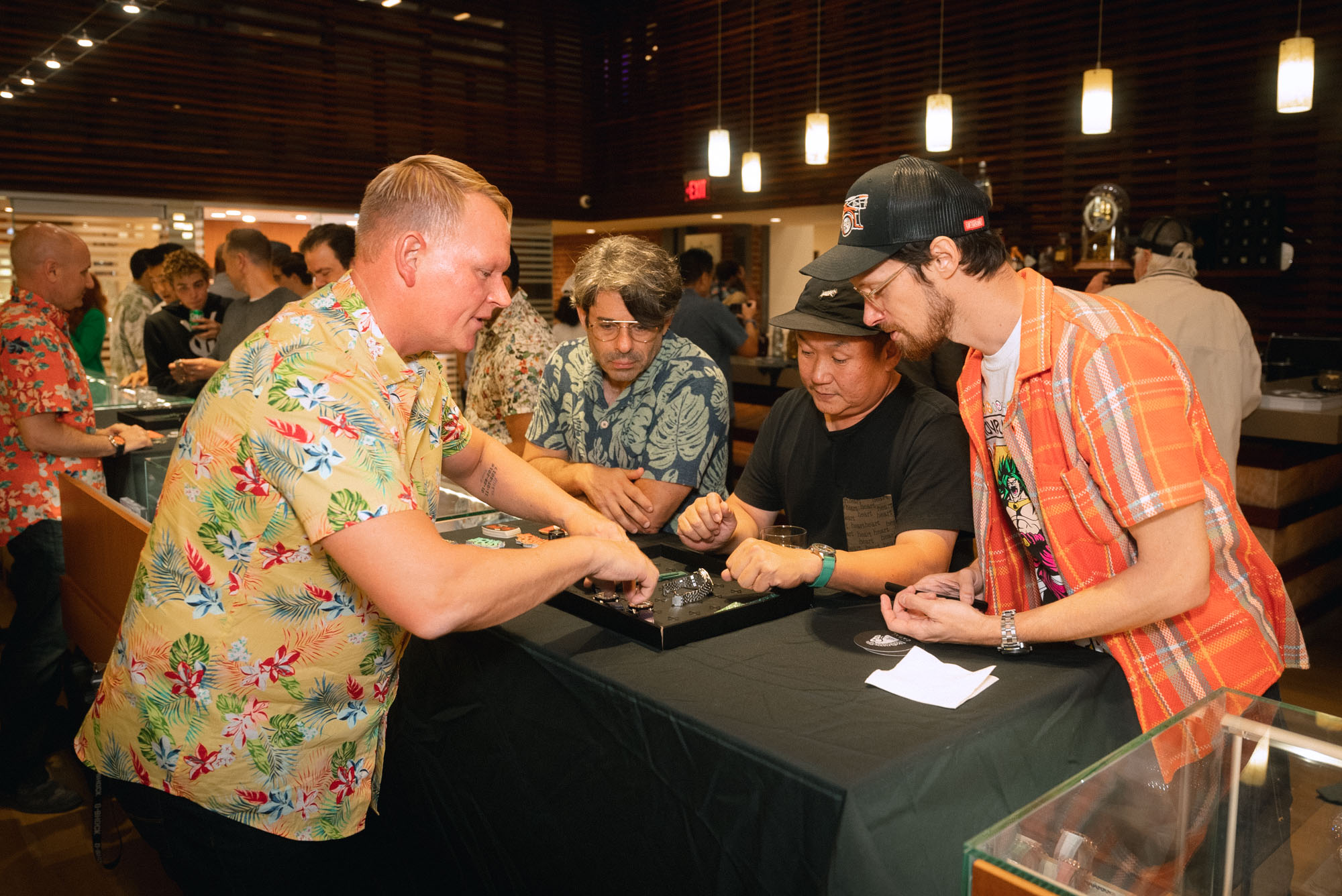
The luxury retail experience is built on human connection. Consumers who invest significant sums in high-end timepieces often seek more than just a transaction; they desire an experience that is personal, reassuring, and even aspirational. This is why AI-powered chatbots and automated sales assistants, while potentially useful as enhanced search functions, often fall short in the luxury sector. Customers frequently approach these automated interactions with skepticism, seeking genuine human engagement.
Data from luxury e-commerce platforms indicates that even with the convenience of online purchasing, many consumers still prefer to interact with a human sales representative, whether in person or over the phone. This preference is amplified when dealing with unfamiliar brands. The act of purchasing a luxury item is often intertwined with emotional and social signaling. A skilled salesperson can offer validation, personalized recommendations, and create a sense of connection that an algorithm cannot replicate. For example, a compliment from a salesperson on how a watch enhances a customer’s appearance can carry significant psychological weight, contributing to the overall satisfaction and perceived value of the purchase. While AI can simulate such interactions, the authenticity of human connection remains paramount.
The "Human Hours" Premium: A Cornerstone of Luxury Value
A significant selling point in the luxury watch market is the perceived number of human hours invested in a timepiece’s creation. This emphasis on craftsmanship, meticulous detail, and skilled artistry commands a premium. Consumers are often impressed by the visible dedication of watchmakers, the intricate hand-finishing of components, and the sheer difficulty involved in producing unique or limited-edition pieces. This "human labor" acts as a tangible representation of dedication and mastery, imbuing the object with a value that transcends its material components.
The concept of "natural limitation" in luxury goods—where production is constrained by the time-consuming nature of human craftsmanship—is a key driver of exclusivity. When consumers perceive that a product requires less skilled or less human labor, its perceived value often diminishes. Conversely, a narrative highlighting the extensive human effort involved can significantly enhance a product’s desirability. This principle is evident across various luxury sectors, from haute couture to fine dining, where the story of creation and the human touch are integral to the brand’s appeal.
The Future of AI in Luxury: Discretion and Augmentation
While AI is unlikely to replicate the core human elements of luxury consumption, its potential for enhancing operational efficiency and supporting human staff is considerable. AI can serve as a powerful analytical tool for sales teams, providing real-time insights into customer preferences, market trends, and product performance. This data-driven support can empower sales professionals to deliver more personalized and effective customer experiences.
The key to successful AI integration in luxury lies in discretion and augmentation. AI-powered customer service features may need to be subtly integrated or remain largely invisible to the end consumer, ensuring that the perceived human element is not compromised. The aspiration for luxury consumers is not to interact with machines, but to feel valued and understood by other humans. Therefore, AI’s role will likely be to support and enhance the capabilities of human staff, rather than to replace them entirely. This approach ensures that the fundamental desire for human connection, craftsmanship, and emotional resonance remains at the heart of the luxury experience.

Conclusion: A Symbiotic Relationship
The luxury and high-end timepiece industries have a long history of adapting to technological advancements without compromising their core identity. The enduring appeal of these sectors lies in their ability to tap into deep-seated human desires for artistry, exclusivity, and meaningful experiences. While AI offers powerful tools for design, production, and data analysis, it cannot replicate the subjective appreciation of human effort, the nuances of emotional connection, or the cultural significance that defines luxury. As AI continues to evolve, its most impactful role in these industries will be as a sophisticated co-pilot, empowering human artisans, designers, and sales professionals to elevate the very human experiences that consumers cherish. The future of luxury timepieces will likely be a testament to a symbiotic relationship, where advanced technology serves to amplify, rather than supersede, the irreplaceable human touch.