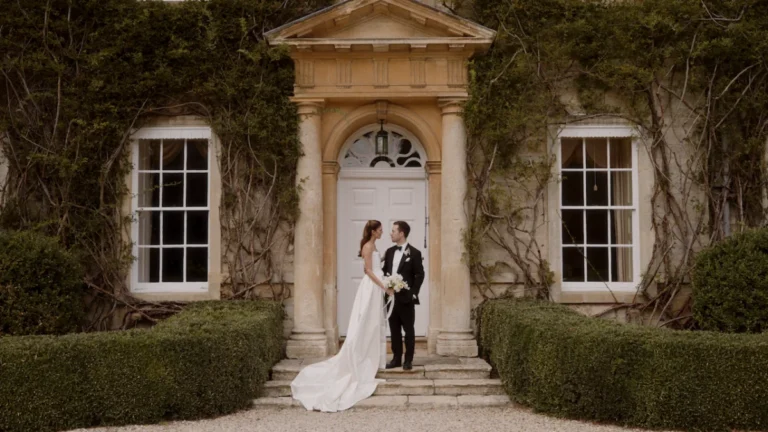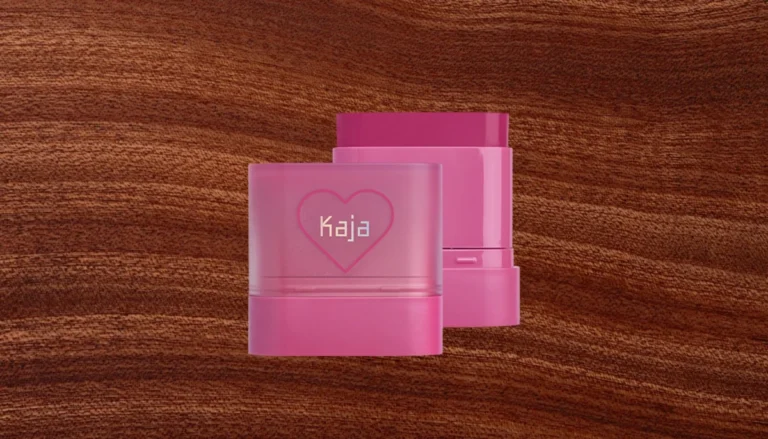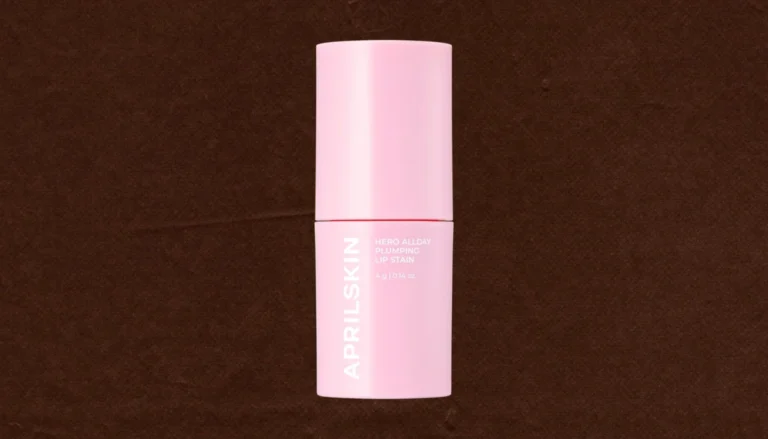










The landscape of digital media and public relations is undergoing a fundamental shift as independent publishers move away from traditional, volume-based press release models in favor of collaborative, value-driven partnerships. For nearly two decades, the wedding industry—a sector valued at over $70 billion globally—has relied on a symbiotic relationship between brands, PR agencies, and editorial platforms. However, recent developments and internal industry critiques suggest that the traditional press release, once the gold standard of media outreach, is becoming increasingly obsolete in a digital economy that prioritizes search engine optimization (SEO), authenticity, and sustainable business models.
At the center of this transition is the growing recognition of the "value gap" between PR outreach and editorial production. While PR agencies are typically retained by clients to secure media exposure, the labor required to transform a press release into a high-quality editorial piece—including writing, image curation, SEO optimization, and social media promotion—is often expected to be provided by the publisher without financial compensation. This imbalance has led to a reevaluation of how independent platforms, such as the long-standing wedding publication Love My Dress, interact with brands and their representatives.
The Economic Reality of Modern Editorial Production
To understand why the traditional press release model is faltering, it is necessary to examine the resources required to maintain a high-authority digital platform. Unlike the early era of blogging, modern independent publishing involves a complex array of technical and creative disciplines. A single featured story on an established platform often requires between 10 and 20 hours of labor. This process includes:
- Editorial Curation: Sifting through hundreds of submissions to find content that aligns with the publication’s aesthetic and audience expectations.
- Content Production: Professional copywriting and editing that adheres to specific brand voices and journalistic standards.
- Visual Assets: High-resolution image processing and formatting for various device displays.
- Technical SEO: Implementing metadata, schema markup, and internal linking strategies to ensure the content ranks on search engines like Google.
- Distribution: Managing multi-channel promotion across newsletters and social media platforms to reach a cultivated audience.
For independent publishers, these tasks represent their primary livelihood. When a press release arrives with the expectation of free coverage, it essentially asks the publisher to absorb the production costs of a brand’s marketing campaign. Industry data suggests that the conversion rate for "cold" press releases has dropped significantly over the last decade, as editors increasingly prioritize content that offers either direct financial support or unique, high-value storytelling that cannot be found elsewhere.
A Chronology of the Media Landscape Shift
The decline of the press release is not an isolated event but the result of a twenty-year evolution in how information is consumed and monetized.
- The Print Era (Pre-2005): Press releases served as essential information packets for magazine editors who had limited ways to discover new brands. Agencies held the keys to media access.
- The Blog Boom (2006–2012): Digital platforms like Love My Dress emerged, offering a more personal and immediate alternative to print. During this phase, the volume of content was a primary driver of growth, and press releases provided easy fodder for daily updates.
- The Social Media Surge (2013–2018): The rise of Instagram and Pinterest shifted visual discovery away from websites. Publishers had to work harder to maintain direct traffic, leading to a greater emphasis on "evergreen" content and community building.
- The Authority Era (2019–Present): Google’s emphasis on E-E-A-T (Experience, Expertise, Authoritativeness, and Trustworthiness) and the advent of AI-driven search have changed the stakes. Low-quality, "templated" content based on generic press releases now performs poorly in search rankings. High-authority niche sites have become more selective, focusing on deep-dive features and verified recommendations.
The Role of SEO and Domain Authority in Brand Building
One of the most significant arguments for moving away from traditional PR and toward "sponsored editorial" or "directory models" is the long-term value of domain authority. Established wedding publications often possess high domain authority scores, making them trusted sources for search engine algorithms.
When a brand is featured in a thoughtfully crafted, long-form article on a reputable site, it gains more than just immediate "clicks." It receives a high-quality backlink and "evergreen" visibility. Unlike a social media post, which may have a lifespan of 24 to 48 hours, a well-optimized editorial piece can continue to drive traffic and build brand credibility for years.
Furthermore, as AI-powered search tools like Google’s Search Generative Experience (SGE) and Perplexity AI become more prevalent, they tend to aggregate information from trusted, long-form editorial sources. Brands that rely solely on social media or generic press releases risk being left out of the AI-driven discovery process.
Industry Responses and the Rise of Collaborative Models
The shift in the publishing model has met with a variety of responses from the PR and brand sectors. While some agencies continue to utilize mass-emailing software to distribute releases, more progressive firms are moving toward "bespoke outreach."

Industry analysts note that small and emerging businesses often find the greatest success through direct, transparent communication with publishers. Instead of a formal press release, a brief, personalized introduction that demonstrates an understanding of the publication’s audience is more likely to result in a partnership.
To accommodate different business sizes, many publishers have introduced tiered participation models:
- Classic Directory Listings: Affordable entry points for small businesses to establish a presence on a trusted platform.
- Founder Interviews: Long-form content designed to build personal trust between the business owner and the consumer.
- Sponsored Features: Deep-dive showcases of new collections or services, fully integrated into the site’s editorial calendar.
These models provide a clear framework for mutual benefit: the brand receives high-quality, targeted exposure and SEO benefits, while the publisher receives the financial support necessary to maintain the platform’s operations.
Consumer Behavior and the Trust Factor
The modern wedding consumer—primarily Millennials and Gen Z—exhibits high levels of "marketing fatigue." Research indicates that these demographics are highly skeptical of traditional advertising and are more likely to trust recommendations from platforms they perceive as curated and honest.
When a publication features a brand because of a paid partnership or a deeply vetted editorial choice, it is often more transparent than a "free" placement that may have been influenced by PR pressure. This transparency builds a stronger bond with the audience. Couples planning a wedding are looking for "context and genuine editorial judgment" rather than a firehose of unvetted information. They want to know that the businesses they see have been chosen for their quality and alignment with the publication’s values.
Broader Implications for the Creative Economy
The transition away from the press release model reflects a broader trend in the creative economy: the professionalization of independent digital media. As the barriers to entry for starting a blog have disappeared, the barriers to maintaining a successful, profitable, and authoritative platform have risen.
For the wedding industry, this means that the future of brand discovery lies in collaboration rather than transaction. The "gatekeepers" of the past have been replaced by "tastemakers" who act as bridges between brands and highly specific, engaged audiences.
The move toward paid editorial and directory-based models also provides a more sustainable path for small businesses. While a large PR retainer may be out of reach for a boutique dress designer or a local florist, a targeted investment in a reputable directory listing or a sponsored interview offers a measurable and lasting return on investment.
Ultimately, the decline of the traditional press release signals the end of an era of "assumption-based" marketing. In its place is a more mature media landscape where the labor of the publisher is recognized as a vital component of a brand’s success. As independent platforms continue to refine their offerings, the focus will remain on building relationships that are based on mutual respect, creative alignment, and a shared commitment to providing value to the end consumer.