








The increasing platforming of tech billionaires within the hallowed halls of luxury fashion signals a profound, and often concerning, shift in industry values, casting a long shadow over any pretense of sustainability or ethical integrity. This convergence, meticulously observed by industry analysts and critics, reveals a complex interplay where vast wealth, cultural clout, and questionable practices from both spheres intertwine, creating a new paradigm for influence and perception. As Kyle Raymond Fitzpatrick initially highlighted, the underlying values driving these partnerships raise critical questions about the future trajectory of two of the world’s most influential, yet often scrutinized, industries.
The Growing Nexus of Power: Tech Titans Infiltrate Fashion’s Elite
For several months, the integration of prominent tech billionaires into high-fashion events has transitioned from isolated incidents to a discernible trend. While the fashion industry has always been inextricably linked to wealth, boasting its own cohort of billionaires and catering to an affluent clientele, the influx of tech figures represents a distinct evolution. This pairing is increasingly seen as a troubling amalgamation of poor values, elevating individuals whose enterprises are frequently associated with enabling global harms—ranging from exploitative labor practices and environmental degradation to societal issues like data privacy breaches and algorithmic bias. These concerns are amplified when considering the public image and operational ethics of the tech giants these individuals represent.
High-Profile Instances Fueling the Debate
Several recent, high-profile events underscore this burgeoning alliance, sparking considerable discussion among industry insiders, sustainability advocates, and the broader public. These incidents serve as case studies in how luxury fashion is strategically, or perhaps inadvertently, aligning itself with a new generation of power brokers.
Mark Zuckerberg’s Front-Row Presence at Prada: A Glimpse into the Future of Brand Synergy
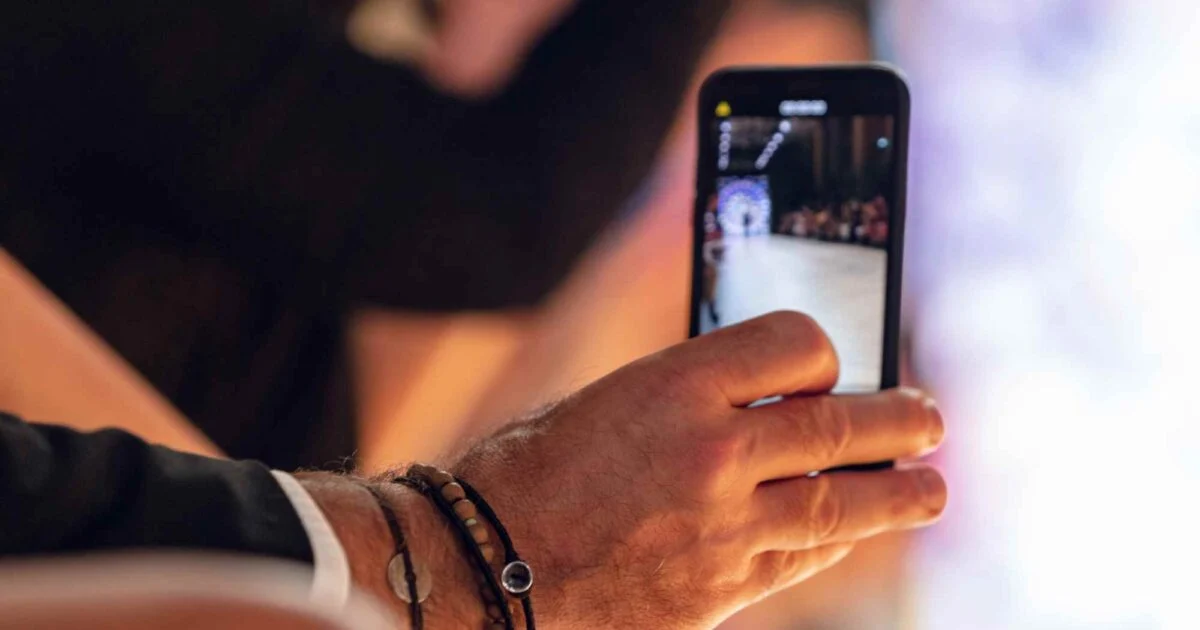
One of the most emblematic moments occurred during Milan Fashion Week when Meta CEO Mark Zuckerberg, accompanied by his wife Priscilla Chan, took a prime front-row seat at the Prada show. Their arrival with influential fashion figures like Anna Wintour, Editor-in-Chief of Vogue, and Eva Chen, head of fashion partnerships at Instagram (a Meta subsidiary), underscored the strategic importance of their presence. Zuckerberg’s seating arrangement next to Lorenzo Bertelli, the marketing director and future heir of the Prada Group, further solidified speculation regarding a potential Meta AI Glasses collaboration. This alignment suggested a move beyond mere celebrity endorsement, pointing towards deeper technological integration.
The New York Times aptly observed that Zuckerberg’s presence reflected how "fashion shows are now just one part of the business at a multinational luxury house like Prada." This statement encapsulates a critical shift: runways are no longer solely about showcasing seasonal collections but have evolved into multifaceted platforms for brand building, technological announcements, and strategic partnerships. For Prada, a collaboration with Meta could offer unparalleled access to cutting-edge augmented reality (AR) technologies, potentially revolutionizing how consumers interact with luxury products through digital experiences. For Meta, a partnership with an iconic luxury brand like Prada could lend credibility and a coveted "cool" factor to its hardware ventures, helping to mainstream products like smart glasses beyond early adopters. This symbiotic relationship, however, raises questions about the ethical implications of intertwining high fashion with a company facing intense scrutiny over data privacy, content moderation, and its broader societal impact.
The Bezoses and the Met Gala: A New Gilded Age on Display
The elevation of Amazon founder Jeff Bezos and his partner Lauren Sánchez to honorary board members of the Met Gala represents another significant milestone in this trend. From previously being lead sponsors, their new role means they will help shape one of fashion’s most prestigious events, whose theme for the year was tellingly revealed as "fashion is art." Joining a roster of cultural icons like Beyoncé, Nicole Kidman, Venus Williams, and Anna Wintour, the Bezoses’ inclusion places them at the pinnacle of cultural influence.
As Vanessa Friedman of The New York Times critically noted, "The resulting image may be proof positive for many that it has become the most visceral expression of a new gilded age." This observation resonates deeply, drawing parallels to historical periods of extreme wealth accumulation and lavish displays, often against a backdrop of significant social inequality. Amazon, under Bezos’s leadership, has faced extensive criticism regarding its labor practices, particularly concerning warehouse conditions, union busting, and its vast environmental footprint. The company’s business model has also been accused of contributing to the decline of small businesses and exacerbating wealth disparities. For the Met Gala, an event often criticized for its exclusivity and opulence, embracing figures associated with such controversies only heightens perceptions of disconnect between high fashion’s glamorous facade and broader societal concerns. Sánchez’s increasing visibility at haute couture shows, including Dior and Schiaparelli, further underscores the strategic intent behind their fashion industry integration, advised by image architects like Law Roach. This move is not merely personal indulgence but a calculated effort to reposition the couple within elite cultural circles, potentially softening public perception of Amazon’s corporate image.
Gucci’s Provocative Runway: Celebrity, Controversy, and Clandestine Connections
Demna Gvasalia’s shows for Gucci are known for their subversive and often provocative nature, frequently blending high fashion with elements of pop culture and social commentary. His recent runway presentation was no exception, though the specter of immense wealth and controversial figures seemed to permeate the atmosphere. While familiar faces like Paris and Nicki Hilton graced the attendance list, two particular figures walking the runway drew significant attention, hinting at deeper, more complex connections.
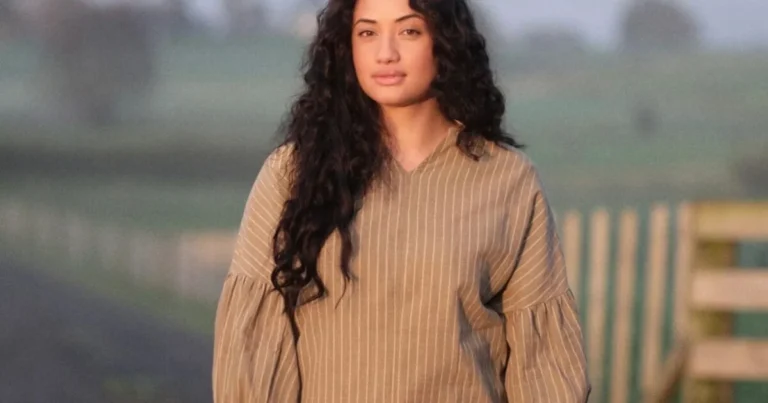
Vivian Wilson, the estranged daughter of Elon Musk, made a notable appearance. Wilson has publicly disavowed her father, whom she has described as a "pathetic man-child," indicating a deliberate distance from the controversial tech mogul. Her presence on the Gucci runway could be interpreted in multiple ways: as a personal statement, a commentary on celebrity culture, or perhaps a calculated move by Gucci to associate with a figure who embodies a complex relationship with tech wealth. Similarly, the inclusion of supermodel Karlie Kloss, married to billionaire entrepreneur Josh Kushner (brother-in-law to Ivanka Trump), added another layer of intrigue. The Kushner family’s ties to conservative politics and their own business dealings have drawn considerable scrutiny.
Whether these inclusions were intended as parody, a direct courting of these powerful families, or a nuanced commentary on the pervasive influence of tech wealth, the connections to "problematic" billionaires were unmistakable. These choices suggest a deliberate blurring of lines between celebrity, political influence, and high fashion, perhaps serving as an "invitation" to a new breed of power players, signaling an acceptance, if not an endorsement, of their controversial legacies. This strategy risks alienating a segment of consumers increasingly demanding ethical transparency and social responsibility from luxury brands.
Understanding the "Why": The Deepening Interdependence of Fashion and Ultra-Wealthy Tech
The growing coupling of luxury fashion and the ultra-wealthy tech sector is driven by a confluence of commercial imperatives and, arguably, a subtle merging of ideologies. While luxury fashion has always been inextricably linked to the wealthiest echelons of society, the nature of its expanding ties to tech and political figures reveals a strategic intent to sell not just products, but also ideas, to a globalized mass market.
Commercial Imperatives: Beyond Sales, Towards Cultural Dominance
At its core, the infiltration of figures like the Zuckerbergs and Bezoses into high fashion is a calculated play for association—association with luxury, taste, and the coveted attribute of "cool." The intention extends beyond direct sales. For Meta, aligning with Prada could be a critical step in making augmented reality glasses not just functional gadgets but desirable fashion accessories, crucial for mass adoption. Similarly, for Amazon, the visibility of its founder in elite fashion circles could be an attempt to court luxury shoppers, broaden its appeal beyond its utilitarian image, and perhaps even burnish its corporate reputation.
The financial muscle of tech billionaires is undeniable. With vast capital reserves, tech companies can become significant sponsors, investors, and partners in the fashion ecosystem, offering resources that traditional fashion houses might find irresistible. This financial leverage translates into influence, allowing tech giants to shape events, dictate terms, and accelerate their integration into fashion’s upper echelons. For fashion brands grappling with evolving consumer behaviors, digital transformation, and the pressures of global competition, a partnership with tech can offer innovation, reach, and a perception of modernity.
A Merging of Ideologies: The Shared Underbelly of Exploitation?
Beyond the overt commercial advantages, a more disquieting interpretation suggests a merging of ideologies—a tacit acceptance, if not endorsement, of shared operational values. Luxury brands, despite their veneer of exclusivity and craftsmanship, have long faced criticism for practices that exploit workers (e.g., in supply chains), animals (e.g., use of exotic skins, fur), and environments (e.g., chemical pollution, waste). Similarly, the tech industry, particularly its most powerful figures, is frequently implicated in exploitative labor practices (e.g., gig economy, factory conditions), massive environmental footprints (e.g., energy consumption of data centers, e-waste), and societal harms related to surveillance, data privacy, and the propagation of misinformation.
This alignment prompts a critical question: are these partnerships merely opportunistic, or do they reflect a deeper, more troubling ideological congruence where the pursuit of profit and power supersedes ethical considerations? The connections some of these billionaires have to controversial political figures and the rising global concerns around tech surveillance further complicate this picture. For some in the fashion industry, the merging of such "poor values" is not seen as a problem but rather as a pragmatic acceptance of a new economic reality.
Industry Commentary and the Unsettling Reality
Fashion analysts and critics have been vocal in their assessment of this trend. Mandy Lee, a prominent fashion analyst, commented on the subject, stating, "We all know billionaires keep the lights on in the fashion industry but that doesn’t mean they should be welcomed with open arms just so the brands we love can continue making clothes we like. There is a very fine line between accepting that is our reality and being ignorant to the real dangers it poses." Lee’s sentiment highlights the internal conflict within the industry: the undeniable financial reliance on the ultra-wealthy versus the moral obligation to uphold ethical standards and respond to growing consumer demand for responsible practices.
Anastasia Vartanian, writing for Glamour, offered a more stark assessment: "Whether this is another attempt at farming engagement through sparking outrage or a sign of corrupt morals is up to your interpretation. What we can say for certain, though, is that the tech revolution in fashion is here." Vartanian’s observation underscores the inevitability of tech’s integration while leaving open the crucial question of the underlying motivations and ethical implications.
The Elephant in the Room: Sustainability and Ethical Responsibility
The most glaring casualty in this growing alliance between luxury fashion and tech billionaires is arguably the industry’s increasingly vocal commitment to sustainability and ethical responsibility. Both sectors face immense pressure to address their environmental and social impacts, and their leaders frequently issue public statements and initiatives aimed at improving their records. However, the platforming of figures associated with highly controversial practices creates a stark disconnect.
- Environmental Impact: The fashion industry is a major polluter, contributing to textile waste, water pollution, and carbon emissions. Tech, too, has a significant environmental footprint, from the energy consumption of data centers to the vast amounts of electronic waste generated by constant upgrades. Associating with individuals whose companies are often criticized for their environmental records undermines any claims of leadership in eco-conscious practices.
- Labor Ethics: Both industries have grappled with accusations of exploitative labor. Fast fashion’s reliance on cheap labor in developing countries is well-documented, and the tech industry faces scrutiny over worker conditions in manufacturing facilities and the precarious nature of gig economy employment. Celebrating figures linked to such issues sends a confusing message about human rights and fair labor.
- Social Impact: Beyond the environmental and labor aspects, the social impact of tech giants, particularly concerning data privacy, algorithmic bias, and their role in spreading misinformation, is a growing global concern. For luxury fashion to embrace these figures without acknowledging these issues risks associating itself with practices that erode public trust and contribute to societal harm.
In an era where consumers, particularly younger generations, are increasingly demanding transparency and accountability from brands, the uncritical embrace of tech billionaires by luxury fashion poses a significant risk to brand reputation and long-term viability. It suggests a prioritization of financial gain and cultural influence over genuine ethical commitments, potentially alienating a critical segment of the market that values purpose alongside product.
Looking Ahead: The Evolving Landscape of Luxury, Tech, and Ethics
The confluence of luxury fashion and tech billionaires is more than a fleeting trend; it represents a fundamental reshaping of power dynamics and cultural influence. This alliance, driven by mutual commercial interests and a shared appetite for cultural cachet, compels a re-evaluation of what "luxury" truly signifies in the 21st century. Is it solely about exclusivity and craftsmanship, or does it now encompass a broader narrative of power, influence, and technological integration, regardless of the ethical cost?
The implications are far-reaching. For the fashion industry, it signifies a deepening reliance on external capital and technological innovation, potentially at the expense of its core creative and ethical identity. For the tech industry, it offers an avenue for cultural legitimization and market expansion into lifestyle domains, helping to normalize technologies like AR/VR and smart wearables. For consumers, it presents a complex dilemma: how to reconcile the allure of luxury and technological advancement with the growing awareness of the problematic origins and impacts of both.
Ultimately, the platforming of tech billionaires by luxury fashion is a powerful indicator of a "new gilded age" where wealth dictates not just economic power but also cultural narrative. It challenges both industries to confront their shared ethical blind spots and decide whether short-term gains are worth the long-term erosion of trust and integrity. The conversation around sustainability and ethical sourcing, therefore, cannot remain confined to supply chains and environmental footprint; it must expand to scrutinize the very figures and ideologies that increasingly shape the future of luxury itself. The "tech revolution in fashion" is indeed here, but its true cost and ultimate direction remain profoundly uncertain.