












As UK Prime Minister Sir Keir Starmer states unequivocally that the United Kingdom will not be drawn into a "wider war" and is actively developing a "viable plan" for the revival of the Strait of Hormuz, a critical global shipping artery, Drapers has gathered insights from fashion retailers who are confronting a perfect storm of challenges: sky-high oil prices, significant stock delays, and an overarching sense of heightened uncertainty amidst the intensifying Middle East conflict. The confluence of these factors threatens to unravel delicate supply chains, push operational costs to unprecedented levels, and ultimately impact consumer prices and availability across the fashion sector. This ongoing geopolitical instability, which has seen sporadic but disruptive incidents affecting maritime traffic in recent months, culminates in a scenario that industry experts are describing as the "last thing" an already recovering global retail market needs.
The Geopolitical Quagmire and Its Maritime Bottleneck
The Strait of Hormuz, a narrow waterway connecting the Persian Gulf with the Arabian Sea and the Gulf of Oman, stands as one of the world’s most strategically vital chokepoints. Approximately one-fifth of the world’s total petroleum consumption and a significant portion of liquefied natural gas (LNG) pass through this strait daily. Beyond energy, it is an indispensable conduit for general cargo, including components, raw materials, and finished goods crucial to various industries, particularly the fashion sector which heavily relies on efficient East-West trade routes. Any disruption here reverberates globally, triggering immediate increases in shipping costs, insurance premiums, and transit times.
The current escalation in the Middle East, while details remain complex and evolving, has consistently posed direct threats to commercial shipping, leading to heightened security alerts, rerouting mandates, and occasional direct attacks on vessels. This instability has transformed what was once a predictable and cost-effective shipping lane into a high-risk zone, compelling shipping companies to either reroute or apply substantial surcharges. For fashion retailers, whose supply chains are often intricately woven across continents – sourcing raw materials from Asia, manufacturing in Southeast Asia, and distributing to Western markets – the implications are profound and immediate.
A Chronology of Escalation: Late 2025 to March 2026
The current crisis did not emerge overnight but rather developed through a series of escalating incidents that began to intensify in late 2025:
- Late 2025: Initial reports emerge of increased naval activity and minor incidents in the broader Middle East maritime zone, leading to a marginal rise in marine insurance premiums. Industry analysts issue preliminary warnings about potential supply chain vulnerabilities.
- January 2026: A significant escalation occurs with a series of drone attacks targeting commercial vessels transiting near the Strait of Hormuz, though none result in catastrophic damage, the psychological impact on shipping lines is immediate. Major shipping companies like Maersk and MSC begin to implement temporary rerouting measures or impose initial war risk surcharges.
- February 2026: A critical incident involves the temporary seizure of a cargo vessel attempting to navigate the Strait, sparking international condemnation and prompting several shipping lines to formally announce indefinite rerouting around the Cape of Good Hope for all non-essential cargo. This adds thousands of nautical miles and weeks to transit times. Oil prices react sharply, jumping by over 15% in a single week.
- Early March 2026: The cumulative effect of rerouting and heightened risk translates into concrete delays and cost increases for UK fashion retailers. Reports of empty shelves for specific seasonal items begin to surface, and forward orders face uncertain delivery schedules.
- Mid-March 2026: UK Prime Minister Sir Keir Starmer delivers his address, emphasizing diplomatic solutions and a strategic plan to secure the Strait of Hormuz, acknowledging the severe economic implications for the UK and its allies. This public statement underscores the severity of the situation and the government’s recognition of its far-reaching impact.
Economic Repercussions: The Price Tag of Uncertainty
The direct economic consequences for the fashion retail sector are multifaceted and severe, hitting profit margins and potentially stifling consumer demand.
Soaring Oil Prices and Fuel Surcharges
The geopolitical tensions have sent global oil benchmarks spiraling. Brent Crude, which had been trading stably around $80-90 per barrel in late 2025, surged past $120 per barrel in February 2026 and briefly touched $140 in early March, a level not seen in over a decade. This dramatic increase directly translates into higher bunker fuel costs for shipping vessels. Consequently, shipping lines have implemented significant Emergency Bunker Surcharges (EBS) and other fuel adjustment factors (FAF), in some cases adding 20-30% to the base freight cost for each container. For a typical 40-foot container from Shanghai to Southampton, costs have reportedly increased by as much as $1,500-$2,500, a substantial burden for retailers operating on tight margins. These costs are often passed down the supply chain, ultimately contributing to higher retail prices for consumers.
Container Shipping Chaos and Capacity Constraints
The decision by major carriers to reroute vessels around the Cape of Good Hope, bypassing the Suez Canal and the Strait of Hormuz, has profoundly impacted global shipping logistics. This longer route adds an estimated 10-15 days to a typical Asia-Europe journey, extending transit times from approximately 30-35 days to 40-50 days. This additional travel time requires more vessels to maintain existing schedules, effectively reducing available shipping capacity on key routes. This capacity crunch, combined with increased demand for alternative routes, has pushed spot rates for container shipping to unprecedented highs. Some reports indicate a doubling or even tripling of rates compared to pre-crisis levels for certain routes, placing immense pressure on retailers who rely on these regular shipments to replenish stock. Furthermore, marine insurance premiums for vessels operating in or near the affected zones have reportedly escalated by 100-300%, adding another layer of cost.

Inventory and Lead Time Disruptions
For fashion retailers, timing is paramount. Seasonal collections, promotional cycles, and fast-moving trends demand precise inventory management. The current delays mean that Spring/Summer 2026 collections, ordered months in advance, are arriving late, potentially missing peak sales periods. This leads to markdowns, reduced profitability, and a disruption to the planned merchandise flow. Retailers are grappling with the challenge of either holding excess inventory for longer, incurring storage costs, or facing stockouts that disappoint customers and drive them to competitors. The ‘just-in-time’ inventory models, favored by many in the industry for their efficiency, have proven particularly vulnerable, forcing a re-evaluation towards more resilient, albeit potentially more costly, ‘just-in-case’ strategies.
Fashion Retailers on the Brink: Voices from the Industry
The retail landscape is abuzz with concern, as executives strategize to mitigate the damage.
A spokesperson for a prominent high-street fashion chain, speaking anonymously to Drapers, commented: "This is a nightmare scenario. We’re seeing our container costs double, and lead times are stretching by weeks. We’ve had to air freight some critical components for our upcoming Eid collection just to ensure it hits stores on time, which completely eradicates our margin on those specific items. We cannot sustain this indefinitely."
Similarly, an executive from a luxury apparel brand noted, "Our customers expect impeccable service and timely delivery. The delays not only affect our sales but also our brand reputation. We are exploring options like diversifying our manufacturing bases to include more European or Near East suppliers, but that’s a long-term play with its own set of challenges and costs."
Industry bodies have also voiced their apprehension. Helen Dickinson, Chief Executive of the British Retail Consortium (BRC), stated in a press release: "The ongoing Middle East conflict poses a significant threat to the delicate balance of global supply chains. UK retailers are already absorbing considerable cost pressures, and these new disruptions risk exacerbating inflation and impacting consumer choice. We urge governments to prioritize diplomatic solutions and ensure the security of international trade routes." The UK Fashion & Textile Association (UKFT) echoed these concerns, highlighting the particular vulnerability of SMEs within the sector who lack the financial muscle to absorb such shocks or implement costly alternative strategies.
In response to the crisis, some retailers are rapidly adapting. Many are now utilizing air freight for high-value or time-sensitive items, despite it being significantly more expensive (often 5-10 times the cost of sea freight). Others are adjusting their purchasing strategies, placing orders much further in advance, or increasing safety stock levels by 15-20% where feasible. There is also a renewed interest in nearshoring or reshoring production, bringing manufacturing closer to home markets in Europe or North Africa, to reduce reliance on long-haul sea routes. However, these shifts require substantial investment and time, and are not immediate solutions to the current predicament.
Government and International Response
Prime Minister Starmer’s pledge of a "viable plan" for the Strait of Hormuz underscores the UK government’s recognition of the economic and strategic importance of the waterway. While specific details of the plan remain under wraps, it is understood to encompass a multi-pronged approach:
- Diplomatic Engagement: Intensified efforts with regional and international partners to de-escalate tensions and secure guarantees for safe passage of commercial shipping. This could involve UN Security Council resolutions or multilateral negotiations.
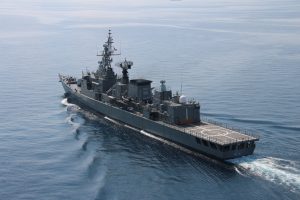
- Maritime Security: Potential enhancements to naval presence in the region, possibly in coordination with allied nations, to deter aggression and protect shipping lanes. However, Starmer’s emphasis on avoiding a "wider war" suggests a defensive, protective posture rather than an offensive one.
- Economic Support: Discussions are likely underway within the Department for Business and Trade regarding potential support mechanisms for UK businesses heavily impacted by the supply chain disruptions, though direct subsidies are often politically sensitive.
- Alternative Route Development: Exploring long-term strategic investments or partnerships to develop and secure alternative trade routes, although no immediate substitutes for the Strait of Hormuz exist on a comparable scale.
Internationally, the United Nations and various trade blocs have issued strong condemnations of actions threatening maritime freedom and have called for immediate de-escalation. The global shipping industry, through organizations like the International Chamber of Shipping, is actively lobbying governments for increased protection and coordinated international responses.
Broader Strategic Shifts and Long-Term Implications
The current crisis is not merely a transient disruption; it is accelerating several fundamental shifts in global trade and business strategy, particularly within the fashion sector.
Supply Chain Resilience and Diversification
The vulnerability exposed by the Middle East conflict has reinforced the imperative for supply chain resilience. Companies are increasingly moving away from single-source reliance and exploring a "China plus one" or even "plus multiple" strategy, diversifying manufacturing across different geographies like Vietnam, Bangladesh, Turkey, and even nearshore locations in Eastern Europe or North Africa. Investment in supply chain visibility technology, such as AI-powered platforms that can track shipments in real-time and predict disruptions, is also gaining traction.
Consumer Impact and Market Dynamics
The inflationary pressures from increased freight and oil costs are likely to be passed on to consumers, leading to higher retail prices for apparel and accessories. This, combined with potential stockouts and reduced choice, could dampen consumer spending, particularly in a period of broader economic uncertainty. There might be a shift towards more considered purchases, longer product lifecycles, and an increased interest in local or sustainably sourced goods if international options become too costly or unreliable.
The Sustainability Dilemma
The rerouting of ships around the Cape of Good Hope, while necessary for security, carries a significant environmental cost. The longer journey means increased fuel consumption and, consequently, higher carbon emissions. Furthermore, the increased reliance on air freight, a much more carbon-intensive mode of transport, directly contradicts the fashion industry’s burgeoning commitment to reducing its environmental footprint. This presents a complex dilemma: balance immediate commercial viability and stock availability against long-term sustainability goals.
The Future of Global Trade
The Middle East conflict, alongside other geopolitical flashpoints, is forcing a re-evaluation of global trade architecture. Nations and corporations are increasingly factoring geopolitical risk into their investment and sourcing decisions. This could lead to a more regionalized trade system, where production and consumption are geographically closer, reducing dependence on long, vulnerable global arteries. The current crisis serves as a stark reminder that the smooth flow of goods, once taken for granted, is inextricably linked to geopolitical stability and requires constant vigilance and proactive management.
In conclusion, the Middle East conflict’s impact on supply chains represents a formidable challenge for the fashion retail sector, threatening profitability, operational efficiency, and consumer confidence. While immediate responses focus on mitigating current disruptions, the long-term implications necessitate a fundamental rethinking of global sourcing strategies, an increased emphasis on resilience, and a sustained effort towards diplomatic solutions to secure vital trade routes. The "last thing" fashion retail needed has arrived, demanding agility, innovation, and strategic foresight from every player in the industry.