







Regular exfoliation remains a non-negotiable cornerstone of modern dermatological care for those seeking to maintain a smooth, radiant, and clear complexion. While the practice of chemical peeling has historically been associated with clinical settings and high-intensity, downtime-heavy procedures, the evolution of cosmetic chemistry has shifted the landscape toward convenient, at-home maintenance. Current market trends indicate a significant pivot toward pre-soaked exfoliating pads, which utilize a sophisticated balance of active ingredients and soothing agents to cater to diverse skin profiles.
The History and Evolution of Chemical Exfoliation
The trajectory of at-home exfoliation shifted dramatically in 2000, when brands began introducing consumer-grade versions of professional chemical peels. Historically, individuals seeking to address concerns such as hyperpigmentation, acne, or uneven skin texture were required to visit a dermatologist for high-concentration acid treatments. These clinical procedures, while effective, often carried risks of post-procedure irritation and necessitated recovery periods.
The introduction of the Dr. Dennis Gross Alpha Beta Universal Daily Peel marked a paradigm shift, successfully miniaturizing the professional peel experience into a two-step, user-friendly format. This product established the standard for subsequent iterations, demonstrating that multi-acid blends could be safely managed by consumers if paired with proper neutralizing agents. Over the past two decades, the focus has moved from aggressive resurfacing to a more nuanced approach, incorporating gentle polyhydroxy acids (PHAs), fruit-derived enzymes, and barrier-supporting ingredients like cica and allantoin to prevent the compromised skin integrity often caused by over-exfoliation.
Understanding the Chemical Mechanism of Action
Exfoliating pads typically rely on a combination of Alpha Hydroxy Acids (AHAs), Beta Hydroxy Acids (BHAs), and PHAs to break down the intracellular glue that binds dead skin cells to the stratum corneum. AHAs, such as glycolic and lactic acid, are water-soluble and primarily focus on surface-level brightness and texture refinement. Glycolic acid, due to its small molecular size, is capable of deeper penetration, making it highly effective but potentially more irritating for sensitive skin types. Lactic acid, by comparison, offers a larger molecular structure and humectant properties, making it a preferred choice for individuals with dry or sensitive skin.
BHAs, specifically salicylic acid, are lipid-soluble, allowing them to penetrate deep into the pores to dissolve sebum and debris. This mechanism makes them essential for oily and acne-prone skin profiles. Recent formulations have also begun incorporating PHAs, which offer a larger molecular weight, ensuring that exfoliation remains superficial and less disruptive to the moisture barrier.
Strategic Product Analysis
The current market for exfoliating pads reflects a segmented approach to skincare, with specific formulations engineered for distinct physiological needs.
-
Dr. Dennis Gross Alpha Beta Universal Daily Peel: Regarded as the industry standard, this two-step system utilizes five distinct acids to address fine lines, pore size, and uneven tone. The efficacy is supported by a secondary neutralizer step, which restores the skin’s pH balance and delivers calming green tea extract. Clinical observations suggest this is particularly effective for those seeking professional-grade results in a home setting.
-
Elemis Dynamic Resurfacing Facial Pads: These pads utilize a proprietary Tri-Enzyme Technology, featuring papain, protease, and subtilisin. By dissolving the keratin proteins that bind skin cells and sebum, these pads provide a gentle alternative for individuals with sensitive skin. The inclusion of shea butter and glycerin serves to mitigate the drying effects often associated with chemical exfoliation.
-
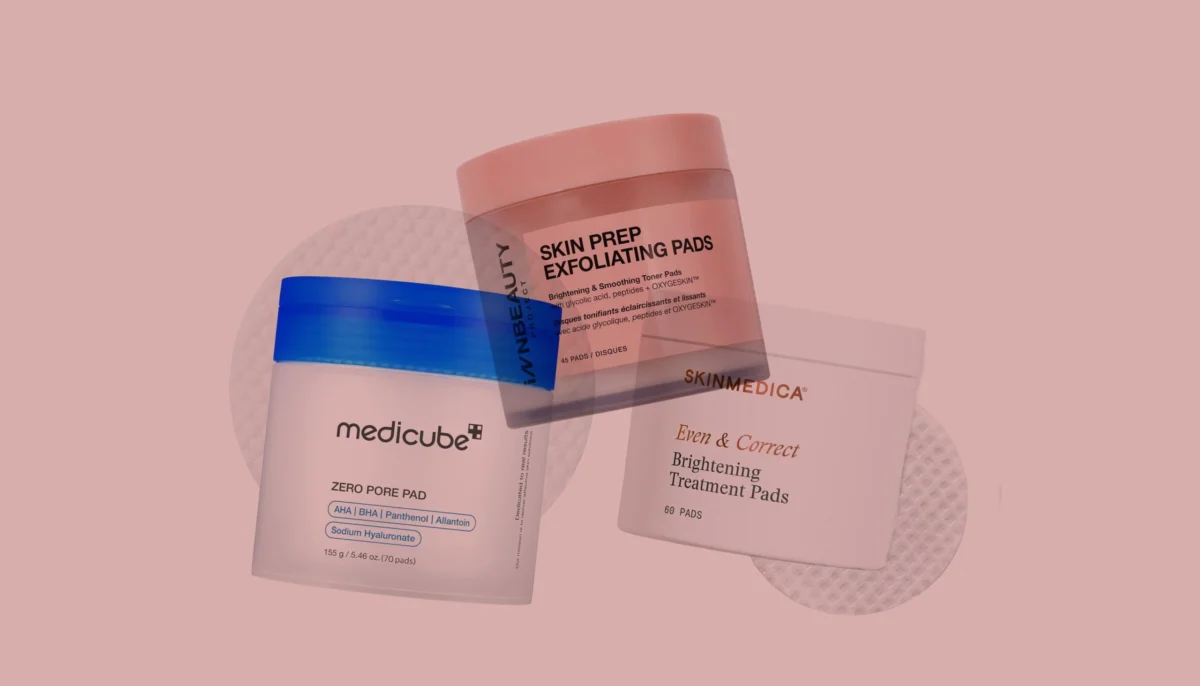
Medicube Zero Pore Pad: Designed specifically for oily and congested skin, this product features a 4.5% lactic acid and 0.45% salicylic acid concentration. The use of an embossed pad texture provides an additional physical exfoliation layer, while plant-derived ingredients such as Centella asiatica (cica) work to soothe the skin post-application.
-
InnBeauty Project Skin Prep Exfoliating Pads: Addressing the needs of aging skin, this formulation focuses on peptide integration. As collagen production naturally declines starting in the late twenties and early thirties, these pads offer a preventative approach by combining AHAs with peptides to boost elasticity and firmness, supported by ectoin and squalane for barrier reinforcement.
-
SkinMedica Even & Correct Brightening Treatment Pads: Utilizing a 10% glycolic acid concentration alongside a 2% LTN Complex, this product is engineered for high-level correction of hyperpigmentation. The addition of tranexamic acid and niacinamide targets melanin synthesis, making it a potent tool for managing post-acne marks and discoloration.
-
First Aid Beauty Brighten & Glow Facial Radiance Pads: For those concerned with dullness, this formulation focuses on a synergy of glycolic and lactic acids paired with hydrating agents like cucumber water and aloe. It emphasizes radiance while ensuring the skin remains hydrated, a crucial factor for preventing the "tight" sensation common with daily acid use.
Clinical Recommendations for Usage and Safety
Dermatological consensus emphasizes that the effectiveness of exfoliating pads is highly dependent on frequency and context. Excessive use, or the simultaneous application of multiple potent actives, can result in chemical burns or a severely compromised skin barrier.
Dr. Claire Wolinsky, a board-certified dermatologist, advises that beginners should limit use to twice weekly, allowing the skin to adjust to the chemical stimulus. Furthermore, the inclusion of exfoliants in a daily routine necessitates the consistent application of broad-spectrum SPF, as the removal of the top layer of dead skin cells increases photosensitivity. A common point of caution among medical professionals is the interaction between exfoliating pads and retinoids. To prevent inflammatory reactions, experts recommend alternating these treatments rather than using them concurrently.
Market Implications and Future Trends
The popularity of these products is driven by the broader "skinimalism" trend—the desire for efficient, multi-tasking products that yield clinical-grade results with minimal time investment. The data suggests that as consumers become more educated regarding ingredient lists, there is a rising demand for transparency in concentrations and pH levels of exfoliating pads.
The industry is also witnessing a shift toward sustainable packaging, with brands increasingly moving toward biodegradable pads and refillable systems to reduce the environmental footprint of single-use applicators. As the science of skincare continues to advance, the next generation of exfoliating pads is expected to incorporate even more sophisticated, time-released delivery systems that provide the benefits of chemical exfoliation while virtually eliminating the risk of irritation.
Conclusion
Exfoliating pads have transitioned from niche beauty tools to essential staples in comprehensive dermatological routines. By leveraging a deep understanding of acid chemistry and barrier health, these products provide a scalable solution to common skin concerns, ranging from chronic acne and hyperpigmentation to age-related dullness. However, their efficacy remains tethered to a disciplined approach: selecting the correct formula for one’s specific skin type, maintaining a consistent but cautious frequency of use, and adhering to strict sun protection protocols. As the cosmetic industry continues to innovate, the focus will remain on balancing the potency of chemical resurfacing with the biological necessity of skin barrier protection.