





Few experiences compare to the simple luxury of sliding into bed under crisp, freshly laundered sheets after an exhausting day. That nightly ritual is invariably enhanced by slipping into comfortable, aesthetically pleasing sleepwear. However, as consumer consciousness evolves alongside mounting climate concerns, the fashion choices we make—even beneath the covers—are coming under increased scrutiny. For decades, the global sleepwear market has relied heavily on synthetic textiles like polyester, nylon, and acrylic. While these materials are cheap to produce, they present significant drawbacks for both human comfort and ecological health.
Synthetic fabrics are notoriously non-breathable, trapping body heat and moisture, which frequently leads to uncomfortable night sweats and disrupted sleep patterns. On a macro level, synthetics are derived from fossil fuels, rendering them inherently unsustainable. They contribute significantly to the extraction economy, release persistent microplastics into washing machine wastewater, and take centuries to decompose in landfills. Consequently, a growing demographic of consumers is rethinking their nocturnal wardrobes, turning toward sustainable pyjama brands that prioritize plant-based fibers, ethical labor conditions, and transparent supply chains.
Navigating the transition toward an ethical sleepwear collection requires a nuanced understanding of materials, labor standards, and corporate accountability. To assist consumers in making informed purchases, ethical fashion ratings platforms like Good On You evaluate brands against stringent sustainability methodologies. These assessments analyze a company’s impact across three core pillars: environmental stewardship, labor rights, and animal welfare. By curating brands that score well within these frameworks, shoppers can invest in sleepwear that aligns with their personal values without sacrificing comfort or style.
Understanding Sustainable Fabrics for Sleepwear
When evaluating sustainable pyjamas, the choice of textile is arguably the most critical factor. Plant-based alternatives not only offer superior breathability and temperature regulation compared to petroleum-based synthetics, but they also carry a dramatically reduced environmental footprint.
Organic cotton has emerged as a gold standard in eco-friendly textiles. Unlike conventional cotton, which demands massive quantities of synthetic fertilizers, pesticides, and irrigation water, organic cotton is grown using methods that have a lower impact on the environment. It avoids toxic chemicals, preserving soil fertility and protecting surrounding ecosystems and agricultural workers from hazardous exposure. Certifications such as the Global Organic Textile Standard (GOTS) provide consumers with verifiable assurance that a garment meets strict ecological and social criteria from field to finished product.
Linen, derived from the flax plant, is another exceptional choice for sleepwear. Flax is a remarkably resilient crop that requires minimal water and few to no pesticides, often thriving entirely on rainwater. Linen fabrics are naturally thermoregulating, highly durable, and soften gracefully with every wash, making them a long-lasting addition to any sustainable wardrobe.
For those seeking a silky, fluid drape without supporting the environmental and ethical controversies associated with conventional silk production, innovations like TENCEL Lyocell and sustainably sourced bamboo offer viable alternatives. TENCEL Lyocell is manufactured from sustainably harvested wood pulp processed in a closed-loop system, where solvents and water are recycled at a rate of over 99 percent. Similarly, bamboo viscose—when produced using closed-loop chemical management—yields an ultra-soft, moisture-wicking fabric that feels luxurious against the skin while keeping the wearer cool throughout the night.
The Human Element: Labor Rights in the Sleepwear Industry
Environmental impact is only one facet of the broader sustainability movement; the human cost of garment manufacturing demands equal attention. The global fashion industry employs millions of workers, predominantly in developing nations, where labor violations, sub-living wages, and unsafe working conditions remain systemic issues.
When investing in ethical sleepwear, consumers must look beyond marketing buzzwords like "eco-friendly" to examine how a brand treats its workforce. Key indicators of ethical labor practices include the payment of a living wage—ensuring workers can afford basic needs such as housing, food, and healthcare—alongside guaranteed job security, collective bargaining rights, and rigorous workplace health and safety protocols.
Independent rating systems evaluate these factors by examining supply chain transparency, factory audits, and certifications such as Fair Trade USA. If a brand’s commitments remain ambiguous, experts recommend directly contacting customer service or consulting brand transparency reports to verify labor claims. Ensuring that the hands crafting your nightwear are compensated fairly and treated with dignity is an essential component of conscious consumption.
Navigating Animal Welfare Considerations
While plant-based and synthetic-free materials dominate the sustainable sleepwear conversation, animal welfare remains a vital consideration for conscious shoppers. Consumers seeking to avoid animal-derived products entirely must remain vigilant, as animal materials often appear in unexpected places within high-end and conventional sleepwear lines.
Silk, traditionally harvested from the cocoons of silkworms through boiling processes that kill the insects, is frequently replaced in sustainable collections by TENCEL or bamboo. However, minor details can also present ethical hurdles. Mother-of-pearl buttons, commonly featured on luxury pyjama sets, are harvested from mollusk shells and do not align with vegan or cruelty-free principles. Opting for alternatives such as corozo nut, wood, or recycled buttons ensures that a garment remains completely free from animal exploitation.
Curated Sustainable Sleepwear Brands to Watch
To bridge the gap between conscious consumerism and nocturnal comfort, industry watchdogs and editorial teams continuously vet and highlight brands leading the charge in sustainable sleepwear. These enterprises have earned "Good" or "Great" ratings based on comprehensive methodologies, offering everything from classic organic cotton sets to butter-soft bamboo loungewear and children’s essentials.
Sustain by Kat champions a philosophy of "clothing with a conscience," producing timeless organic women’s and children’s apparel dyed exclusively with natural plant extracts. By avoiding synthetic chemical dyes and utilizing GOTS-certified organic cotton, the brand ensures its garments are gentle on both the wearer’s skin and the broader ecosystem. The collection is available in sizes XS through XL.
Boody, an Australian brand founded by two best friends, places comfort, health, and style at its core. Specializing in everyday essentials crafted from organically grown bamboo, Boody minimizes waste through innovative cutting techniques and closed-loop manufacturing systems. The brand offers an extensive size range from XS to 4XL, catering to a diverse consumer base seeking supreme comfort in their sleep and loungewear.
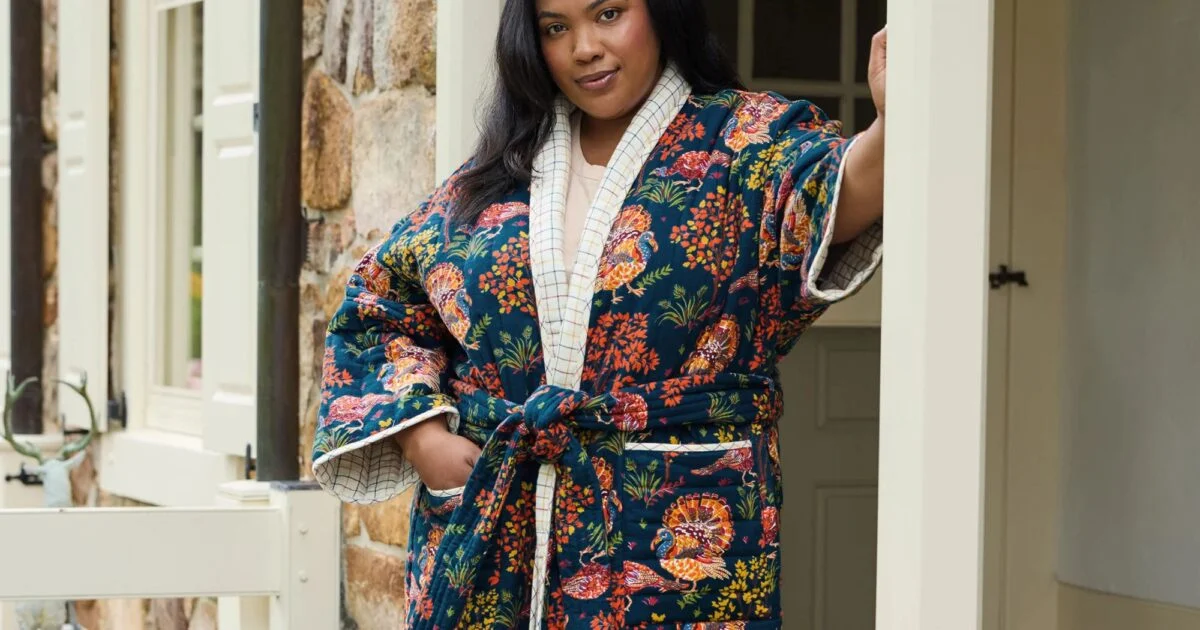
Printfresh, a US-based label founded in 2016 by textile designer and fashion entrepreneur Amy Voloshin alongside her business partner and husband Leo Voloshin, brings a vibrant, artistic flair to the ethical sleepwear market. As a majority woman-owned business, Printfresh draws inspiration from plants, animals, and home decor, offering eclectic collections in an inclusive size range spanning 2XS to 6XL.
Noctu brings minimalist British design to the sustainable sleepwear sector. Based in the UK, the brand crafts beautiful, functional nightwear and loungewear from luxuriously soft organic cotton, proving that simplicity and ethical manufacturing can coexist seamlessly. Their collection is available in sizes S through L.
CASAGiN, an Italian apparel brand, designs conscious clothing aimed at fostering sustainability within personal wardrobes and everyday lifestyles. Known for its thoughtful approach to material selection and localized European production, the brand offers versatile items primarily in sizes XS through 2XL.
Aiayu, a Danish luxury brand established in 2015, approaches sustainability through the lens of longevity and timeless design. Creating foundational pieces for a conscious home and wardrobe, Aiayu maintains that a product’s origins, manufacturing impact, and aesthetic value are equally important. Their luxury collections are available in sizes XS through L.
Mightly focuses on the younger generation, producing GOTS-certified organic cotton and Fair Trade Certified children’s apparel, including pyjamas, tees, leggings, and hoodies. Partnering with facilities certified by Fair Trade USA, the brand ensures that its supply chain supports fair wages and safe working conditions for garment workers while delivering durable, eco-friendly clothing for growing children.
Broader Implications and Market Evolution
The rising prominence of ethical sleepwear brands reflects a broader, structural shift within the global apparel industry. As consumer awareness deepens, demand for green-washed marketing ploys is rapidly diminishing, replaced by a clear preference for radical transparency, third-party certifications, and verifiable supply chain ethics.
Financial analysts note that investments in sustainable textiles are no longer viewed merely as niche ethical pursuits, but as forward-thinking business models capable of mitigating future regulatory risks, raw material shortages, and reputational damage. As governments worldwide introduce stricter legislation regarding corporate sustainability reporting and textile waste management, brands that have proactively integrated circular economy principles—such as closed-loop water systems, organic farming partnerships, and fair labor practices—are positioned to capture substantial market share.
Ultimately, updating one’s sleepwear drawer offers a tangible opportunity to vote with your wallet. By supporting brands that prioritize ecological restoration, fair labor standards, and animal welfare, consumers can rest easier knowing that their nightwear choices support a healthier, more equitable world both inside and outside the bedroom.