







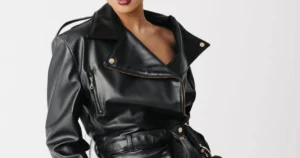




At New York Fashion Week, innovative designer Kate Barton is set to unveil her highly anticipated latest collection, introducing a groundbreaking integration of artificial intelligence that redefines how audiences interact with runway fashion. Building on a continuous exploration of digital craftsmanship, Barton has partnered with Fiducia AI to deploy a sophisticated multilingual AI agent. Powered by IBM watsonx and hosted on IBM Cloud alongside IBM Cloud Object Storage, this production-grade activation enables attendees to seamlessly identify individual garments from the new collection and experience them through photorealistic virtual reality try-ons in real time.
This latest showcase marks a significant evolution in the intersection of high fashion and emerging technology. Rather than employing digital tools merely for novelty, Barton’s collaboration emphasizes a thematic bridge between the physical and the digital, transforming the runway experience into an immersive narrative portal. As the fashion industry navigates a complex transitional period regarding artificial intelligence, this activation offers a compelling glimpse into how enterprise-grade technology can enhance creative storytelling without overshadowing human artistry.
The Convergence of High Fashion and Enterprise AI
The technological architecture behind Barton’s runway presentation is as meticulous as the garments themselves. According to Ganesh Harinath, founder and CEO of Fiducia AI, the primary challenge of the project lay not in model tuning, but in the complex orchestration required to deliver a seamless user experience. By leveraging IBM watsonx, the system incorporates an advanced visual AI lens capable of instantaneously detecting and analyzing pieces from the new collection.
Furthermore, the AI agent is equipped to answer detailed guest inquiries in any language through both voice and text interfaces. This multilingual capability democratizes access for an increasingly globalized audience of buyers, journalists, and enthusiasts attending New York Fashion Week. Coupled with high-fidelity virtual reality try-on features, the technology bridges the gap between passive observation and active engagement, allowing participants to visualize complex silhouettes and intricate fabric textures in a virtual space immediately following the runway walk.
Chronology of Innovation: Barton’s Digital Trajectory
Barton’s embrace of advanced technology is not a sudden pivot, but rather the continuation of a deliberate design philosophy. Throughout her career, the designer has consistently integrated speculative design concepts into her physical collections. The collaboration with Fiducia AI builds directly upon their previous partnership during the prior fashion week season, where Barton first experimented with AI-generated models and digital rendering frameworks.
This incremental approach reflects a broader trend among forward-thinking designers who view technology as a medium for expansion rather than disruption. By testing digital workflows in controlled runway environments over successive seasons, Barton has established a systematic framework for incorporating enterprise technology into high-end garment production. Industry analysts note that this step-by-step adoption strategy minimizes operational friction while maximizing the visual and promotional impact of each new collection.
Industry Reception and the Hesitancy Around AI
Despite the visible success of Barton’s runway integration, the broader fashion industry maintains a cautious stance toward artificial intelligence. During New York Fashion Week, discussions among industry executives frequently centered on whether and how luxury and contemporary brands are utilizing AI systems. Barton observes that while many major fashion houses are actively deploying AI, the implementation remains largely confined to backend operations, supply chain logistics, and inventory management.
Public deployment, however, remains sparse. Barton suggests that fear of reputational risk and consumer skepticism often deter brands from showcasing AI capabilities openly. This dynamic bears a striking resemblance to the early days of e-commerce in the late 1990s and early 2000s, when legacy fashion houses hesitated to establish official websites for fear of diluting brand exclusivity. Eventually, as digital storefronts became an absolute commercial necessity, the industry dialogue shifted from whether a brand should maintain an online presence to the overall quality of that presence.
Moving Beyond Surface-Level Chatbots
Harinath points out that while many consumer-facing brands are currently experimenting with AI, these implementations rarely extend beyond surface-level applications such as basic customer service chatbots, automated marketing copy generation, and internal productivity tools. These superficial deployments often fail to capture the true transformative potential of enterprise artificial intelligence, leaving consumers and industry critics cynical about its long-term value in creative sectors.

In contrast, Barton envisions a much deeper integration of AI across the fashion lifecycle. Her forward-looking perspective encompasses advanced digital prototyping, highly accurate 3D garment visualization, smarter and more sustainable production decisions, and deeply immersive consumer experiences. Crucially, Barton emphasizes that these technological advancements should function as amplifiers of human talent rather than replacements for the artisans, tailors, and designers who physically construct the garments.
The Framework for Ethical Implementation
A central tenet of Barton’s design philosophy is the absolute preservation of human creativity. As automation tools become more prevalent across design and manufacturing sectors, the designer advocates for strict ethical guidelines, clear licensing protocols, transparent credit attribution, and a shared industry understanding that human ingenuity cannot be treated as an expendable overhead cost.
"If the technology is used to erase people, I am not into it," Barton noted, stressing that modern audiences possess a high degree of digital literacy. Consumers can readily discern the difference between genuine technological invention and corporate attempts to circumvent traditional labor costs. By prioritizing transparency and collaboration, Barton aims to set a precedent for how creative industries can responsibly harness artificial intelligence without eroding the foundational value of human craftsmanship.
Long-Term Projections and Market Normalization
Industry experts anticipate that the current period of experimentation will rapidly give way to widespread normalization. Harinath projects that the integration of artificial intelligence within the fashion sector will become entirely mainstream by 2028, laying the groundwork for AI to be fully embedded into the operational and strategic core of global retail enterprises by 2030.
Achieving this milestone, however, requires deliberate strategic alignment. "Most of this technology already exists—the differentiator now is assembling the right partners and building teams that can operationalize it responsibly," Harinath explained. This sentiment is echoed by enterprise technology leaders who view integrated intelligence as a fundamental catalyst for market competitiveness.
Strategic Perspectives from Enterprise Leadership
Dee Waddell, Global Head of Consumer, Travel, and Transportation Industries at IBM Consulting, emphasizes the commercial imperative of real-time technological integration. According to Waddell, when inspiration, product intelligence, and consumer engagement operate simultaneously in real time, artificial intelligence transcends its role as a mere feature. Instead, it evolves into a primary growth engine capable of generating measurable and sustained competitive advantage for fashion houses and retail conglomerates alike.
As enterprise platforms mature, the synergy between cloud infrastructure, advanced machine learning models, and creative design will likely redefine standard business operations across the global fashion ecosystem. Yet, despite the immense potential for operational efficiency and immersive marketing, the immediate focus remains firmly centered on the runway.
The Future of Craftsmanship in a Digital Era
As Kate Barton prepares to present her latest collection to the international fashion community, the overarching message remains rooted in the enhancement, rather than the replacement, of traditional artistry. The collaboration with Fiducia AI and IBM demonstrates that advanced computational tools can successfully coexist with haute couture, providing audiences with unprecedented levels of interaction and engagement.
"The most exciting future for fashion is not automated fashion," Barton concluded. "It is fashion that uses new tools to heighten craft, deepen storytelling, and bring more people into the experience, without flattening the people who make it." Through this balanced approach, Barton’s New York Fashion Week presentation serves as both a dazzling creative showcase and a thoughtful blueprint for the future of responsible technological adoption in the global design industry.